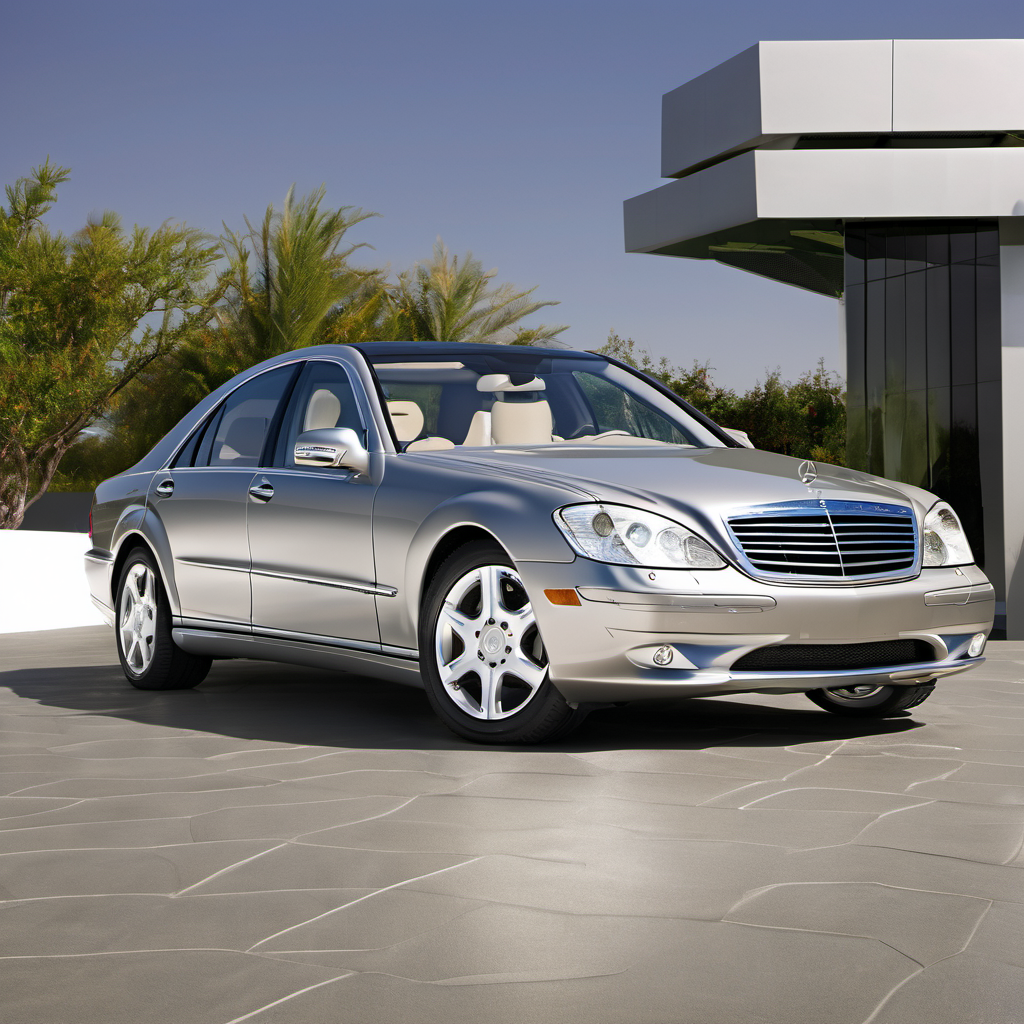
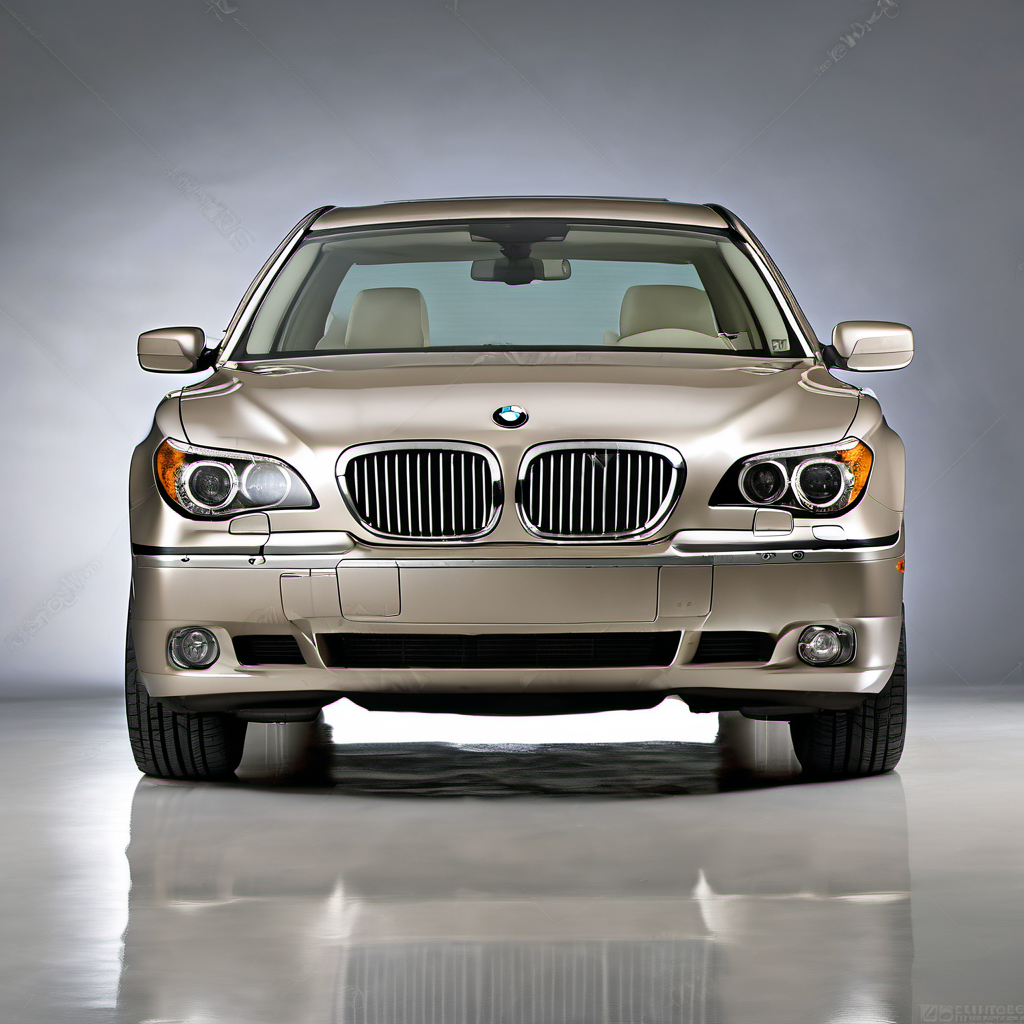
2006 Mercedes-Benz S-Class Sedan

2006 Mercedes-Benz

S-ClassSedan

Sedan

The 2006 Mercedes-Benz S-Class (W220 generation) is the flagship full-size luxury sedan from Stuttgart. It arrived with a sweeping array of advanced technology for its era — air suspension, multi-zone climate control, a complex electronics architecture, and an available V8 or V12. The S350 variant carries a 3.7L inline-6, making it the entry point into the lineup and arguably the most sensible long-term ownership choice in the range. At 18 years old, this car is squarely in 'deferred maintenance catch-up' territory. The W220 generation was notorious for expensive air suspension failures, ABC (Active Body Control) hydraulic system leaks on higher trims, and a Byzantine electrical network that can turn a simple warning light into a half-day diagnostic. When maintained correctly and bought from a careful owner, it's a genuinely rewarding luxury experience. When neglected, it becomes a money pit with no bottom. For a buyer in the Lake Geneva area, the Wisconsin road salt environment is particularly brutal on the W220's underbody — air suspension air struts, hydraulic lines, and subframe mounting points all deserve close inspection before purchase.

Reliability
2/5
Verified data
Specs shown for S350 — the most common configuration. Other trims may vary in engine, drivetrain, or fuel economy. Sign in to see your vehicle's exact specs.
Engine
[object Object]
Drivetrain
RWD
Fuel
Premium gasoline
MPG
16 city / 23 hwy / 18 combined
Seats
Doors
Body
Large Cars

Overview

AI-curated

The 2006 Mercedes-Benz S-Class (W220 generation) is the flagship full-size luxury sedan from Stuttgart. It arrived with a sweeping array of advanced technology for its era — air suspension, multi-zone climate control, a complex electronics architecture, and an available V8 or V12. The S350 variant carries a 3.7L inline-6, making it the entry point into the lineup and arguably the most sensible long-term ownership choice in the range. At 18 years old, this car is squarely in 'deferred maintenance catch-up' territory. The W220 generation was notorious for expensive air suspension failures, ABC (Active Body Control) hydraulic system leaks on higher trims, and a Byzantine electrical network that can turn a simple warning light into a half-day diagnostic. When maintained correctly and bought from a careful owner, it's a genuinely rewarding luxury experience. When neglected, it becomes a money pit with no bottom. For a buyer in the Lake Geneva area, the Wisconsin road salt environment is particularly brutal on the W220's underbody — air suspension air struts, hydraulic lines, and subframe mounting points all deserve close inspection before purchase.

Known for
  • Flagship-level ride comfort and interior refinement
  • Advanced technology for its era (air suspension, adaptive cruise, pre-safe system)
  • Complex electronics architecture with many control modules
  • Strong, smooth inline-6 in S350 trim
Best for
  • Highway cruising and long-distance comfort
  • Buyers who already have a trusted independent Mercedes specialist
  • Owners prepared to budget seriously for maintenance
  • Second car or low-annual-mileage use
Watch for
  • Air suspension strut and compressor failures — extremely common on W220
  • Rust and corrosion on undercarriage components from road salt exposure
  • Deferred maintenance from previous owners who couldn't afford upkeep
  • SBC (Sensotronic Brake Control) hydraulic brake system failures
  • High cost of even routine service items due to Mercedes parts pricing

Common issues by mileage

6 known

SBC (Sensotronic Brake Control) pump/accumulator failure

high
Typically appears
70–130k mi
Estimated repair
$800 – $2,200

Oxygen sensor and heater circuit failures

medium
Typically appears
60–100k mi
Estimated repair
$250 – $700

Underbody rust — subframe, suspension mounting points, brake lines

high
Typically appears
Any mileage on Midwest/salt-belt cars
Estimated repair
$500 – $4,000

Maintenance schedule

  1. 1
    Every 7,500–10,000 miles or annually Engine oil change — use Mercedes-approved 5W-40 full synthetic

    The 3.7L I6 is sensitive to oil quality. Do not stretch intervals beyond 10k miles regardless of the dashboard indicator — the W220 oil life monitor is optimistic.

  2. 2
    Every 2 years or 30,000 miles Air suspension compressor inspection and air strut condition check

    This is the single most expensive failure point on the W220. Catching a failing compressor or a slow-leaking strut early prevents catastrophic drops and secondary damage to the air lines and valves.

  3. 3
    Every 2 years Brake fluid flush

    The SBC brake system is hydraulic and moisture-contaminated fluid accelerates pump and accumulator wear — the most common expensive brake failure on this car.

  4. 4
    Every 60,000 miles Spark plugs (iridium OE-spec)

    The I6 requires the correct heat-range plug. Using incorrect plugs can cause misfires that stress the catalysts.

  5. 5
    Every 40,000–50,000 miles Transmission fluid change (7G-Tronic)

    Mercedes marks this as 'lifetime' fluid — independent shops disagree. Fresh fluid at 40–50k intervals keeps valve body wear in check and reduces erratic shift behavior.

  6. 6
    Every 4–5 years or before each Wisconsin winter Battery load test and replacement if borderline

    The W220's electronics network draws significant standby current. A weak battery causes cascading module faults and no-start conditions in sub-zero temps — a common Lake Geneva winter complaint.

  7. 7
    Every fall, and after every significant salt event during winter Undercarriage wash and inspection for rust/brake line corrosion

    Wisconsin road salt attacks brake lines, air suspension lines, and subframe mounting points. Catching rust early is the difference between a cheap repair and a five-figure problem.

  8. 8
    Every 4 years Coolant system inspection and flush

    The W220's aluminum-heavy engine block and cooling system components are sensitive to degraded coolant chemistry. Degraded coolant accelerates water pump and thermostat housing seal wear.

Always defer to the manufacturer's service manual for warranty-mandated intervals.

Cost of ownership

Annual maintenance
$1,500 – $4,500
Fuel
Premium 91+ octane required. At 18 combined MPG and ~12,000 miles/year, budget roughly $2,000–$2,500/year at current Midwest premium prices.
Insurance
Full coverage on an 18-year-old luxury sedan typically runs $900–$1,500/year in the Lake Geneva area depending on driver profile, though the high repair cost of body and suspension components keeps premiums elevated relative to age.

The S350 looks like a bargain at its used asking price — but budget $1,500–$4,500 per year in maintenance under normal conditions, and significantly more in any year an air suspension component, SBC brake system, or major electronic module requires attention. A single air suspension overhaul or SBC pump replacement can run $1,500–$3,500 by itself. Plan for the high end of the range unless the car has recent, documented work on its major systems.
Seasonal care

Lake Geneva, WI
Winter
  • Test battery load capacity every fall — the dense electronics network kills a marginal battery fast in sub-zero Lake Geneva mornings.
  • Switch to a full synthetic 5W-40 or 0W-40 if not already running it; cold starts with heavier oil stress the VVT solenoids.
  • Inspect and treat air suspension air lines for brittleness — cold temps accelerate cracking of aged rubber air lines and strut bladders.
  • Use winter-grade washer fluid rated to at least -20°F; the long hood and low cowl of the W220 means your wipers work hard against road spray.
  • Flush and replace brake fluid if overdue — moisture-laden SBC brake fluid is especially dangerous in freeze-thaw cycles.
  • Rinse the undercarriage thoroughly after every significant salt application event; pay extra attention to air suspension line routing and brake line clips.
Summer
  • Check tire pressure monthly — the W220's low-profile tires lose pressure quickly with temperature swings and are expensive to replace.
  • Inspect A/C system refrigerant charge and cabin air filter; a clogged filter kills cooling efficiency on hot summer days.
  • Watch coolant temp gauge during stop-and-go traffic — the 3.7L I6 runs warm in slow traffic and a marginal thermostat or coolant level issue will show up quickly.
  • Inspect air suspension struts for oil weeping or sag after the car sits overnight — heat accelerates seal degradation on aging struts.

Comparable vehicles

If you're shopping for one

Red flags
  • Any corner sitting lower than the others after an overnight park — non-negotiable walk-away on a cheap asking price.
  • Check engine light on with camshaft timing codes (P0012, P0015, P0022, P0025) — could indicate sludged oil passages or worn VVT hardware.
  • CAN bus communication faults (U0100–U0104) stored in memory — suggests electrical gremlins or a prior module replacement done poorly.
  • Brake warning light or unusually long SBC pump cycle at startup.
  • Evidence of undercarriage rust coating or fresh undercoating applied to hide existing corrosion — a common flip trick on Midwest luxury cars.
  • No service records or a maintenance history gap longer than 1–2 years at this age.
  • Asking price below $5,000 — at this price point, assume deferred maintenance costs will exceed the purchase price within 12 months.
What to inspect
  • Air suspension: check all four corners for proper ride height after sitting overnight. Any sag means a failing strut or compressor.
  • SBC brake system: have the pump accumulator pressure-tested; listen for the pump cycling at startup longer than 2–3 seconds.
  • Pull a full pre-purchase inspection from a Mercedes-trained independent shop — not a general shop. The W220's systems require a factory-compatible scan tool (e.g., XENTRY/DAS equivalent).
  • Check all four air suspension air lines and the compressor for cracks, especially underneath where salt exposure is worst.
  • Inspect the subframe mounting points and rear trailing arm bushings for rust — these are structural and expensive if compromised.
  • Verify transmission shifts cleanly through all ranges without delay, flare, or shudder. 7G-Tronic valve bodies are expensive.
  • Test all major electronics: windows, sunroof, seats, climate zones, COMAND nav, pre-safe sensors. Failures are common and repairs are costly.
AI profile generated 2 hr ago · claude-sonnet-4-6 · v2.