Secondary Air Injection Pump Failure
high- Typically appears
- 60–120k mi
- Estimated repair
- $600 – $1,400
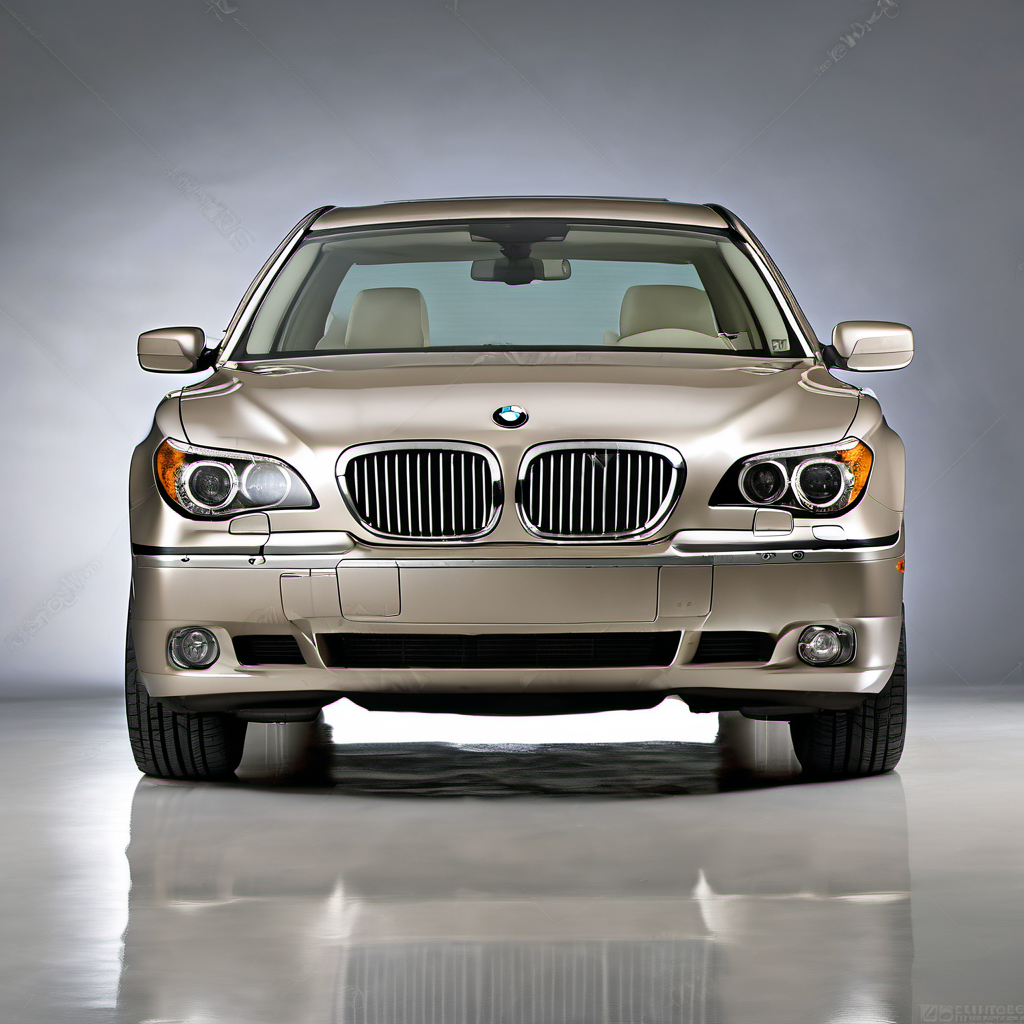
2006 BMW
Sedan
The 2006 BMW 7 Series (E65/E66 generation) is BMW's full-size flagship luxury sedan, pairing a 4.8L V8 with a rear-wheel-drive platform and an extensive suite of tech features that were genuinely cutting-edge for the mid-2000s. The 750i represents the sweet spot in the lineup — more than enough power for effortless highway travel, with a ride quality that blends firm German dynamics with genuine long-distance comfort. This generation is remembered as much for its iDrive infotainment system — which owners either adapted to or despised — as for its driving character. Under the skin, it's a complex, electronics-heavy car with many hydraulic, pneumatic, and computer-controlled systems that demand attention. When maintained properly, it's a genuinely rewarding ownership experience. Deferred maintenance on these turns into very expensive repair bills fast. At current used prices, this car is a steep discount off its original six-figure MSRP, but the ownership cost does not drop proportionally. Budget realistically for premium fuel, European-spec parts, and BMW-trained technician time. This is a car for enthusiasts who want to wrench with a shop relationship, not a low-effort daily driver.
The 2006 BMW 7 Series (E65/E66 generation) is BMW's full-size flagship luxury sedan, pairing a 4.8L V8 with a rear-wheel-drive platform and an extensive suite of tech features that were genuinely cutting-edge for the mid-2000s. The 750i represents the sweet spot in the lineup — more than enough power for effortless highway travel, with a ride quality that blends firm German dynamics with genuine long-distance comfort. This generation is remembered as much for its iDrive infotainment system — which owners either adapted to or despised — as for its driving character. Under the skin, it's a complex, electronics-heavy car with many hydraulic, pneumatic, and computer-controlled systems that demand attention. When maintained properly, it's a genuinely rewarding ownership experience. Deferred maintenance on these turns into very expensive repair bills fast. At current used prices, this car is a steep discount off its original six-figure MSRP, but the ownership cost does not drop proportionally. Budget realistically for premium fuel, European-spec parts, and BMW-trained technician time. This is a car for enthusiasts who want to wrench with a shop relationship, not a low-effort daily driver.
The N62 V8 has tight VANOS and variable valve timing tolerances. Degraded oil accelerates solenoid sludging and timing-chain wear. Shorter intervals are cheap insurance.
Plastic cooling components fail without warning on the N62. Replacing the expansion tank, thermostat, and water pump together costs less than one roadside tow and emergency repair.
The N62 uses 16 individual coil-on-plug coils (two per cylinder). Misfires from aged plugs or coils can mask as more expensive mechanical problems. Replace all plugs as a set.
BMW specifies this interval and the DSC/ABS system on the 7 Series is sensitive to moisture-contaminated fluid. Wisconsin winters accelerate corrosion in brake lines.
The high-pressure direct-injection fuel system tolerates contamination poorly. A clogged filter strains the fuel pump and can cause hard starts or hesitation.
BMW's 'lifetime fill' recommendation is optimistic for a vehicle this age. Fresh fluid protects the ZF automatic transmission and rear differential from wear, especially in cold-climate cold starts.
Wisconsin road grit and fall leaves clog filters faster than temperate climates. A restricted engine air filter affects fuel trims and can indirectly trigger air-management fault codes.
Lake Geneva roads are heavily salted. The 7 Series runs steel brake lines that rust from the outside in. Catching early corrosion is far cheaper than a brake line failure.
Always defer to the manufacturer's service manual for warranty-mandated intervals.
This car's sticker price has cratered from its original ~$75k MSRP, but the bills to keep it running have not dropped proportionally. Budget $2,000–$4,500/year for routine maintenance at an independent shop, more in years when suspension, electronics, or drivetrain work is needed. Major surprise repairs — ARS pump, air suspension, valve cover gaskets, VANOS work — can each run $1,500–$4,000. This is an ownership experience best suited to someone who treats the maintenance budget as fixed and non-negotiable.
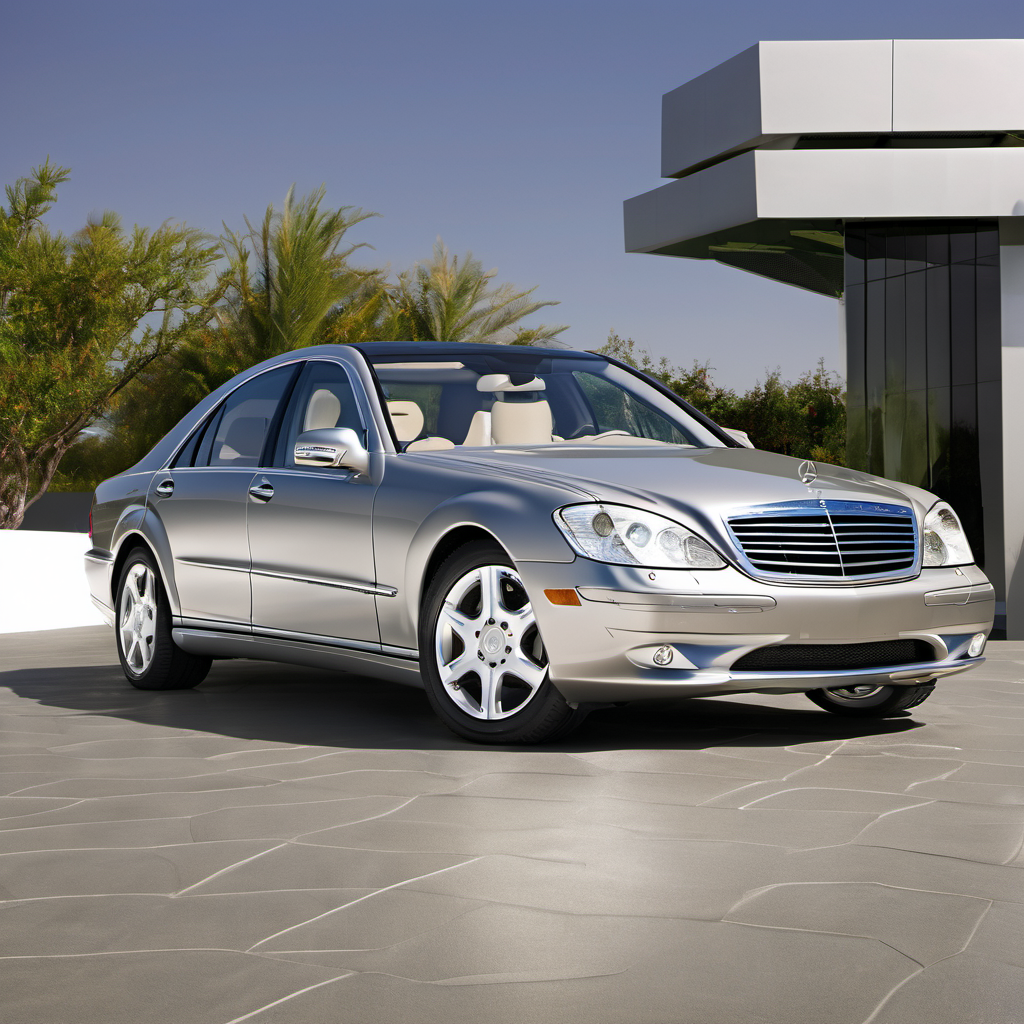
Direct competitor in the full-size German luxury segment. The W221 S550 shares similar pricing, rear-wheel drive, and V8 performance. Slightly more reliable electronics reputation but equally expensive to maintain.
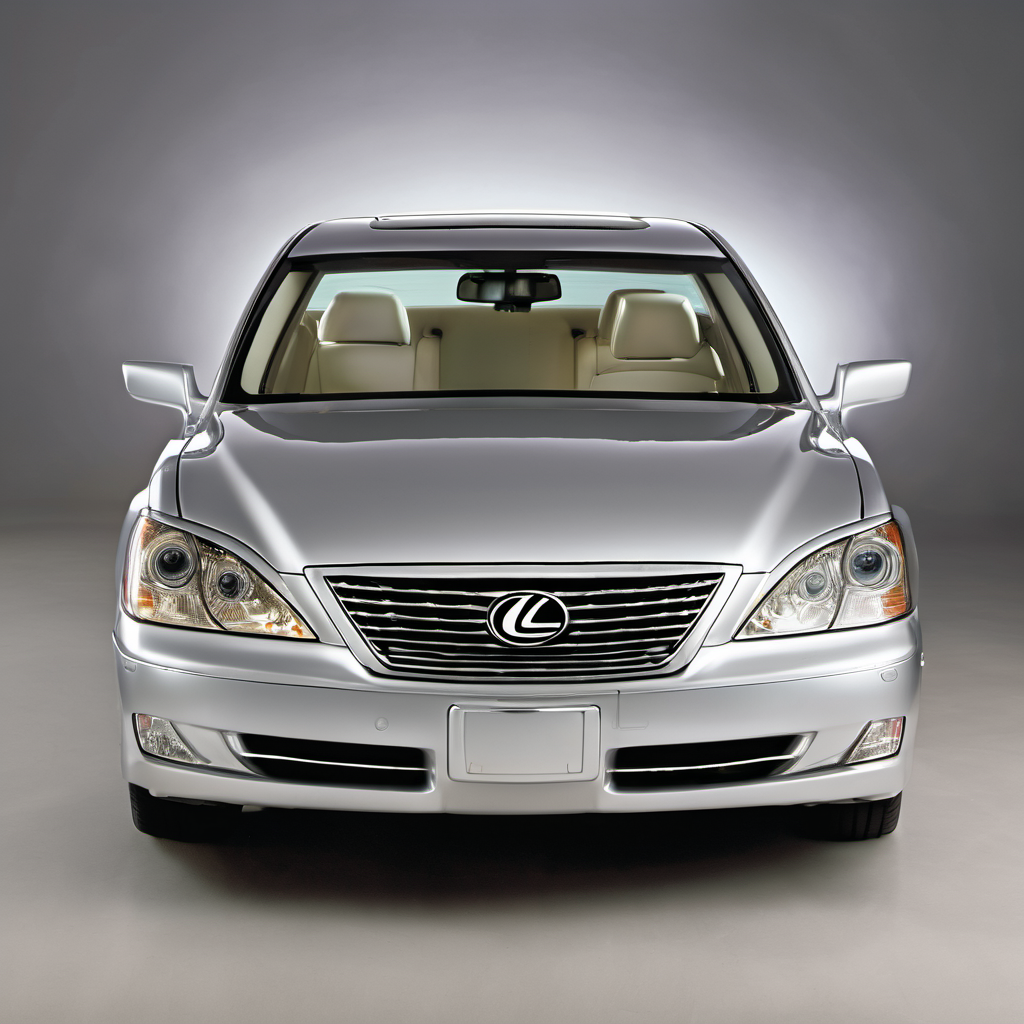
The LS 430 targets the same buyer with a notably stronger reliability record and lower long-term maintenance costs. Less driver-focused than the 7 Series but significantly more dependable as a used purchase.
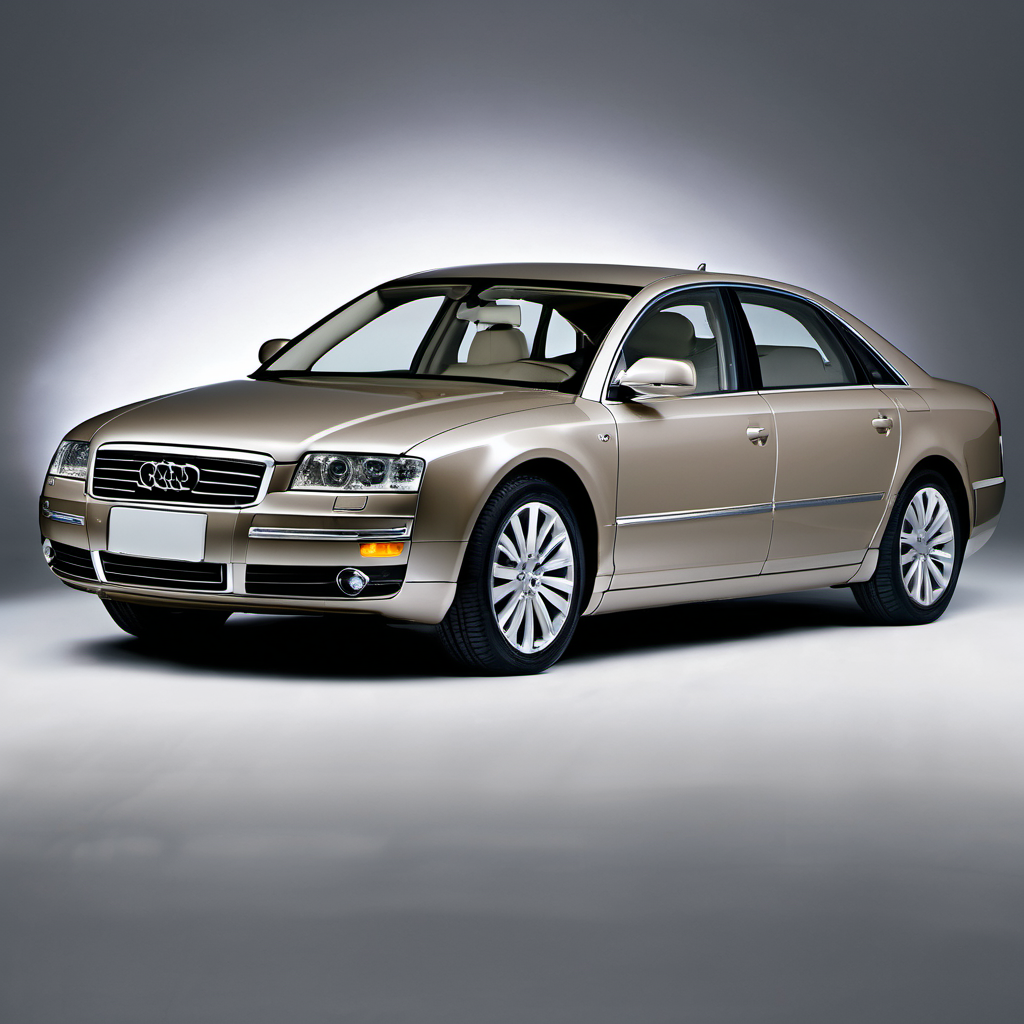
Audi's flagship sedan from the same era with a similar V8 and feature set. All-wheel drive gives it a winter traction edge in Wisconsin, but Audi electronics of this vintage are equally complex and costly to repair.
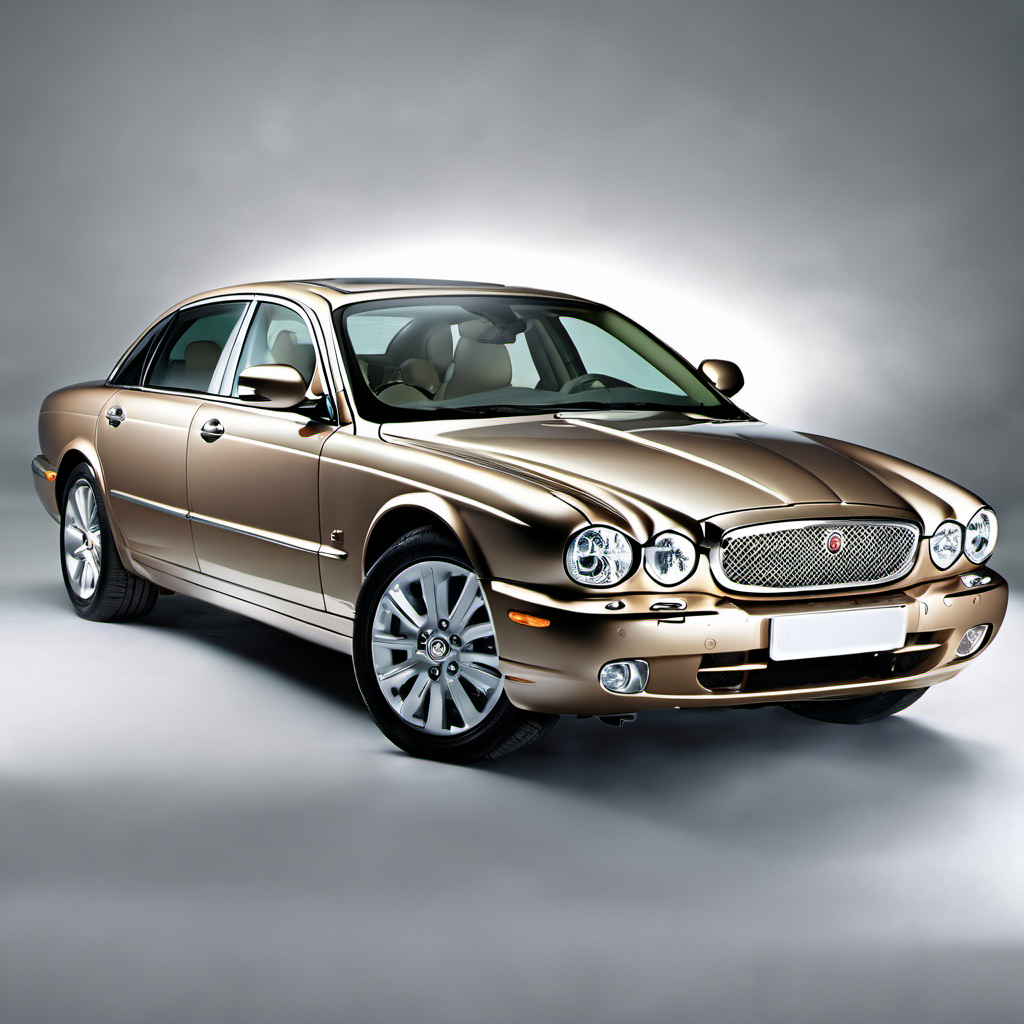
The aluminum-body XJ8 offers comparable luxury and a smooth V8 at similar used prices. Lighter than the 7 Series, but parts availability and technician familiarity in the upper Midwest are limited compared to BMW.