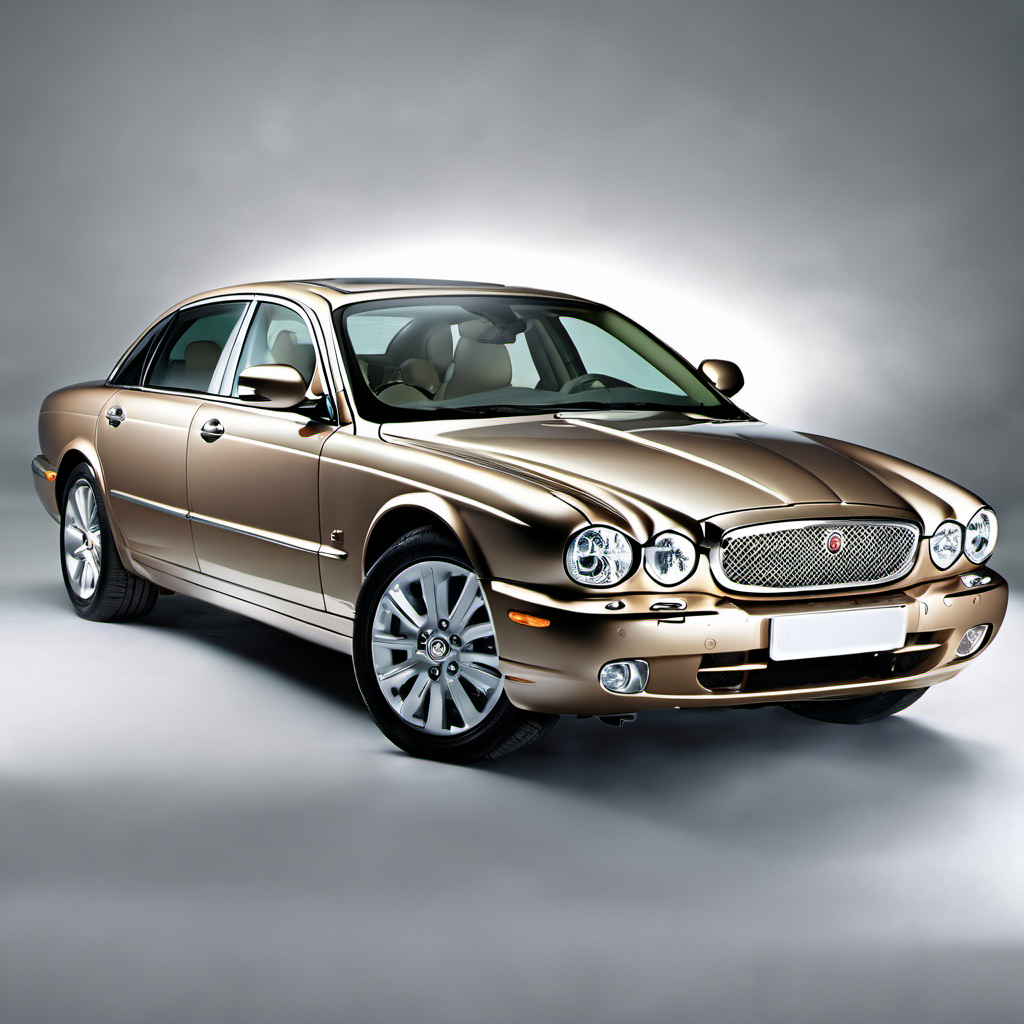
2006 Jaguar XJ Sedan

2006 Jaguar

XJSedan

Sedan

The 2006 Jaguar XJ is the first full model year of the all-aluminum X350 generation — a genuine engineering achievement that shaved hundreds of pounds off the outgoing steel-bodied car. Beneath the classic long-hood, short-deck Jaguar silhouette is a 4.2L V8 that delivers effortless power and a refined, quiet cabin that rivals anything from Germany at the time. At nearly two decades old, these cars have depreciated dramatically, which means you can buy a lot of luxury for relatively little money — but the maintenance and repair bills did not depreciate with the price tag. The aluminum monocoque body is both a strength and a complication. Repairs after even minor collisions require specialized aluminum welding equipment and expertise that most body shops don't have. Electrical gremlins are a well-documented hallmark of this generation, from window regulators to the CATS (Computer Active Technology Suspension) air suspension system. Budget accordingly. Owners who keep up with oil changes on a short interval, address cooling system maintenance proactively, and find an independent shop experienced with Jaguar/Land Rover electronics will be rewarded with one of the most comfortable and capable luxury sedans ever built. Owners who treat it like a Toyota will be rewarded with a very expensive lesson.

Reliability
2/5
Verified data
Specs shown for XJ8 — the most common configuration. Other trims may vary in engine, drivetrain, or fuel economy. Sign in to see your vehicle's exact specs.
Engine
[object Object]
Drivetrain
RWD
Fuel
Premium gasoline
MPG
16 city / 25 hwy / 19 combined
Seats
Doors
Body
Large Cars

Overview

AI-curated

The 2006 Jaguar XJ is the first full model year of the all-aluminum X350 generation — a genuine engineering achievement that shaved hundreds of pounds off the outgoing steel-bodied car. Beneath the classic long-hood, short-deck Jaguar silhouette is a 4.2L V8 that delivers effortless power and a refined, quiet cabin that rivals anything from Germany at the time. At nearly two decades old, these cars have depreciated dramatically, which means you can buy a lot of luxury for relatively little money — but the maintenance and repair bills did not depreciate with the price tag. The aluminum monocoque body is both a strength and a complication. Repairs after even minor collisions require specialized aluminum welding equipment and expertise that most body shops don't have. Electrical gremlins are a well-documented hallmark of this generation, from window regulators to the CATS (Computer Active Technology Suspension) air suspension system. Budget accordingly. Owners who keep up with oil changes on a short interval, address cooling system maintenance proactively, and find an independent shop experienced with Jaguar/Land Rover electronics will be rewarded with one of the most comfortable and capable luxury sedans ever built. Owners who treat it like a Toyota will be rewarded with a very expensive lesson.

Known for
  • Groundbreaking all-aluminum construction — lightest car in its class at launch
  • Supremely refined and quiet cabin with superb long-distance ride comfort
  • 4.2L AJ-V8 with strong, linear power delivery
  • Distinctive Jaguar styling that remained relevant well beyond its production run
  • Optional CATS adaptive air suspension for exceptional ride quality
Best for
  • Enthusiast buyers who want to wrench (or have a trusted shop) and love British luxury
  • Highway commuters and long-distance travelers who prioritize comfort
  • Buyers who can absorb variable repair costs in exchange for a premium driving experience
  • Second-car or weekend use where mileage accumulation is moderate
Watch for
  • Air suspension failures — expensive to repair or replace with coil-over conversion
  • Electrical issues across windows, sunroof, climate control, and body modules
  • Aluminum body repair costs that can total a car from even a moderate collision
  • Deferred maintenance is extremely common on high-depreciation luxury cars at this price point
  • Premium fuel requirement and relatively poor fuel economy add to running costs

Common issues by mileage

6 known

Window Regulator / Motor Failure

high
Typically appears
50–100k mi
Estimated repair
$250 – $600

Cooling System Failure (thermostat, hoses, coolant reservoir)

medium
Typically appears
80–130k mi
Estimated repair
$300 – $900

Oxygen Sensor / Heater Circuit Faults

medium
Typically appears
80–120k mi
Estimated repair
$200 – $600

Maintenance schedule

  1. 1
    Every 5,000 miles or 6 months (do NOT follow the onboard 15k interval on an aging engine) Engine oil and filter change — use correct Jaguar-spec fully synthetic oil

    The AJ-V8's VVT system uses oil pressure to actuate cam phasers. Sludge from extended intervals is a leading cause of P0012/P0015/P0022/P0025 codes and expensive cam phaser or solenoid damage.

  2. 2
    Every 3 years or 45,000 miles Coolant flush and inspection of hoses, reservoir, and thermostat housing

    The plastic coolant reservoir and thermostat housing become brittle with age and heat cycles. A failure at highway speed can cause rapid overheating and serious engine damage.

  3. 3
    Annually Air suspension height sensor and compressor inspection

    Wisconsin winters are hard on air suspension components. Air line fittings crack in the cold, and the compressor works harder when bags are stiff. Catching a slow leak early saves the compressor.

  4. 4
    Every 2 years Brake fluid flush

    Jaguar specifies a 2-year brake fluid interval. Moisture-laden fluid lowers boiling point and accelerates corrosion in the ABS and traction control actuators.

  5. 5
    Every 60,000 miles Spark plug replacement — use OEM-equivalent iridium plugs

    The V8 has 16 plugs (two per cylinder). Access is not terrible but labor adds up. Worn plugs accelerate misfires and stress the ignition coils, which are expensive to replace.

  6. 6
    Every 60,000 miles Transmission fluid change — ZF 6HP26

    ZF marks this transmission 'lifetime fill,' but at 15–20 years old that fluid is overdue. Fresh fluid prevents harsh shifts and extends the valve body life significantly.

  7. 7
    Every spring after winter season Undercarriage wash and inspection for corrosion

    The aluminum structure resists rust, but steel subframe fasteners, brake lines, and suspension components are still vulnerable to Wisconsin road salt. Early detection prevents costly repairs.

  8. 8
    Every 3–4 years, always before winter Battery load test and replace if marginal

    Jaguar's electronics are sensitive to low voltage. A weak battery causes cascading module faults that can be misdiagnosed as expensive electrical failures. A $150 battery can save a $1,000 diagnostic chase.

Always defer to the manufacturer's service manual for warranty-mandated intervals.

Cost of ownership

Annual maintenance
$1,200 – $3,500
Fuel
Premium (91+ octane) required. At 19 MPG combined and ~15,000 miles/year, expect roughly $2,200–$2,600/year in fuel at current Upper Midwest prices.
Insurance
Expect $1,200–$1,800/year for full coverage on a vehicle of this age and value, depending on your driving record and insurer. Comprehensive matters here — aluminum body repair is costly.

On a good year with only scheduled maintenance, you're looking at $1,200–$1,800. On a year where the air suspension, a window regulator, or an electrical module acts up, costs can easily reach $3,000–$5,000+. Budget a repair reserve of at least $1,500/year. The purchase price is low; the running costs are not.

Seasonal care

Lake Geneva, WI
Winter
  • Load-test the battery before first hard freeze — Jaguar modules are extremely sensitive to low voltage and will throw multiple spurious fault codes when a battery is weak.
  • Switch to a full-synthetic 0W-30 or 5W-30 if running a heavier-weight oil; cold cranking on a thick oil stresses the VVT solenoids immediately at startup.
  • Inspect air suspension lines and fittings in fall — rubber and plastic fittings crack in sub-zero temps, and a burst air line will leave you sitting on the bumpstops in a parking lot.
  • Use a quality winter wiper fluid rated to at least -30°F. The XJ's long hood means washer fluid has a long run to the nozzles and will freeze in the lines with weak fluid.
  • Wash the undercarriage every 2–3 weeks during salt season. Focus on brake line routing and the rear subframe mounting points.
  • Keep the fuel tank above half during prolonged cold snaps — it reduces condensation in the fuel system and ensures the fuel pump stays cooled.
Summer
  • Check tire pressure monthly — these cars run low-profile performance tires that lose pressure faster with temperature swings and can hide significant under-inflation.
  • Inspect the A/C system refrigerant charge and cabin filter before peak heat — the XJ's large cabin takes extra effort to cool and a marginally charged system will struggle in July heat.
  • Monitor coolant temperature closely during the first hot summer. A failing thermostat or coolant reservoir crack often reveals itself in high ambient temps.
  • Check and top off power steering fluid — the hydraulic steering rack can develop slow seeps that worsen with heat.
  • Inspect the sunroof drain tubes if equipped — clogged tubes in summer thunderstorm season will route water directly into the cabin and can damage body control modules located under the seats.

Comparable vehicles

2006 Mercedes-Benz
S500

Same full-size luxury sedan segment, same era, similar depreciation curve. More parts availability and broader independent shop support than the XJ, but comparable or higher repair costs.

No catalog match
2006 BMW
745i

Direct competitor at launch. The E65 7 Series shares the XJ's reputation for electrical complexity and steep depreciation. Broader technician familiarity in the Midwest is a slight advantage.

No catalog match
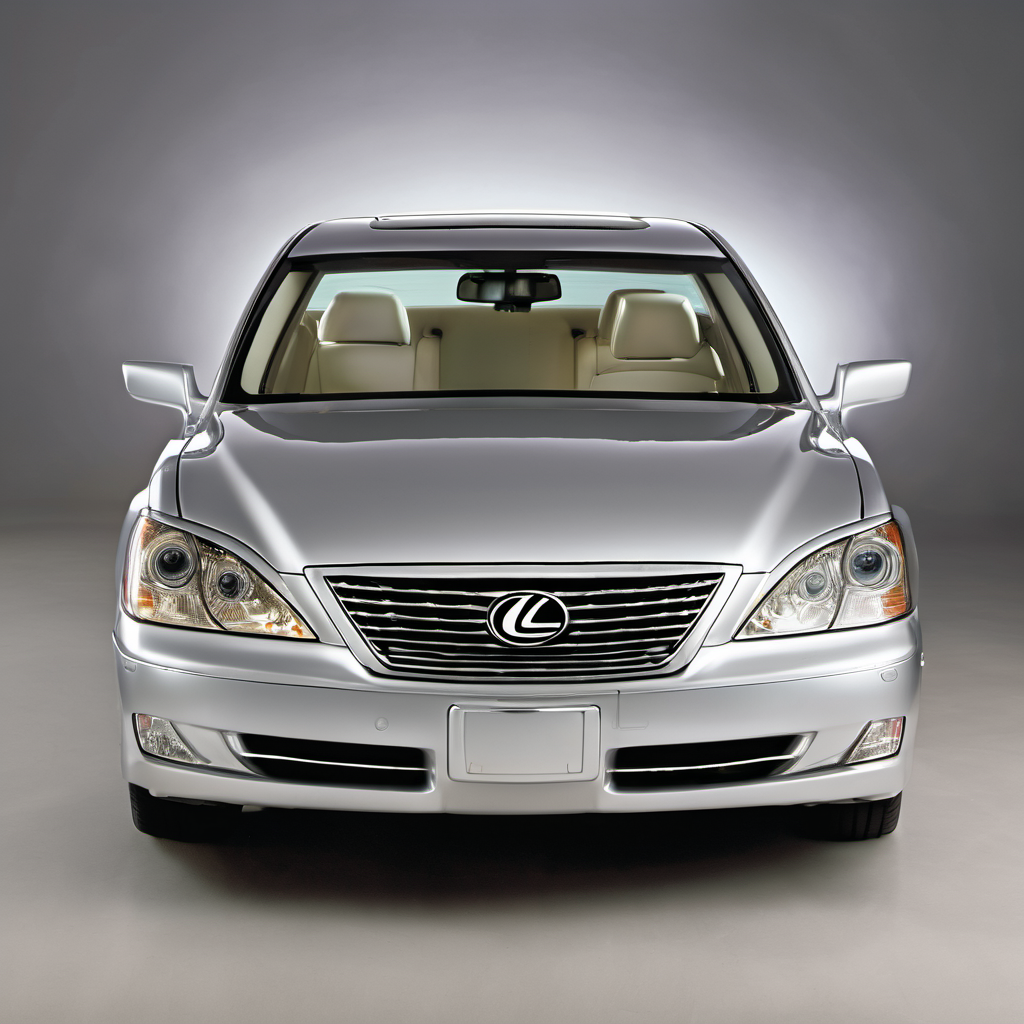
2006 Lexus LS430
2006 Lexus
LS430

If long-term reliability matters more than the Jaguar's unique character, the LS430 is the benchmark. Lower drama, lower repair costs, easier to find a shop for — but less distinctive to drive.
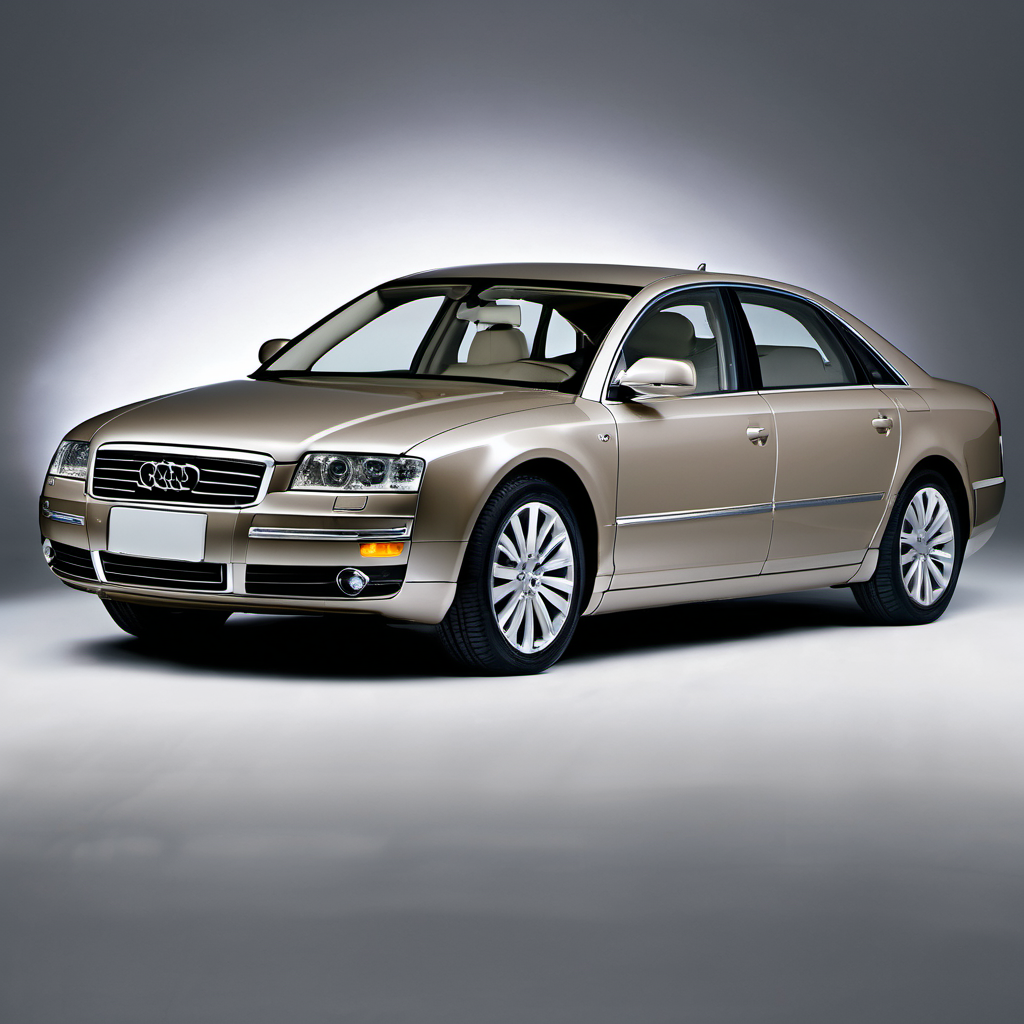
2006 Audi A8
2006 Audi
A8

Also aluminum-bodied full-size luxury sedan from the same era. AWD is a meaningful winter advantage over the XJ's RWD. Shares similarly expensive repair costs and limited independent shop support.

If you're shopping for one

Red flags
  • Car sitting noticeably low on one or more corners — air suspension repair can cost more than the car is worth
  • No service records or only dealer records that stop years ago — deferred maintenance is the norm on cheap luxury cars
  • Any evidence of collision repair, especially on aluminum panels — find another car rather than inherit someone else's expensive problem
  • Multiple warning lights on at once — could indicate a failing body module, low battery voltage history, or a cluster of deferred issues
  • Strong coolant smell inside the cabin or under the hood — the plastic coolant components fail, and overheating on an AJ-V8 is a very expensive outcome
  • Smoke or hesitation on cold startup — could indicate worn piston rings, valve stem seals, or VVT sludge issues
What to inspect
  • Ride height — park it on flat ground and look for one corner sitting lower than the others, a sure sign of an air suspension leak
  • Every power window, sunroof, and mirror fold — operate each one before purchase
  • Oil filler cap and dipstick for mayonnaise-like residue indicating coolant intrusion or sludge buildup
  • All four corners of the aluminum body for rippling, mismatched paint, or filler — aluminum repairs done poorly are difficult to see but easy to feel
  • Service records specifically for oil changes — look for entries at or under 7,500-mile intervals; a big gap is a red flag
  • Scan for live fault codes before purchase, not just cleared codes — pay attention to any U-series (network) codes which indicate deeper electrical issues
AI profile generated 2 hr ago · claude-sonnet-4-6 · v2.