VVT-i camshaft timing actuator failure / oil sludge
high- Typically appears
- 80–150k mi
- Estimated repair
- $300 – $900
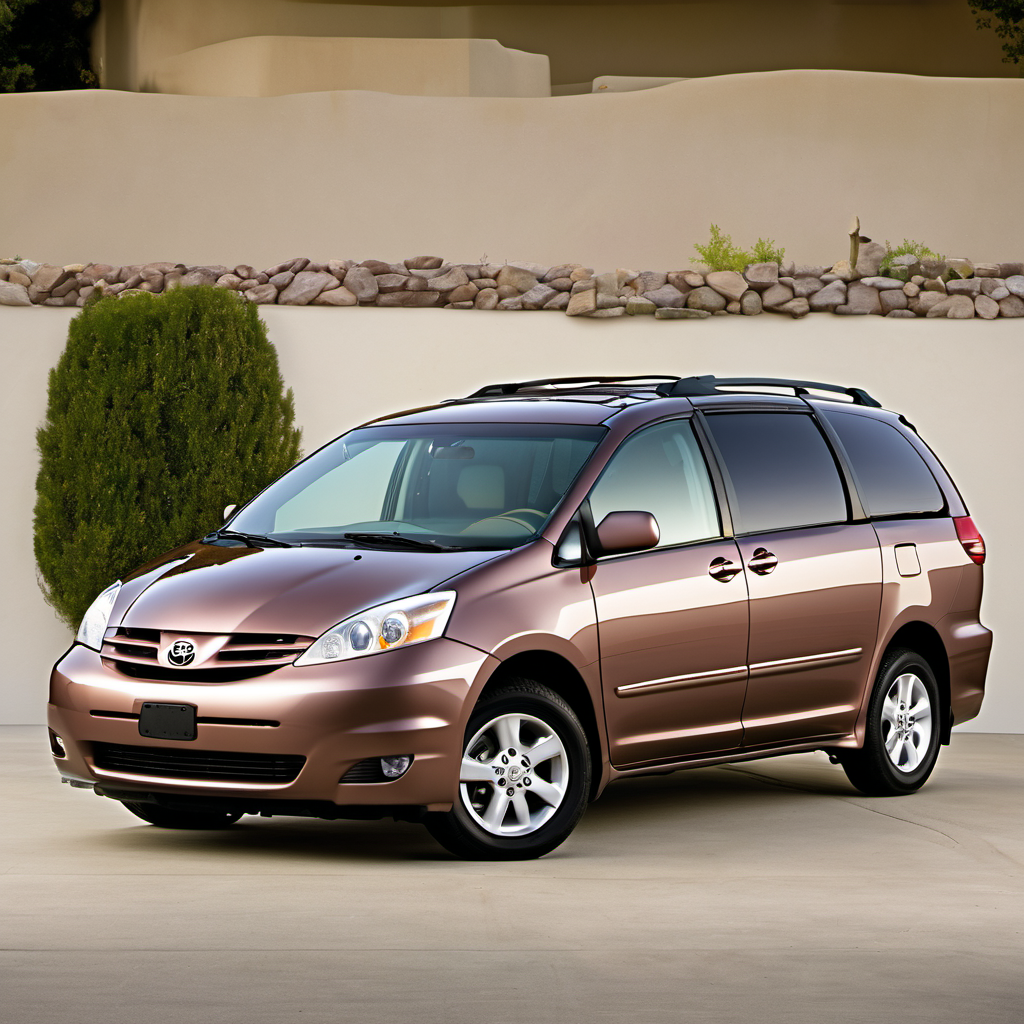
2006 Toyota
3.3L V6 · Van/Minivan
The 2006 Toyota Sienna is a second-generation minivan built on Toyota's K platform, sharing its bones with the Camry and Avalon. It came standard with a 3.3L V6 making 230 hp paired to a 5-speed automatic, with available all-wheel drive — a rarity in the minivan segment and a genuine asset for Wisconsin winters. Seating up to eight passengers, it offered a practical, roomy cabin with available power sliding doors and a fold-flat third row. By 2006, the Sienna had earned a reputation as one of the most reliable family haulers on the market. Toyota's reputation for drivetrain longevity shows clearly here — well-maintained examples routinely reach 200k–250k miles without major mechanical trouble. The 2006 model year sits in the middle of the second-generation run (2004–2010), which is generally considered the sweet spot in terms of reliability and parts availability. At nearly 20 years old now, rust, wear items, and deferred maintenance are the main concerns on used examples — not fundamental mechanical weakness. The AWD system adds a small but meaningful layer of complexity to watch. If the service history is clean, this is still one of the most capable and durable family vans you can buy used.
The 2006 Toyota Sienna is a second-generation minivan built on Toyota's K platform, sharing its bones with the Camry and Avalon. It came standard with a 3.3L V6 making 230 hp paired to a 5-speed automatic, with available all-wheel drive — a rarity in the minivan segment and a genuine asset for Wisconsin winters. Seating up to eight passengers, it offered a practical, roomy cabin with available power sliding doors and a fold-flat third row. By 2006, the Sienna had earned a reputation as one of the most reliable family haulers on the market. Toyota's reputation for drivetrain longevity shows clearly here — well-maintained examples routinely reach 200k–250k miles without major mechanical trouble. The 2006 model year sits in the middle of the second-generation run (2004–2010), which is generally considered the sweet spot in terms of reliability and parts availability. At nearly 20 years old now, rust, wear items, and deferred maintenance are the main concerns on used examples — not fundamental mechanical weakness. The AWD system adds a small but meaningful layer of complexity to watch. If the service history is clean, this is still one of the most capable and durable family vans you can buy used.
The 3MZ-FE V6 with VVT-i is known to sludge if oil is changed on extended intervals. Dirty oil clogs the OCV screens and starves the camshaft actuators. This is the single most important maintenance item on this engine.
Small mesh screens in the OCV passages clog with sludge and cause timing codes. Cleaning or replacing these screens often resolves timing issues without needing full actuator replacement.
Toyota lists this fluid as 'lifetime' but independent shops and owners consistently see smoother shifts and longer transmission life with regular fluid changes. Especially important on a used vehicle with unknown service history.
Fluid degrades and absorbs moisture over time. Neglected fluid leads to premature wear of the rear diff and transfer case — expensive repairs that are easily prevented.
Wisconsin road grime, salt, and ice pack into the door tracks and accelerate motor and cable wear. Keeping tracks clean and lubricated significantly extends door hardware life.
Brake fluid absorbs moisture over time, lowering the boiling point and promoting internal corrosion. Wisconsin's salt environment accelerates corrosion in brake lines and calipers.
Toyota's long-life coolant degrades beyond 100k miles. Degraded coolant causes internal corrosion and can damage the water pump and heater core — a costly repair on this platform.
Lake Geneva roads are heavily salted. Annual inspection of frame rails, rocker panels, brake lines, and fuel lines — with touch-up rust treatment — is the best defense against the structural rust that kills these vans in the upper Midwest.
Always defer to the manufacturer's service manual for warranty-mandated intervals.
The Sienna is an economical vehicle to own once purchased. Routine maintenance is affordable at an independent shop, and parts are widely available. The main cost risk on a high-mileage example is deferred maintenance catching up — particularly VVT-i related repairs and rust remediation. Budget $800–$1,200/year for a well-maintained example; add a contingency fund if the service history is unknown.
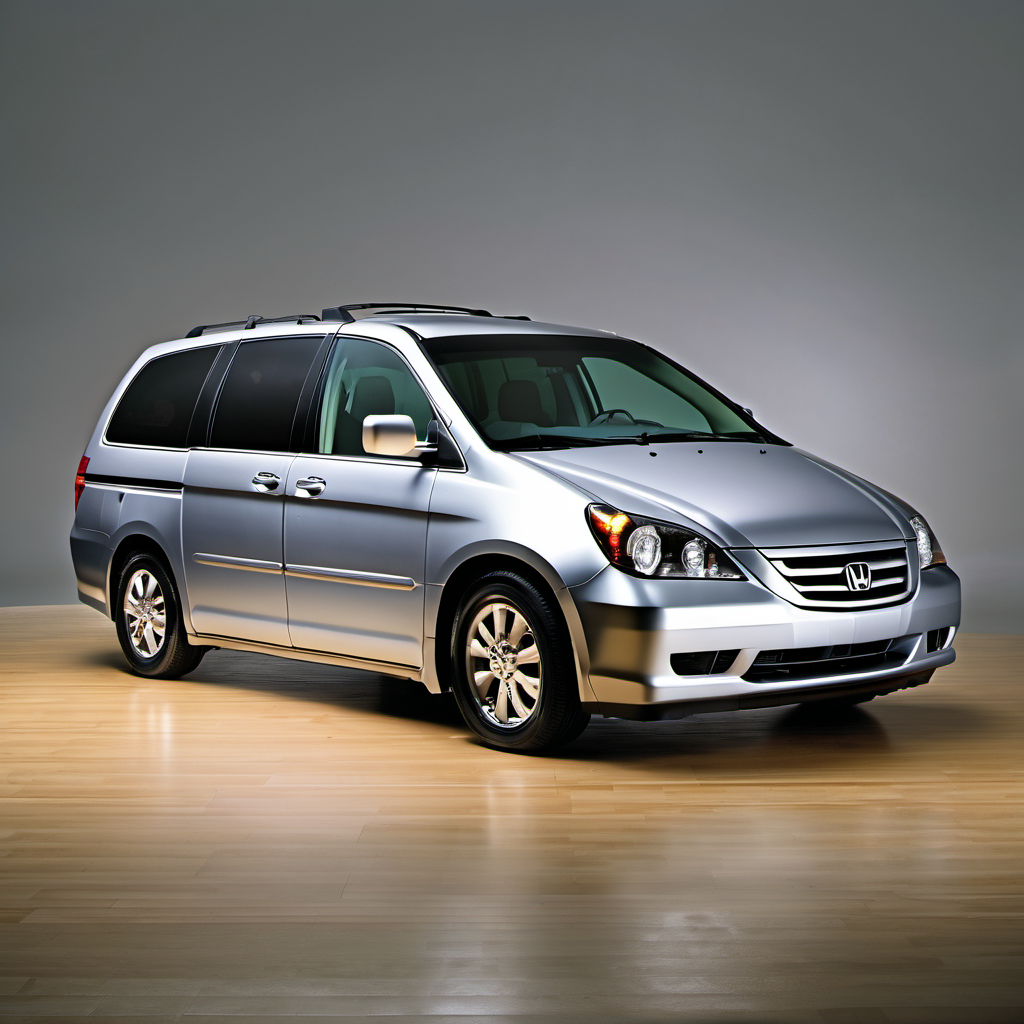
The Odyssey is the Sienna's closest rival — similarly reliable, similarly priced used, and arguably slightly better on fuel economy. FWD only, so no AWD option for Wisconsin winters, but the cabin and reliability record are on par.

More features per dollar used, but significantly lower long-term reliability. Good choice for a short-term budget buy; plan for higher maintenance costs past 100k miles.
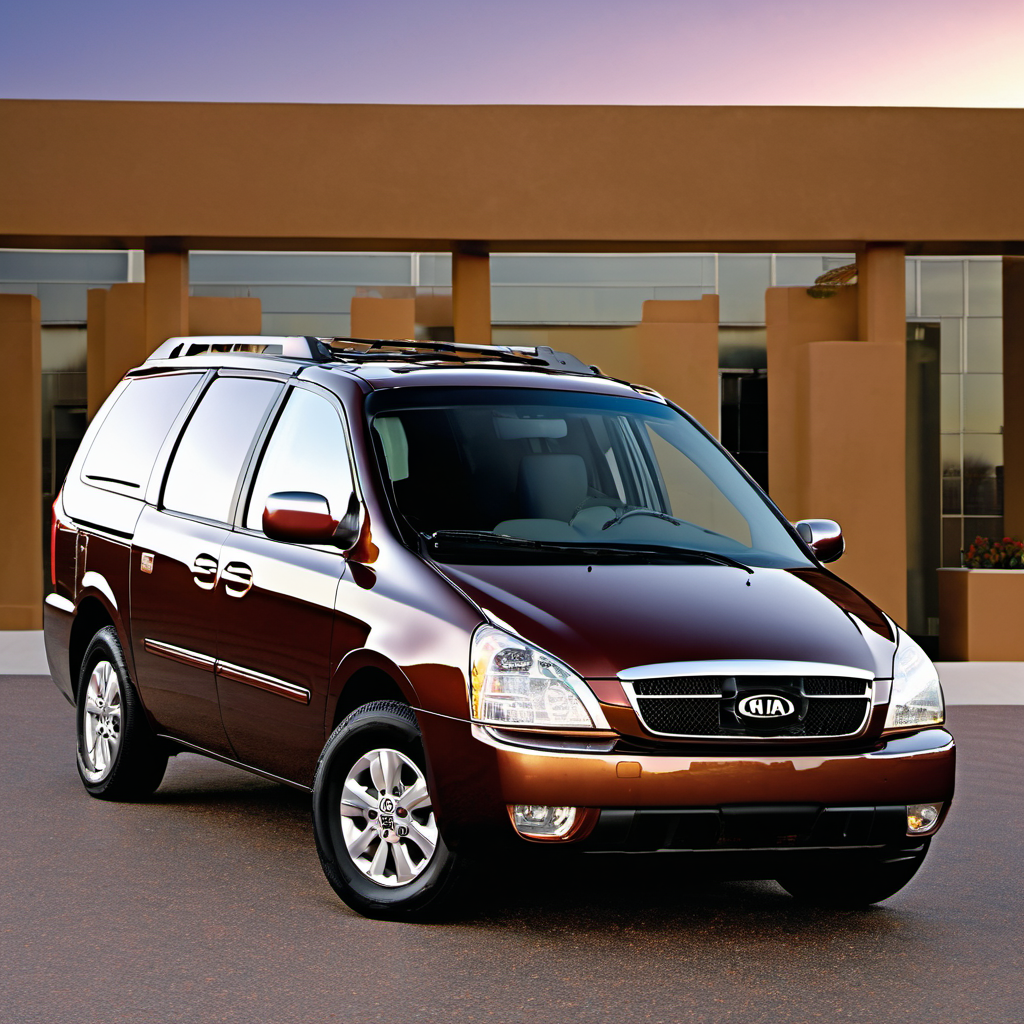
Lower used price point and solid basic reliability for the era, but the Sienna edges it out on refinement, parts availability, and long-term durability.
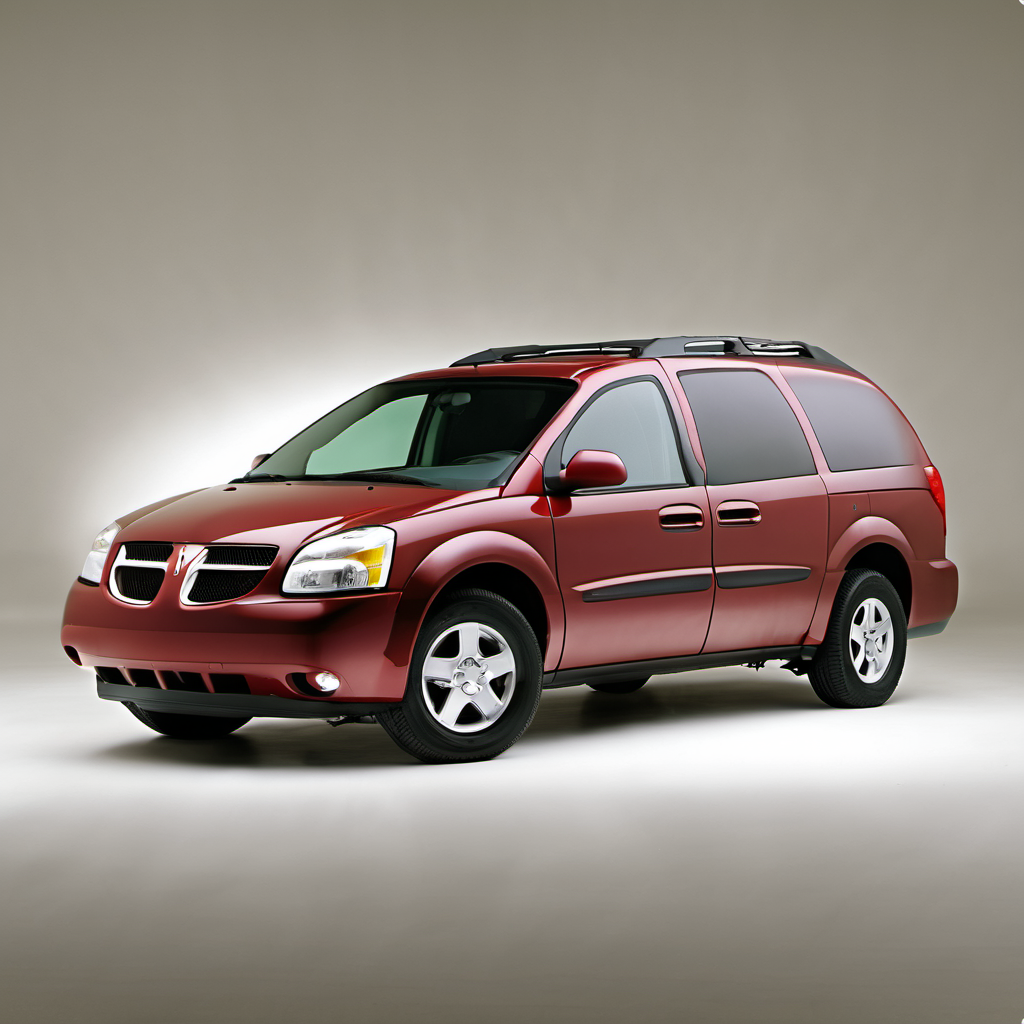
GM's minivan offering of the era. Cheaper to buy used but a more mixed reliability record than the Sienna. Worth considering only at a significant price discount.