VVT-i oil sludge / camshaft timing codes
medium- Typically appears
- 80–150k mi
- Estimated repair
- $300 – $1,200
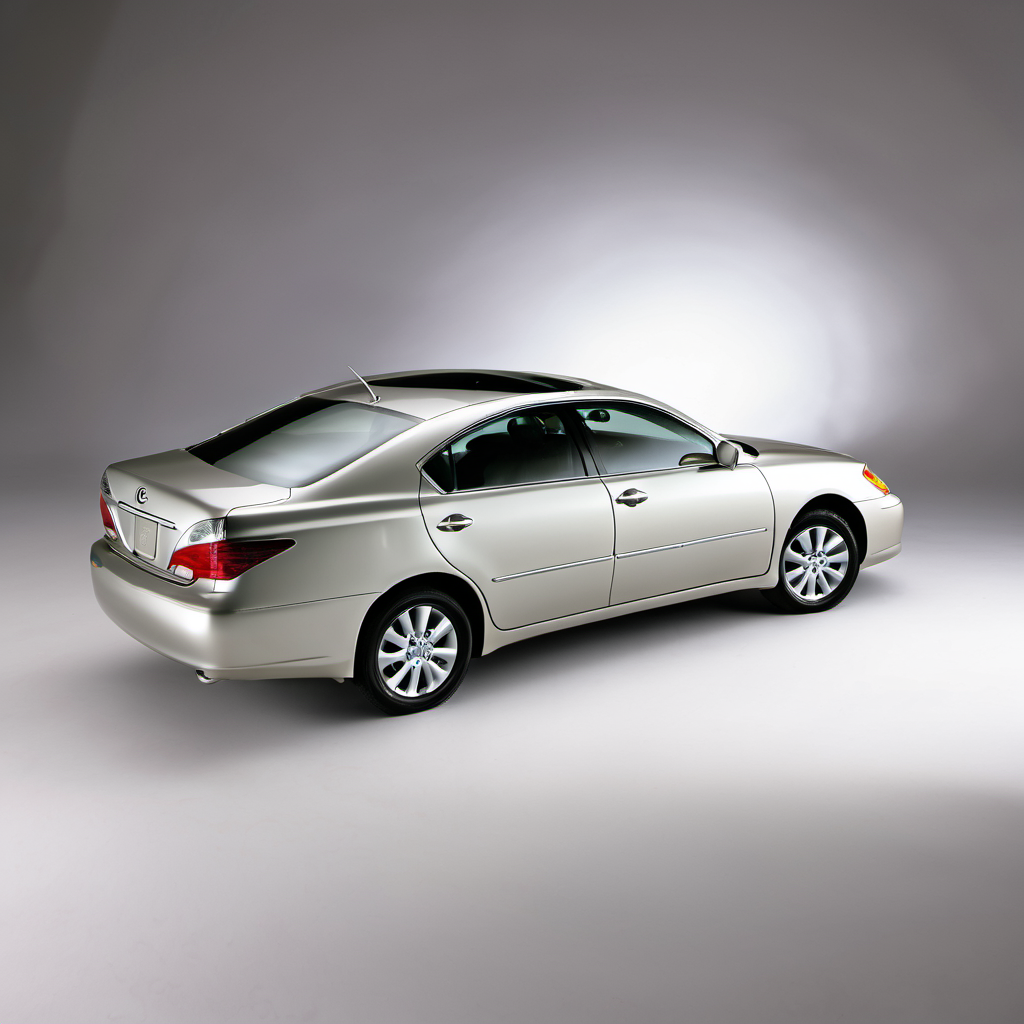
2006 Lexus
Sedan
The 2006 Lexus ES 330 is the fourth-generation ES, a front-wheel-drive luxury sedan built on Toyota's Camry platform but tuned for a quieter, more refined ride. It sits in the entry-level luxury segment and competes with the Acura TL and Infiniti G35. This generation — sold as the ES 330 — carries a silky 3.3L V6 paired with a smooth 5-speed automatic, and was praised at launch for cabin quietness, build quality, and long-term reliability. This ES was the last of the third-gen body style before Lexus moved to the ES 350 in 2007. That makes parts and service straightforward, since much of the drivetrain is shared with the Toyota Camry V6 of the same era. Owners typically find it easy and affordable to maintain at an independent shop. At nearly 20 years old, examples with 100k–180k miles are common. Most have held up well, but age-related issues — rubber seals, oxygen sensors, and valve-timing oil sludge — are the main things to watch on higher-mileage cars.
The 2006 Lexus ES 330 is the fourth-generation ES, a front-wheel-drive luxury sedan built on Toyota's Camry platform but tuned for a quieter, more refined ride. It sits in the entry-level luxury segment and competes with the Acura TL and Infiniti G35. This generation — sold as the ES 330 — carries a silky 3.3L V6 paired with a smooth 5-speed automatic, and was praised at launch for cabin quietness, build quality, and long-term reliability. This ES was the last of the third-gen body style before Lexus moved to the ES 350 in 2007. That makes parts and service straightforward, since much of the drivetrain is shared with the Toyota Camry V6 of the same era. Owners typically find it easy and affordable to maintain at an independent shop. At nearly 20 years old, examples with 100k–180k miles are common. Most have held up well, but age-related issues — rubber seals, oxygen sensors, and valve-timing oil sludge — are the main things to watch on higher-mileage cars.
The 3.3L V6 is sensitive to oil sludge. Short intervals are the single most important thing you can do to protect VVT-i hardware and avoid expensive timing repairs.
Toyota/Lexus calls this fluid 'lifetime' but it darkens with age. On a used car, treat it as a service item — fresh fluid prevents expensive automatic transmission repairs.
Degraded coolant becomes acidic and attacks the water pump seal and aluminum heads. Use Toyota pink long-life coolant (or equivalent).
OEM iridium plugs are spec'd for 60k. Worn plugs on a V6 increase misfires and stress ignition coils. All six are accessible without major teardown on this engine.
Brake fluid absorbs moisture over time, lowering its boiling point. Wisconsin winters see heavy brake use; fresh fluid protects ABS components and calipers.
Steel lines corrode from road salt. Catching a soft spot or pinhole early is a $400 fix; a failed line on the road is a safety emergency.
Restricted cabin filters reduce heater and defroster airflow — a real problem on cold Wisconsin mornings when you need fast windshield clearing.
Cold cranking amps drop significantly below 0°F. A battery that passes a summer load test can still strand you in a January cold snap. Replace proactively before winter if the battery is over 4 years old.
Always defer to the manufacturer's service manual for warranty-mandated intervals.
The ES 330 is one of the most affordable luxury sedans to own long-term. Parts are largely shared with the Camry, so independent shops charge Camry-level labor and parts prices. The main cost risk is deferred maintenance: a sludged engine or corroded brake lines from skipped services can turn a $6,000 car into a $3,000 repair bill. Stay on top of oil changes and underbody inspections and this car is genuinely cheap to keep.
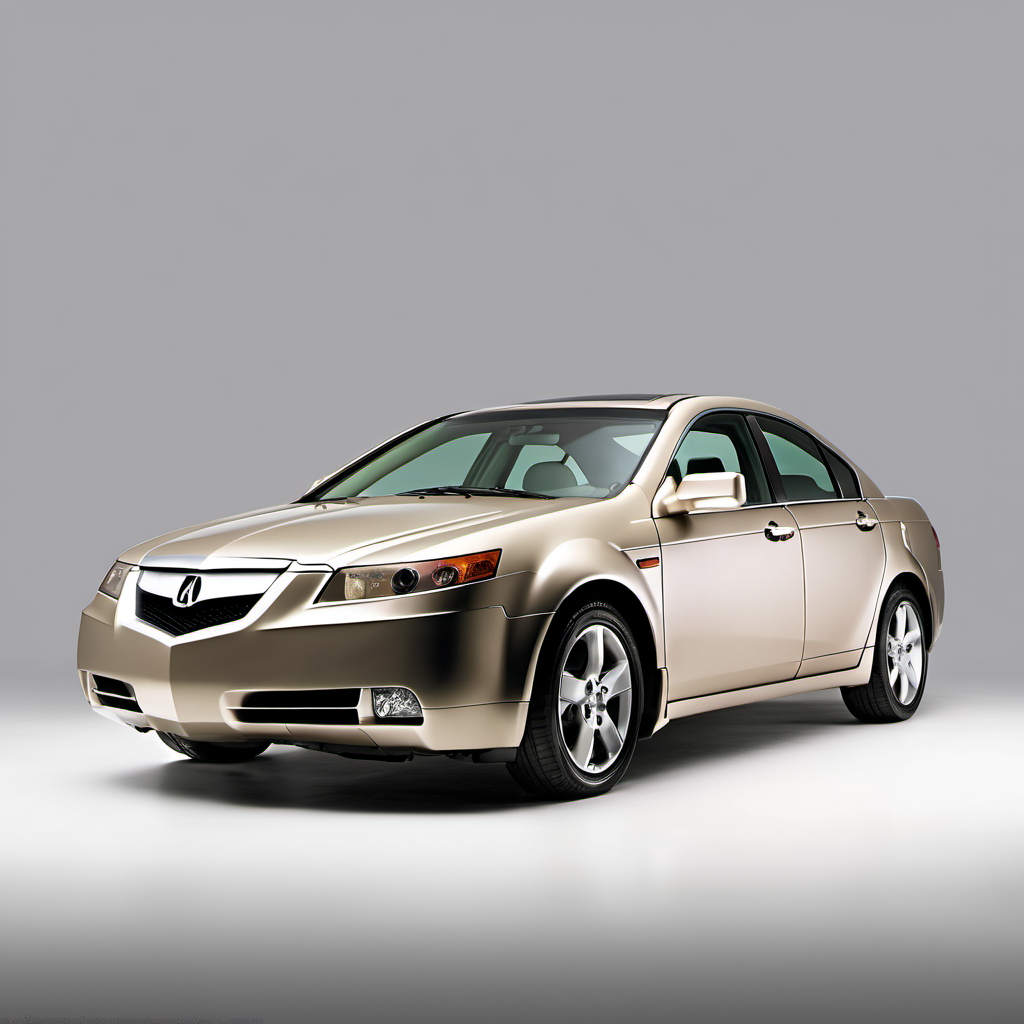
Same price bracket, same FWD luxury-sedan segment, similarly bulletproof Honda V6 drivetrain. The TL is slightly sportier; the ES is quieter and softer.
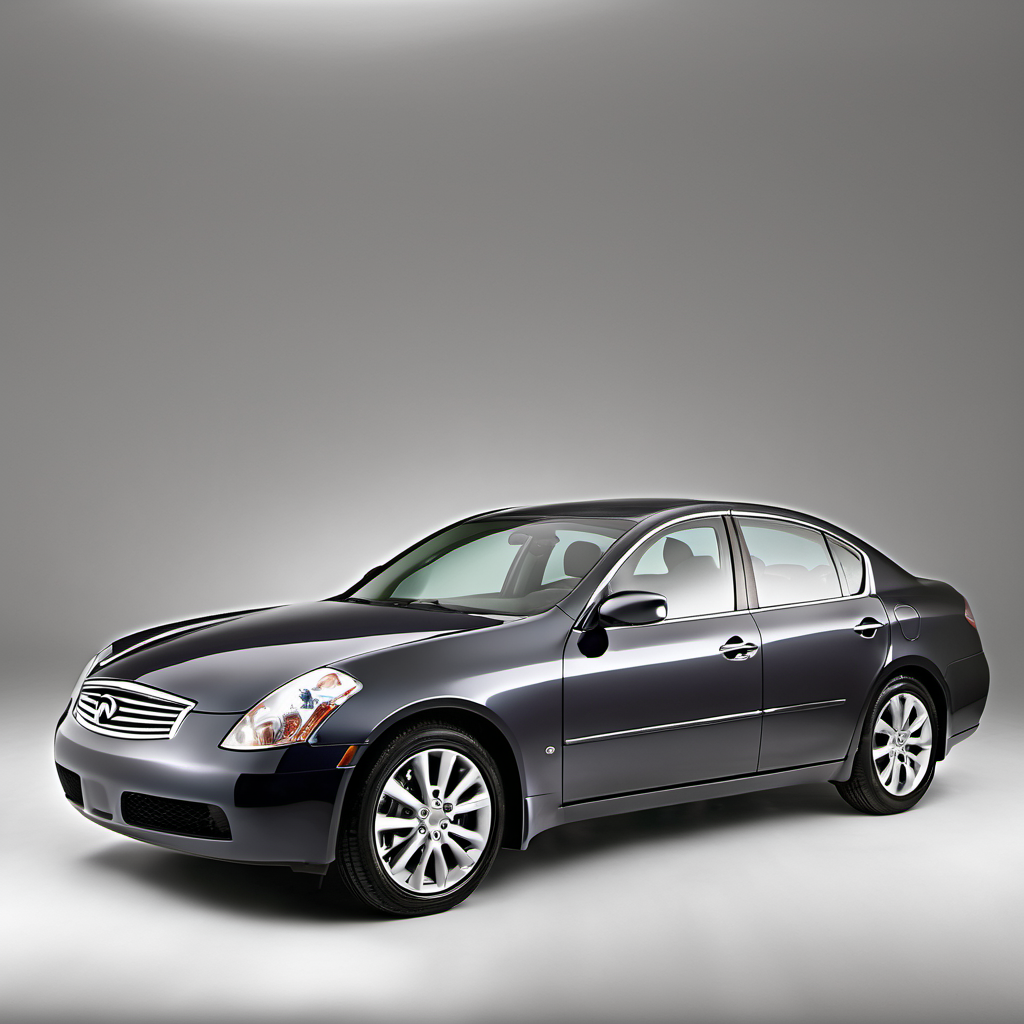
Competes directly in near-luxury sedans of this era. RWD with a more driver-focused character vs. the ES's comfort bias. Higher performance but slightly higher maintenance cost.
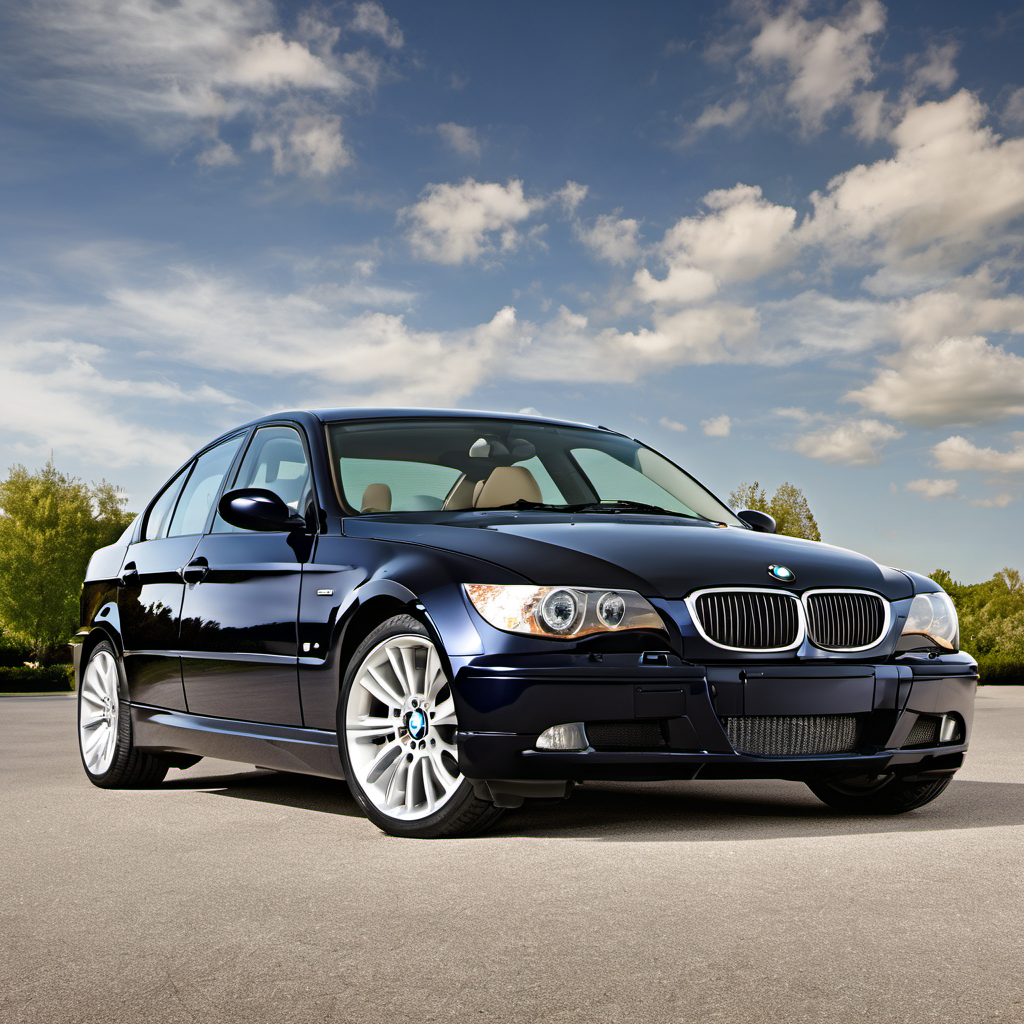
Similar price as used cars today, but significantly higher maintenance and repair costs. Buyers who want comfort and reliability over handling dynamics are better served by the ES.
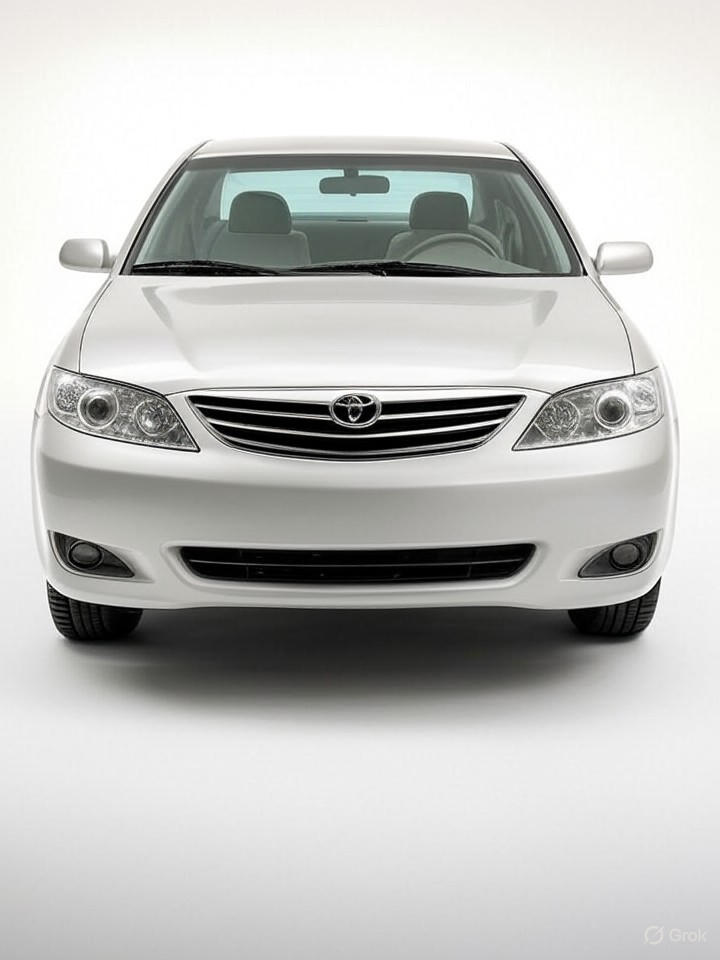
Mechanically nearly identical underneath at a lower price. Lacks the ES's interior refinement and quieter NVH tuning, but parts are fully interchangeable for most drivetrain items.