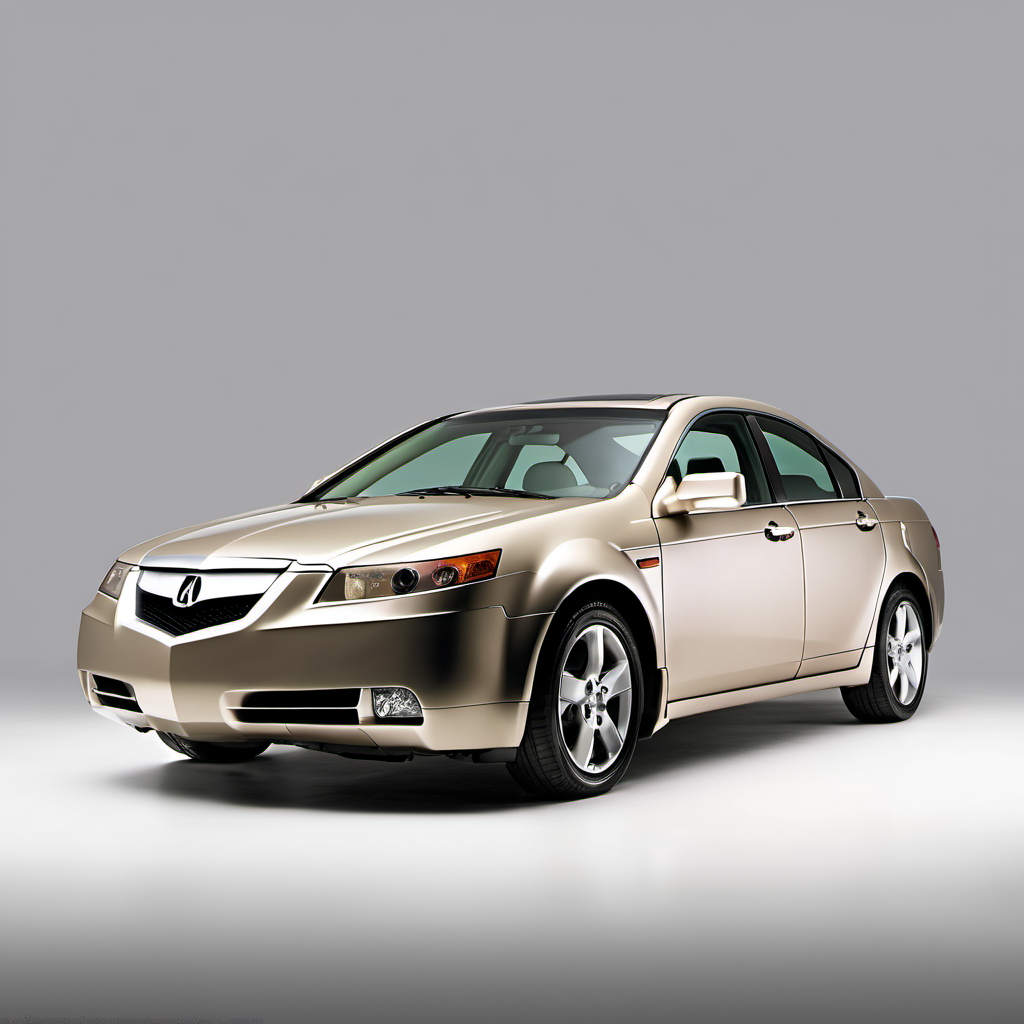
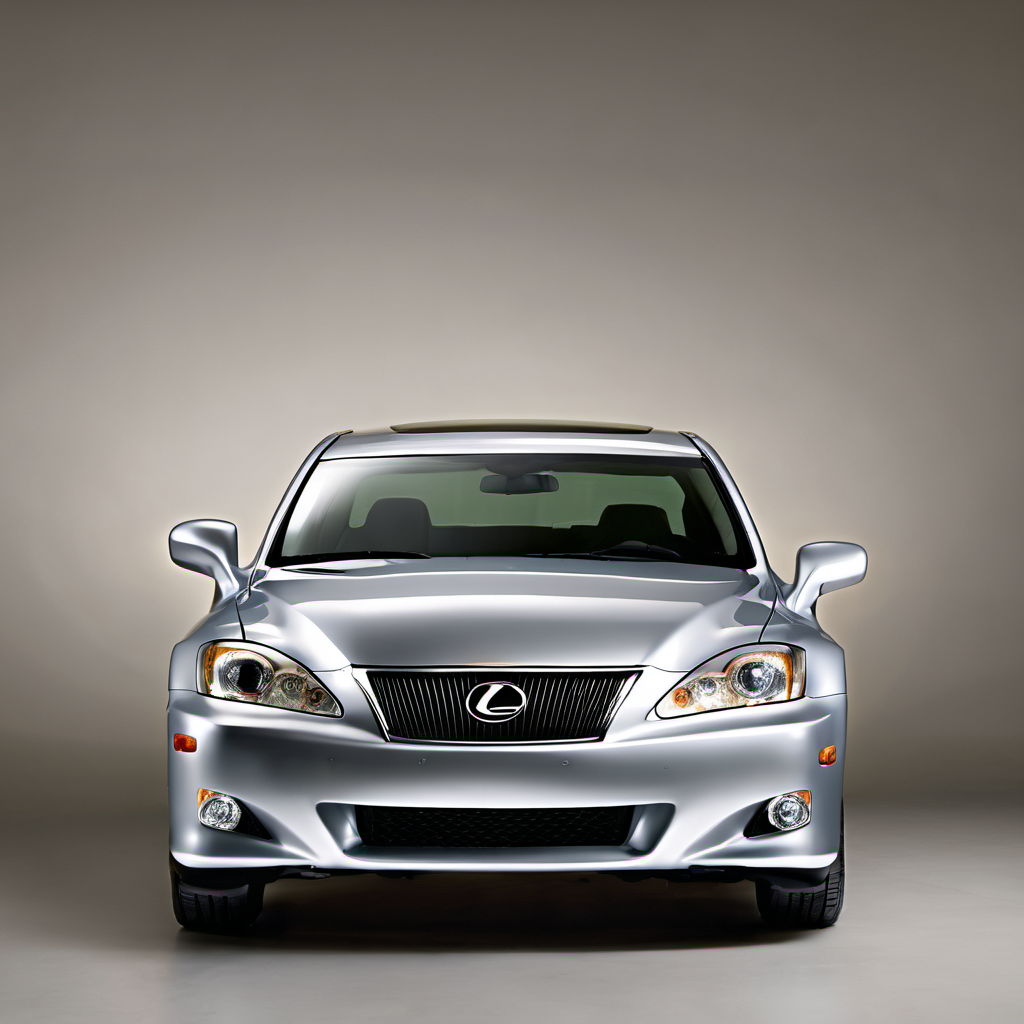
2006 Acura TL Sedan

2006 Acura

TLSedan

Sedan

The 2006 Acura TL is the second model year of the third-generation (UA6) TL, powered by a 3.2L V6 producing 258 hp and mated to a 5-speed automatic. It sits in the near-luxury sport sedan space, offering a compelling combination of Honda reliability, a sporty chassis, and premium features at a price point below European competitors. The TL was the best-selling luxury sedan in the US for several years during this era, and for good reason — it delivers a lot of car for the money. At nearly 20 years old, well-kept examples are still genuinely enjoyable to drive and hold up mechanically when maintained. However, age-related issues — particularly with the 5-speed automatic transmission, suspension bushings, and rubber seals — are now a real concern on any used example. Budget accordingly and inspect carefully. For a Lake Geneva driver, the FWD layout handles winter adequately but is not exceptional in heavy snow. Premium fuel is required, which adds to running costs.

Reliability
4/5
Verified data
Specs shown for TL — the most common configuration. Other trims may vary in engine, drivetrain, or fuel economy. Sign in to see your vehicle's exact specs.
Engine
[object Object]
Drivetrain
FWD
Fuel
Premium gasoline
MPG
18 city / 26 hwy / 21 combined
Seats
Doors
Body
Midsize Cars

Overview

AI-curated

The 2006 Acura TL is the second model year of the third-generation (UA6) TL, powered by a 3.2L V6 producing 258 hp and mated to a 5-speed automatic. It sits in the near-luxury sport sedan space, offering a compelling combination of Honda reliability, a sporty chassis, and premium features at a price point below European competitors. The TL was the best-selling luxury sedan in the US for several years during this era, and for good reason — it delivers a lot of car for the money. At nearly 20 years old, well-kept examples are still genuinely enjoyable to drive and hold up mechanically when maintained. However, age-related issues — particularly with the 5-speed automatic transmission, suspension bushings, and rubber seals — are now a real concern on any used example. Budget accordingly and inspect carefully. For a Lake Geneva driver, the FWD layout handles winter adequately but is not exceptional in heavy snow. Premium fuel is required, which adds to running costs.

Known for
  • Powerful and smooth 3.2L V6 with VTEC
  • Sporty, driver-focused interior with aluminum shift paddles
  • Strong long-term Honda/Acura build quality when well maintained
  • Best-selling luxury sedan in the US during its peak years
  • Aggressive front styling and sport-tuned suspension
Best for
  • Daily commuters who want near-luxury comfort with sport feel
  • Buyers seeking used luxury value at a budget price
  • Drivers comfortable with FWD in light-to-moderate winter conditions
  • Honda/Acura loyalists who know how to maintain the platform
Watch for
  • 5-speed automatic transmission — known failure point on this generation
  • Torque steer under hard acceleration (common with high-output FWD),
  • Premium fuel required — ongoing cost vs. competitors
  • Aging rubber: bushings, motor mounts, and seals on 18+ year-old examples
  • VTC (Variable Timing Control) actuator wear triggering camshaft timing codes

Common issues by mileage

6 known

5-Speed Automatic Transmission Failure

high
Typically appears
80–130k mi
Estimated repair
$2,200 – $4,500

VTC Actuator Wear / Camshaft Timing Over-Retarded

medium
Typically appears
70–150k mi
Estimated repair
$350 – $900

Intake/Exhaust Valve Control Solenoid Failure (VTEC/VTC oil pressure)

medium
Typically appears
80–160k mi
Estimated repair
$150 – $450

Front Suspension Compliance Bushings / Control Arm Wear

high
Typically appears
100–180k mi
Estimated repair
$400 – $1,100

Power Steering Rack Leak or Hose Seep

medium
Typically appears
100–200k mi
Estimated repair
$300 – $900

Oxygen / A/F Sensor Heater Circuit Fault

medium
Typically appears
90–160k mi
Estimated repair
$150 – $400

Maintenance schedule

  1. 1
    Every 30,000 mi — do NOT skip Transmission fluid change (ATF-Z1 or Honda DW-1)

    The 5-speed automatic is the TL's biggest vulnerability. Fresh fluid is the single best preventive measure against early failure. Use only Honda/Acura-spec ATF; incorrect fluid is a common DIY mistake that accelerates wear.

  2. 2
    Every 5,000 mi or sooner in severe conditions Engine oil change — 5W-20 full synthetic

    Clean oil is critical for VTC actuator and VTEC solenoid health. Sludge from extended intervals is a direct cause of the camshaft timing codes (P0012, P0022). Wisconsin winters count as severe duty.

  3. 3
    Every 60,000 mi Spark plug replacement (iridium OEM-spec)

    OEM-spec iridium plugs keep combustion efficiency up. Non-OEM plugs can trigger misfires in this engine.

  4. 4
    Every 2–3 years Brake fluid flush

    Brake fluid absorbs moisture over time, lowering boiling point. Road salt and freeze-thaw cycles in Wisconsin accelerate brake component corrosion.

  5. 5
    Every 5 years or 60,000 mi Coolant flush (Honda-spec blue/Type 2)

    Using non-Honda coolant causes corrosion in the aluminum block and water pump. Stick to Honda-spec long-life formula.

  6. 6
    Every 2 years or at each tire rotation Inspect front control arm bushings and sway bar end links

    Wisconsin road salt and freeze-thaw cycles destroy rubber bushings faster than average. Worn bushings cause vague steering and accelerated tire wear.

  7. 7
    Annually Power steering fluid check and inspection for leaks

    Hydraulic rack seals age on these vehicles. Catching a small seep early is far cheaper than a full rack replacement.

  8. 8
    Every 15,000–20,000 mi Cabin air filter replacement

    A clogged cabin filter reduces A/C and defrost effectiveness — both matter in Wisconsin's temperature extremes.

Always defer to the manufacturer's service manual for warranty-mandated intervals.

Cost of ownership

Annual maintenance
$700 – $1,600
Fuel
Premium (91 octane) required. At 21 mpg combined and ~15,000 mi/year, expect $2,400–$2,900/year at typical upper Midwest premium prices.
Insurance
Typically $900–$1,400/year for full coverage on a vehicle of this age in Wisconsin, depending on driver history and coverage limits.

The TL is a relatively affordable used luxury car to own — if the transmission has been serviced and is healthy. Routine maintenance runs $700–$1,600/year at an independent shop. The big wildcard is the automatic transmission: a failure is a $2,200–$4,500 event. Budget for that possibility on any high-mileage example, and always verify ATF service history before buying.
Seasonal care

Lake Geneva, WI
Winter
  • Verify battery health before first hard freeze — the 3.2L V6 draws significant current at cold start, and most batteries on these cars are now well past their service life.
  • Switch to a full synthetic 5W-20 oil if not already on one — it flows faster at sub-zero temps and reduces startup wear on the VTC actuator.
  • Use -40°F rated washer fluid; the stock reservoir is large but the spray jets can freeze in Wisconsin cold snaps.
  • Inspect and clean undercarriage and wheel wells after each significant salt event — road brine pools in the subframe and control arm pockets and accelerates rust on this platform.
  • Check tire pressure weekly in winter — pressure drops roughly 1 PSI per 10°F of temperature loss, and underinflated tires reduce traction on FWD vehicles in snow.
  • Keep the fuel tank at least half full to prevent fuel line moisture and add weight over the front drive wheels.
Summer
  • Check A/C refrigerant charge and inspect condenser for road debris blockage — the front-mounted condenser on the TL is exposed and fins bend easily.
  • Inspect coolant level and hose condition before summer heat; aging hoses on an 18-year-old car can crack under sustained high-temp operation.
  • Check tire pressure after any heat spike — pressure rises roughly 1 PSI per 10°F, and overinflation reduces the contact patch and increases wear.
  • Inspect brake pad thickness — summer is the right time to confirm you're not heading into fall with worn pads before winter driving demands more stopping power.

Comparable vehicles

If you're shopping for one

Red flags
  • Any transmission service history gap over 40,000 miles — assume deferred maintenance and price accordingly.
  • Check engine light present, especially if P0012, P0022, P0026–P0029 are stored — VTC/VTEC work can cascade into expensive repairs.
  • Visible rust on the subframe, control arms, or brake lines — this is a safety issue and a repair cost multiplier.
  • Sluggish, shuddering, or slipping shifts in the automatic — the transmission is already compromised.
  • Evidence of overheating (milky oil cap residue, white exhaust at operating temp, coolant smell) — walk away.
What to inspect
  • Pull the transmission fluid — fresh pink/red is good, dark brown or burnt smell means the unit has been neglected and failure may be near.
  • Warm the car fully and listen for a rattling or grinding noise from the front of the engine on startup — this is the VTC actuator and it's an early warning sign for P0012/P0022 codes.
  • Test all HVAC modes including defrost — the climate control electronics on this generation can develop intermittent faults.
  • Check under the hood for any oil seepage around the valve covers and around the power steering rack boots.
  • Inspect all four wheel wells and the rear subframe mounting points for rust — salt exposure is a real issue on Wisconsin cars of this age.
  • Road test includes a hard 0–50 mph pull to feel for torque steer and check for any hesitation, shudder, or delayed shifts from the automatic.
AI profile generated 2 hr ago · claude-sonnet-4-6 · v2.