Transmission failure or slipping (4L60-E)
high- Typically appears
- 100–180k mi
- Estimated repair
- $1,800 – $3,500
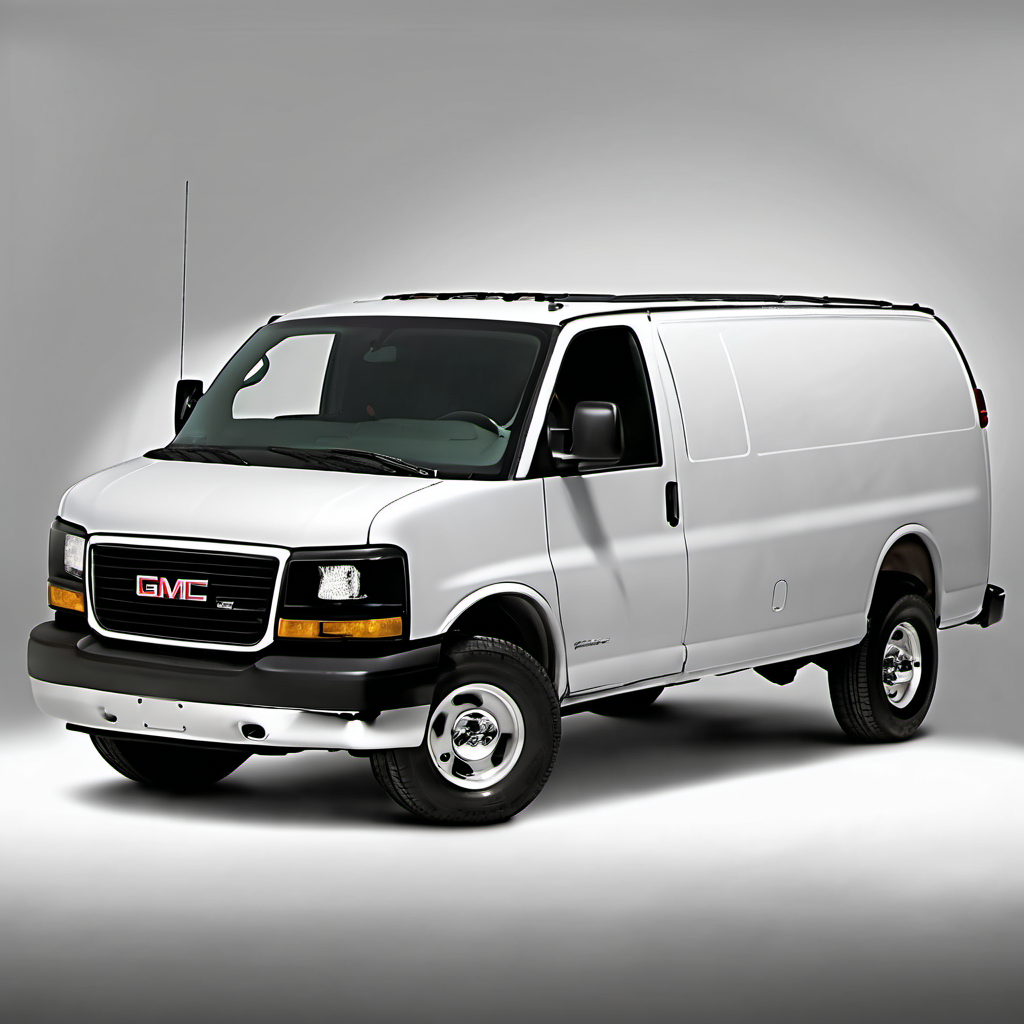
2006 GMC
5.3L Vortec V8 · Van/Minivan
The 2006 GMC Savana 1500 is a full-size cargo van built on GM's long-running G-van platform — a design with roots going back decades but continuously refined through 2006. It shares its bones with the Chevrolet Express 1500, and the two are functionally identical. The Savana 1500 slots in as the half-ton variant, aimed at small businesses, tradespeople, and owner-operators who need a boxy, high-capacity hauler without the complexity of a cutaway or chassis cab. Powered by GM's proven Vortec V8 family, the Savana is known for straightforward mechanicals that most any independent shop can service. Parts availability is excellent and likely to remain so for years. The downside is that it's a big, heavy, rear-wheel-drive van with old-school body-on-frame construction — fuel economy is poor, the ride is truck-like when empty, and rust on the undercarriage is a real concern in salt-belt states like Wisconsin. At nearly 20 years old, most surviving examples have been used hard as work vehicles. Expect wear on everything: brakes, suspension, body seals, and wiring. A clean, well-maintained Savana 1500 can easily reach 250,000+ miles on the original drivetrain with normal upkeep. A neglected one can become a money pit quickly.
The 2006 GMC Savana 1500 is a full-size cargo van built on GM's long-running G-van platform — a design with roots going back decades but continuously refined through 2006. It shares its bones with the Chevrolet Express 1500, and the two are functionally identical. The Savana 1500 slots in as the half-ton variant, aimed at small businesses, tradespeople, and owner-operators who need a boxy, high-capacity hauler without the complexity of a cutaway or chassis cab. Powered by GM's proven Vortec V8 family, the Savana is known for straightforward mechanicals that most any independent shop can service. Parts availability is excellent and likely to remain so for years. The downside is that it's a big, heavy, rear-wheel-drive van with old-school body-on-frame construction — fuel economy is poor, the ride is truck-like when empty, and rust on the undercarriage is a real concern in salt-belt states like Wisconsin. At nearly 20 years old, most surviving examples have been used hard as work vehicles. Expect wear on everything: brakes, suspension, body seals, and wiring. A clean, well-maintained Savana 1500 can easily reach 250,000+ miles on the original drivetrain with normal upkeep. A neglected one can become a money pit quickly.
The 4L60-E is durable but heat-sensitive. Most fleet vans arrive with neglected trans fluid. Dark, burnt-smelling fluid accelerates clutch pack wear dramatically. This is the single most important service on a used Savana.
GM's DEX-COOL has a reputation for turning acidic when air enters the system. On a high-mileage van, degraded coolant accelerates intake manifold gasket failure and water pump wear.
Wisconsin road salt is brutal on this platform. Frame rails, floor pans, and rocker panels are known rust spots. Catching surface rust early and applying undercoating is far cheaper than repair.
Worn plugs on the 5.3L Vortec cause misfires, rough idle, and reduced fuel economy — already low on this van. Plugs are straightforward to access on this engine.
Work vans carry heavy loads repeatedly. Brake wear accelerates with payload use. Inspect the rear axle brakes closely — often neglected on cargo vans.
A marginal battery that starts fine in September will fail at -10°F in January. The Vortec V8 draws significant cranking current in cold weather. Replace any battery over 4 years old proactively.
Cargo vans are often loaded and unloaded with sharp or heavy objects that damage seals. Water intrusion leads to floor rust and electrical issues. Check the rear door and side cargo door seals carefully.
Belt failure on a remote job site is a day-ruiner. At this age and mileage, replace proactively if original. The tensioner pulley bearing is a common failure point on Vortec engines.
Always defer to the manufacturer's service manual for warranty-mandated intervals.
The Savana 1500 is cheap to buy but expensive to feed. Fuel will dwarf maintenance costs in most years. Maintenance stays reasonable as long as transmission fluid, coolant, and brakes are kept up. Budget $1,500–$2,500 more in any year a major repair hits — transmission, fuel pump, or rust remediation can arrive without much warning on high-mileage examples. Overall a cost-effective work van if the acquisition price is low and the body/frame are solid.
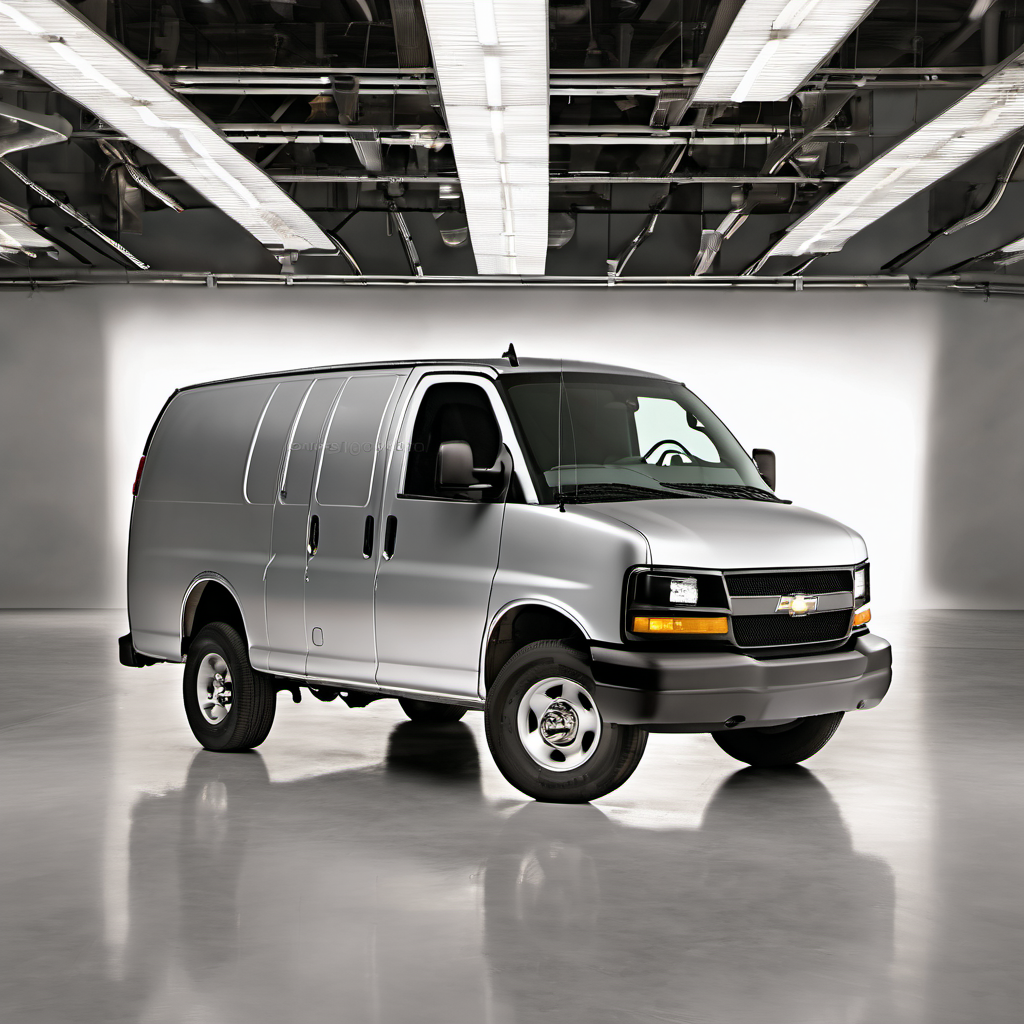
Mechanically identical — same platform, same engines, same transmission. The Express is slightly more common, which means marginally better parts availability and more examples to compare on the used market.
Direct competitor in the half-ton full-size cargo van segment. The E-Series has a larger service network and arguably simpler suspension geometry. Rust concerns are similar in the Midwest.
No catalog match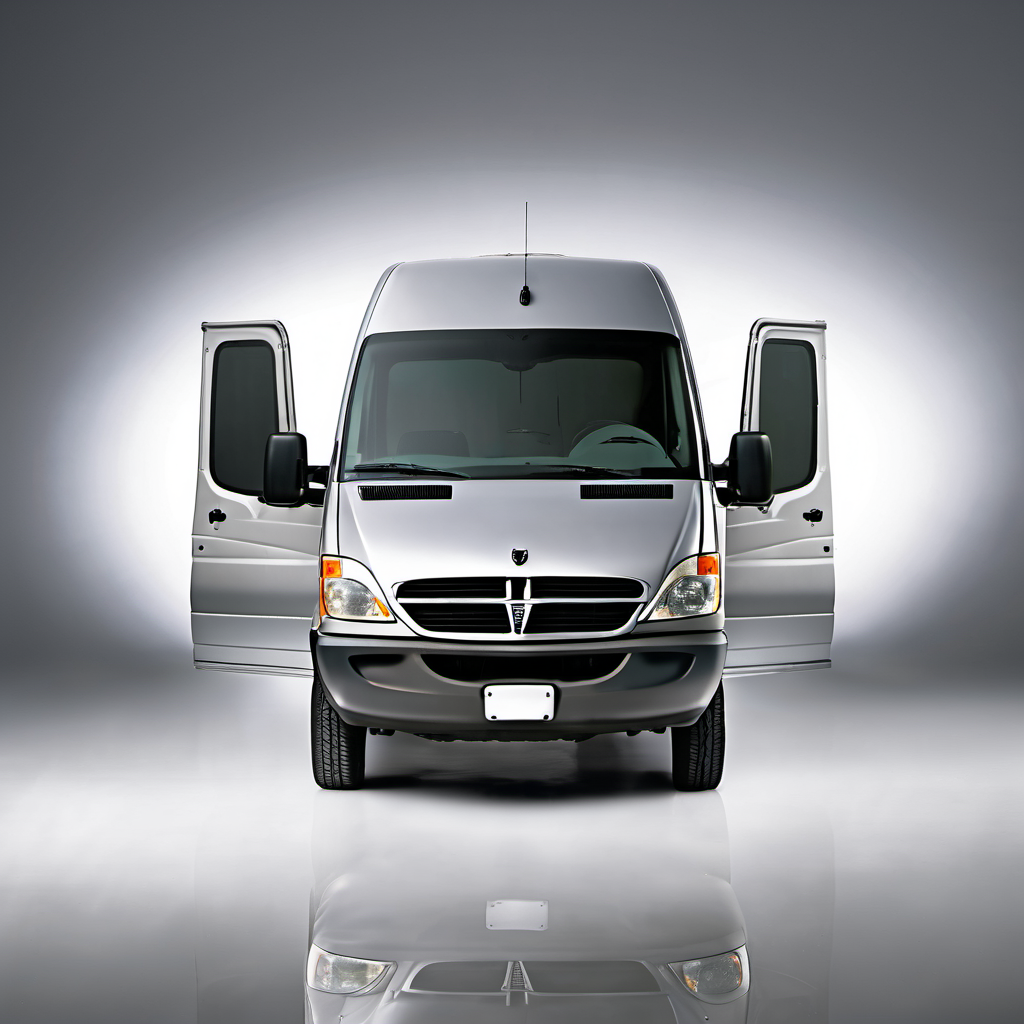
Taller, more efficient diesel alternative for high-mileage commercial use. Better fuel economy and interior height, but significantly higher repair costs and harder to service in rural Wisconsin.
Step up to the three-quarter-ton Ford if payload needs exceed the Savana 1500's GVWR. Similar age and price range on the used market, with stronger payload ratings.
No catalog match