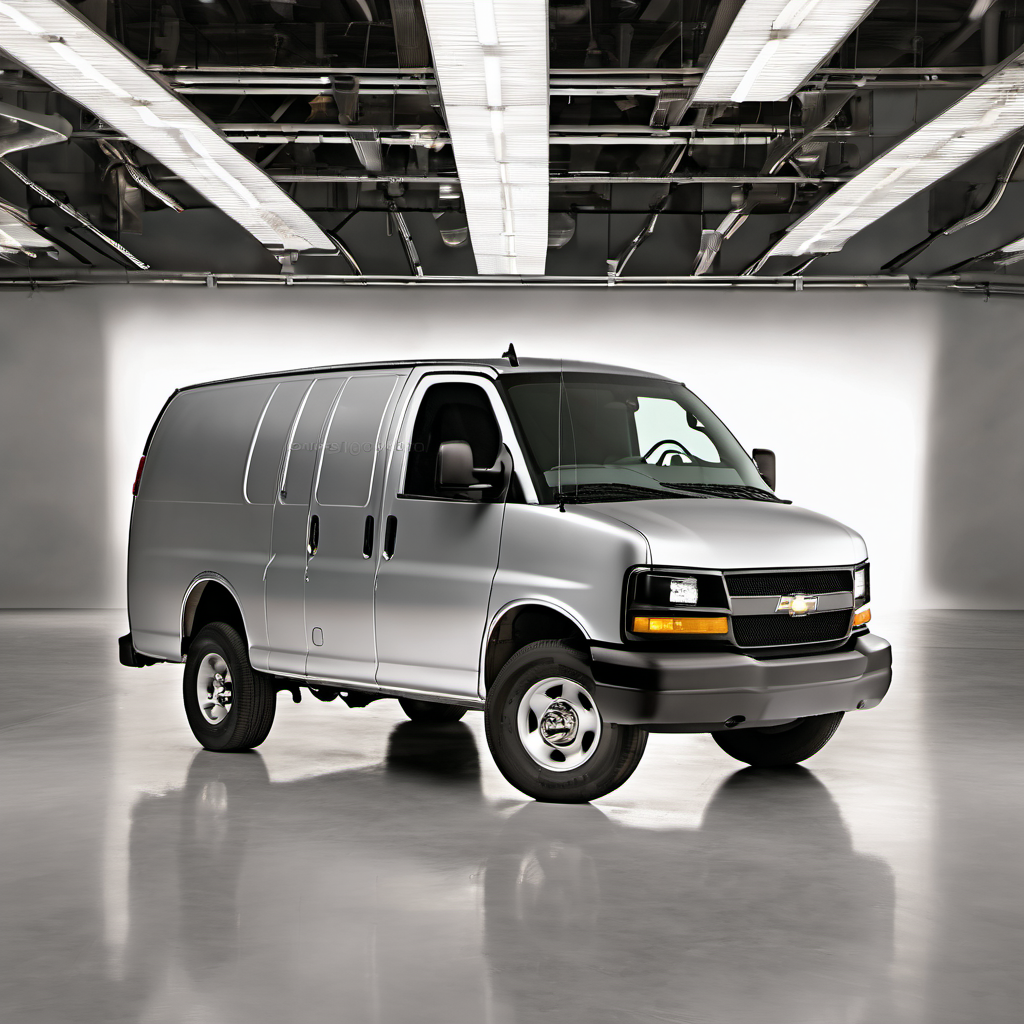
2006 Chevrolet Express 1500 Cargo Van/Minivan

2006 Chevrolet

Express 1500 CargoVan/Minivan

5.3L V8 Vortec · Van/Minivan

The 2006 Chevrolet Express 1500 is a full-size cargo van built on GM's long-running GMT600 platform. It shares its bones with the GMC Savana 1500 and is a workhorse designed almost entirely around cargo capacity and durability over comfort. The 1500 half-ton rating makes it the lightest-duty Express variant, popular with small businesses, tradespeople, shuttle operators, and conversion-van enthusiasts who need the interior volume of a full-size van without the weight penalties of the 2500 or 3500. Power in 2006 typically comes from GM's proven Vortec V8 family — either the 4.3L V6 or the 5.3L V8 — paired with a 4-speed automatic. These engines have a strong track record in fleet service and are well-understood by any shop that works on GM trucks. Parts availability is excellent and affordable. The Express is not a sophisticated vehicle by design; that simplicity is a feature, not a flaw. At nearly 20 years old, examples of this van are almost certainly high-mileage fleet veterans. Rust, brake wear, and deferred maintenance are the real concerns at this age, not engineering complexity. A well-maintained Express 1500 can easily crack 200k miles; a neglected one will nickle-and-dime you quickly.

Reliability
3/5
Verified data
Engine
5.3L V8 Vortec
Drivetrain
RWD
Fuel
Gasoline
MPG
14 city / 18 hwy / 16 combined
Seats
2
Doors
3
Body
Van
MSRP
$25,415

Overview

AI-curated

The 2006 Chevrolet Express 1500 is a full-size cargo van built on GM's long-running GMT600 platform. It shares its bones with the GMC Savana 1500 and is a workhorse designed almost entirely around cargo capacity and durability over comfort. The 1500 half-ton rating makes it the lightest-duty Express variant, popular with small businesses, tradespeople, shuttle operators, and conversion-van enthusiasts who need the interior volume of a full-size van without the weight penalties of the 2500 or 3500. Power in 2006 typically comes from GM's proven Vortec V8 family — either the 4.3L V6 or the 5.3L V8 — paired with a 4-speed automatic. These engines have a strong track record in fleet service and are well-understood by any shop that works on GM trucks. Parts availability is excellent and affordable. The Express is not a sophisticated vehicle by design; that simplicity is a feature, not a flaw. At nearly 20 years old, examples of this van are almost certainly high-mileage fleet veterans. Rust, brake wear, and deferred maintenance are the real concerns at this age, not engineering complexity. A well-maintained Express 1500 can easily crack 200k miles; a neglected one will nickle-and-dime you quickly.

Known for
  • Massive cargo floor — up to 246 cu ft with the right configuration
  • Robust Vortec V8 engines with long service lives
  • Simple, truck-based mechanicals that are cheap to repair
  • Excellent parts availability nationwide
  • Rock-solid towing and payload for a half-ton van
Best for
  • Small business owners needing affordable cargo hauling
  • Tradespeople carrying tools and equipment
  • DIY conversion van builders
  • Buyers prioritizing low cost-per-mile over comfort or tech
Watch for
  • Frame and rocker panel rust — endemic on Wisconsin/salt-belt vans
  • Deferred fleet maintenance (oil changes, brakes, coolant flushes often skipped)
  • Worn rear leaf springs and shackles from heavy cargo use
  • Fuel economy — expect low-to-mid teens MPG in real-world use
  • Outdated safety equipment — no stability control, no modern airbag suite

Common issues by mileage

6 known

Intake Manifold Gasket Leak (4.3L V6)

high
Typically appears
80–150k mi
Estimated repair
$350 – $650

Rear Leaf Spring Sag / Shackle Wear

high
Typically appears
100k+ mi
Estimated repair
$300 – $700

Frame and Floor Pan Rust (Salt Belt)

high
Typically appears
Any mileage, age-dependent
Estimated repair
$500 – $4,000

4L60-E / 4L65-E Transmission Solenoid or Shift Issues

medium
Typically appears
120–200k mi
Estimated repair
$300 – $2,500

EVAP Purge Solenoid and Fuel Vapor System Faults

medium
Typically appears
80–150k mi
Estimated repair
$100 – $400

Maintenance schedule

  1. 1
    Every 5,000 miles or 6 months — use 5W-30 conventional or synthetic Engine oil and filter change

    Vortec V8s are oil-pressure sensitive. Neglected intervals are the #1 cause of premature cam and lifter wear on these engines.

  2. 2
    Every 5 years / 60k miles Coolant flush and thermostat inspection

    GM's Dex-Cool long-life coolant turns acidic when diluted or aged, attacking intake gaskets and water pump seals. This is already overdue on a 2006.

  3. 3
    Every 30k miles under towing or cargo duty Transmission fluid and filter service

    The 4L60-E/4L65-E runs hot under load. Fresh fluid is cheap insurance against solenoid and clutch pack wear.

  4. 4
    Every 12 months or 15k miles Brake inspection (pads, rotors, rear drums/shoes, lines)

    Brake lines and calipers on these vans rust from the inside out in Wisconsin salt conditions. Inspect the hard lines and flexible hoses every year — a rusted brake line failure is dangerous.

  5. 5
    Every 30k miles Fuel filter replacement

    The in-tank filter/strainer and inline filter (if equipped) restrict flow as they clog, causing hard starts and lean conditions at high load.

  6. 6
    Every spring — wash, inspect, and treat bare metal Undercarriage rust inspection and treatment

    Wisconsin road salt works year-round. Frame rust on a van this age can become structural quickly. Catching it early saves thousands.

  7. 7
    Every 60k miles (platinum plugs) or 30k miles (standard) Spark plugs replacement

    A 2006 with unknown service history should get fresh plugs immediately. Misfires on a V8 van under cargo load accelerate catalytic converter damage.

  8. 8
    Every fall before winter Battery load test

    Cold cranking a large V8 in sub-zero Wisconsin temps demands a strong battery. Batteries over 4–5 years old should be replaced proactively.

Always defer to the manufacturer's service manual for warranty-mandated intervals.

Cost of ownership

Annual maintenance
$800 – $2,000
Fuel
At ~16 MPG combined and typical driving, expect $2,500–$3,800/year in fuel costs depending on gas prices and annual mileage. Cargo/highway driving helps; city stop-and-go hurts.
Insurance
Commercial cargo vans typically run $1,200–$2,200/year for a small business owner in Wisconsin, depending on usage type, coverage level, and driver history. Personal-use coverage is lower.

The Express 1500 is an inexpensive van to own mechanically — parts are cheap, labor is straightforward, and most repairs can be done at any GM-capable independent shop. Fuel is the ongoing bite. The real financial risk on a 2006 is deferred rust repair: catching it early is affordable, but a van with compromised floor pans or frame rails can become uneconomical to fix quickly. Budget for a thorough pre-purchase or annual undercarriage inspection.

Seasonal care

Lake Geneva, WI
Winter
  • Test battery load capacity every fall — a cold 5.3L V8 demands strong cold cranking amps; replace any battery older than 4 years before December
  • Switch to 5W-30 full synthetic if not already in use — it flows better at sub-zero Wisconsin temps and reduces dry-start wear
  • Flush washer fluid reservoir and fill with rated -20°F or colder fluid; the large windshield on the Express collects road spray aggressively
  • Inspect and replace wiper blades with winter-rated beam blades before first snowfall
  • Coat brake lines, fuel lines, and exposed frame sections with a rust-inhibiting undercoating or fluid film before salt season
  • Verify the heater core and thermostat are working properly — a van that won't fully warm up in January is a miserable and potentially unsafe work vehicle
Summer
  • Check tire pressure monthly — cargo vans run high loads and summer heat inflates pressure beyond the door placard spec; check cold
  • Inspect the A/C system for proper refrigerant charge and compressor clutch engagement — the Express cabin heats up fast when the van is loaded and sitting in summer sun
  • Check coolant level and condition — heat soak in a parked cargo van accelerates coolant degradation
  • Inspect the serpentine belt and tensioner for cracking or glazing; summer heat accelerates belt wear on the high-load accessory drive of a V8 van

Comparable vehicles

2006 Ford
Econoline E-150 Cargo

Direct competitor in the half-ton full-size cargo van segment. The E-Series is equally bulletproof, with similar V8 options and parts availability. Many shops prefer the Ford's front suspension design for ease of service.

No catalog match
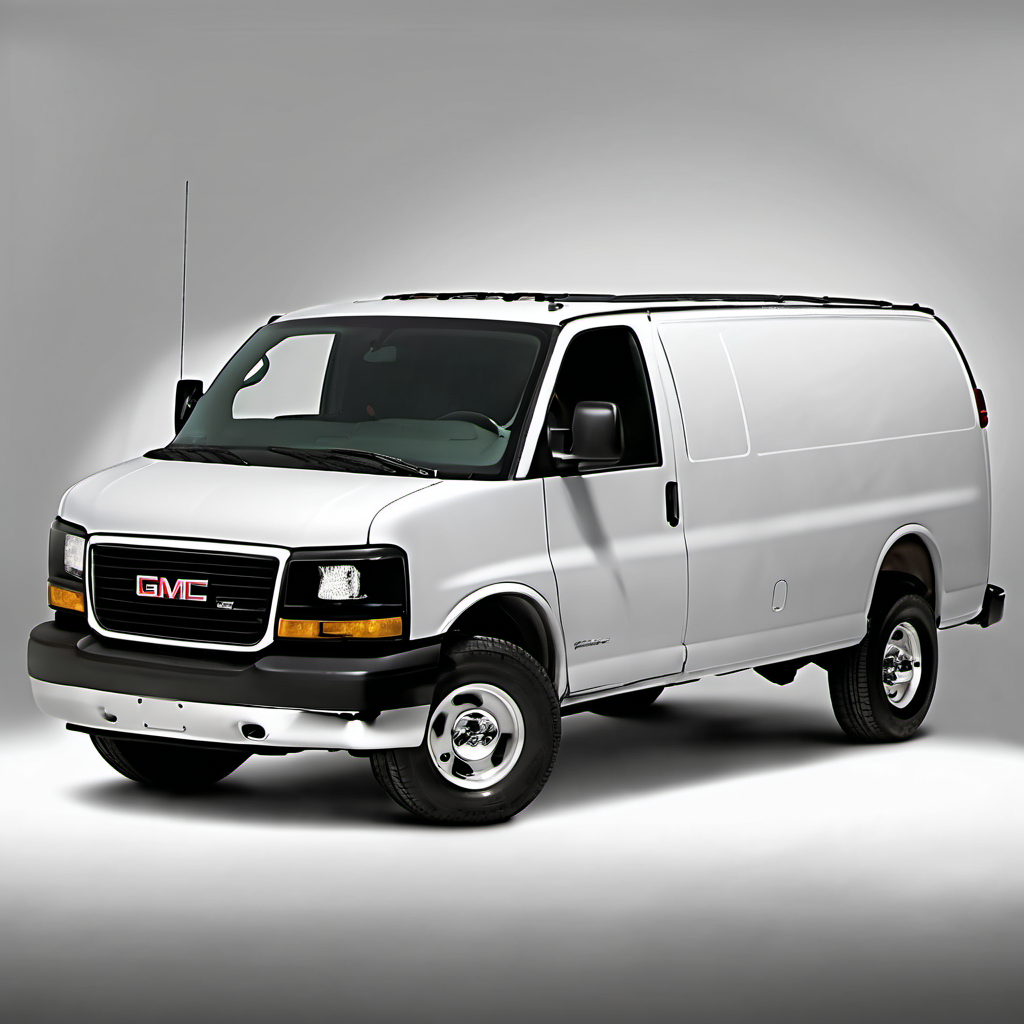
2006 GMC Savana 1500 Cargo
2006 GMC
Savana 1500 Cargo

Badge-engineered twin of the Express — identical platform, same engines, same issues. Only notable difference is trim and badging. Either one is the same buy.

2006 Dodge
Ram Van 1500 Cargo

Dodge's Ram Van was discontinued after 2003, but used examples compete directly with the Express in this era and price range. Less common for parts sourcing but worth comparing on price.

No catalog match
2006 Ford
Econoline E-250 Cargo

One step up in payload capacity — if the buyer regularly hauls at or near the E-150/Express 1500 limit, the 3/4-ton E-250 or Express 2500 is worth the comparison before committing.

No catalog match

If you're shopping for one

Red flags
  • Any soft spots in the floor pan when walking the cargo area — structural rust here is expensive or fatal to the deal
  • Visible frame rust with flaking or pitting at the crossmembers or rear spring hangers
  • Coolant smell inside the van or white steam from the exhaust on a warm engine
  • Transmission that slips, delays engagement from Park, or bangs into gear — rebuild costs can approach or exceed van value
  • Salvage or rebuilt title — fleet vans are frequently involved in backing accidents and collision repairs that are poorly documented
  • No service history at all on a van with 150k+ miles — assume all fluids and wear items are overdue and price accordingly
What to inspect
  • Full undercarriage inspection for frame rust, rocker rot, and brake line corrosion — this is the make-or-break item on a Wisconsin van this age
  • Cargo floor: lift any rubber mats and check for rust-through, especially near the rear doors and wheel wells
  • Engine oil condition at dipstick — milky or sludgy oil indicates coolant ingestion (head gasket or intake) or severe neglect
  • Transmission shift quality: should shift smoothly through all four gears with no slipping, hunting, or clunking under load
  • Check for oil leaks at the valve covers, intake manifold, and rear main seal — common on high-mileage Vortec engines
  • Verify all sliding/cargo door operation — hinges, rollers, and latches wear out and replacements are not cheap on full-size vans
  • Check for codes with a scan tool before purchase — especially any O2 sensor, VVT, or network codes that might indicate bigger issues
AI profile generated 2 hr ago · claude-sonnet-4-6 · v2.