Supercharger belt and tensioner wear
medium- Typically appears
- 20–60k mi
- Estimated repair
- $800 – $2,500
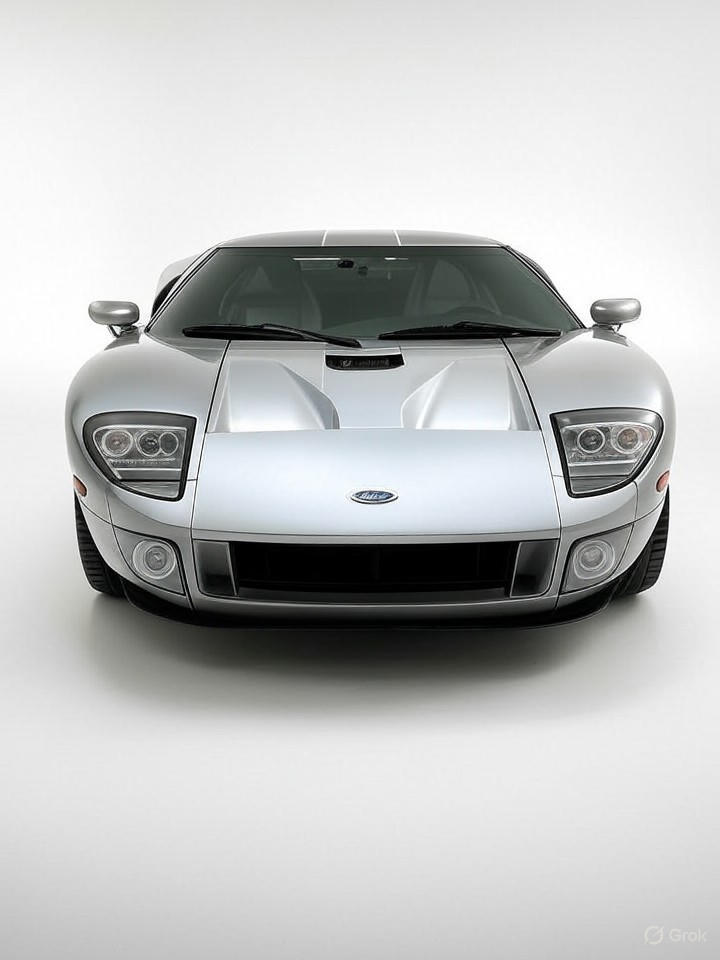
2006 Ford
Coupe
The 2006 Ford GT is a mid-engine, rear-wheel-drive supercar built by Ford to celebrate the 100th anniversary of the company and pay homage to the legendary GT40 that dominated Le Mans in the 1960s. Produced from 2004–2006, only about 4,038 units were made across the entire run, making every example a genuine collector's piece. Ford engineered it in-house with an aluminum spaceframe chassis, clamshell body panels, and a supercharged 5.4L V8 borrowed and heavily upgraded from the Mustang Cobra platform. On the road, the GT delivers 550 horsepower and a 0–60 time in the low 3-second range — numbers that were class-competitive with the Ferrari 360 and Lamborghini Gallardo when new, and still impressive today. The Ricardo-sourced 6-speed manual is the only gearbox offered. Ride quality is firm and the cabin is tight; this is a purpose-built performance machine, not a grand tourer. At this point in history, the 2006 Ford GT is firmly a collector vehicle. Most examples trade hands at well above original MSRP ($149,995 base in 2004), and low-mileage cars can reach $500,000 or more at auction. Owners who actually drive theirs need to accept supercar-level maintenance costs and the reality that specialist parts availability is limited to a small network of Ford Performance shops and dedicated aftermarket suppliers.
The 2006 Ford GT is a mid-engine, rear-wheel-drive supercar built by Ford to celebrate the 100th anniversary of the company and pay homage to the legendary GT40 that dominated Le Mans in the 1960s. Produced from 2004–2006, only about 4,038 units were made across the entire run, making every example a genuine collector's piece. Ford engineered it in-house with an aluminum spaceframe chassis, clamshell body panels, and a supercharged 5.4L V8 borrowed and heavily upgraded from the Mustang Cobra platform. On the road, the GT delivers 550 horsepower and a 0–60 time in the low 3-second range — numbers that were class-competitive with the Ferrari 360 and Lamborghini Gallardo when new, and still impressive today. The Ricardo-sourced 6-speed manual is the only gearbox offered. Ride quality is firm and the cabin is tight; this is a purpose-built performance machine, not a grand tourer. At this point in history, the 2006 Ford GT is firmly a collector vehicle. Most examples trade hands at well above original MSRP ($149,995 base in 2004), and low-mileage cars can reach $500,000 or more at auction. Owners who actually drive theirs need to accept supercar-level maintenance costs and the reality that specialist parts availability is limited to a small network of Ford Performance shops and dedicated aftermarket suppliers.
The supercharged 5.4L runs extremely hot under load. Fresh oil is cheap insurance on a very expensive engine.
Coolant degrades chemically even in storage. The twin-circuit cooling system (engine + intercooler) needs both loops checked. Neglected coolant corrodes aluminum quickly.
At 18+ years old, all rubber is suspect. Hose failure on a 550 hp car can cause fire or catastrophic coolant loss. This is non-negotiable on any stored or low-mileage example.
Belt failure disables the car and can cause secondary damage. Tensioner wear is often the root cause — inspect both together.
DOT 4 absorbs moisture over time. On a high-performance car, degraded fluid causes brake fade at the worst possible moment. Especially important if the car is tracked.
The GT runs staggered high-performance tires that age-crack even with low mileage. Tires over 6 years old should be replaced regardless of tread depth.
Low-mileage collector cars are notorious for dead batteries. A battery tender during storage prevents sulfation and ensures reliable cold starts — critical in Wisconsin winters.
Clutch hydraulic seals harden with age. On a car with this much torque, a failing clutch circuit is a safety issue and leaves you stranded.
Always defer to the manufacturer's service manual for warranty-mandated intervals.
The Ford GT is an expensive car to own properly. Even with low mileage, age-related maintenance (hoses, fluids, tires, battery) is unavoidable and adds up quickly. Parts are not off-the-shelf items — expect to source from Ford Performance specialists, which adds both cost and lead time. Budget on the high end if the car is driven regularly or sees track use. Skimping on maintenance on a car worth $300,000–$500,000+ is a false economy.
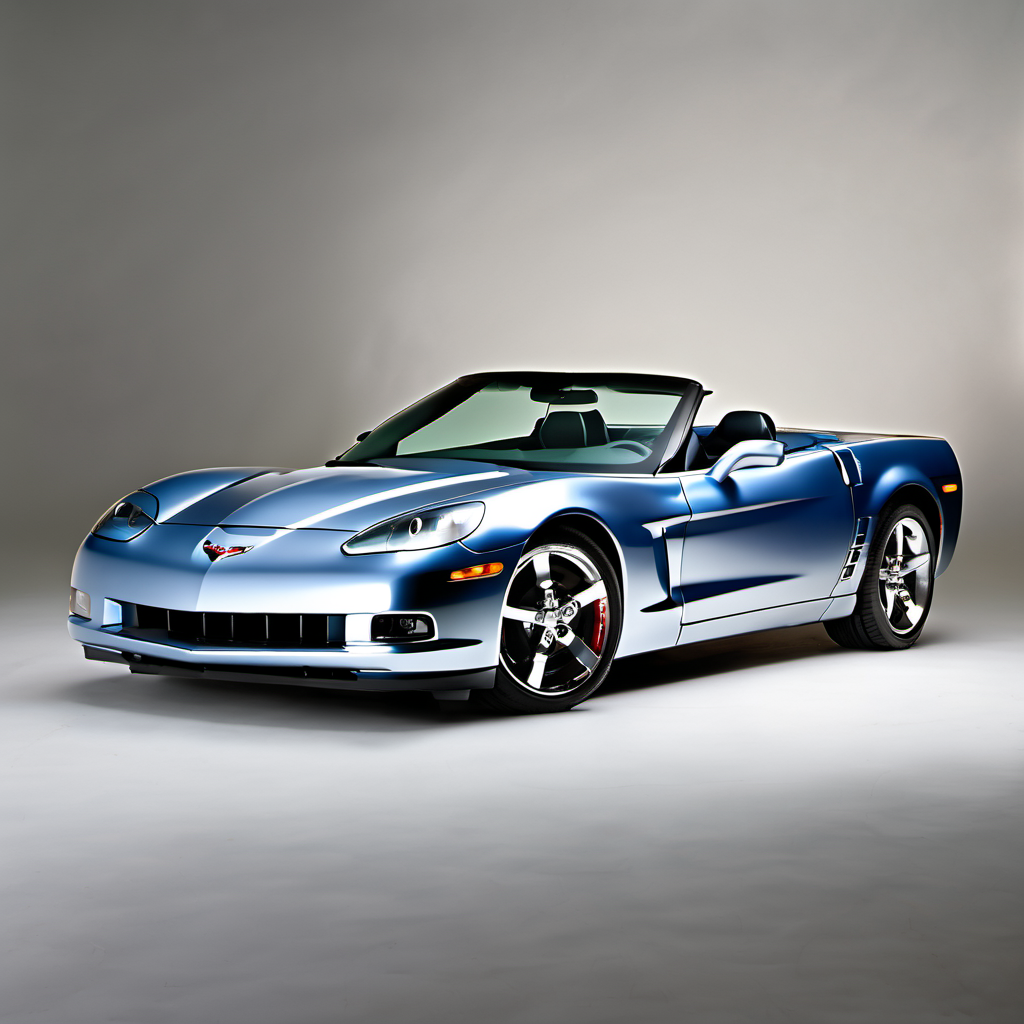
American V8 supercar from the same era, similar performance envelope (505 hp, 0–60 in ~3.7s), fraction of the price but also far more common and easier to service.
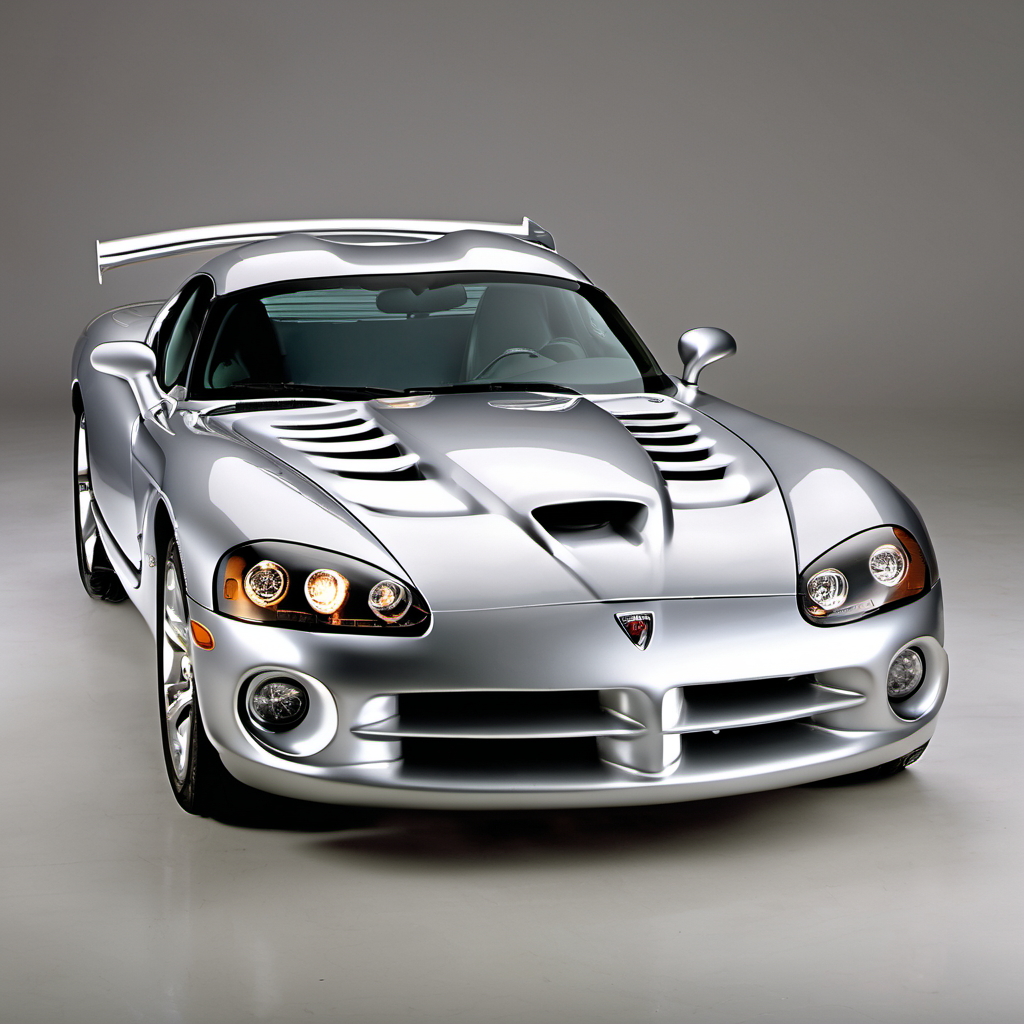
Low-volume American performance icon with a 500+ hp V10, similar raw and unassisted driving character, RWD, comparable collector interest.
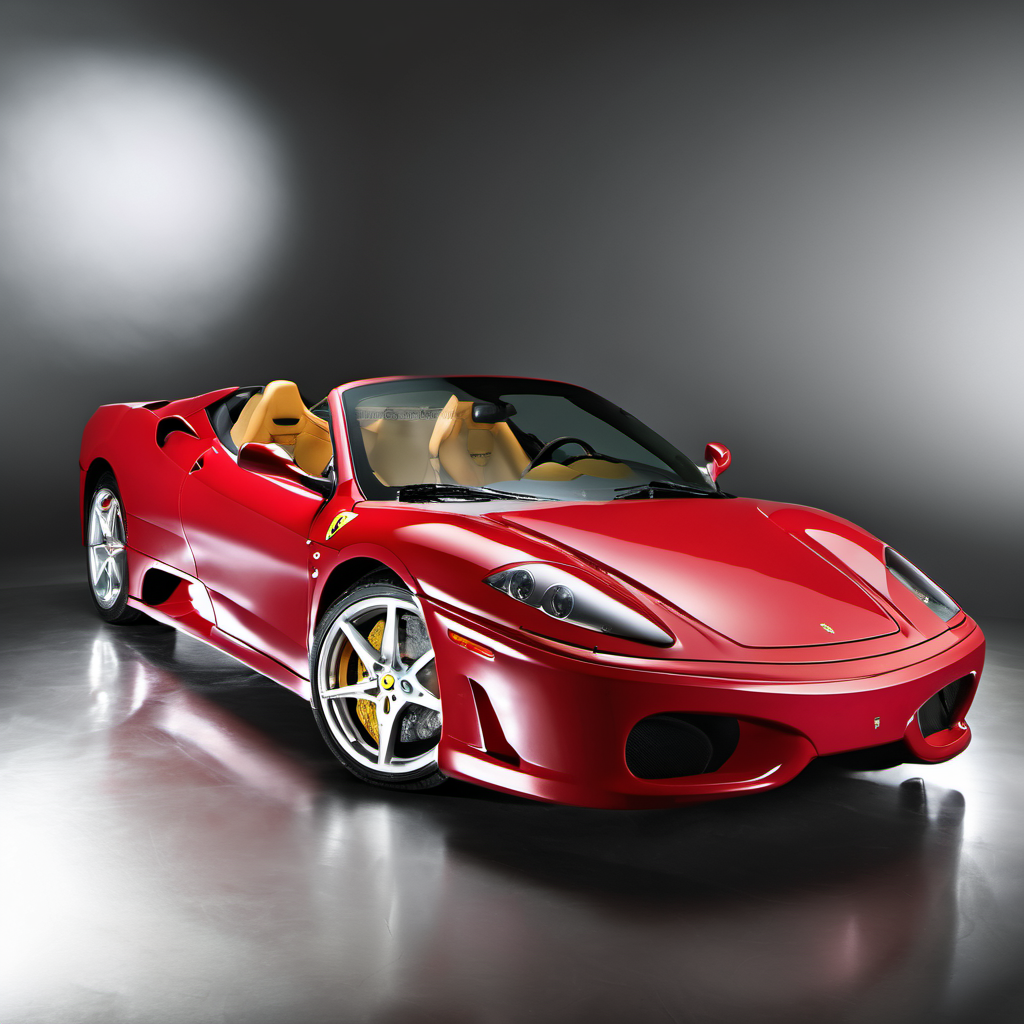
Direct European rival in the same price class when new, mid-engine layout, similar performance; far higher ongoing maintenance costs but arguably more exotic pedigree.

Competed directly with the GT in period, AWD vs. RWD distinction, comparable power output, similarly limited parts availability today, strong collector market.