Extreme Cabin Heat from Side Exhaust
high- Typically appears
- 0–any mi
- Estimated repair
- $200 – $800
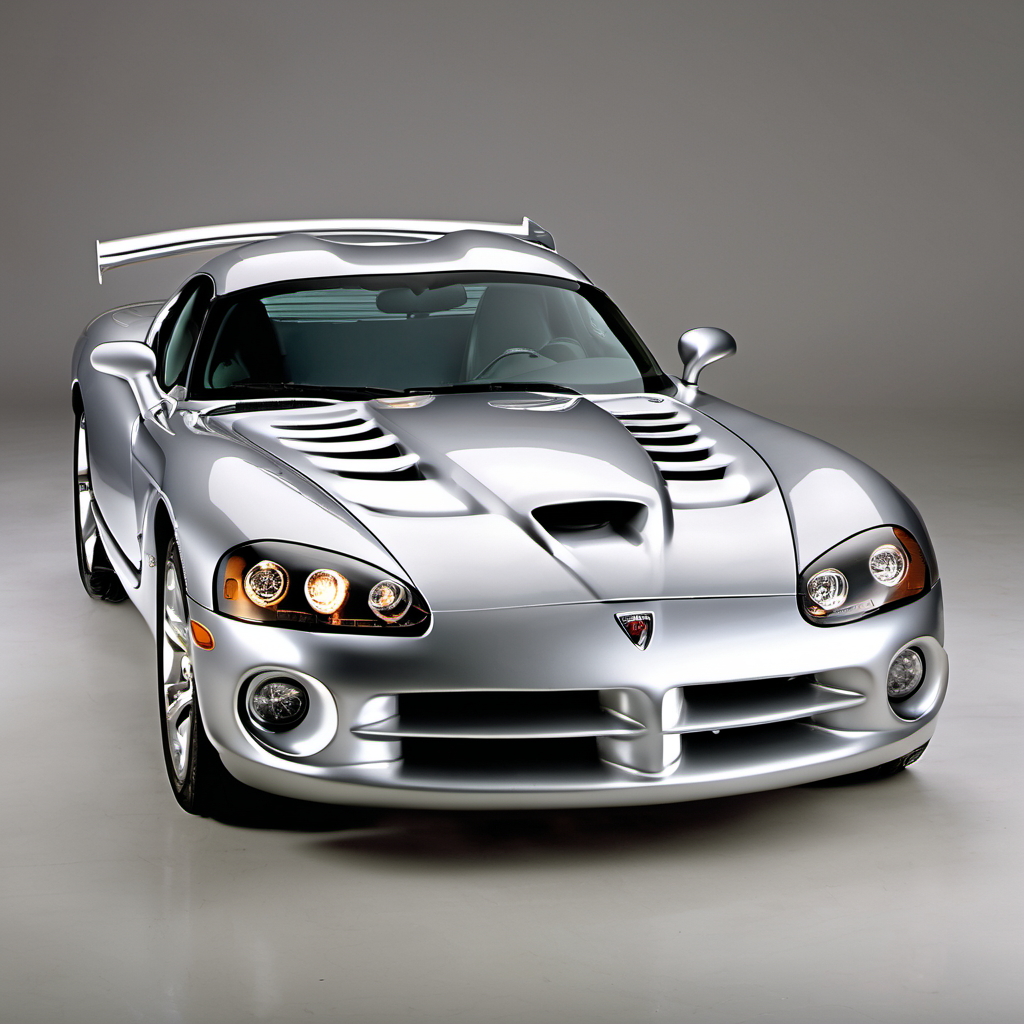
2006 Dodge
Coupe
The 2006 Dodge Viper SRT-10 Coupe is one of the most raw, purpose-built American sports cars ever produced. Powered by an 8.3L V10 making 500 horsepower, it was built to go fast in a straight line and carve corners — not to coddle its driver. This generation (2003–2010) refined the Viper formula with a stiffer chassis, better aerodynamics, and a proper coupe body compared to the earlier roadster-only lineup. The Viper is a low-volume, hand-assembled vehicle. That means fit-and-finish can be inconsistent, parts are expensive, and some maintenance tasks that are routine on a mass-market car become a bigger deal here. It has no traction control or stability control in base form for 2006 — 500 hp through the rear wheels demands full driver attention. This is a weekend/track car for most owners, and it shows in typical mileage and maintenance patterns. If you're buying used, assume it has been driven hard at least some of the time. It rewards careful ownership but punishes neglect quickly.
The 2006 Dodge Viper SRT-10 Coupe is one of the most raw, purpose-built American sports cars ever produced. Powered by an 8.3L V10 making 500 horsepower, it was built to go fast in a straight line and carve corners — not to coddle its driver. This generation (2003–2010) refined the Viper formula with a stiffer chassis, better aerodynamics, and a proper coupe body compared to the earlier roadster-only lineup. The Viper is a low-volume, hand-assembled vehicle. That means fit-and-finish can be inconsistent, parts are expensive, and some maintenance tasks that are routine on a mass-market car become a bigger deal here. It has no traction control or stability control in base form for 2006 — 500 hp through the rear wheels demands full driver attention. This is a weekend/track car for most owners, and it shows in typical mileage and maintenance patterns. If you're buying used, assume it has been driven hard at least some of the time. It rewards careful ownership but punishes neglect quickly.
The V10 generates massive heat. Full synthetic holds up better under sustained high-load conditions. Annual changes are critical even if mileage is low — the Viper often sits for months and oil degrades with time.
The V10 runs hot. Degraded coolant accelerates corrosion in aluminum components. Check hoses and clamps at every oil change — heat cycles stress them heavily.
Track use introduces extreme heat into brake fluid. Moisture absorption lowers the boiling point, leading to brake fade. Even street-only Vipers should follow this interval due to the high thermal loads from the large rotors.
Staggered-width performance tires are non-negotiable safety items on this car. Rear tires wear fast. Pressure swings dramatically with temperature — critical in Wisconsin where ambient temps can vary 80°F between seasons.
The Tremec T-56 6-speed is strong but the clutch takes abuse from the V10's torque. Check fluid condition and clutch pedal feel at each service.
The Viper draws parasitic current and the battery will drain over a Wisconsin winter. Use a quality battery tender whenever the car is stored.
The side-exit exhaust system and its heat shields are structural to the car's thermal management. Loose or cracked heat shields make the already-hot cockpit dangerous and can lead to burns on entry/exit.
The rear diff takes a beating from V10 torque and any spirited driving. Fresh fluid prevents premature wear on an expensive component.
Always defer to the manufacturer's service manual for warranty-mandated intervals.
The Viper is cheap to buy used relative to European exotics but it will cost you in running expenses. Tires alone can run $1,000–$2,000 per set and rear tires don't last long. Parts are expensive and some require specialty sourcing. Budget realistically — deferred maintenance on a V10 sports car becomes very expensive very fast. This is a rewarding car to own if the budget is in place; a stressful one if it isn't.
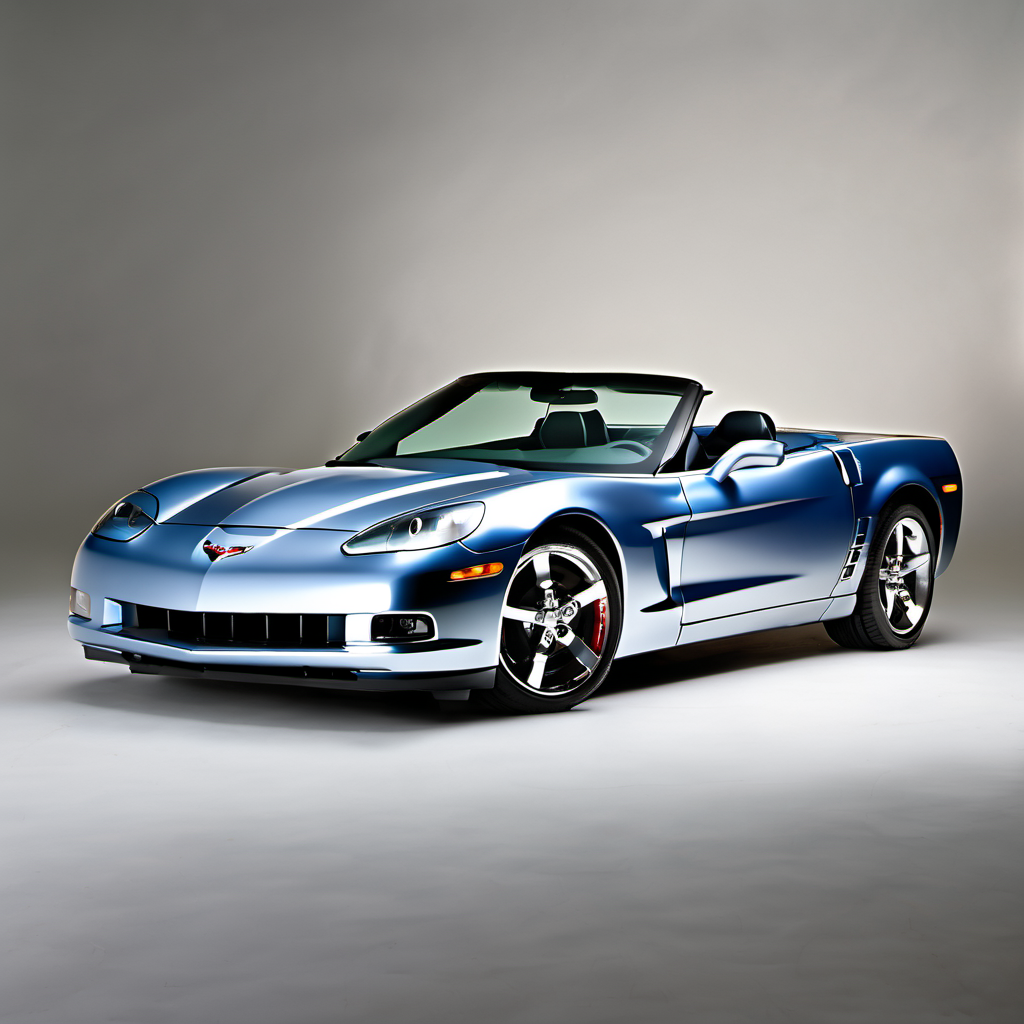
The natural American rival. The C6 Z06 makes 505 hp from a 7.0L V8, is RWD, similarly priced used, and offers a more refined daily-driving experience with better electronics. Less exotic feel but arguably more usable.
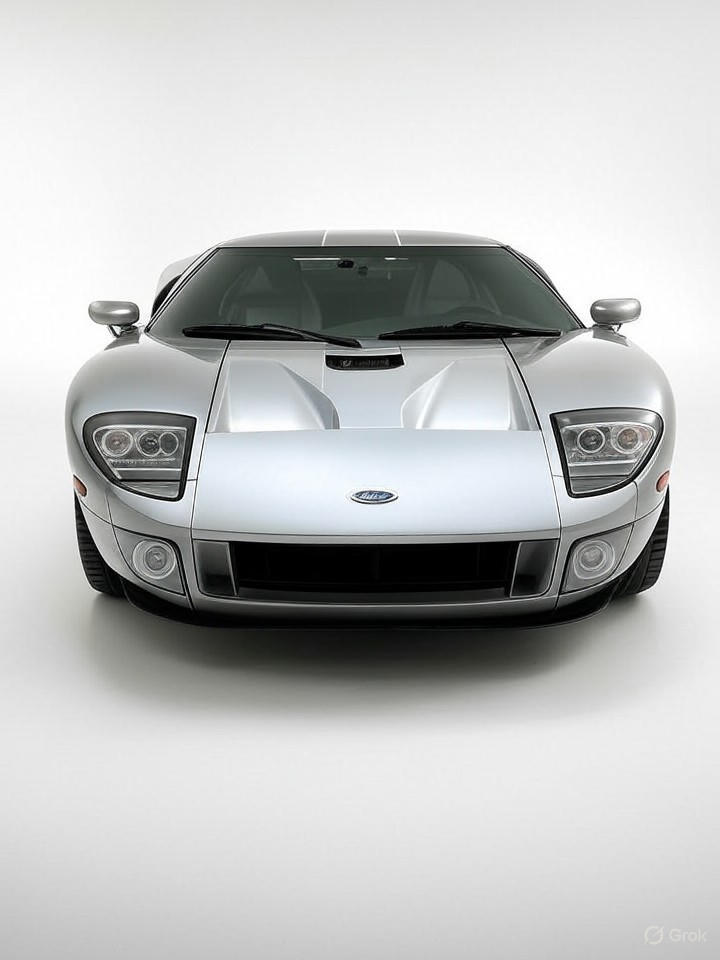
Another American supercar from the same era with a mid-engine supercharged V8. More refined cabin, better resale, but significantly more expensive and even lower production. Comparable performance envelope.
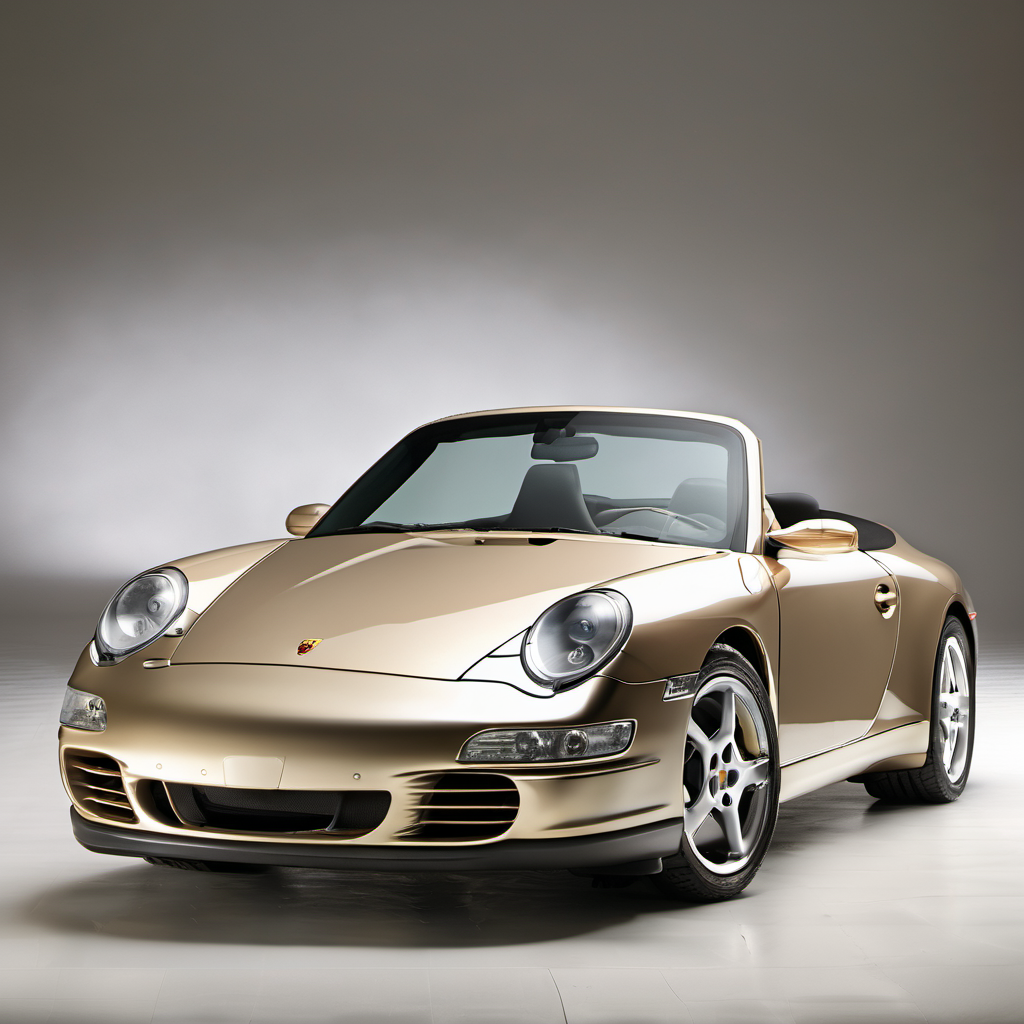
European alternative in a similar price bracket used. The 911 Turbo offers AWD (a big advantage in Wisconsin), better daily usability, and strong dealer/parts support — but lacks the Viper's raw character.
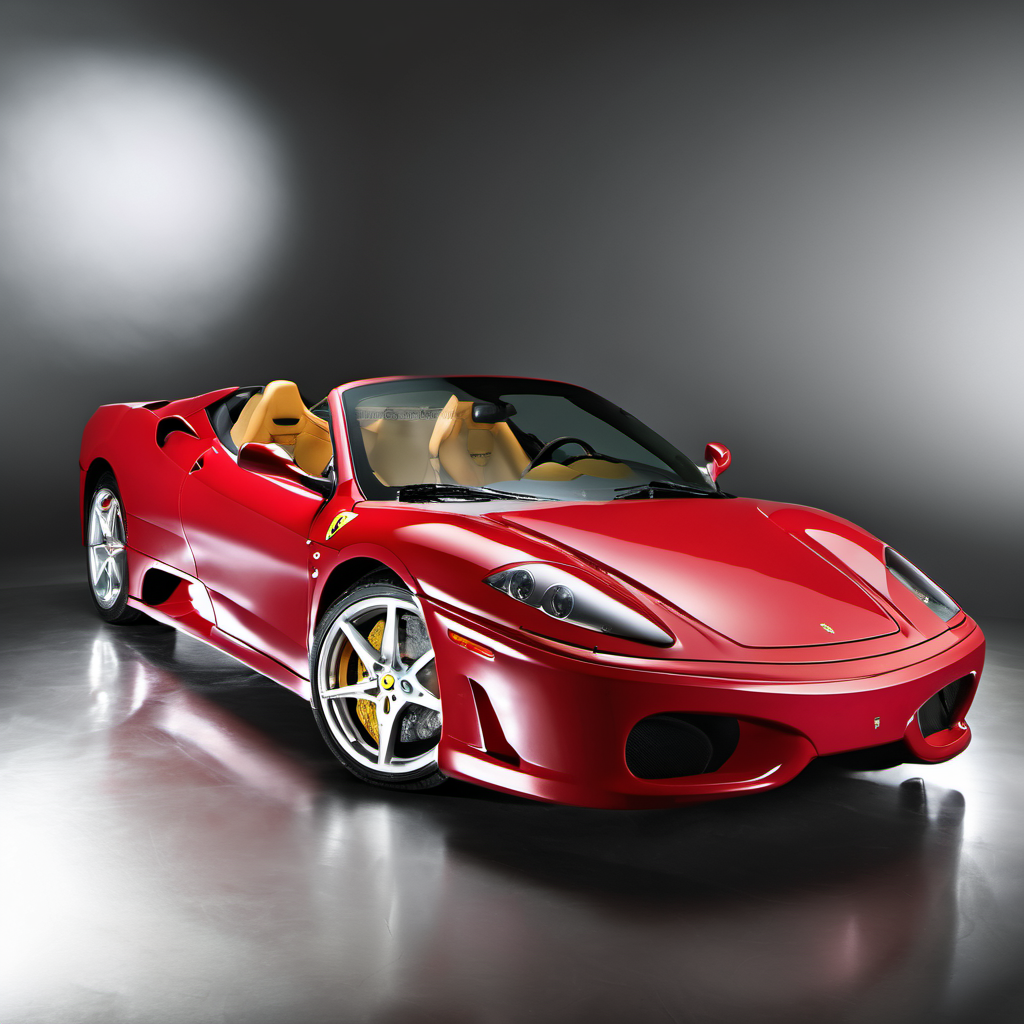
Upper end of the same performance segment. The F430 is more expensive to buy and maintain, mid-engine, and has a very different character — but buyers cross-shopping exotics at this level often consider both.