F1 Gearbox Hydraulic Pump and Accumulator Failure
high- Typically appears
- Any mileage — age and inactivity are the triggers
- Estimated repair
- $1,500 – $5,000
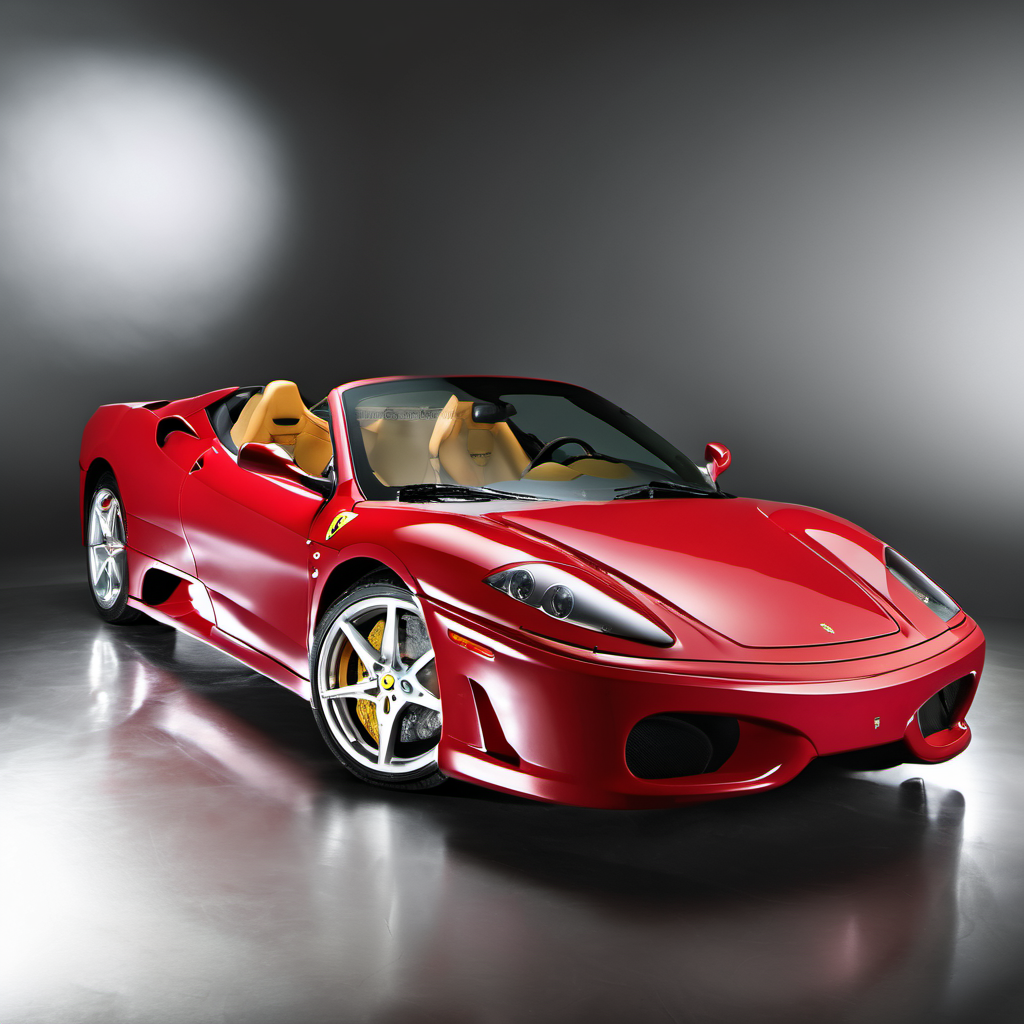
2006 Ferrari
Convertible
The 2006 Ferrari F430 Spider (Convertible) is the open-top version of Ferrari's mid-cycle successor to the 360 Modena. Introduced for the 2005 model year, it brought a larger 4.3L naturally aspirated V8, a revised suspension, and the E-Diff electronic differential — making it significantly more capable and approachable than its predecessor without losing any drama. The Spider's electrohydraulic folding hardtop-style soft top drops in about 20 seconds and adds only about 130 lbs over the Berlinetta coupe. At the time, the F430 was widely regarded as one of the finest driver's cars in the world. The 490 hp V8 revs freely to 8,500 rpm, the gated manual or F1 paddle-shift robotized gearbox delivers razor-sharp shifts, and the aluminum chassis provides a balance of everyday usability and track-day precision. It remains one of the most emotionally rewarding cars ever built. Owning a used F430 in Lake Geneva, Wisconsin is a serious commitment. This is a garage queen by necessity — Wisconsin salt, potholes, and sub-zero temperatures are its enemies. Budget generously for annual servicing; Ferrari's service intervals are strict, and deferred maintenance compounds quickly into five-figure repair bills.
The 2006 Ferrari F430 Spider (Convertible) is the open-top version of Ferrari's mid-cycle successor to the 360 Modena. Introduced for the 2005 model year, it brought a larger 4.3L naturally aspirated V8, a revised suspension, and the E-Diff electronic differential — making it significantly more capable and approachable than its predecessor without losing any drama. The Spider's electrohydraulic folding hardtop-style soft top drops in about 20 seconds and adds only about 130 lbs over the Berlinetta coupe. At the time, the F430 was widely regarded as one of the finest driver's cars in the world. The 490 hp V8 revs freely to 8,500 rpm, the gated manual or F1 paddle-shift robotized gearbox delivers razor-sharp shifts, and the aluminum chassis provides a balance of everyday usability and track-day precision. It remains one of the most emotionally rewarding cars ever built. Owning a used F430 in Lake Geneva, Wisconsin is a serious commitment. This is a garage queen by necessity — Wisconsin salt, potholes, and sub-zero temperatures are its enemies. Budget generously for annual servicing; Ferrari's service intervals are strict, and deferred maintenance compounds quickly into five-figure repair bills.
Ferrari mandates an engine-out service that replaces cam belts, spark plugs, coolant, brake fluid, and inspects the clutch. Skipping or delaying this is the single most common cause of catastrophic engine damage on F430s. This is a dealer or Ferrari-certified specialist job — budget $5,000–$12,000.
The F1 gearbox pump and actuators depend on clean hydraulic fluid. Degraded fluid accelerates pump and seal wear. Cars that sit unused for months are especially vulnerable. Have the system bled and refilled at every major service.
High-performance braking generates extreme heat. Moisture-contaminated fluid dramatically lowers the boiling point, creating fade risk on track or in aggressive driving. Especially important after any Wisconsin winter storage period.
Low-profile performance tires are expensive and the F430's aggressive alignment settings cause uneven wear. Temperature swings common in Wisconsin (sub-zero winters to 90°F summers) can change pressure by 8–10 psi. Check cold pressure every month.
The F430's electronics draw a continuous parasitic load. A discharged battery can prevent the F1 gearbox from initializing and can corrupt ECU memory. Use a quality maintenance charger during Wisconsin winters and seasonal storage.
If the car was driven even once on salted roads, inspect brake lines, fasteners, and underbody hardware for corrosion. Salt damage on a car stored improperly is expensive to address. Most F430 owners in cold climates store the car from November through April.
The mid-engine layout concentrates heat in a confined space. Degraded coolant accelerates aluminum corrosion inside the engine and radiator. Confirm hose condition and expansion tank integrity at each major service.
The electrohydraulic soft-top mechanism uses fluid lines and actuators that degrade with age and temperature cycling. Inspect for leaks and ensure the weatherstripping seals tightly before winter storage to prevent interior moisture damage.
Always defer to the manufacturer's service manual for warranty-mandated intervals.
The F430's purchase price is just the entry fee. Annual costs are dominated by the mandatory major service cycle ($5,000–$12,000 every 3 years), which averages out to $1,700–$4,000/year on its own. Add routine consumables, tires ($1,500–$3,000 per set), and the reality that any unplanned repair starts at several hundred dollars and quickly climbs into the thousands. Budget a minimum of $5,000–$7,000 per year for a car that's driven occasionally and properly stored, or more if service has been deferred. This is not a vehicle where deferred maintenance saves money — it compounds debt.
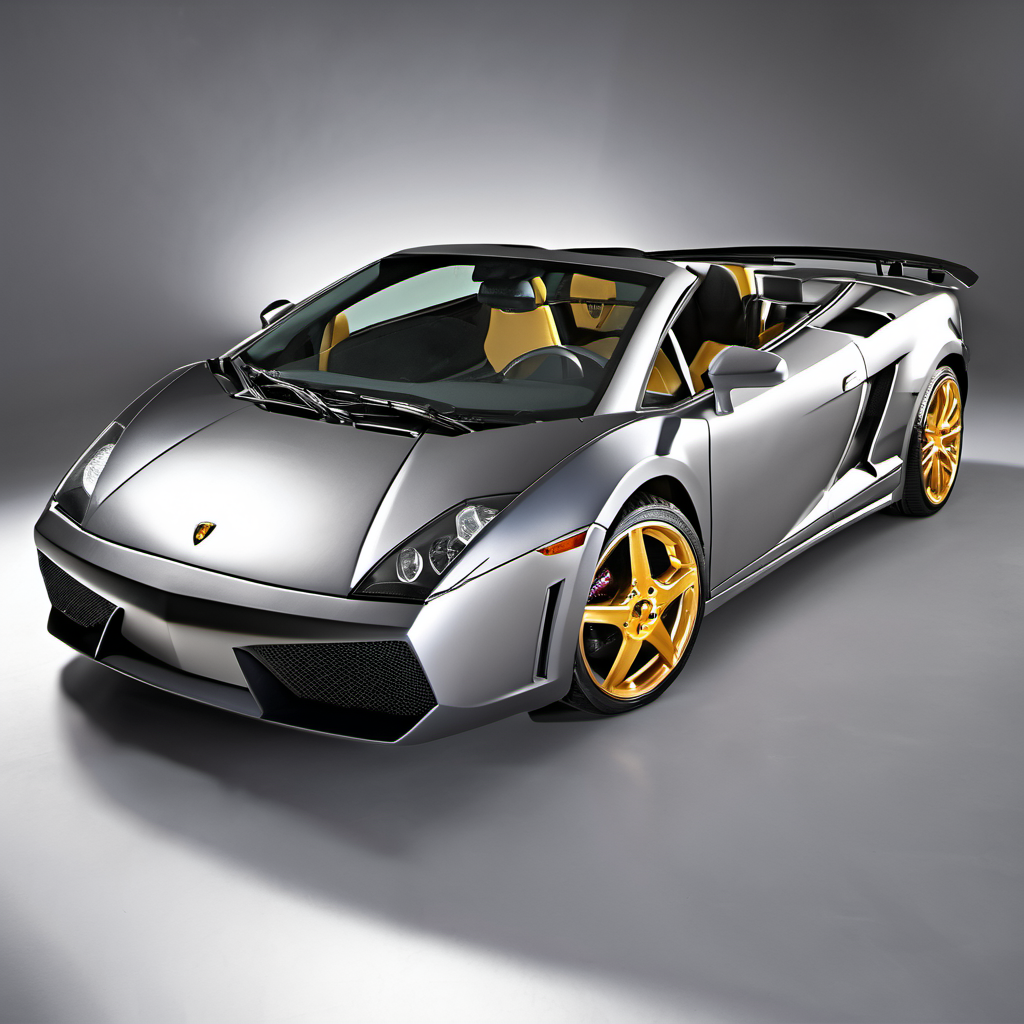
Direct segment rival — mid-engine V10 convertible supercar at a similar price point and era. AWD versus the Ferrari's RWD makes it more forgiving but less pure. Similar ownership cost profile.
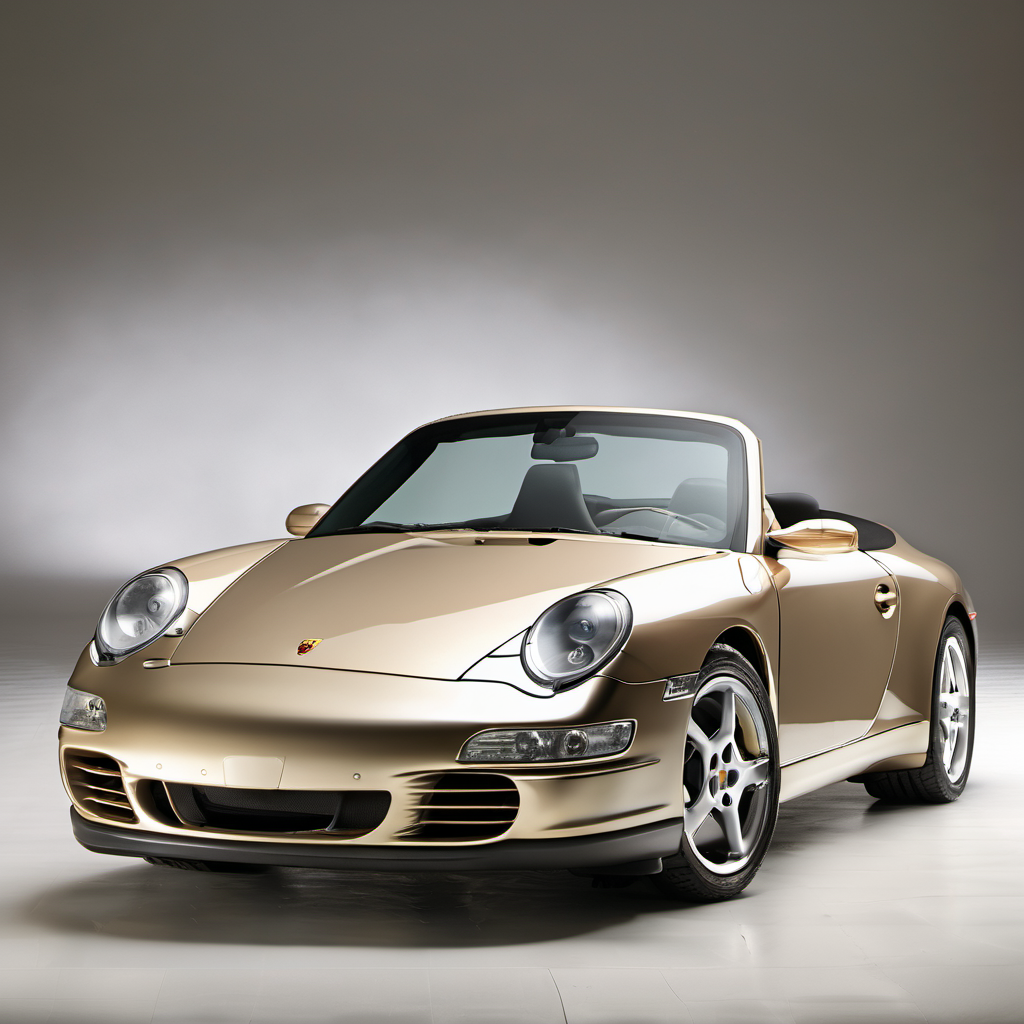
Rear-engine open-top sports car with comparable performance credentials, but dramatically lower ownership costs, better dealer network in the Midwest, and far more forgiving of deferred maintenance.
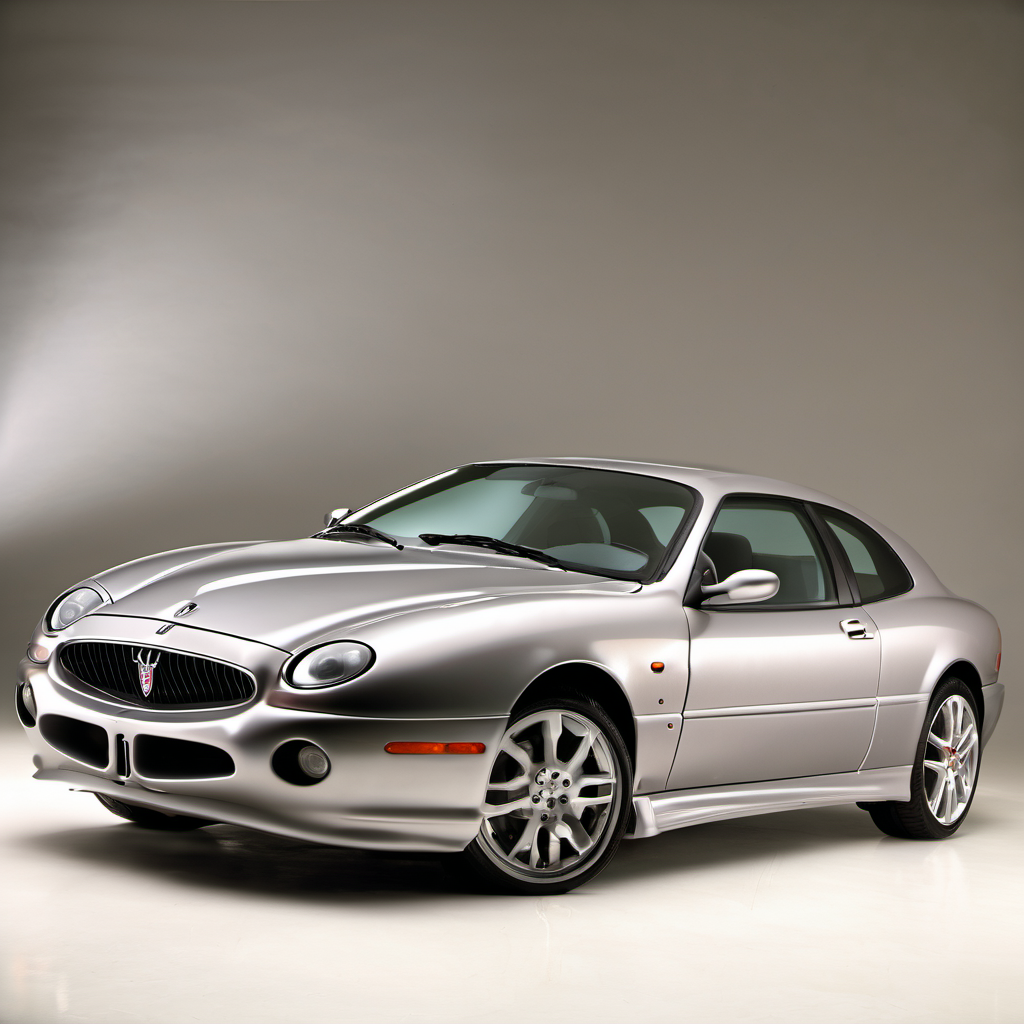
Italian open-top GT with Ferrari-derived V8 and similar emotional appeal at a lower entry price, though reliability and parts availability are also challenging.
British open-top V8 sports car in the same price segment with a more livable grand touring character. Lower running costs than the Ferrari but still a specialist-service vehicle.
No catalog match