4F50N Automatic Transmission Failure
high- Typically appears
- 80–150k mi
- Estimated repair
- $1,800 – $3,800
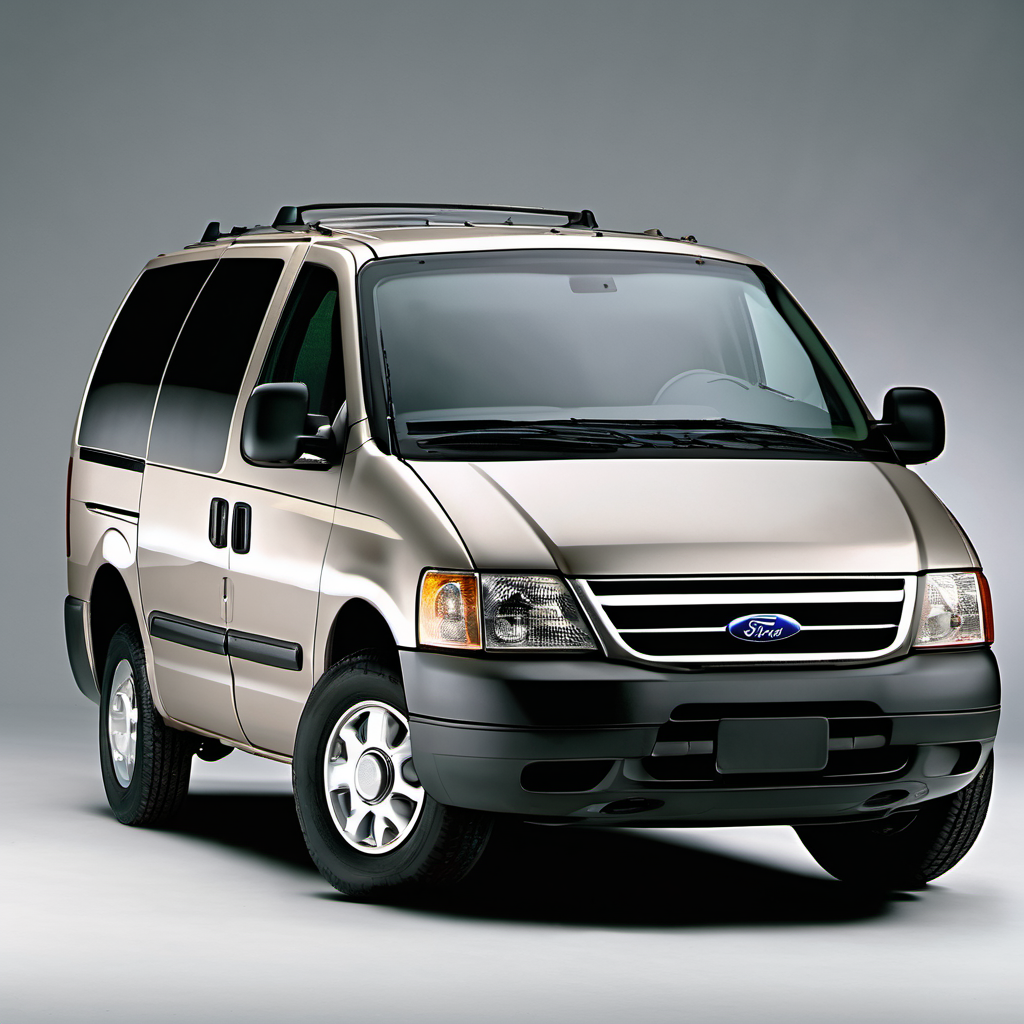
2006 Ford
4.2L V6 · Van/Minivan
The 2006 Ford Freestar Cargo is the commercial work-van version of Ford's last minivan platform, built on the same front-wheel-drive unibody as the passenger Freestar but with the rear seats deleted and the rear side windows blanked or removed for cargo security. It was powered exclusively by a 4.2L V6 and paired with a 4-speed automatic. Ford discontinued the entire Freestar line after 2007, so parts availability — especially body pieces and transmission components — is increasingly limited. As a cargo hauler it offers a low load floor, sliding side door access, and decent interior volume for tradespeople, delivery operators, and small businesses. Fuel economy is unremarkable for the era, and the 4.2L V6 is a carryover Windsor-family engine that is adequate but not known for longevity beyond 150k miles without attentive maintenance. Buyers and current owners should know this is an orphaned platform — Ford hasn't made a minivan since. That means some dealer-specific parts are dealer-only or salvage-yard finds. On the plus side, the mechanicals are simple and an independent shop can handle virtually everything on it.
The 2006 Ford Freestar Cargo is the commercial work-van version of Ford's last minivan platform, built on the same front-wheel-drive unibody as the passenger Freestar but with the rear seats deleted and the rear side windows blanked or removed for cargo security. It was powered exclusively by a 4.2L V6 and paired with a 4-speed automatic. Ford discontinued the entire Freestar line after 2007, so parts availability — especially body pieces and transmission components — is increasingly limited. As a cargo hauler it offers a low load floor, sliding side door access, and decent interior volume for tradespeople, delivery operators, and small businesses. Fuel economy is unremarkable for the era, and the 4.2L V6 is a carryover Windsor-family engine that is adequate but not known for longevity beyond 150k miles without attentive maintenance. Buyers and current owners should know this is an orphaned platform — Ford hasn't made a minivan since. That means some dealer-specific parts are dealer-only or salvage-yard finds. On the plus side, the mechanicals are simple and an independent shop can handle virtually everything on it.
The 4F50N is sensitive to degraded fluid. Many failures trace directly to extended fluid intervals on vans used for stop-and-go delivery work.
The 4.2L V6 intake manifold gaskets degrade faster when coolant is acidic. Fresh HOAT coolant at the correct mix extends gasket life significantly.
Early detection of a weeping gasket is a $500 fix. Ignored, it becomes a $1,500+ overheating repair with potential head damage.
The 4.2L V6 uses copper-core plugs as OEM; worn plugs increase misfire risk and stress the coil pack.
Wisconsin road salt is aggressive. Catching surface rust early allows wire-brushing and undercoating; ignored, it leads to structural and subframe failure.
A cold Wisconsin winter can kill a marginal battery overnight. The 4.2L V6 requires strong cranking at sub-zero temps. Replace any battery showing less than 70% capacity before November.
Cargo doors cycle constantly in work-van service. Salt and grit pack into the track and accelerate latch wear. Annual cleaning and greasing prevents costly repairs.
FWD vans wear front tires faster under load. Even inflation (adjusted for seasonal temperature swings) helps prevent uneven wear and blowouts.
Always defer to the manufacturer's service manual for warranty-mandated intervals.
This is a cheap-to-acquire vehicle with moderate-to-high operating costs relative to its size. The transmission is the wildcard — one unaddressed failure can exceed the van's market value. Budget for a transmission service every 30k miles and set aside a repair reserve. Parts for this discontinued platform can be sourced from salvage yards, which helps keep costs down, but availability is shrinking every year.
RWD/AWD alternative in the same cargo minivan class, slightly more truck-like but with a stronger transmission reputation and better towing capacity
No catalog match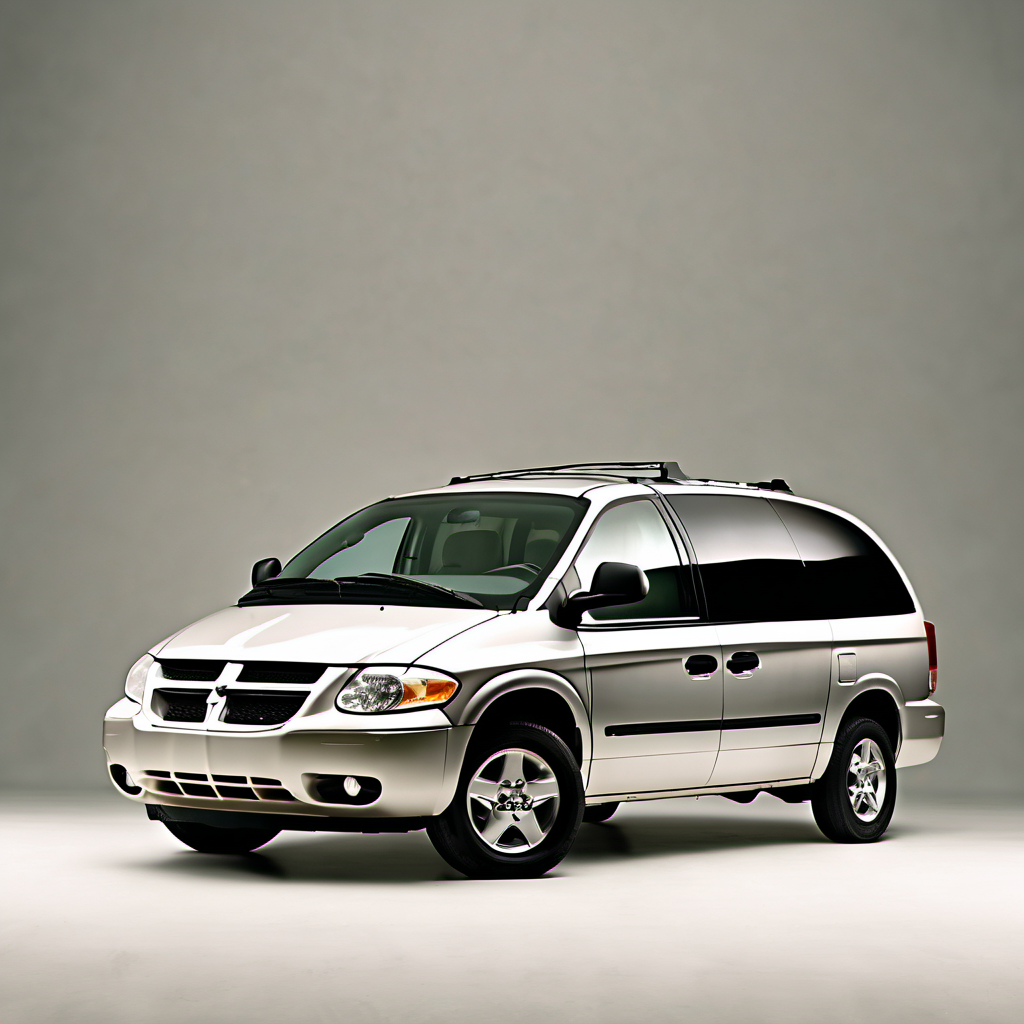
Direct FWD competitor with the same basic mission; easier to find parts and has a broader dealer/independent repair network
Full-size option from the same manufacturer; higher payload and more durable drivetrain for heavier commercial use, though less maneuverable in tight urban routes
No catalog match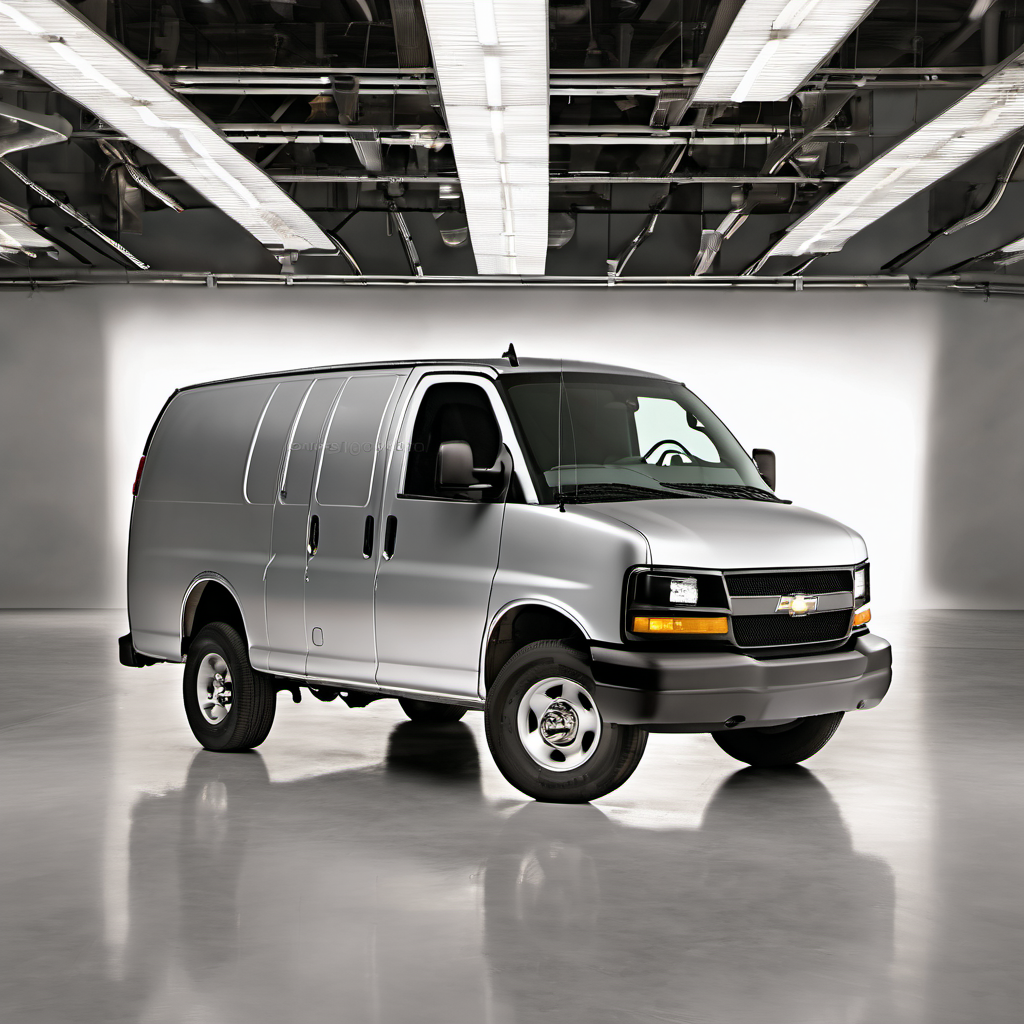
Full-size FWD-comparable cargo van with a proven V6/V8 drivetrain, widely supported parts network, and stronger long-term reliability record