Timing Chain Tensioner and Guide Wear
high- Typically appears
- 60–120k mi
- Estimated repair
- $3,000 – $6,000
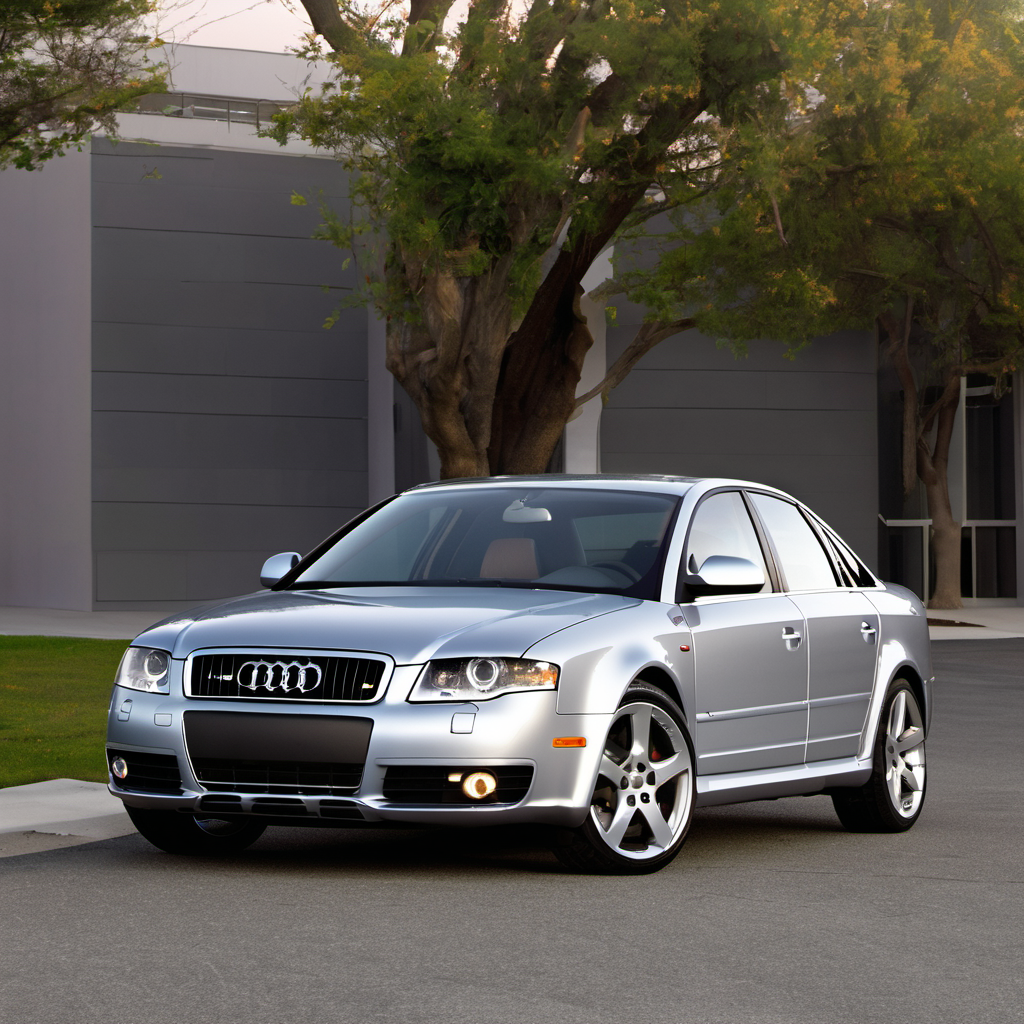
2006 Audi
Sedan
The 2006 Audi S4 (B7 generation) is a performance sedan built around Audi's 4.2L V8, the same engine found in the contemporary A8 luxury sedan. It blends everyday usability with genuine sports-car straight-line performance — 340 horsepower, Quattro AWD, and a sophisticated multi-link suspension make it a genuinely exciting driver's car that still handles Wisconsin winters with confidence. The B7 S4 is widely regarded as one of the most rewarding iterations of the nameplate, largely because of its naturally aspirated high-revving V8. That same engine, however, brings a maintenance reality check: this is a mechanically complex German car with a high-mounted V8 that makes almost every service job labor-intensive. Oil changes, timing chain service, and intake manifold work all require significant disassembly. Buyers looking at used examples should do so with eyes open. Parts and labor costs are firmly in the luxury/performance tier, fuel economy is poor by any standard, and deferred maintenance on these cars is common. A well-documented, well-maintained B7 S4 can be deeply satisfying to own; a neglected one can become very expensive very fast.
The 2006 Audi S4 (B7 generation) is a performance sedan built around Audi's 4.2L V8, the same engine found in the contemporary A8 luxury sedan. It blends everyday usability with genuine sports-car straight-line performance — 340 horsepower, Quattro AWD, and a sophisticated multi-link suspension make it a genuinely exciting driver's car that still handles Wisconsin winters with confidence. The B7 S4 is widely regarded as one of the most rewarding iterations of the nameplate, largely because of its naturally aspirated high-revving V8. That same engine, however, brings a maintenance reality check: this is a mechanically complex German car with a high-mounted V8 that makes almost every service job labor-intensive. Oil changes, timing chain service, and intake manifold work all require significant disassembly. Buyers looking at used examples should do so with eyes open. Parts and labor costs are firmly in the luxury/performance tier, fuel economy is poor by any standard, and deferred maintenance on these cars is common. A well-documented, well-maintained B7 S4 can be deeply satisfying to own; a neglected one can become very expensive very fast.
The 4.2L V8's VVT system and timing chain tensioners are hydraulically actuated and critically dependent on clean oil. Sludge buildup from extended intervals is a documented cause of timing chain and VVT failures. Use the correct 5W-30 full synthetic and the correct filter. Never skip or stretch this interval.
This is the make-or-break maintenance item on the B7 S4. A cold-start rattle that goes away after a few seconds is a warning sign. Proactive replacement is far cheaper than an engine rebuild after chain failure.
The V8 has 8 plugs, and access requires significant disassembly on this engine layout. Labor cost is high relative to the parts. Staying on schedule prevents misfires and protects the catalytic converters.
Brake fluid is hygroscopic and degrades with moisture absorption. With a performance car driven hard, degraded fluid can cause brake fade. Wisconsin winters add corrosion risk to brake hydraulic components.
Audi's G12/G13 coolant has a long service life but does degrade. Old coolant becomes acidic and accelerates corrosion in aluminum components. Verify concentration is adequate for sub-zero temperatures before each winter.
The Quattro center differential and rear differential require periodic fluid changes. Cold Wisconsin winters stress differentials on initial startup; clean fluid protects against wear.
Dirty air filters restrict airflow into the engine, affecting performance and fuel economy. The cabin filter also affects HVAC defrost effectiveness — important for Wisconsin winters.
Road salt in Lake Geneva and the surrounding area accelerates corrosion on brake lines, suspension hardware, and exhaust components. Catching rust early prevents failures and keeps repair costs manageable.
Always defer to the manufacturer's service manual for warranty-mandated intervals.
The B7 S4 is an inexpensive car to buy used but an expensive car to own. Routine maintenance costs more than a comparable Japanese or domestic sedan simply because of labor time and parts pricing. A year with no major repairs might cost $1,800–$2,500 in maintenance. A year with timing chain work, suspension, or secondary air system repairs can easily exceed $4,000–$6,000 at an independent shop. Build a repair reserve before buying.

Similar naturally aspirated performance sedan from the same era, RWD vs. Quattro AWD, comparably complex and expensive to maintain, strong enthusiast following.
V8-powered performance sedan in the same price and performance tier, RWD platform, similarly high maintenance costs, slightly less complex engine access.
No catalog match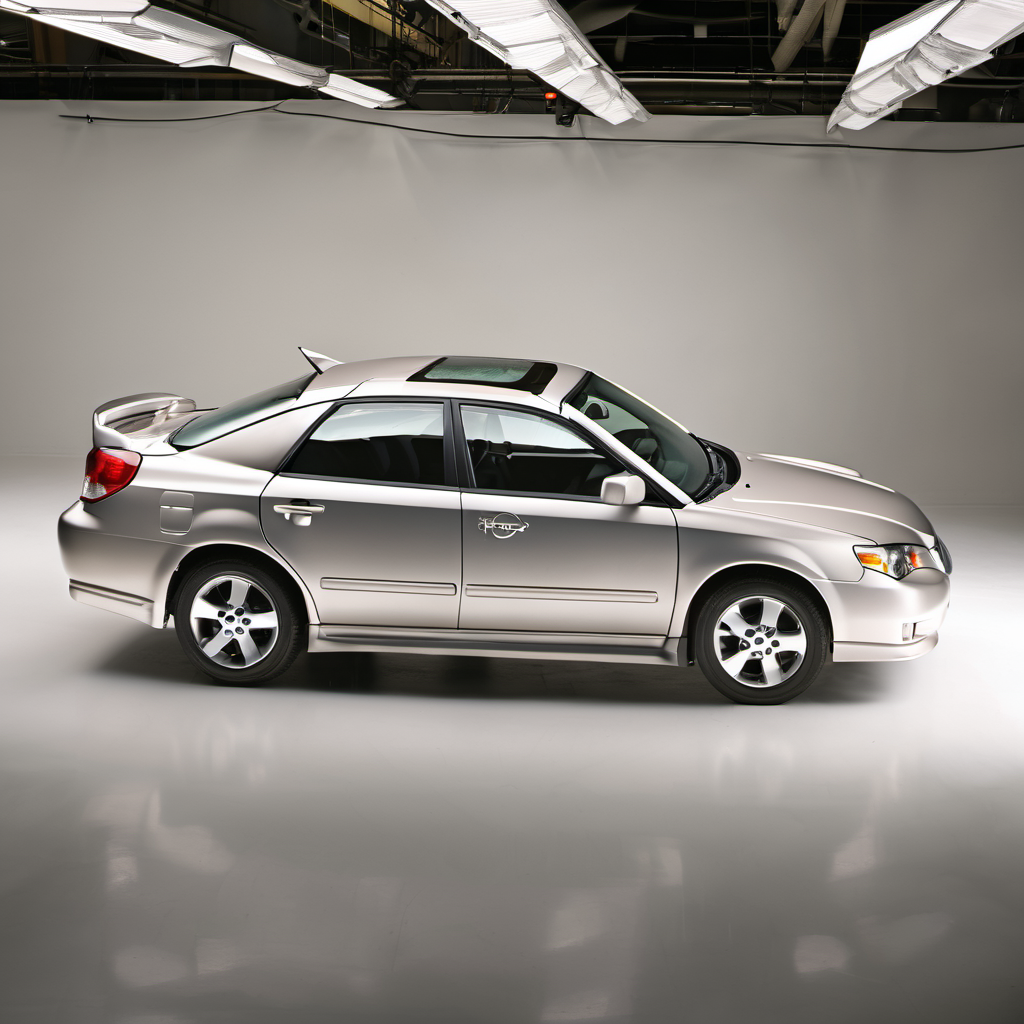
AWD performance sedan at a fraction of the operating cost, far simpler maintenance, much lower power output but a practical daily driver alternative for Wisconsin winters.
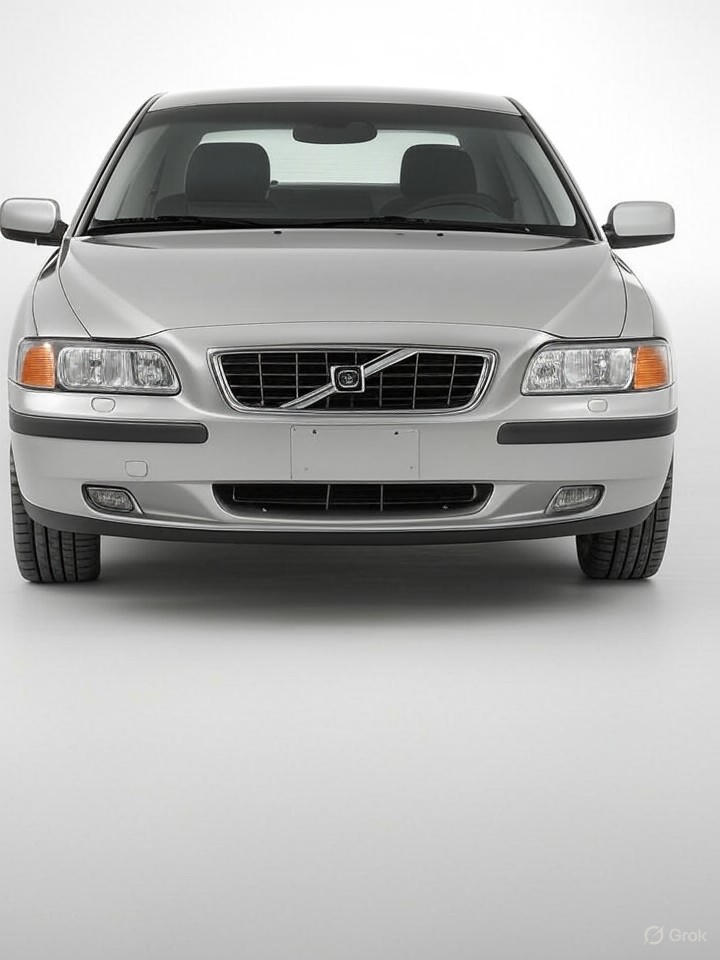
AWD performance sedan with similar everyday usability and winter capability, lower insurance and fuel costs, smaller engine but competitive real-world performance.