VVT / Cam Phaser Timing Issues
medium- Typically appears
- 80–150k mi
- Estimated repair
- $400 – $1,200
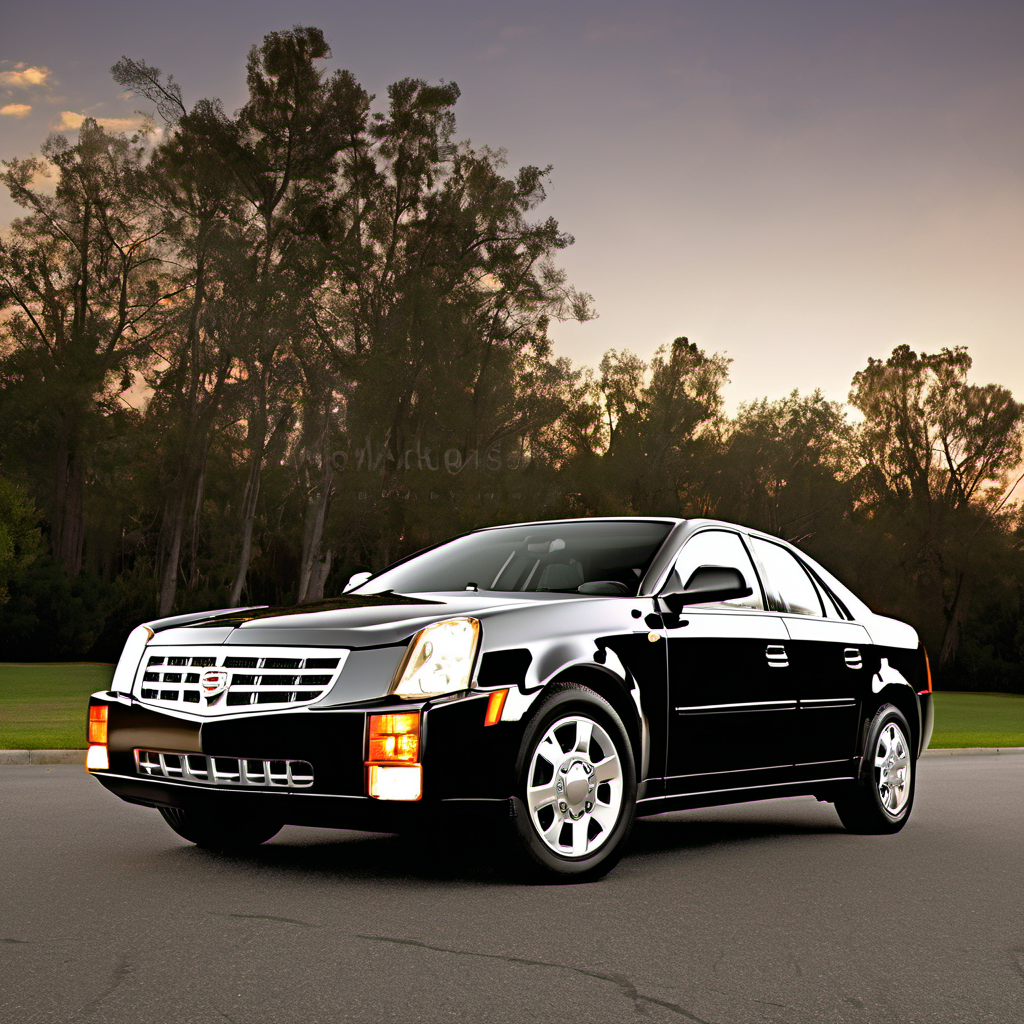
2005 Cadillac
Sedan
The 2005 Cadillac CTS is the second model year of GM's bold reinvention of the Cadillac sedan — built on the rear-wheel-drive Sigma platform and designed to go toe-to-toe with entry-level European sport sedans. It shed the old front-wheel-drive, soft-ride Cadillac formula entirely in favor of a sharper, driver-focused character. By 2005 the early first-gen bugs had been largely sorted, and the car offers a genuine sport-luxury experience at a fraction of its original price used. The 2.8L V6 (LY9) is the base engine in 2005, producing 210 horsepower and paired with a 5-speed automatic. It's responsive enough for daily driving but noticeably less spirited than the optional 3.6L. Fuel economy is acceptable for the class. The RWD layout, well-sorted suspension, and quality interior materials make this a rewarding driver's car, though rear-wheel drive demands respect in Wisconsin winters. At 20 years old, this CTS is firmly in 'know what you're buying' territory. Maintenance history matters enormously — these cars reward diligent owners and punish neglected ones. Parts availability is good through GM channels, and independent shops familiar with GM V6s can service them reasonably.
The 2005 Cadillac CTS is the second model year of GM's bold reinvention of the Cadillac sedan — built on the rear-wheel-drive Sigma platform and designed to go toe-to-toe with entry-level European sport sedans. It shed the old front-wheel-drive, soft-ride Cadillac formula entirely in favor of a sharper, driver-focused character. By 2005 the early first-gen bugs had been largely sorted, and the car offers a genuine sport-luxury experience at a fraction of its original price used. The 2.8L V6 (LY9) is the base engine in 2005, producing 210 horsepower and paired with a 5-speed automatic. It's responsive enough for daily driving but noticeably less spirited than the optional 3.6L. Fuel economy is acceptable for the class. The RWD layout, well-sorted suspension, and quality interior materials make this a rewarding driver's car, though rear-wheel drive demands respect in Wisconsin winters. At 20 years old, this CTS is firmly in 'know what you're buying' territory. Maintenance history matters enormously — these cars reward diligent owners and punish neglected ones. Parts availability is good through GM channels, and independent shops familiar with GM V6s can service them reasonably.
The VVT cam phaser system is oil-pressure sensitive. Dirty or low oil is the single biggest killer of first-gen CTS engines. Use the GM-specified viscosity (5W-30 for the 2.8L) and don't chase oil-change mileage maximums on a 20-year-old engine.
The 5-speed automatic (5L40-E) shifts smoothly when fluid is fresh. On a used car with unknown history, a drain-and-fill at purchase is cheap insurance against future shift quality issues.
GM's Dex-Cool coolant degrades and becomes acidic over time. Neglected coolant has been linked to intake manifold and water pump damage. On a 20-year-old car, verify when it was last done and flush if unknown.
Original plugs at this mileage are overdue. Worn plugs stress the ignition coils and can cause rough idle and poor economy on the 2.8L V6.
Brake fluid absorbs moisture over time, lowering its boiling point and corroding ABS/brake system components. Wisconsin winters are hard on brake hardware — keep the fluid fresh.
The CTS's electronics — VVT solenoids, BCM, EBCM — are sensitive to low voltage. A weak battery in a Wisconsin winter can trigger a cascade of U-code communication faults and hard starts. Test the battery every October.
RWD Sigma platform cars sit low and collect road salt on brake lines, fuel lines, suspension components, and exhaust. Regular washing slows corrosion; spring inspection catches damage before it becomes dangerous.
The oil passages feeding the cam phaser solenoids have small screens that trap debris. On high-mileage cars, cleaning or replacing these screens is a low-cost step before condemning phasers or solenoids.
Always defer to the manufacturer's service manual for warranty-mandated intervals.
A well-maintained 2005 CTS is an affordable way into a sport-luxury sedan. Routine maintenance is reasonably priced at an independent GM shop. The risk is deferred maintenance — cam phaser work, suspension rebuilds, and module repairs can stack up quickly on a neglected example. Budget on the higher end for any car without documented service history.
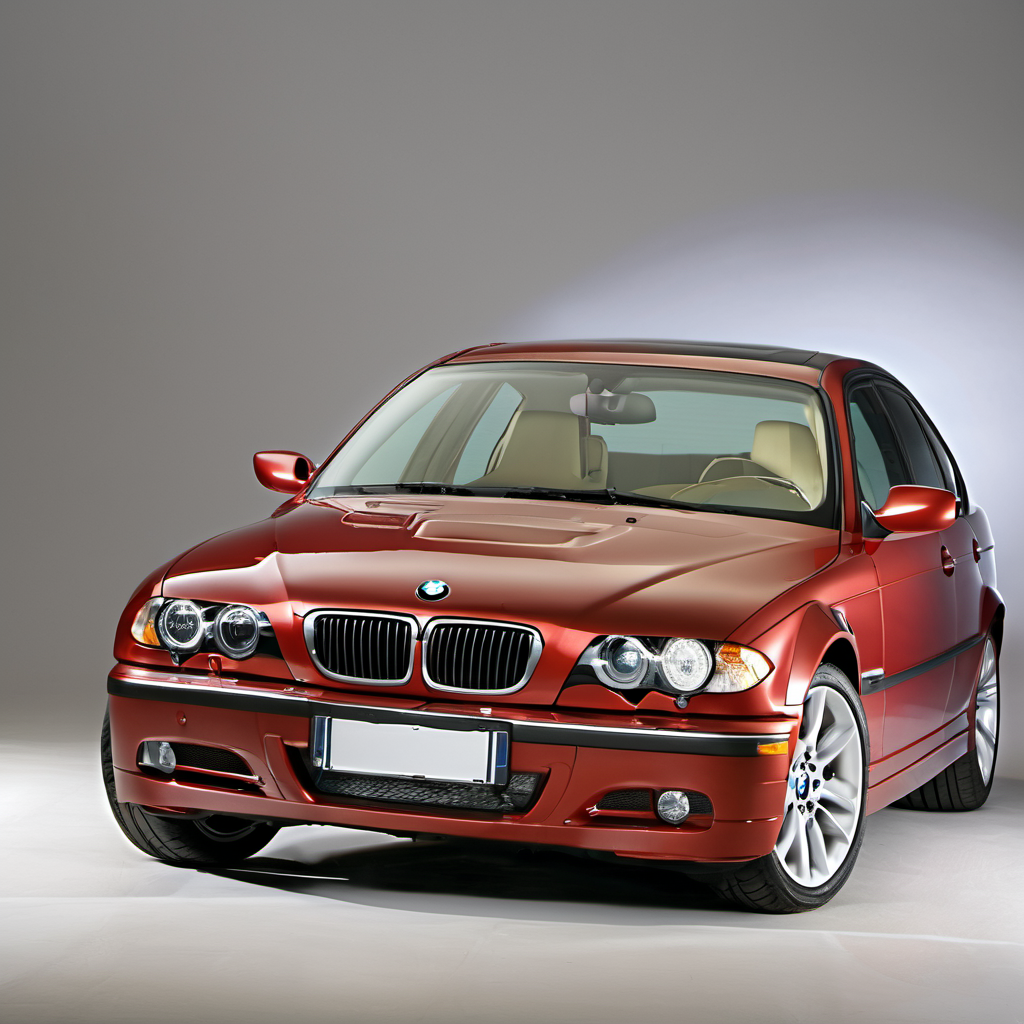
The direct benchmark the first-gen CTS was designed to beat. Also RWD, similar sport-sedan dynamics and size. BMW will cost more to maintain at a shop, but drives sharper. Worth cross-shopping if budget allows for higher upkeep.
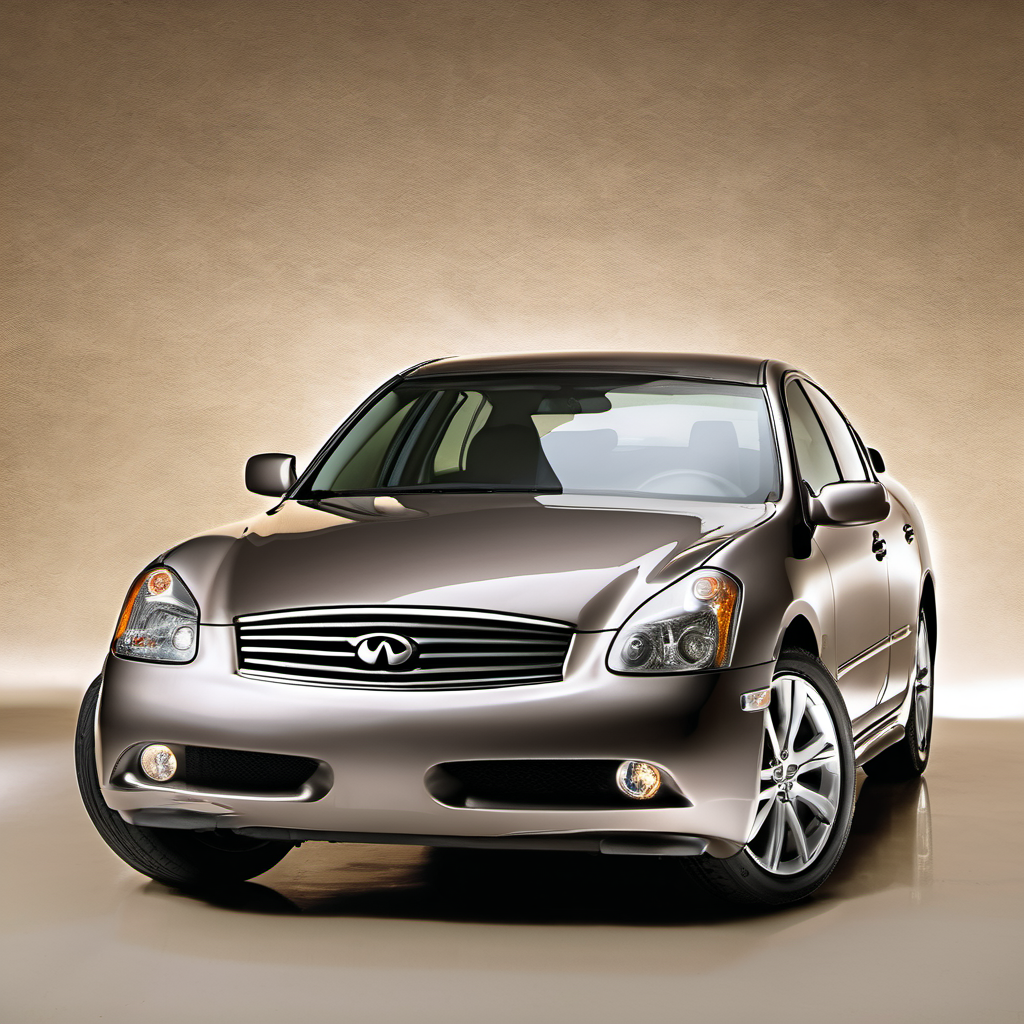
RWD sport sedan in the same class with a bulletproof VQ35 V6. Generally regarded as more reliable and cheaper to fix than the CTS. A strong alternative for buyers who prioritize longevity.
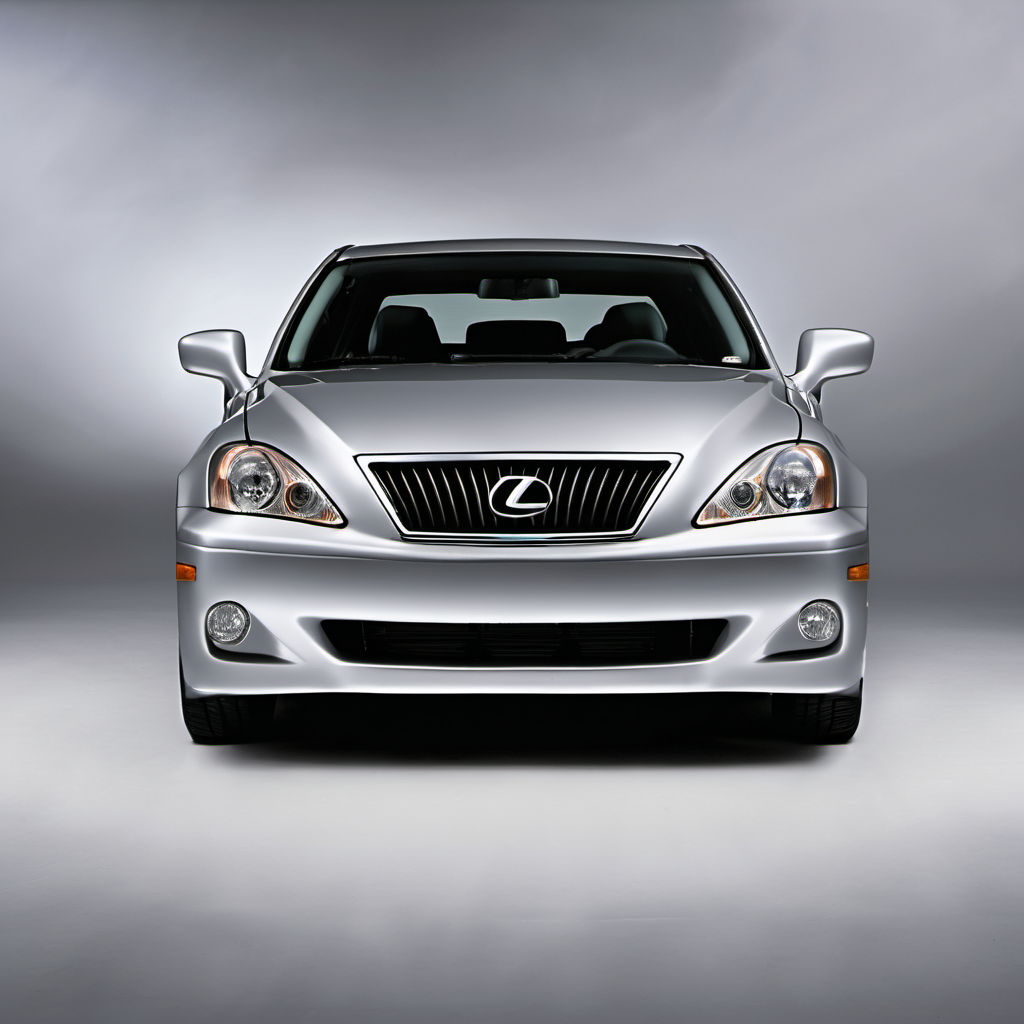
RWD luxury sport sedan with Toyota reliability underneath. Lower horsepower than the CTS 2.8L but far fewer long-term headaches. Parts can be pricier but failures are rarer.
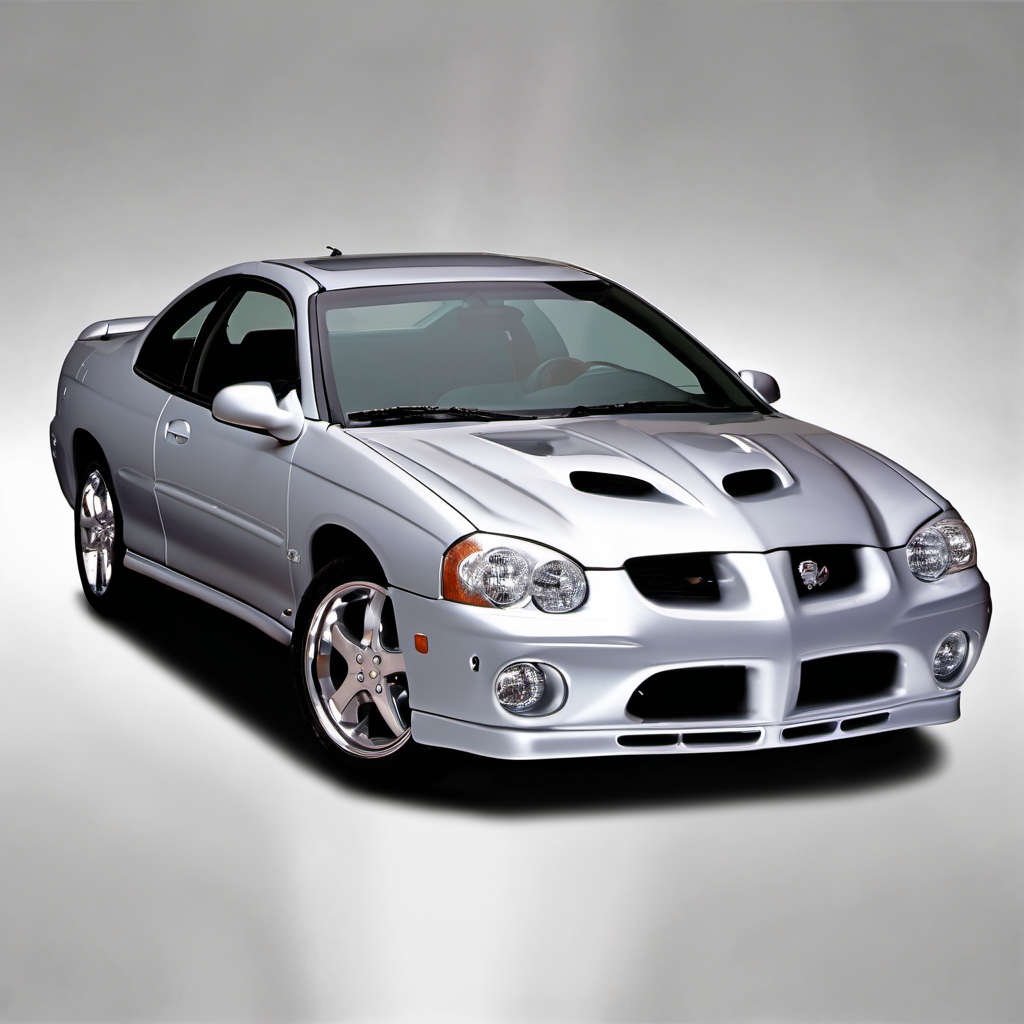
Shares GM's Sigma-adjacent RWD platform DNA and some powertrain suppliers. More of a muscle car than a luxury sedan, but if sport is the priority and luxury less so, the GTO offers more power at a similar used price point.