5-Speed Automatic Transmission Failure
high- Typically appears
- 60–130k mi
- Estimated repair
- $2,200 – $4,500
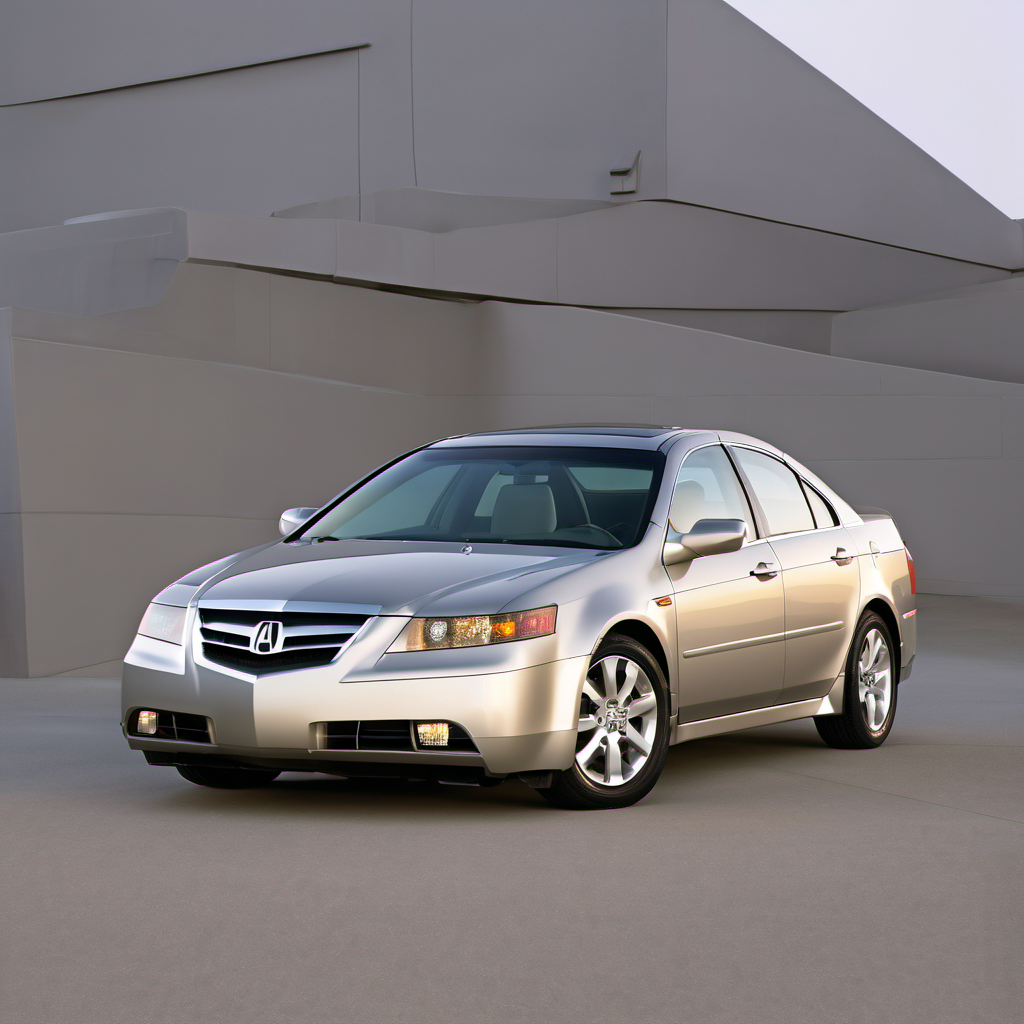
2005 Acura
Sedan
The 2005 Acura TL is the second model year of the fourth-generation TL, and it quickly became one of Acura's best-selling cars for good reason. Powered by a 258-hp 3.2L SOHC V6 paired with a 5-speed automatic, it delivers near-luxury refinement, a genuinely sporty driving feel, and Honda's legendary engine durability — all at a price well below European competition. The interior is a standout for the era: a well-bolted-together cabin, a navigation-equipped center stack, and a 360-watt Bose audio system make it feel more expensive than it was. Ride quality is firm but composed, and the front-wheel-drive platform handles competently for a sport sedan. The 2005 model year shares one generation-wide headache with its siblings: the 5-speed automatic transmission has a documented failure pattern that Acura addressed with a service bulletin and extended warranty, but many transmissions are now well outside coverage. Any used example deserves close scrutiny of the transmission's service history.
The 2005 Acura TL is the second model year of the fourth-generation TL, and it quickly became one of Acura's best-selling cars for good reason. Powered by a 258-hp 3.2L SOHC V6 paired with a 5-speed automatic, it delivers near-luxury refinement, a genuinely sporty driving feel, and Honda's legendary engine durability — all at a price well below European competition. The interior is a standout for the era: a well-bolted-together cabin, a navigation-equipped center stack, and a 360-watt Bose audio system make it feel more expensive than it was. Ride quality is firm but composed, and the front-wheel-drive platform handles competently for a sport sedan. The 2005 model year shares one generation-wide headache with its siblings: the 5-speed automatic transmission has a documented failure pattern that Acura addressed with a service bulletin and extended warranty, but many transmissions are now well outside coverage. Any used example deserves close scrutiny of the transmission's service history.
The 3.2L V6's VTC system is oil-pressure dependent. Dirty or low oil is the leading cause of VTC actuator noise and premature VTEC solenoid wear. Don't stretch intervals on this engine.
This is the single most important service item on this generation TL. Many transmission failures are directly linked to neglected fluid. Use only Honda/Acura-specified ATF — incorrect fluid accelerates clutch pack wear.
Acura uses a silicate-free OAT coolant. Mixing with green conventional coolant degrades corrosion protection and can damage the water pump seals.
OEM iridium plugs are long-life. Waiting too long causes them to seize in the aluminum head — replace on schedule to avoid a much costlier repair.
Brake fluid absorbs moisture over time. In Wisconsin's freeze-thaw cycles, degraded fluid raises the risk of internal corrosion in calipers and ABS components.
A clogged cabin filter strains the blower motor — a relatively expensive fix — and reduces defrost effectiveness, which matters in Wisconsin winters.
High-mileage TLs commonly develop weeping power steering hoses. Catch it early and it's a $200–$400 fix; ignore it and you risk a failed pump or steering rack.
The 3.2L J-series V6 uses a timing chain, not a belt — no scheduled replacement. However, verify this at purchase and confirm the VTC actuator and chain tensioner are in good shape, especially on high-mileage examples.
Always defer to the manufacturer's service manual for warranty-mandated intervals.
Routine annual maintenance (oil, filters, brakes, fluids) runs $600–$1,200 at an independent shop. The big wildcard is the automatic transmission — if it hasn't been replaced or recently rebuilt, budget $2,200–$4,500 as a potential near-term expense. Premium fuel adds roughly $300–$500/year over a regular-fuel vehicle at the same mileage. Overall, this is a reasonable-cost vehicle IF the transmission is sorted.
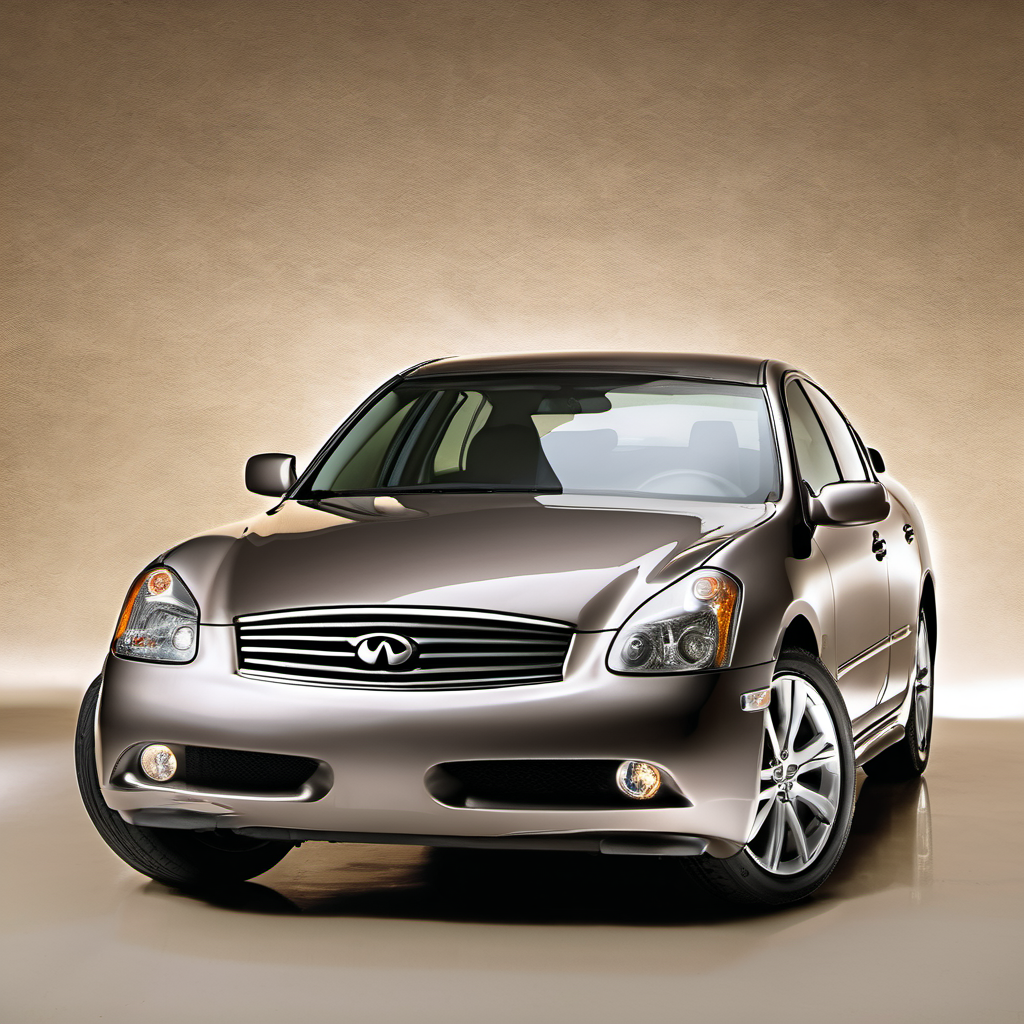
Similar sport-luxury sedan positioning and price bracket. RWD vs. TL's FWD gives it better handling balance, but it shares some era-specific reliability quirks. Strong V6, excellent driving feel.
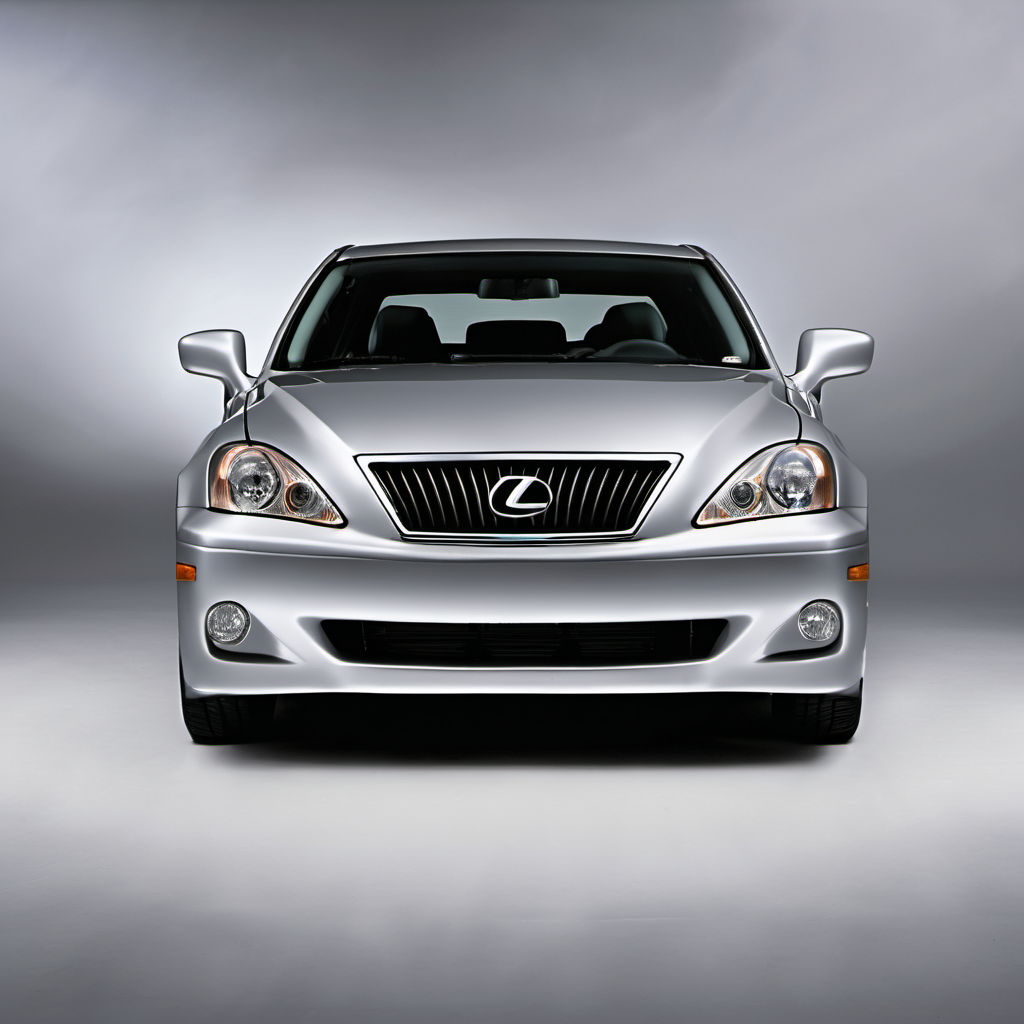
Comparable near-luxury sport sedan. The IS 300 has a stronger reliability reputation and Toyota's bulletproof 2JZ-GE inline-6, but the interior and features feel a step behind the TL.
The benchmark sport sedan of the era. Better driving dynamics and RWD, but significantly higher maintenance and repair costs — the TL wins on cost of ownership for most buyers.
No catalog match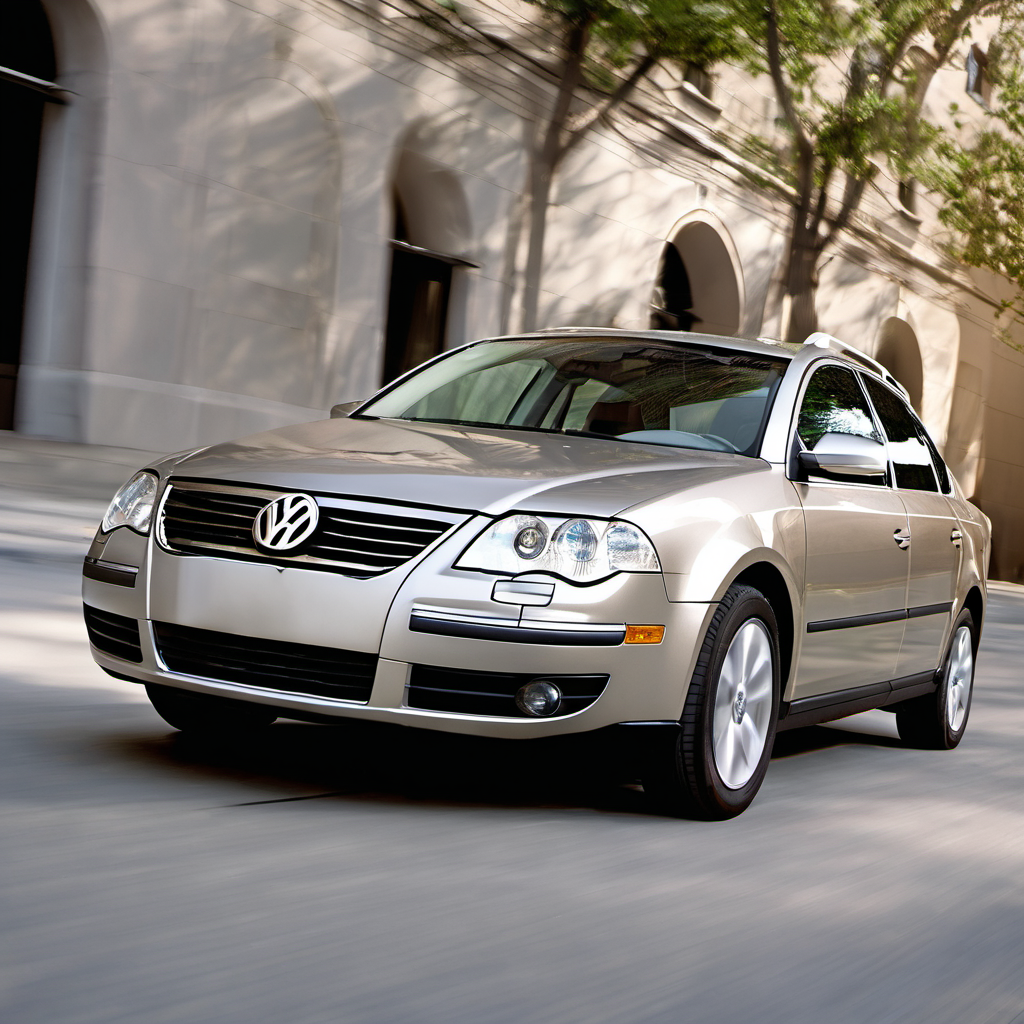
Similar cabin size, feature set, and price. The TL's V6 is more reliable long-term; the Passat's 1.8T or V6 can be troublesome at higher mileage and carries higher repair costs.