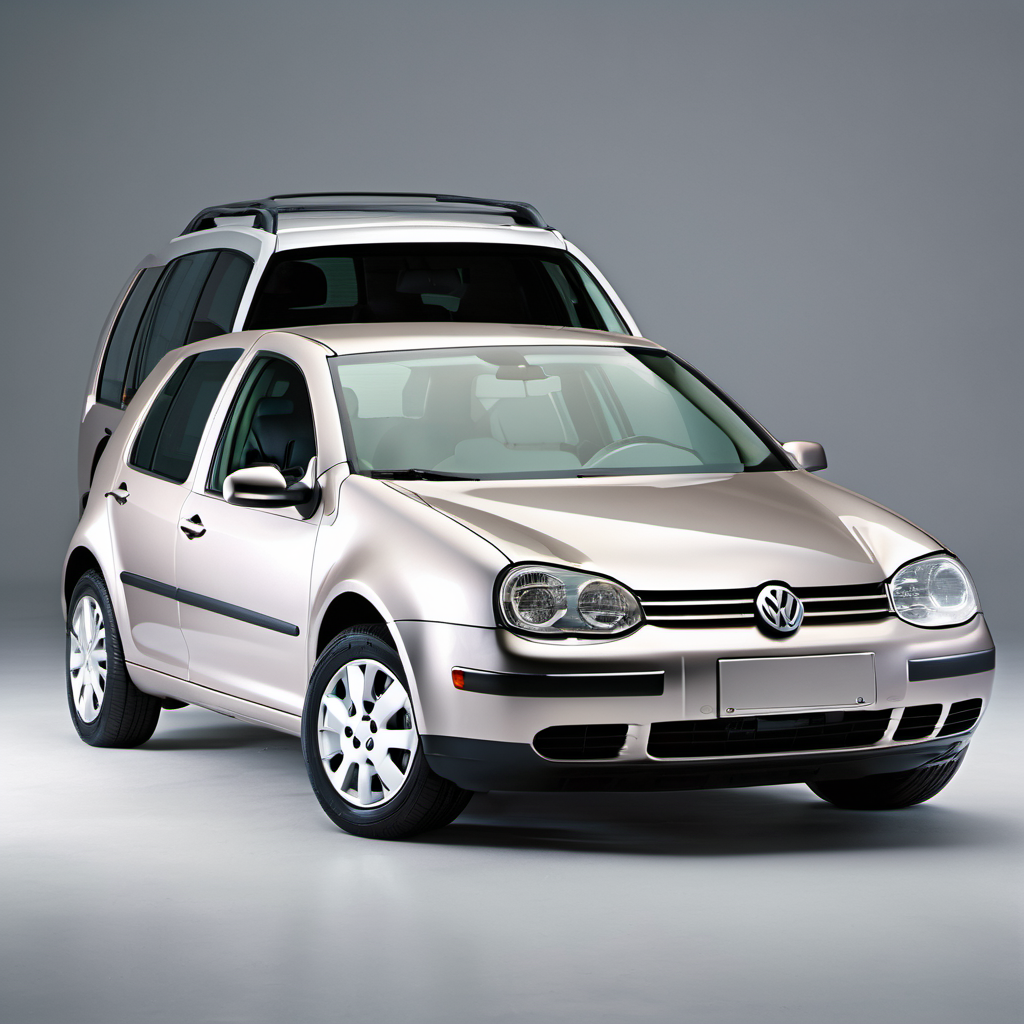
2004 Volvo V40 Wagon

2004 Volvo

V40Wagon

Wagon

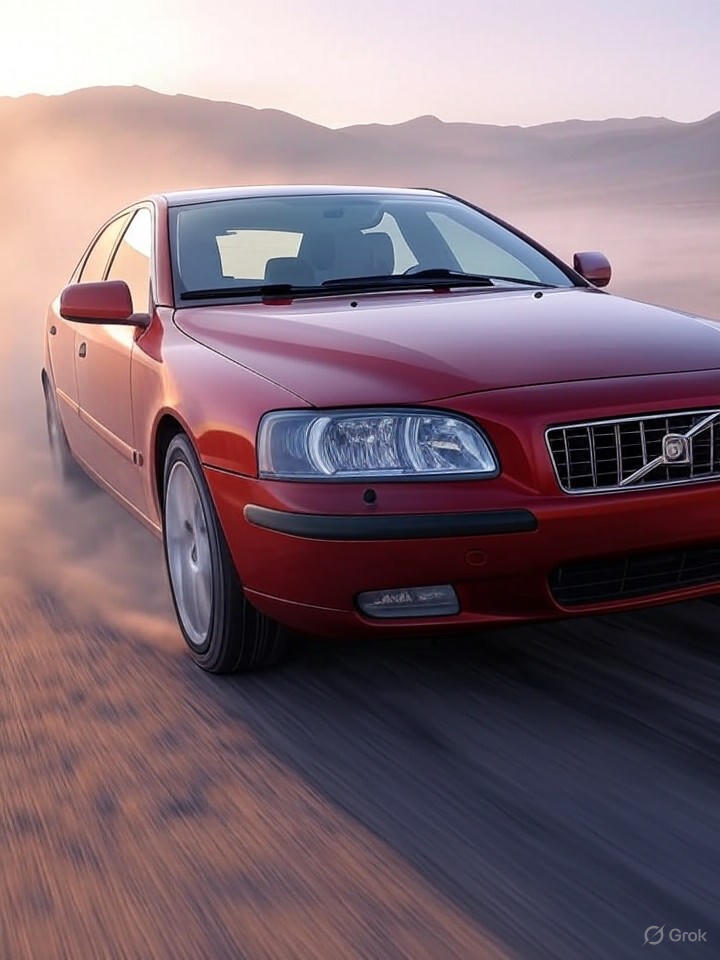
The 2004 Volvo V40 is a compact European wagon sold in the U.S. market through the 2004 model year, after which Volvo discontinued it for American buyers. Built on a platform shared with the Mitsubishi Carisma, it punches above its size with a turbocharged 1.9L four-cylinder and a notably upscale, safety-focused Scandinavian interior. It's a nimble, car-like wagon — not an SUV substitute — that appeals to drivers who want practical cargo space without giving up driving feel. At 20 years old, the V40 is firmly in enthusiast and budget-European territory. Parts availability has shrunk noticeably since U.S. sales ended, and finding a Volvo-experienced independent mechanic matters more than it would for a mainstream domestic wagon. That said, well-maintained examples with documented service history can still be reliable daily drivers. Buyers should approach any used V40 with clear eyes: deferred maintenance on a turbo four-cylinder with aging seals, cooling system components, and electronics is expensive to catch up on. The reward for buying a clean one is a genuinely pleasant, safe small wagon that's inexpensive to purchase outright.

Reliability
2/5
Verified data
Specs shown for V40 — the most common configuration. Other trims may vary in engine, drivetrain, or fuel economy. Sign in to see your vehicle's exact specs.
Engine
[object Object]
Drivetrain
FWD
Fuel
Premium gasoline
MPG
19 city / 27 hwy / 22 combined
Seats
Doors
Body
Small Station Wagons

Overview

AI-curated

The 2004 Volvo V40 is a compact European wagon sold in the U.S. market through the 2004 model year, after which Volvo discontinued it for American buyers. Built on a platform shared with the Mitsubishi Carisma, it punches above its size with a turbocharged 1.9L four-cylinder and a notably upscale, safety-focused Scandinavian interior. It's a nimble, car-like wagon — not an SUV substitute — that appeals to drivers who want practical cargo space without giving up driving feel. At 20 years old, the V40 is firmly in enthusiast and budget-European territory. Parts availability has shrunk noticeably since U.S. sales ended, and finding a Volvo-experienced independent mechanic matters more than it would for a mainstream domestic wagon. That said, well-maintained examples with documented service history can still be reliable daily drivers. Buyers should approach any used V40 with clear eyes: deferred maintenance on a turbo four-cylinder with aging seals, cooling system components, and electronics is expensive to catch up on. The reward for buying a clean one is a genuinely pleasant, safe small wagon that's inexpensive to purchase outright.

Known for
  • Strong passive safety ratings and Volvo safety engineering
  • Turbocharged performance in a compact wagon package
  • Upscale interior quality relative to its size
  • Car-like handling and ride on European-tuned suspension
  • Low U.S. popularity makes it a niche, harder-to-service find
Best for
  • Drivers who want a small wagon over a crossover
  • Volvo enthusiasts comfortable with European maintenance costs
  • Urban and suburban commuters who value cargo flexibility
  • Buyers seeking an affordable entry into the Volvo brand
Watch for
  • Parts scarcity — U.S. sales ended after 2004
  • Turbo and cooling system wear on high-mileage examples
  • Electrical gremlins common to early-2000s Volvos
  • Limited number of mechanics with genuine V40 experience
  • Rust on undercarriage and wheel arches on salt-belt cars

Common issues by mileage

6 known

Turbo boost control and bypass valve failure

high
Typically appears
80–150k mi
Estimated repair
$300 – $900

Oxygen sensor and heater circuit failure

high
Typically appears
70–130k mi
Estimated repair
$150 – $450

Cooling system failure (thermostat, water pump, hoses)

high
Typically appears
80–120k mi
Estimated repair
$400 – $1,100

Camshaft position timing faults (sludge or VVT wear)

medium
Typically appears
90–160k mi
Estimated repair
$250 – $1,200

Suspension bushings and strut wear

high
Typically appears
80–140k mi
Estimated repair
$400 – $1,000

Maintenance schedule

  1. 1
    Every 5,000 miles or 6 months Engine oil and filter change — use full synthetic 5W-30 or manufacturer-specified viscosity

    The turbo runs hot and oil breakdown accelerates sludge buildup, which is a known killer of timing system components on this engine. Fresh oil is the single best preventive measure.

  2. 2
    Every 3 years or 45,000 miles Coolant flush and cooling system inspection

    The water pump and thermostat on these cars are prone to failure in the 80–120k range. Catching degraded coolant early prevents overheating events that can damage the turbo and head gasket.

  3. 3
    Every 60,000 miles or 5 years Serpentine belt and tensioner inspection/replacement

    A snapped belt on a turbocharged engine strands you immediately. On a 20-year-old car, replace on schedule regardless of appearance.

  4. 4
    Every 30,000 miles Spark plug replacement — use OEM-spec platinum or iridium plugs

    Worn plugs on a turbo engine cause misfires that stress the catalytic converter and can trigger false sensor codes. Don't stretch this interval on a boosted motor.

  5. 5
    Every 2 years Brake fluid flush

    Volvo recommends this interval. Brake fluid is hygroscopic — Wisconsin winters with constant wet/dry cycles accelerate moisture absorption and lower boiling point.

  6. 6
    Every 60,000 miles or at any boost-related fault Inspect and replace turbo intercooler hoses and clamps

    These hoses age, crack, and blow off on high-mileage examples, causing sudden power loss and potential engine damage. Visual inspection at every oil change is cheap insurance.

  7. 7
    Every 30,000 miles Fuel filter replacement

    A restricted fuel filter starves the turbo engine under load and can mask as a boost or sensor fault. Easy and inexpensive to do proactively.

  8. 8
    Every spring after winter season Underbody and wheel arch rust inspection and treatment

    Lake Geneva roads are heavily salted. The V40's European underbody is not heavily galvanized in areas prone to Wisconsin salt exposure. Catching surface rust before it penetrates saves the car's structural integrity.

Always defer to the manufacturer's service manual for warranty-mandated intervals.

Cost of ownership

Annual maintenance
$900 – $2,200
Fuel
Budget for premium or mid-grade fuel. At 22 MPG combined and ~15,000 miles/year, expect roughly $2,000–$2,400/year at current upper Midwest gas prices.
Insurance
Typically low — the V40 carries modest book value. Expect $800–$1,400/year for full coverage depending on driver profile, though comprehensive cost per claim can be high if parts are scarce.

The V40 is cheap to buy but not cheap to own. Annual maintenance costs run higher than a comparable Japanese wagon because parts must often be sourced from specialty European suppliers or overseas, and labor at a competent shop takes longer due to the car's relative rarity. Budget $900–$2,200/year for routine maintenance and plan for one larger repair (cooling system, turbo ancillaries, suspension) every 2–3 years on a high-mileage example.
Seasonal care

Lake Geneva, WI
Winter
  • Switch to a full synthetic 0W-30 or 5W-30 oil before first hard freeze — the turbo needs fast oil flow on cold starts that can hit -10°F or below in Lake Geneva.
  • Test the battery before November. Cold-cranking amps drop sharply below 20°F and the V40's electrical system is already sensitive on aging cars. Replace any battery over 4 years old.
  • Fill the washer fluid reservoir with a -20°F or colder rated winter blend — standard summer fluid will freeze in the lines and crack the pump.
  • Inspect and replace wiper blades with winter-rated blades before the first snowfall. The V40's frameless wiper design can struggle with heavy ice loading.
  • Check that the coolant mixture is at least 50/50 antifreeze — protect to -34°F minimum for Wisconsin winters. Flush if the last coolant service date is unknown.
  • Inspect the underbody and apply a rust-inhibiting undercoating or touch up any exposed bare metal before road salt season begins.
Summer
  • Check tire pressure at least monthly — Wisconsin summer heat causes pressure to fluctuate 4–6 PSI, and the V40's compact footprint means underinflation affects handling noticeably.
  • Inspect the A/C system refrigerant charge and cabin filter in May. The turbo engine adds significant under-hood heat and a weak A/C will feel it.
  • Watch coolant temperature closely on hot days, especially in stop-and-go traffic. The aging cooling system on a 20-year-old V40 is most vulnerable in summer heat.
  • Check intercooler hoses and clamps visually — heat cycling accelerates brittleness and summer is when these blow off most often under boost.

Comparable vehicles

If you're shopping for one

Red flags
  • No maintenance records or vague service history ('oil was changed regularly' with no receipts)
  • Any evidence of overheating — stained overflow tank, milky oil cap residue, warped hood paint near coolant reservoir
  • Boost-related fault codes (P0033–P0035) on a pre-purchase scan — indicates turbo system issues
  • Active CAN bus or network codes (U0100–U0104) — suggests deeper electrical problems that are expensive to diagnose
  • Heavy rust on subframe, control arms, or wheel arches — structural rust can make the car uneconomical to repair
  • Smoke from the exhaust on startup or under boost — turbo seal failure in progress
  • Modifications to the boost system or ECU tune without documentation — masks prior abuse
What to inspect
  • Full service history — specifically look for oil change regularity (turbo engines punish neglect fast)
  • Cooling system service date — water pump, thermostat, and coolant age
  • Turbo boost response: it should pull cleanly and hold boost without surging or hesitation
  • All intercooler hoses and clamps for cracks, soft spots, or signs of previous blow-off
  • Undercarriage and wheel arches for rust — this is a salt-belt car and rust is the #1 structural threat
  • Brake fluid age and condition (should be clear, not dark brown)
  • All exterior and interior electronics including windows, locks, climate controls — failures are common and costly
AI profile generated 1 hr ago · claude-sonnet-4-6 · v2.