Oil consumption — GT-S 2ZZ-GE engine
high- Typically appears
- 60–150k mi
- Estimated repair
- $200 – $1,500
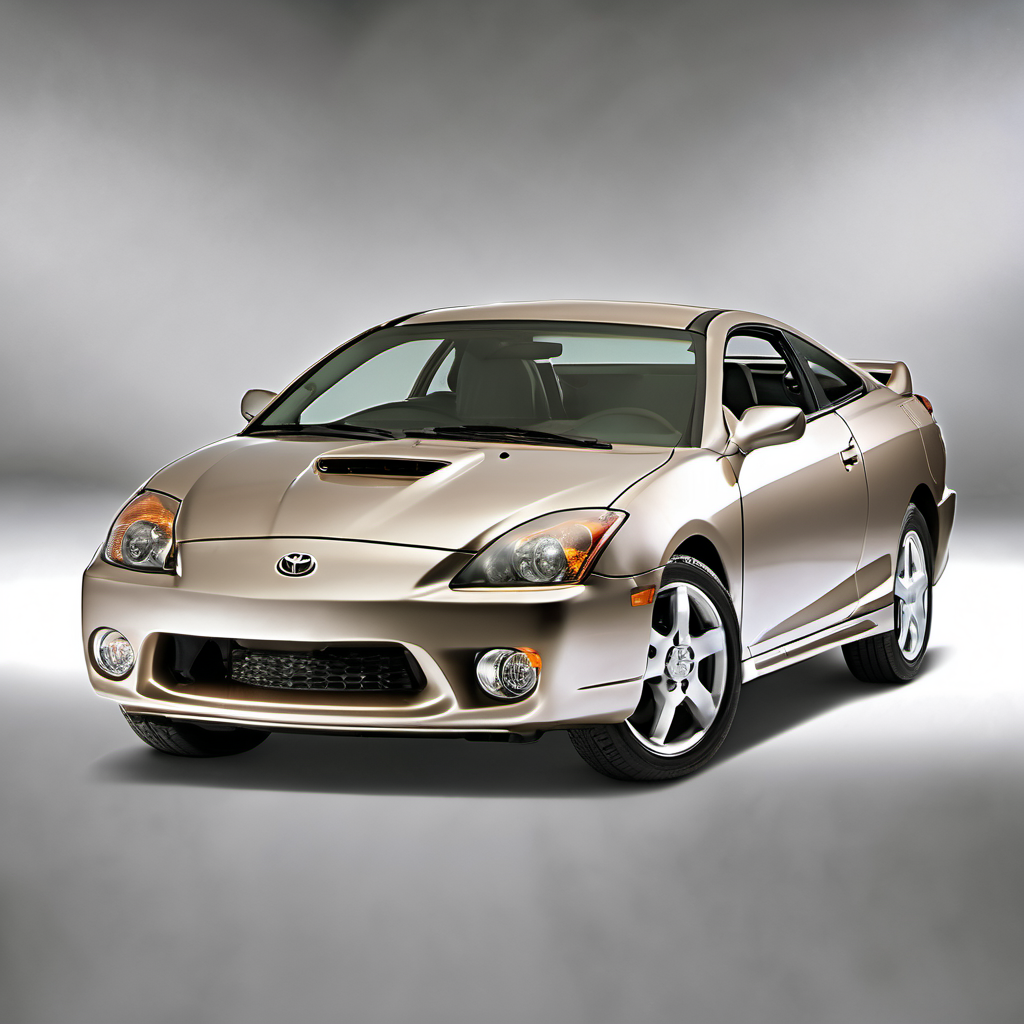
2004 Toyota
Hatchback
The 2004 Toyota Celica is the final model year of the seventh-generation (T230) platform, which ran from 2000 to 2005. It's a front-wheel-drive, two-door sport coupe built around either the 1ZZ-FE 140-hp engine (GT) or the high-revving 2ZZ-GE 180-hp engine (GT-S with VVTL-i lift). By 2004, the Celica had shed the all-wheel-drive turbocharged identity of earlier generations in favor of a lighter, naturally aspirated formula focused on handling and driver engagement. As the last year before discontinuation, 2004 examples are well-sorted and benefit from several years of minor refinements. The platform is fundamentally solid — tight body, precise steering, and a well-tuned suspension that translates well to winding Wisconsin back roads. Parts availability is good thanks to shared components with the Corolla (1ZZ) and Matrix/Pontiac Vibe (2ZZ). At this point these cars are 20+ years old, so condition matters far more than year. A well-maintained example with documented oil changes will run for years; a neglected one — especially a GT-S with the 2ZZ — can be expensive to repair. Buy on maintenance history, not price.
The 2004 Toyota Celica is the final model year of the seventh-generation (T230) platform, which ran from 2000 to 2005. It's a front-wheel-drive, two-door sport coupe built around either the 1ZZ-FE 140-hp engine (GT) or the high-revving 2ZZ-GE 180-hp engine (GT-S with VVTL-i lift). By 2004, the Celica had shed the all-wheel-drive turbocharged identity of earlier generations in favor of a lighter, naturally aspirated formula focused on handling and driver engagement. As the last year before discontinuation, 2004 examples are well-sorted and benefit from several years of minor refinements. The platform is fundamentally solid — tight body, precise steering, and a well-tuned suspension that translates well to winding Wisconsin back roads. Parts availability is good thanks to shared components with the Corolla (1ZZ) and Matrix/Pontiac Vibe (2ZZ). At this point these cars are 20+ years old, so condition matters far more than year. A well-maintained example with documented oil changes will run for years; a neglected one — especially a GT-S with the 2ZZ — can be expensive to repair. Buy on maintenance history, not price.
The 2ZZ-GE is sensitive to dirty oil; the VVTL-i system relies on oil pressure for proper lifter actuation. Short intervals are cheap insurance against the most expensive Celica repair.
These engines are not interference-free under all conditions; a misfiring plug on an aging coil puts stress on the catalytic converter and can cause rough running that owners mistake for bigger problems.
Toyota's long-life coolant degrades in older systems. Degraded coolant accelerates water pump seal wear — a common issue on high-mileage 1ZZ engines.
Torn CV boots allow grease to escape and grit to enter quickly, turning a $50 boot replacement into a $400 axle replacement.
Hydraulic motor mounts fail with age and heat cycling. Failed mounts stress exhaust flex sections and can cause drivability complaints misdiagnosed as engine problems.
Glycol-based brake fluid absorbs moisture over time, lowering the boiling point — a real concern during spirited driving and winter conditions.
Wisconsin road salt is the Celica's biggest long-term enemy. Annual undercarriage inspection and touch-up rustproofing on pinch welds and rockers will dramatically extend body life.
Both 1ZZ and 2ZZ use timing chains, not belts — no scheduled replacement, but chain stretch and tensioner wear can occur on neglected high-mileage engines. Listen for rattles on cold start.
Always defer to the manufacturer's service manual for warranty-mandated intervals.
The Celica is an affordable car to own if it's been maintained. Routine maintenance is modest and many parts are shared with the Corolla, keeping costs down. The exception is a neglected GT-S: VVTL-i repairs can run $800–$2,500+. Budget more for rustproofing and undercarriage maintenance given Wisconsin winters — that's money well spent on a car this age.
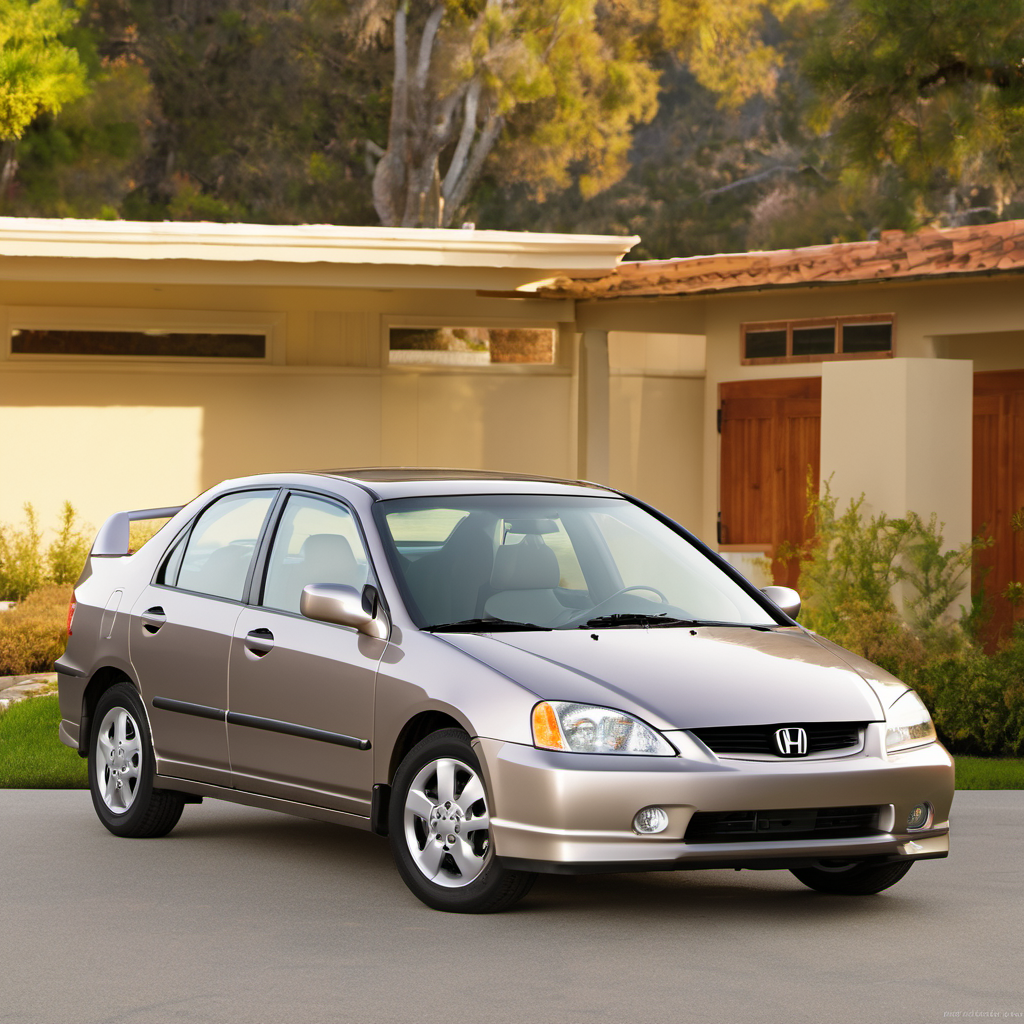
Same sport-compact mission, similar price range, also high-revving VTEC engine with strong reliability. The EP3 Si is a close rival in driving feel and ownership cost.
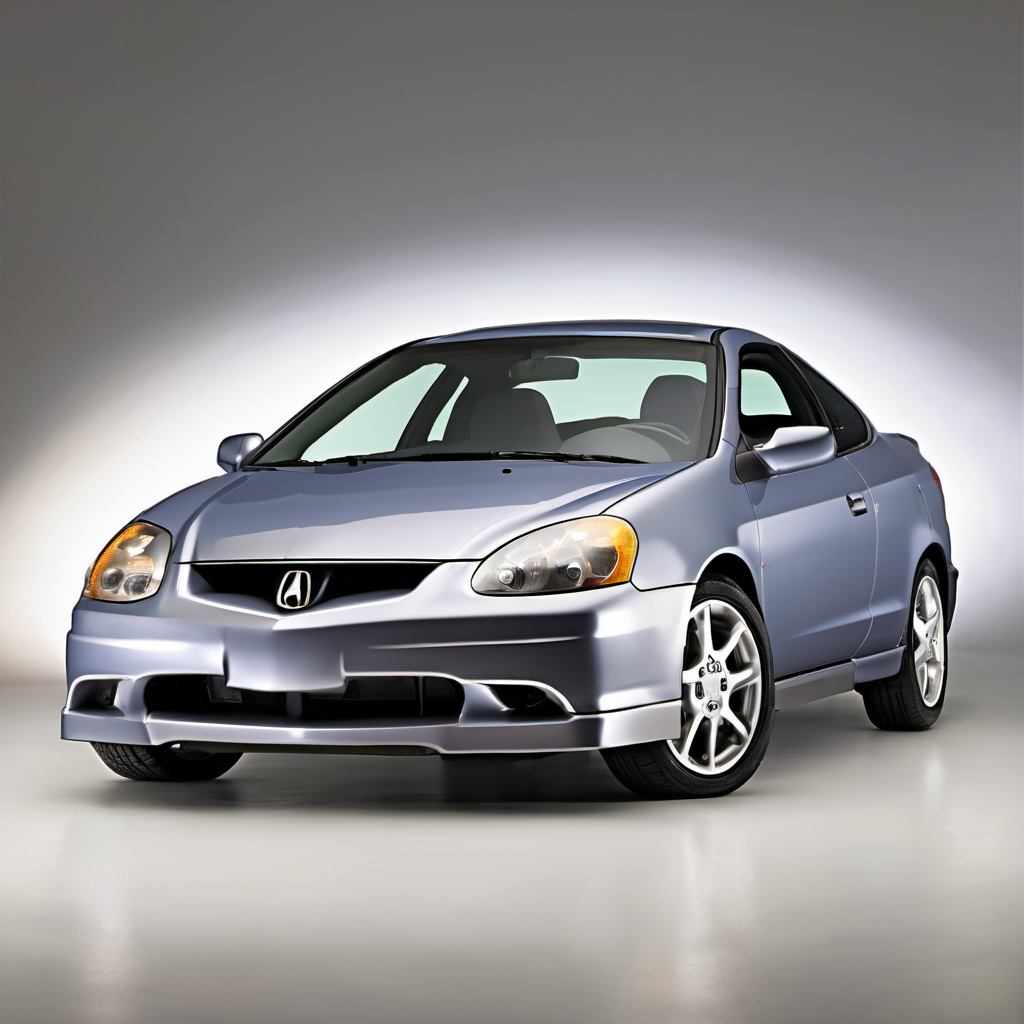
Step-up sport compact with more power and a more refined interior. Also Honda-based with strong reliability. Slightly higher price but comparable running costs.
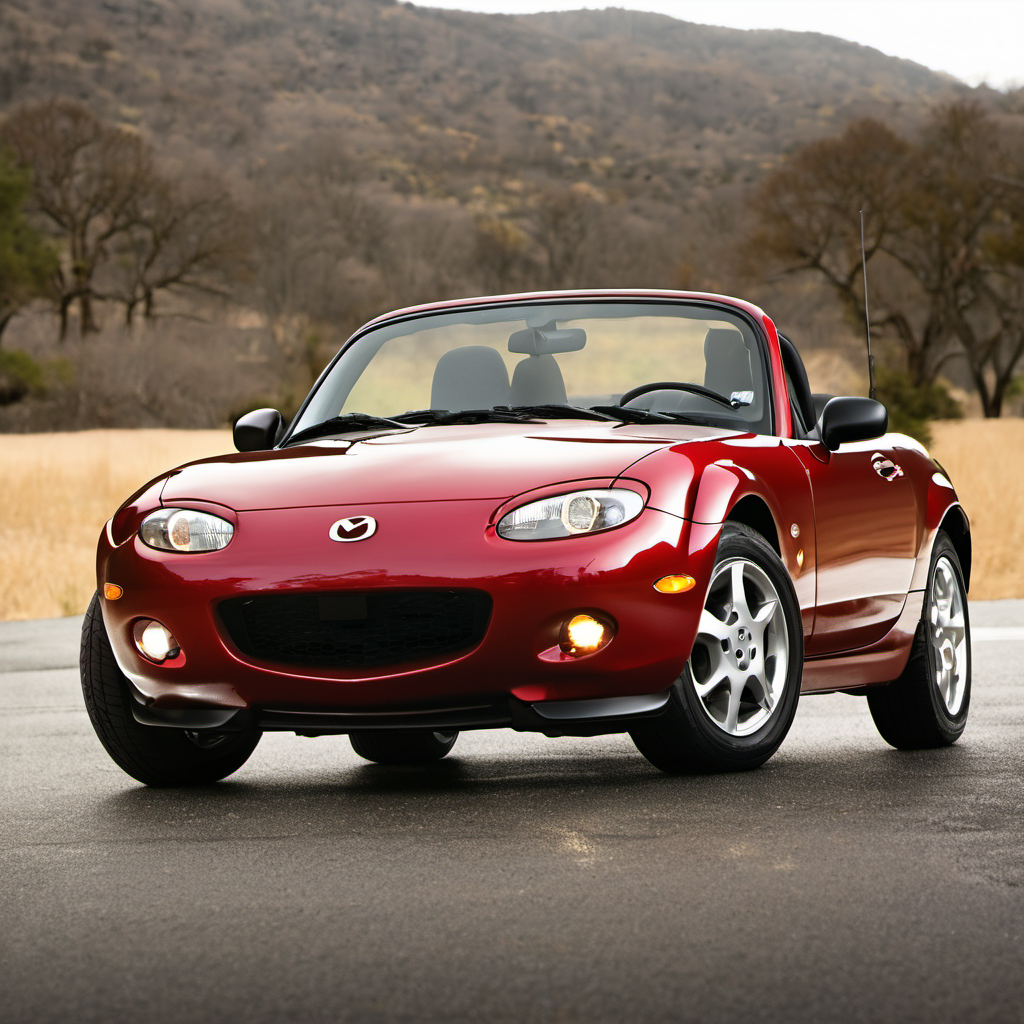
Similar driver-focused philosophy and price point. RWD instead of FWD, two-seat only, but arguably the best handling car in this price class. Less practical but more rewarding.
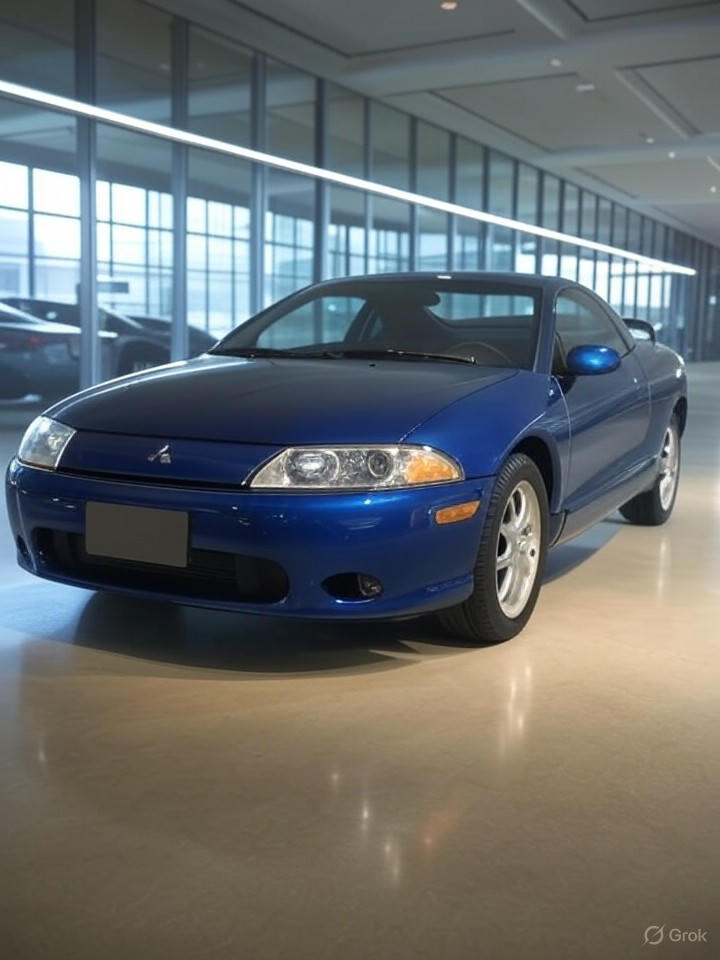
Competing sport coupe in the same era and price range. Wider body and available V6, but reliability lags behind Toyota and Honda alternatives. Worth knowing for comparison shopping.