Ignition Switch Failure (GM Recall)
high- Typically appears
- Any mileage
- Estimated repair
- $0 – $200
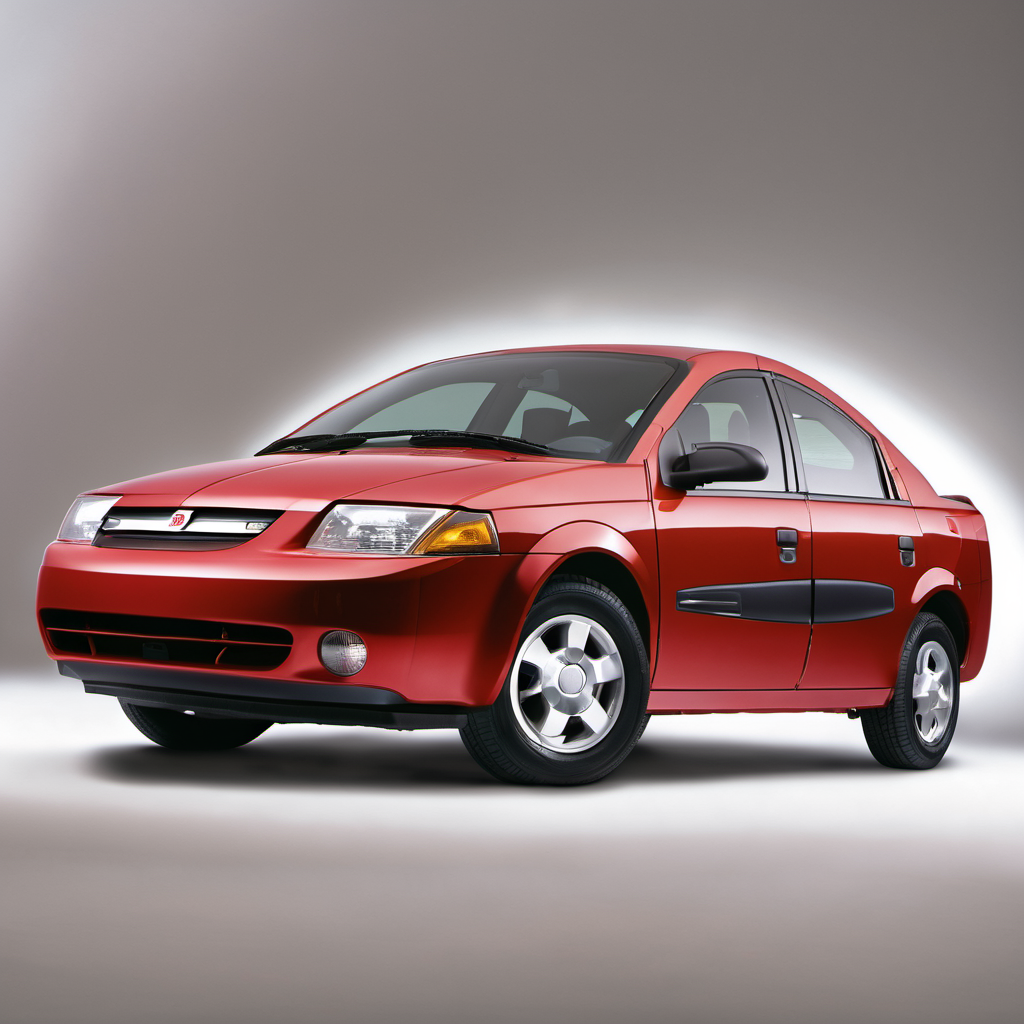
2004 Saturn
Sedan
The 2004 Saturn Ion is a compact sedan built on GM's Delta platform, replacing the outgoing S-Series. It was sold as an affordable, practical commuter aimed squarely at budget-conscious buyers. The Ion came in three trim levels (Ion 1, 2, and 3) and also offered a quad-coupe body style, though the sedan was the volume seller. Power comes from Saturn's Ecotec 2.2L four-cylinder in most trims, though the supplied specs reference a 2.0L unit — that fits the supercharged Red Line performance variant. For a standard sedan, the 2.2L Ecotec is the typical engine. Either way, these are simple, relatively easy-to-work-on GM four-cylinders. Reliability is adequate for the class, though the Ion carries a few known weak spots that buyers and owners should watch. At 20+ years old, most Ions on the road today have high mileage and modest market value. The cost of a repair can easily exceed the car's worth, so prioritizing mechanical soundness over cosmetics is critical when buying or maintaining one.
The 2004 Saturn Ion is a compact sedan built on GM's Delta platform, replacing the outgoing S-Series. It was sold as an affordable, practical commuter aimed squarely at budget-conscious buyers. The Ion came in three trim levels (Ion 1, 2, and 3) and also offered a quad-coupe body style, though the sedan was the volume seller. Power comes from Saturn's Ecotec 2.2L four-cylinder in most trims, though the supplied specs reference a 2.0L unit — that fits the supercharged Red Line performance variant. For a standard sedan, the 2.2L Ecotec is the typical engine. Either way, these are simple, relatively easy-to-work-on GM four-cylinders. Reliability is adequate for the class, though the Ion carries a few known weak spots that buyers and owners should watch. At 20+ years old, most Ions on the road today have high mileage and modest market value. The cost of a repair can easily exceed the car's worth, so prioritizing mechanical soundness over cosmetics is critical when buying or maintaining one.
The Ecotec's oil consumption tendency makes frequent changes and level checks between intervals essential. Use the manufacturer-specified viscosity (5W-30). Check the dipstick at every fuel fill-up.
Dex-Cool extended-life coolant degrades over time and can become acidic, attacking gaskets. Flush and refill on schedule to prevent intake and thermostat housing leaks.
Wisconsin road salt aggressively corrodes steel brake lines, fuel lines, and the subframe on this generation of GM compact. Catching pinhole leaks or surface rust early is far cheaper than emergency brake line replacement.
GM's 4T45-E automatic is not a sealed unit. Fresh fluid prevents shift quality deterioration and extends transmission life significantly on a car likely well into its second 100k miles.
The Ecotec uses iridium-tipped plugs on this generation. Worn plugs cause rough idle and misfires — and can accelerate oil consumption symptoms by increasing combustion pressure variability.
Do not ignore a power steering warning light or any increase in steering effort. EPS failure can progress quickly and leave you with no assist at low speeds where you need it most.
A marginal battery that starts fine in September will often fail in a Wisconsin January. Test cold-cranking amps (CCA) every fall; replace proactively if it's 3+ years old or showing reduced capacity.
A clogged PCV valve on the Ecotec can contribute to oil consumption and crankcase pressure buildup. Cheap to replace and easy to overlook.
Always defer to the manufacturer's service manual for warranty-mandated intervals.
The Ion is genuinely inexpensive to own when it's healthy. Parts are plentiful and cheap, labor hours are low on most jobs, and fuel costs are modest. The big financial risk is deferred maintenance catching up — especially rust-related brake work, which can be a $500–$1,800 surprise on a Wisconsin car. At current used market values ($1,500–$4,000), always weigh repair cost against the car's worth before authorizing major work.
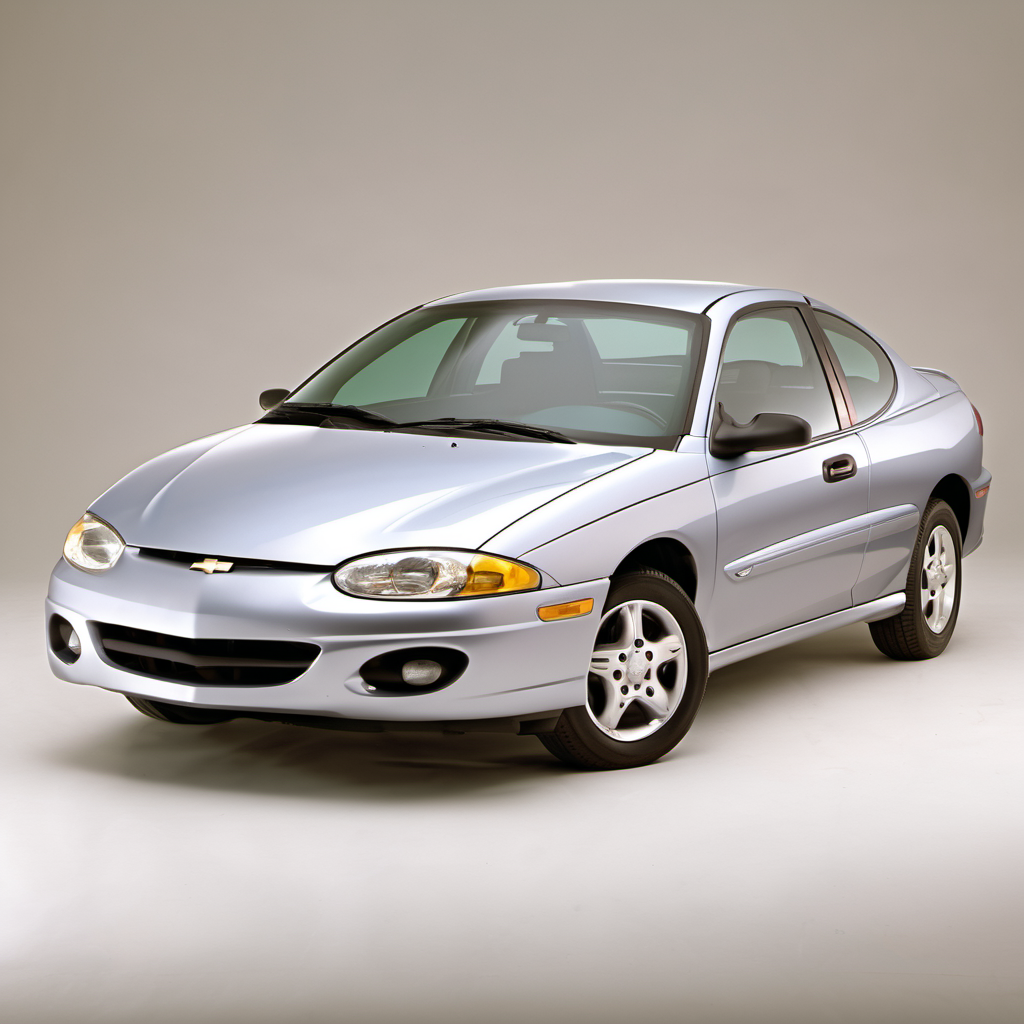
Same GM family, similar price and mission, shared dealer/parts ecosystem. Slightly simpler but arguably rustier in the Midwest.
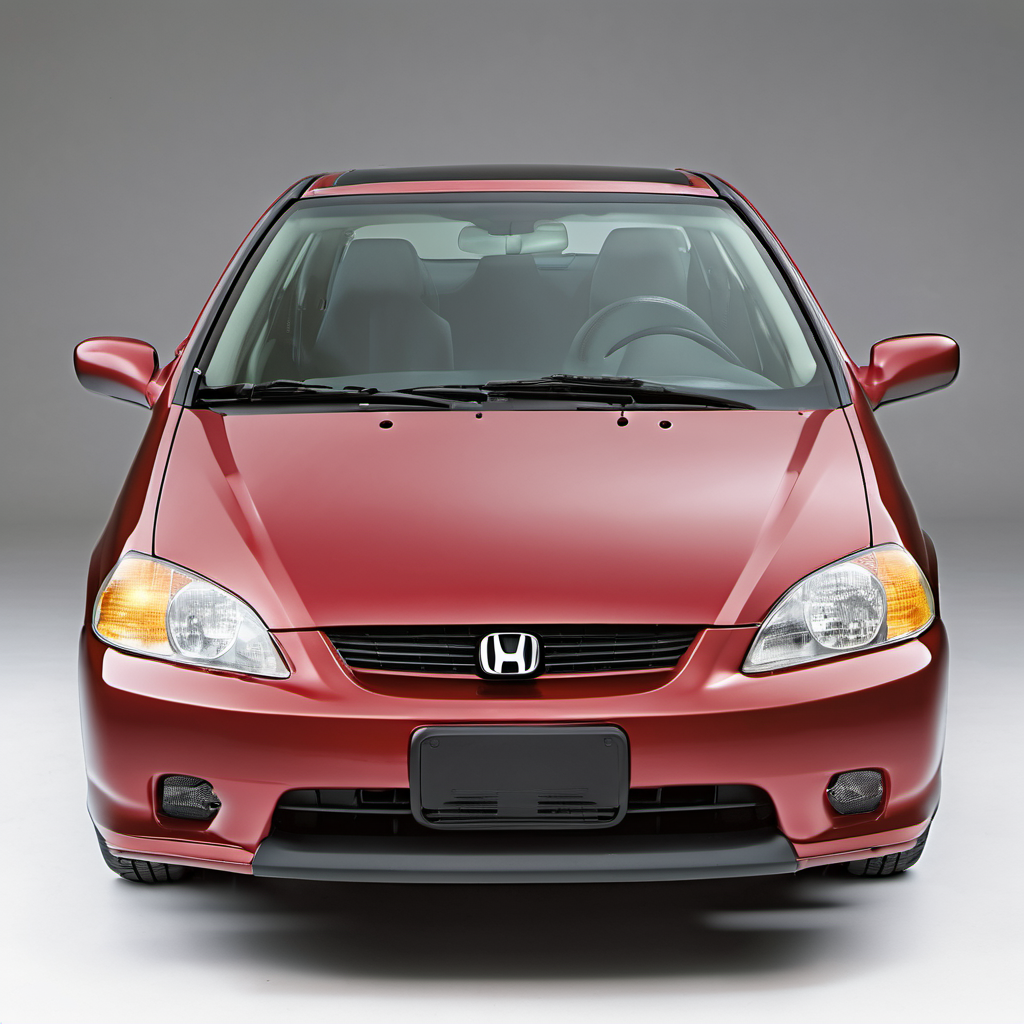
Same compact sedan segment, similar fuel economy, but with a significantly stronger long-term reliability reputation. Usually priced higher used.
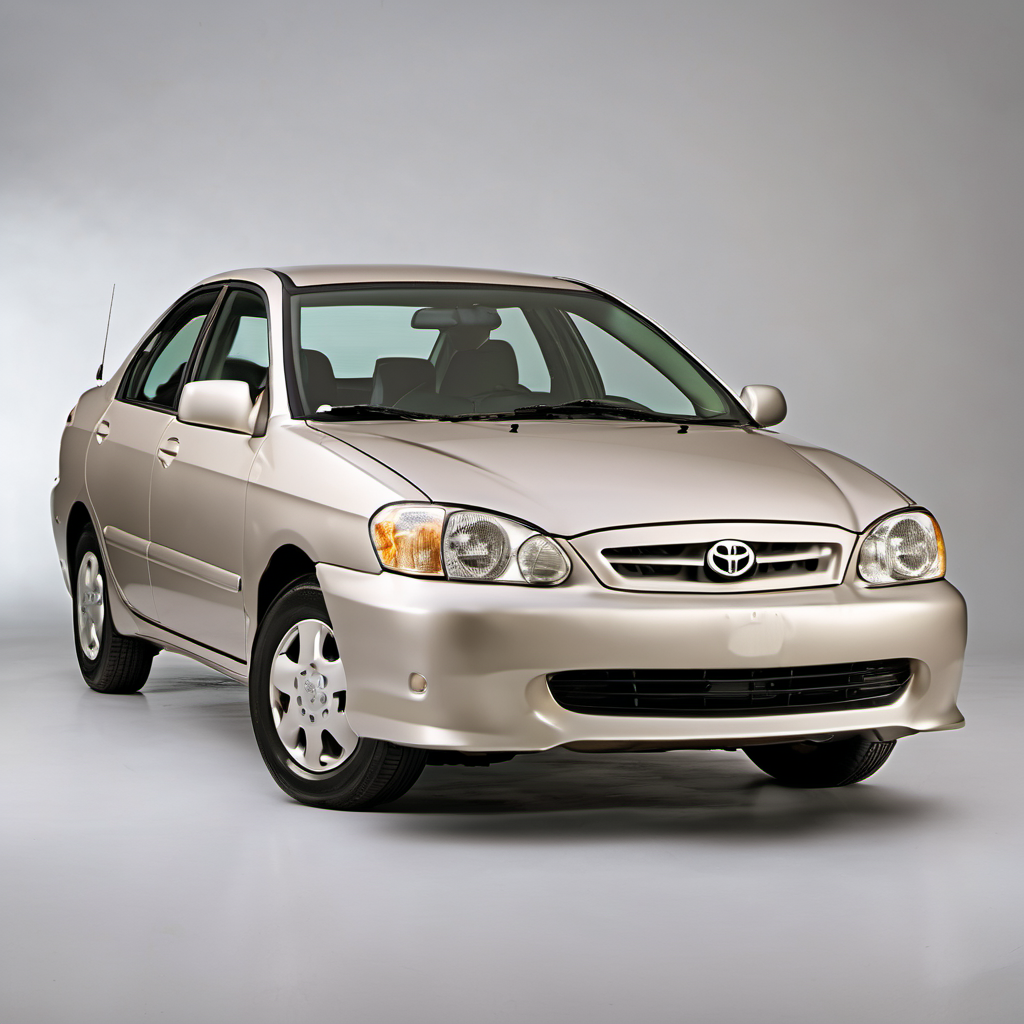
Direct competitor in the budget compact class. More proven long-term durability record; commands a premium on the used market but earns it.
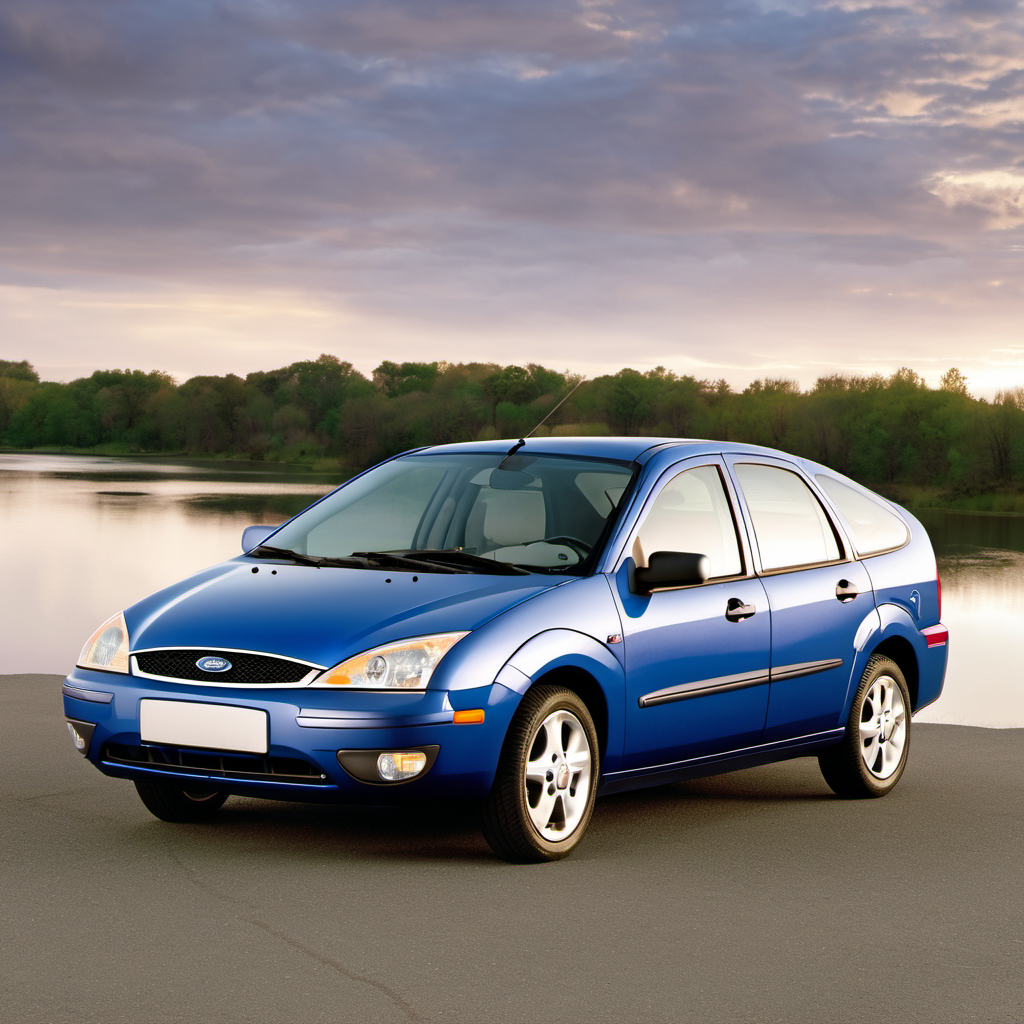
Similar price, similar segment, European-influenced handling. The 2.0L Zetec is comparable in displacement. Parts are equally cheap and available.