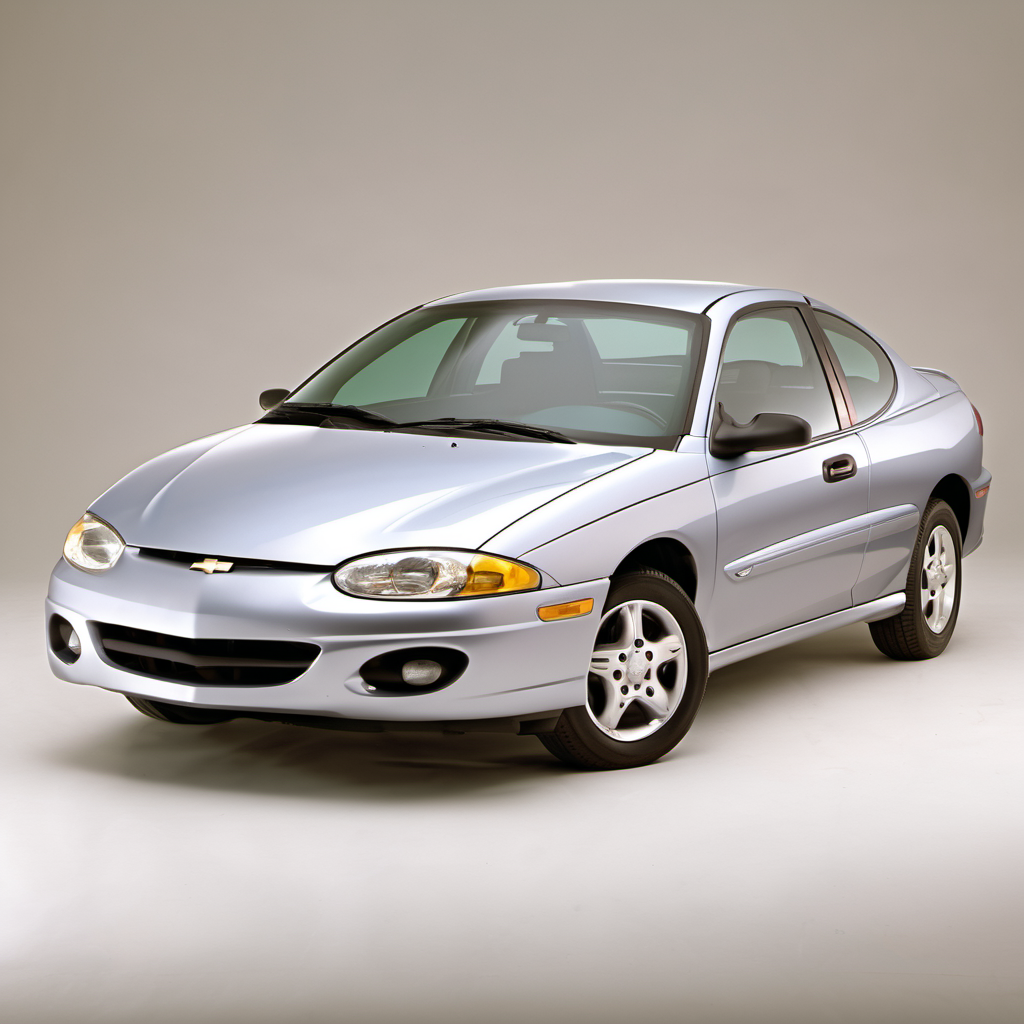
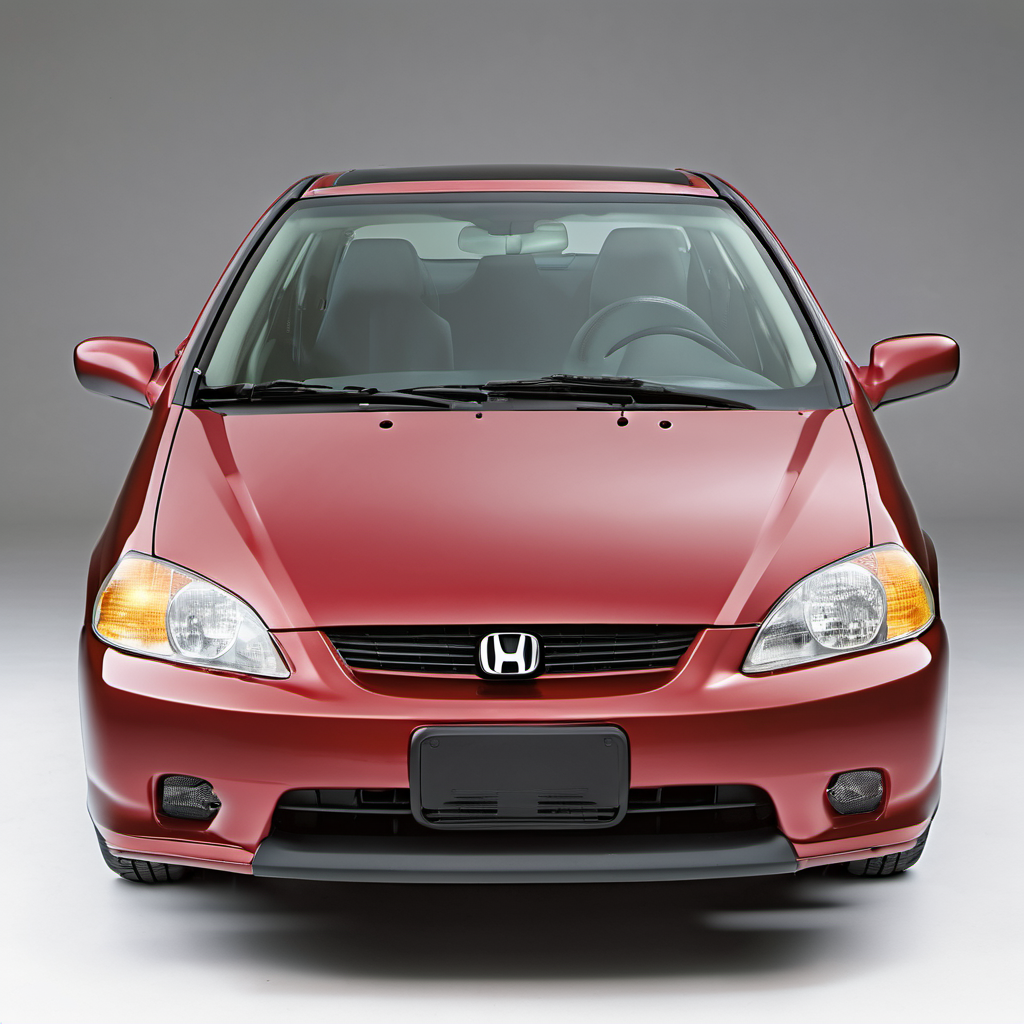
2004 Chevrolet Cavalier Sedan

2004 Chevrolet

CavalierSedan

Sedan

The 2004 Chevrolet Cavalier Sedan is the final model year of a nameplate that ran from 1982 to 2005. It's a front-wheel-drive compact built around the J-body platform, powered by GM's Ecotec 2.2L four-cylinder engine. By 2004, the Cavalier had been on the market long enough that most of the serious design bugs were ironed out, but it also hadn't received meaningful updates in years — it shows its age in interior quality and crash-test performance compared to Japanese rivals of the same era. On the plus side, the Ecotec 2.2L is a solid, durable engine that responds well to basic maintenance and can reach 150k–200k miles without major drama if oil changes are kept up. The transmission — a 4-speed automatic or 5-speed manual — is straightforward and generally reliable. Fuel economy is competitive for a 2004 compact, and parts are cheap and widely available across the Midwest. By 2024–2025, most surviving Cavaliers are high-mileage daily drivers or first cars. At this age the biggest threats are rust (Wisconsin roads are brutal on these), worn suspension, and deferred maintenance. If you're buying one, the price should reflect the age, and you should go in with eyes open about body and underbody corrosion.

Reliability
3/5
Verified data
Specs shown for Cavalier — the most common configuration. Other trims may vary in engine, drivetrain, or fuel economy. Sign in to see your vehicle's exact specs.
Engine
[object Object]
Drivetrain
FWD
Fuel
Gasoline
MPG
21 city / 31 hwy / 25 combined
Seats
Doors
Body
Compact Cars

Overview

AI-curated

The 2004 Chevrolet Cavalier Sedan is the final model year of a nameplate that ran from 1982 to 2005. It's a front-wheel-drive compact built around the J-body platform, powered by GM's Ecotec 2.2L four-cylinder engine. By 2004, the Cavalier had been on the market long enough that most of the serious design bugs were ironed out, but it also hadn't received meaningful updates in years — it shows its age in interior quality and crash-test performance compared to Japanese rivals of the same era. On the plus side, the Ecotec 2.2L is a solid, durable engine that responds well to basic maintenance and can reach 150k–200k miles without major drama if oil changes are kept up. The transmission — a 4-speed automatic or 5-speed manual — is straightforward and generally reliable. Fuel economy is competitive for a 2004 compact, and parts are cheap and widely available across the Midwest. By 2024–2025, most surviving Cavaliers are high-mileage daily drivers or first cars. At this age the biggest threats are rust (Wisconsin roads are brutal on these), worn suspension, and deferred maintenance. If you're buying one, the price should reflect the age, and you should go in with eyes open about body and underbody corrosion.

Known for
  • Affordable to buy, own, and repair — parts are everywhere
  • Ecotec 2.2L engine is durable when maintained
  • Decent highway fuel economy for a 2004 compact
  • Simple, mechanic-friendly drivetrain with no exotic systems
Best for
  • Budget-conscious commuters needing basic, reliable transportation
  • First-time car owners learning to maintain a vehicle
  • Short urban and highway commutes
  • Buyers comfortable with high-mileage older vehicles
Watch for
  • Significant underbody and rocker panel rust on Wisconsin/salt-belt cars
  • Intake manifold gasket issues on higher-mileage examples
  • Interior quality is noticeably behind Japanese competitors of the same year
  • Older airbag and safety systems — not competitive with modern crash ratings
  • Deferred maintenance is extremely common on budget-priced used examples

Common issues by mileage

6 known

Intake Manifold Gasket Leak

high
Typically appears
80–150k mi
Estimated repair
$200 – $450

Oxygen Sensor Failure (upstream/downstream)

medium
Typically appears
80–130k mi
Estimated repair
$120 – $280

Struts and Shock Absorbers Worn Out

high
Typically appears
70–120k mi
Estimated repair
$350 – $650

Rocker Panel and Underbody Rust (salt-belt)

high
Typically appears
Any mileage on Wisconsin/Midwest cars
Estimated repair
$300 – $1,800

Coolant Leak from Water Pump or Thermostat Housing

medium
Typically appears
90–160k mi
Estimated repair
$150 – $400

Wheel Bearing Failure (front)

medium
Typically appears
100–150k mi
Estimated repair
$180 – $320

Maintenance schedule

  1. 1
    Every 5,000 miles or 6 months Engine oil and filter change

    The Ecotec 2.2L is oil-change sensitive. Neglected oil accelerates cam and valve train wear. Use a full synthetic 5W-30 for cold Wisconsin starts.

  2. 2
    Every 50,000 miles or 5 years Coolant flush and fill

    GM's Dex-Cool orange coolant degrades and can turn acidic, contributing to intake and gasket issues. Keep it fresh and at the correct level.

  3. 3
    Every 60,000 miles Spark plug replacement

    The Ecotec 2.2L uses iridium-tip plugs at this interval. Worn plugs cause misfires and reduce fuel economy noticeably.

  4. 4
    Every 60,000 miles or at first sign of cracking Serpentine belt inspection and replacement

    Cold Wisconsin winters accelerate belt cracking. A snapped belt leaves you stranded and can damage accessories.

  5. 5
    Every 3 years or 45,000 miles Brake fluid flush

    Brake fluid absorbs moisture over time, lowering boiling point and accelerating caliper corrosion — especially relevant in a salt-belt state.

  6. 6
    Every 50,000 miles or when bounce or noise is noticed Front strut and rear shock inspection

    These are frequently worn on high-mileage Cavaliers and affect both handling and tire wear on Wisconsin's rough roads.

  7. 7
    Every 15,000–20,000 miles Cabin and engine air filter replacement

    A clogged engine air filter robs fuel economy and strains the MAF sensor. The cabin filter is cheap insurance against dust and pollen.

  8. 8
    Every fall before winter and every spring after Underbody rust inspection

    Wisconsin road salt is the number-one killer of this vehicle. Check brake lines, fuel lines, subframe, and rocker panels. Catch rust early when it's still treatable.

Always defer to the manufacturer's service manual for warranty-mandated intervals.

Cost of ownership

Annual maintenance
$400 – $900
Fuel
At 25 MPG combined and ~12,000 miles/year, expect roughly $1,300–$1,600/year at current Midwest gas prices. Highway-heavy drivers will land toward the lower end.
Insurance
Typically among the lowest in class — an older, low-value compact with no special features. Expect $600–$1,000/year for full coverage depending on driver profile, but many owners carry liability only.

The Cavalier is one of the cheapest cars to own on paper. Parts are abundant and inexpensive, labor hours are short, and fuel costs are modest. The wild card is rust repair and deferred maintenance catch-up on a used example — budget an extra $500–$1,500 upfront if buying used to address the most common wear items.
Seasonal care

Lake Geneva, WI
Winter
  • Test and replace the battery if it's over 3–4 years old — cold cranking amps drop sharply below 20°F and the Ecotec 2.2L needs a strong battery to start reliably in Wisconsin winters.
  • Switch to a full synthetic 5W-30 engine oil if not already using one; it flows far better at sub-zero temperatures than conventional oil.
  • Inspect and treat brake lines and fuel lines for rust every fall — salt spray accelerates corrosion on these critical components.
  • Use winter-rated washer fluid rated to at least -20°F; the standard summer fluid will freeze in the reservoir and lines.
  • Install winter wiper blades or verify existing blades clear the windshield completely — a streaky wiper on a slushy Wisconsin highway is a safety hazard.
  • Check tire tread depth and consider winter tires — the Cavalier's light curb weight and FWD setup can struggle for traction on ice.
Summer
  • Inspect the A/C system for refrigerant level and compressor clutch engagement — the system is old enough that seals may leak; recharging is inexpensive but don't ignore a warm cabin.
  • Check tire pressure monthly; pressure drops roughly 1 PSI for every 10°F of temperature change, and under-inflated tires wear faster and reduce fuel economy.
  • Inspect the coolant reservoir and radiator hoses for swelling or cracking — heat soak accelerates hose degradation on a 20-year-old vehicle.
  • Make sure the cooling fan operates correctly; a failed fan relay is cheap to fix but causes rapid overheating in stop-and-go summer traffic.

Comparable vehicles

If you're shopping for one

Red flags
  • Any soft or holed-through rust on the rocker panels or subframe — repair cost can exceed the car's value
  • Coolant that smells sweet inside the cabin or white exhaust smoke — head gasket failure
  • Check engine light that the seller claims 'just came on' — scan it before buying, not after
  • Automatic transmission that slips, clunks, or hunts between gears — rebuilds are often worth more than the car
  • Missing service history on a high-mileage example — Ecotec engines that haven't had regular oil changes show it fast
What to inspect
  • Rocker panels, door bottoms, and wheel arches for rust — probe with a screwdriver to check for soft metal under surface rust
  • Brake lines and fuel lines under the vehicle for rust-through, especially near the rear axle
  • Coolant color and level — brown or oily coolant indicates a head or intake gasket problem
  • Strut bounce test at all four corners — a car that keeps bouncing after one push needs struts now
  • Check that the A/C blows cold and heat gets hot — blend door actuators and the compressor are age-sensitive
  • Listen for front wheel bearing hum at 40–60 mph on a straight road
AI profile generated 16 days ago · claude-sonnet-4-6 · v2.