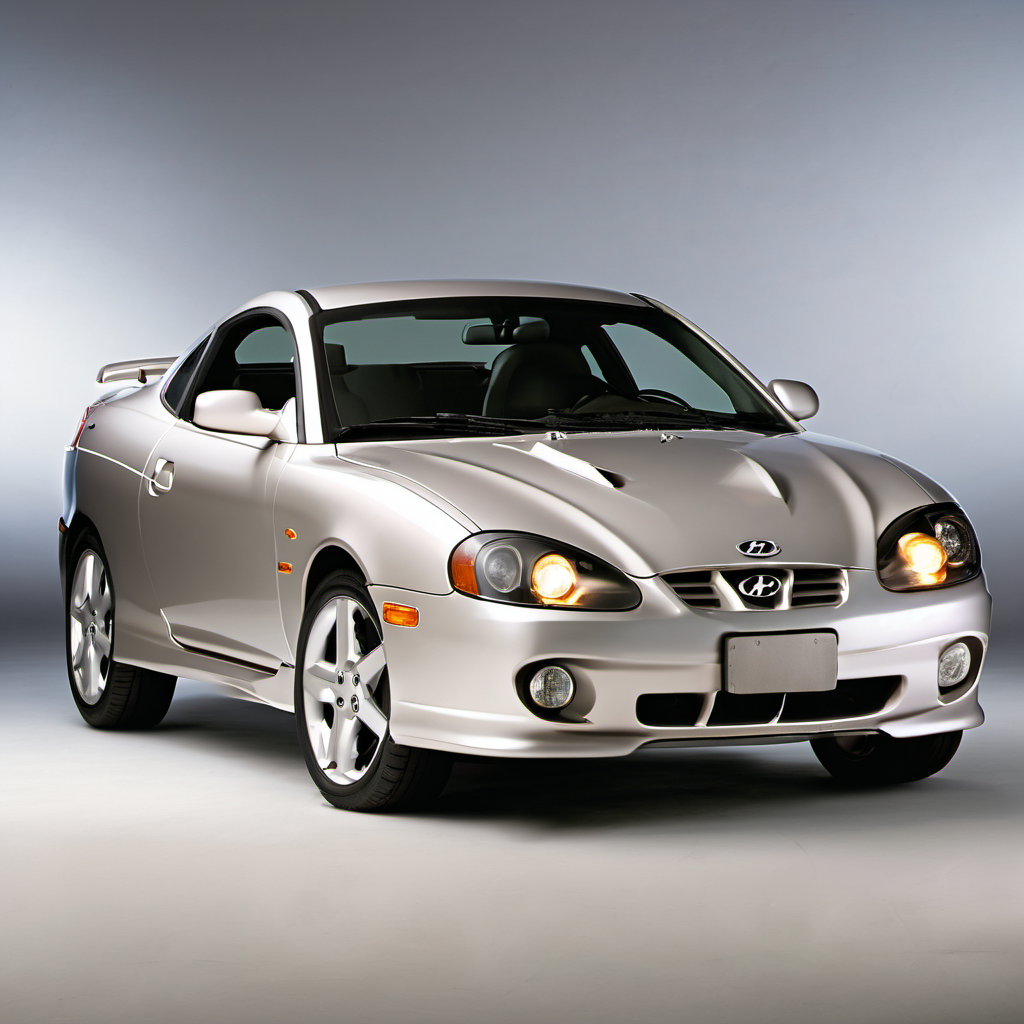
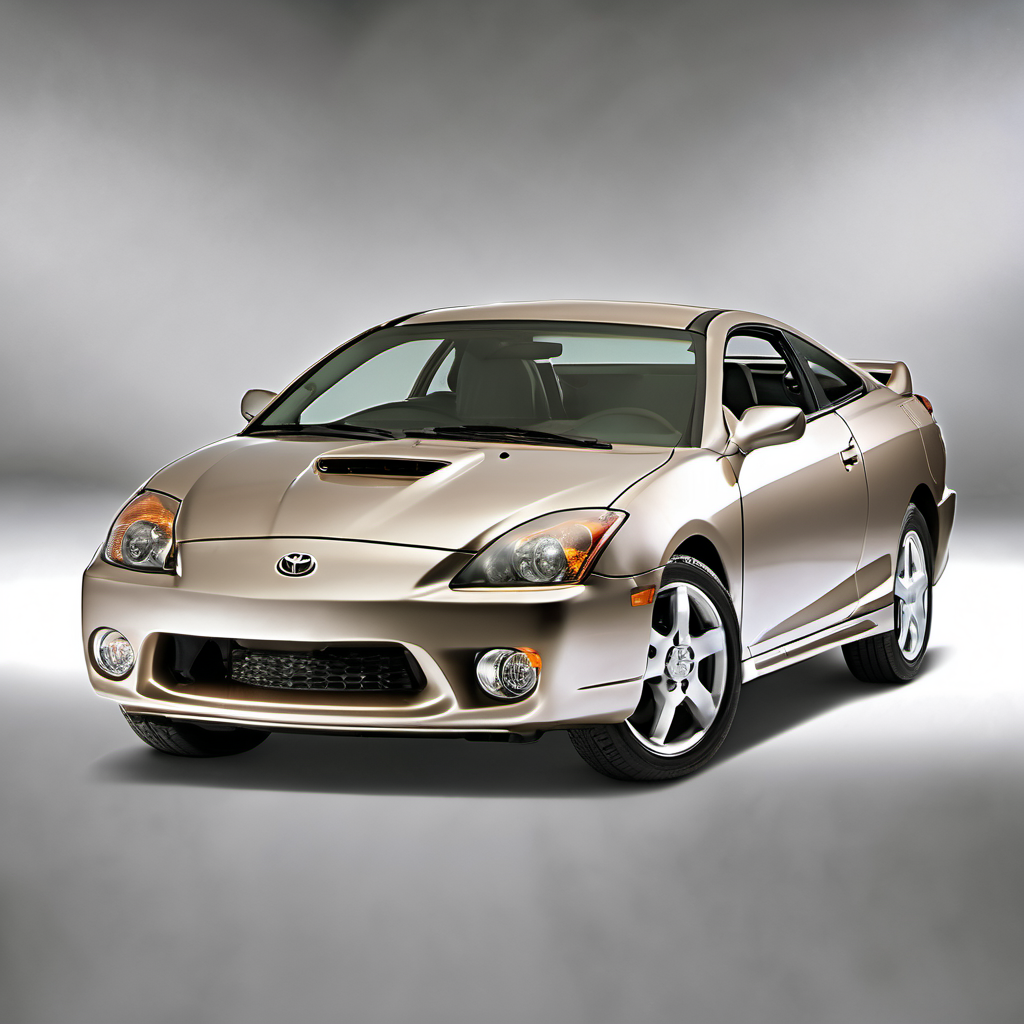
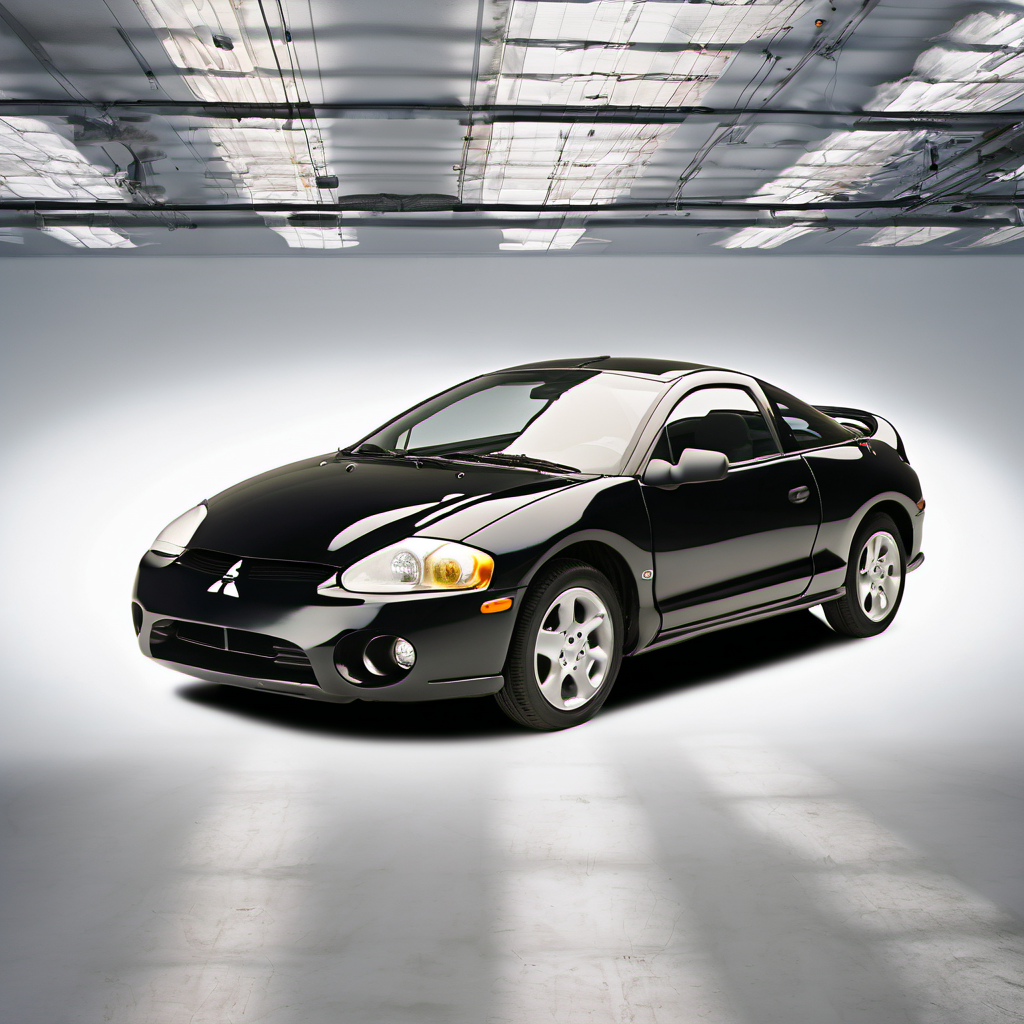
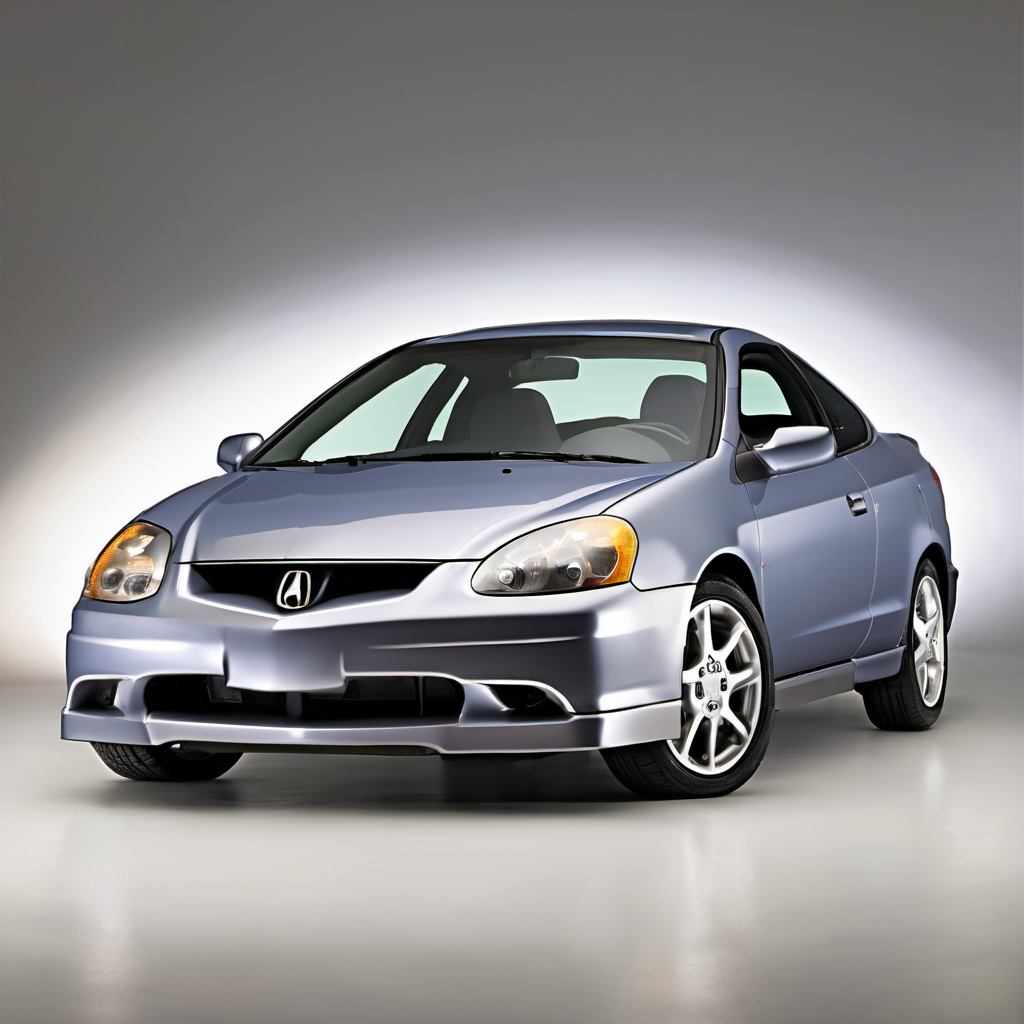
2004 Hyundai Tiburon Coupe

2004 Hyundai

TiburonCoupe

Coupe

The 2004 Hyundai Tiburon is a front-wheel-drive sport coupe built on the Elantra platform, styled to punch above its price point. It came with either a 2.0L four-cylinder or the optional 2.7L V6, giving buyers a genuine entry into sporty driving without the insurance costs of a traditional sports car. By 2004 the Tiburon had been through its second-generation refresh, gaining sharper styling and a stiffer chassis. On the road it's a competent, fun daily driver for someone who wants coupe looks and responsive handling on a budget. The 2.0L four-banger is adequate rather than exciting, but it's honest transportation that sips fuel reasonably well. The V6 variant is noticeably more engaging if you can find one in good shape. At 20 years old these cars are firmly in high-mileage or enthusiast territory. Many were driven hard by younger owners, so condition varies enormously. A clean, well-maintained example is a solid value; a neglected one can become a money pit quickly.

Reliability
3/5
Verified data
Specs shown for Tiburon — the most common configuration. Other trims may vary in engine, drivetrain, or fuel economy. Sign in to see your vehicle's exact specs.
Engine
[object Object]
Drivetrain
FWD
Fuel
Gasoline
MPG
20 city / 27 hwy / 22 combined
Seats
Doors
Body
Subcompact Cars

Overview

AI-curated

The 2004 Hyundai Tiburon is a front-wheel-drive sport coupe built on the Elantra platform, styled to punch above its price point. It came with either a 2.0L four-cylinder or the optional 2.7L V6, giving buyers a genuine entry into sporty driving without the insurance costs of a traditional sports car. By 2004 the Tiburon had been through its second-generation refresh, gaining sharper styling and a stiffer chassis. On the road it's a competent, fun daily driver for someone who wants coupe looks and responsive handling on a budget. The 2.0L four-banger is adequate rather than exciting, but it's honest transportation that sips fuel reasonably well. The V6 variant is noticeably more engaging if you can find one in good shape. At 20 years old these cars are firmly in high-mileage or enthusiast territory. Many were driven hard by younger owners, so condition varies enormously. A clean, well-maintained example is a solid value; a neglected one can become a money pit quickly.

Known for
  • Distinctive Italian-influenced coupe styling
  • Affordable entry-level sport driving experience
  • Tight, go-kart-like handling for a FWD coupe
  • Good parts availability for a discontinued model
  • Loyal enthusiast community
Best for
  • Budget-conscious buyers who want sporty looks
  • Single drivers or couples — very limited rear seat room
  • Drivers comfortable with basic DIY maintenance
  • Enthusiasts willing to overlook minor quirks for the price
Watch for
  • High-mileage examples with deferred maintenance on timing belt
  • Rust in wheel wells and rocker panels — especially brutal in Wisconsin salt
  • Modified examples with unknown repair history
  • Worn suspension bushings and struts common at this age
  • A/C systems that have sat unused and leaked refrigerant

Common issues by mileage

6 known

Timing Belt Failure

high
Typically appears
60–105k mi (and every 60k thereafter)
Estimated repair
$350 – $600

Oxygen Sensor Failure (Bank 1 Sensor 1)

medium
Typically appears
80–150k mi
Estimated repair
$150 – $300

Struts and Shock Absorbers Worn Out

high
Typically appears
80–130k mi
Estimated repair
$400 – $750

Automatic Transmission Slipping / Rough Shifts

medium
Typically appears
100–150k mi
Estimated repair
$800 – $2,500

A/C Compressor or Refrigerant Leak

medium
Typically appears
Any mileage on older, dormant systems
Estimated repair
$200 – $900

Rust — Rocker Panels, Wheel Wells, and Undercarriage

high
Typically appears
Any — age/exposure dependent
Estimated repair
$300 – $2,000

Maintenance schedule

  1. 1
    Every 60,000 miles — no exceptions Timing belt and water pump replacement

    This is an interference engine. A snapped belt destroys the engine. The water pump is driven by the same belt; replace them together to avoid paying twice.

  2. 2
    Every 5,000 miles or 6 months Engine oil and filter change

    The Beta II engine tolerates neglect poorly at high mileage. Frequent oil changes are cheap insurance against sludge buildup.

  3. 3
    Every 30,000 miles or 2 years Coolant flush

    Old coolant loses its corrosion inhibitors. With a 20-year-old cooling system, degraded coolant accelerates water pump and radiator deterioration.

  4. 4
    Every 2 years Brake fluid flush

    Brake fluid is hygroscopic and absorbs moisture over time. Wisconsin winters stress braking systems; fresh fluid maintains proper pedal feel and prevents internal corrosion.

  5. 5
    Every 60,000 miles or when cracking is visible Inspect and replace drive belts (serpentine)

    At 20 years, any original or early-replacement belts are due. A snapped serpentine belt kills the alternator and power steering instantly.

  6. 6
    Every 30,000 miles or at each tire rotation Inspect suspension bushings, ball joints, and tie rod ends

    Road salt accelerates bushing deterioration. Worn components cause uneven tire wear and imprecise handling — important to catch early on a sport-tuned suspension.

  7. 7
    Every 30,000 miles (conventional) or 60,000 miles (iridium) Spark plug replacement

    Worn plugs stress the ignition coil and cause misfires. Straightforward DIY job on the 2.0L four-cylinder.

  8. 8
    Every spring after winter season Undercarriage and rocker panel rust inspection

    Wisconsin road salt attacks exposed metal aggressively. Catching surface rust early and treating it costs far less than structural repairs.

Always defer to the manufacturer's service manual for warranty-mandated intervals.

Cost of ownership

Annual maintenance
$600 – $1,400
Fuel
At 22 mpg combined and roughly 12,000 miles/year, expect 545–600 gallons annually. At Midwest pump prices (~$3.20–$3.50/gal regular), budget approximately $1,750–$2,100/year in fuel.
Insurance
Typically low — older sport coupes in this price range often run $900–$1,400/year for full coverage in Wisconsin, depending on driver age and record. Younger drivers will pay more.

This is a budget-friendly car to own when it's healthy. Routine maintenance is inexpensive and many jobs are DIY-friendly. The risk is deferred maintenance: a skipped timing belt service or ignored rust can turn a $3,000 car into a $5,000 repair bill fast. Budget on the higher end of the maintenance range for the first year of ownership to get everything caught up.
Seasonal care

Lake Geneva, WI
Winter
  • Flush and refill washer fluid with a -20°F or lower rated formula before first freeze — standard fluid freezes in Lake Geneva winters and can crack the reservoir.
  • Inspect the battery; cold-cranking amps drop sharply below 20°F and a marginal battery will leave you stranded. Replace any battery over 3–4 years old.
  • Switch to winter-rated or all-season tires — the Tiburon's sport-tuned suspension and FWD calibration offer limited traction on snow with summer performance tires.
  • Apply a thick undercarriage spray or rust inhibitor before first snow to protect against road salt, especially on rocker panels and wheel well seams.
  • Verify the coolant mixture is correct (typically 50/50 antifreeze/water) to handle sub-zero temps without freezing.
  • Check that the cabin heater and defroster are fully functional — a clogged heater core or weak blower motor is a safety issue in extreme cold.
Summer
  • Check tire pressure monthly — air expands in heat and an over-inflated tire on a sport-tuned suspension reduces wet traction and increases wear.
  • Test A/C refrigerant charge before summer; 20-year-old systems lose charge slowly, and a marginal system will fail on a 90°F day.
  • Inspect coolant hoses for softness, cracking, or swelling — heat soak accelerates rubber degradation on older hoses.
  • Park in shade when possible; the low roofline and large glass area make the cabin heat up quickly, stressing the dashboard and interior plastics.
  • Flush and top off coolant if not done recently — an old cooling system under summer load is the most common cause of overheating on high-mileage vehicles.

Comparable vehicles

If you're shopping for one

Red flags
  • No timing belt service history at any mileage over 65,000 miles
  • Visible rust on the rocker panels, frame rails, or floor pan
  • Automatic transmission that hesitates, slips, or shifts harshly
  • Any sign of overheating history — stained coolant reservoir, milky oil cap, warped hood paint above the engine
  • Heavy modifications without documentation of what was done and by whom
  • Check engine light on — scan for codes before buying; P0012 or P0015 camshaft timing codes on this car can mean oil sludge or a stretched timing chain/belt
What to inspect
  • Pull the timing belt cover or ask for documentation — confirm the timing belt has been replaced within the last 60,000 miles. Walk away if there's no record.
  • Lift the car and inspect rocker panels, floor pan seams, and wheel wells for rust perforation. Surface rust is manageable; structural rust is not.
  • Start the engine cold and listen for ticking or knocking during the first minute — oil pressure issues and worn valve train show up at cold start.
  • Test every A/C and heat function; repairs on a 20-year-old system are common and can be expensive.
  • Drive it on the highway and through several hard acceleration pulls — automatic transmissions that slip or clunk are a red flag.
  • Inspect the suspension by pushing on each corner: bouncing more than once or twice means worn shocks/struts.
  • Check for aftermarket modifications (lowering springs, intakes, exhaust) — these can mask underlying issues and sometimes introduce new ones.
AI profile generated 1 hr ago · claude-sonnet-4-6 · v2.