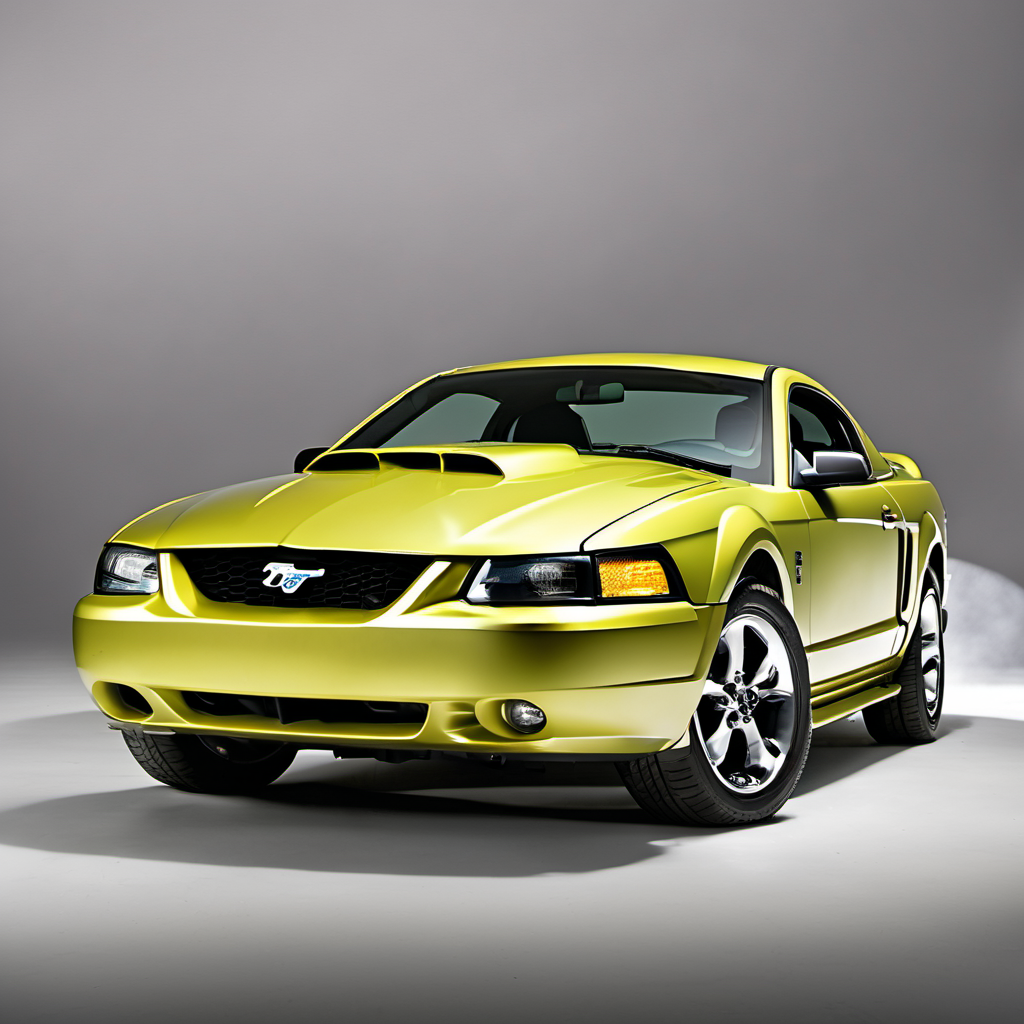
2004 Ford Mustang Convertible

2004 Ford

MustangConvertible

Convertible

The 2004 Ford Mustang Convertible is part of the fourth-generation SN95 platform, now in its final year before the complete redesign that arrived for 2005. This drop-top is powered by Ford's 3.8L Essex V6, a well-worn workhorse that makes it an accessible entry point into Mustang ownership without the insurance hit of the GT. It seats four, though the rear is tight for adults, and the convertible top is manual — functional and simple, but a two-handed job. At 20 years old, this car has crossed firmly into classic-car territory. Parts are widely available and cheap, independent shops are familiar with it, and the ownership community is huge. That said, age is working against the soft top, seals, and any underbody steel that's lived a Wisconsin life. A thorough inspection is non-negotiable on any used example at this point. This is a weekend cruiser and fair-weather fun car more than a daily driver. The V6 version in particular trades performance for affordability — it's best thought of as a stylish, inexpensive convertible rather than a muscle car. Buyers who want more punch should look for the GT trim with the 4.6L V8.

Reliability
3/5
Verified data
Specs shown for Mustang — the most common configuration. Other trims may vary in engine, drivetrain, or fuel economy. Sign in to see your vehicle's exact specs.
Engine
[object Object]
Drivetrain
RWD
Fuel
Gasoline
MPG
17 city / 25 hwy / 20 combined
Seats
Doors
Body
Subcompact Cars

Overview

AI-curated

The 2004 Ford Mustang Convertible is part of the fourth-generation SN95 platform, now in its final year before the complete redesign that arrived for 2005. This drop-top is powered by Ford's 3.8L Essex V6, a well-worn workhorse that makes it an accessible entry point into Mustang ownership without the insurance hit of the GT. It seats four, though the rear is tight for adults, and the convertible top is manual — functional and simple, but a two-handed job. At 20 years old, this car has crossed firmly into classic-car territory. Parts are widely available and cheap, independent shops are familiar with it, and the ownership community is huge. That said, age is working against the soft top, seals, and any underbody steel that's lived a Wisconsin life. A thorough inspection is non-negotiable on any used example at this point. This is a weekend cruiser and fair-weather fun car more than a daily driver. The V6 version in particular trades performance for affordability — it's best thought of as a stylish, inexpensive convertible rather than a muscle car. Buyers who want more punch should look for the GT trim with the 4.6L V8.

Known for
  • Affordable open-air driving with classic Mustang styling
  • Large parts and enthusiast community
  • Simple, easy-to-service manual soft top
  • RWD platform with predictable handling
Best for
  • Weekend cruisers and fair-weather drivers
  • First-time sports car or convertible owners
  • Budget-conscious Mustang enthusiasts
  • Collectors wanting an entry-level SN95 drop-top
Watch for
  • Soft top weatherstripping and rear window deterioration on high-mileage examples
  • Underbody and frame rail rust — critical in Wisconsin salt-belt cars
  • 3.8L intake manifold coolant leak (known design weakness)
  • Aging cooling system components causing overheating

Common issues by mileage

6 known

Intake Manifold Coolant Leak

high
Typically appears
60–120k mi
Estimated repair
$400 – $750

Soft Top Weatherstripping and Rear Window Delamination

high
Typically appears
Any — age-related on 20-year-old cars
Estimated repair
$300 – $900

Underbody and Frame Rail Rust

high
Typically appears
Any — especially salt-belt vehicles
Estimated repair
$300 – $2,500

Cooling System Component Failure (Thermostat, Hoses, Water Pump)

medium
Typically appears
80–130k mi
Estimated repair
$200 – $600

Worn Rear Wheel Bearings

medium
Typically appears
90–150k mi
Estimated repair
$200 – $450

Maintenance schedule

  1. 1
    Every 5,000 miles Oil and filter change

    The 3.8L Essex runs hot and is sensitive to oil sludge. Fresh oil is the cheapest engine insurance on this motor.

  2. 2
    Every 30,000 miles or every 2 years Coolant flush and system inspection

    The plastic intake manifold is the weak link. Keeping coolant fresh and pH-balanced slows corrosion and helps catch a developing leak before it becomes an overheating event.

  3. 3
    Every 30,000 miles Spark plugs and plug wires

    Original plug wires and plugs on a high-mileage car are a common cause of rough idle and misfires. Straightforward DIY or low-cost shop job.

  4. 4
    Every 60,000 miles Serpentine belt and tensioner inspection/replacement

    A 20-year-old belt is a breakage risk. Tensioner failure is also common and inexpensive to prevent.

  5. 5
    Annually — before winter Undercarriage wash, rust inspection, and touch-up coating on exposed metal

    Lake Geneva road salt is brutal. Frame rails, subframe connectors, and rear axle housing are rust entry points. Catch it early — repair costs escalate fast once it gets structural.

  6. 6
    Annually — before winter Soft top inspection: seams, weatherstripping, rear window clarity, drain tubes

    Water intrusion from a failing top leads to floor pan rust, mold, and electrical issues. Clear the drain tubes — blocked ones flood the interior.

  7. 7
    Every 2 years or if sluggish cranking Battery load test and terminal cleaning

    Wisconsin winters are hard on batteries. A 20-year-old charging system should also have the alternator output tested at the same time.

  8. 8
    Every 30,000 miles Brake fluid flush

    Brake fluid absorbs moisture over time, lowering its boiling point and accelerating caliper corrosion — both problems on a car this age.

Always defer to the manufacturer's service manual for warranty-mandated intervals.

Cost of ownership

Annual maintenance
$600 – $1,400
Fuel
At 20 combined MPG and typical Wisconsin driving, expect $1,500–$2,200/year at current fuel prices depending on mileage driven.
Insurance
Typically low — V6 classification and classic-car age put this in a favorable bracket. Shop around; agreed-value collector policies can be cost-effective if mileage is low.

The 3.8L V6 Mustang Convertible is an inexpensive car to own on paper. Parts are plentiful and cheap, and independent shops know this platform well. The wildcard is deferred maintenance and rust remediation on a 20-year-old salt-belt car — a single intake manifold job or soft-top replacement can spike costs in any given year. Budget $800–$1,200/year for routine upkeep and keep a $1,500 reserve for the unexpected.

Seasonal care

Lake Geneva, WI
Winter
  • Load-test the battery before temperatures drop — cold cranking amps drop sharply below 20°F and this car's charging system is showing its age.
  • Switch to a full-synthetic 5W-30 if not already running it; it flows faster on sub-zero Wisconsin mornings and protects the 3.8L during cold starts.
  • Inspect and treat soft-top weatherstripping with a conditioner to prevent cracking in freezing temps; a brittle seal = a wet interior.
  • Clear the convertible top drain tubes before snow season — packed debris causes interior flooding when snow melts.
  • Top off with -40°F-rated washer fluid; the reservoir is prone to cracking if diluted fluid freezes.
  • Rinse the undercarriage every 1–2 weeks during active salting periods — this car's frame rails are already 20 years into their fight with rust.
Summer
  • Check tire pressure monthly — heat increases pressure and the RWD setup makes an over-inflated rear tire a handling issue.
  • Inspect the cooling system before hot weather: hose condition, thermostat function, and coolant level. Overheating from a failed intake manifold gasket is a real risk on this engine.
  • Clean and condition the soft top fabric and rear plastic window with appropriate products — UV exposure degrades both quickly in summer sun.
  • Run the A/C system early in the season to verify it's holding charge; the condenser is 20 years old and refrigerant leaks are common at this age.
  • Check that the radiator and A/C condenser fins are clear of road debris — restricted airflow is the first step toward overheating in stop-and-go traffic.

Comparable vehicles

2004 Chevrolet
Camaro

Direct pony car rival, same era, convertible available, RWD, similar V6 base engine and price point — though the Camaro was discontinued after 2002, making 2001–2002 examples the comparable set.

No catalog match
2004 Pontiac
Firebird

GM's other F-body pony car, discontinued after 2002. Convertible Trans Am and Formula trims competed directly with the Mustang GT; the base V6 Firebird lines up with this V6 Mustang on price and mission.

No catalog match
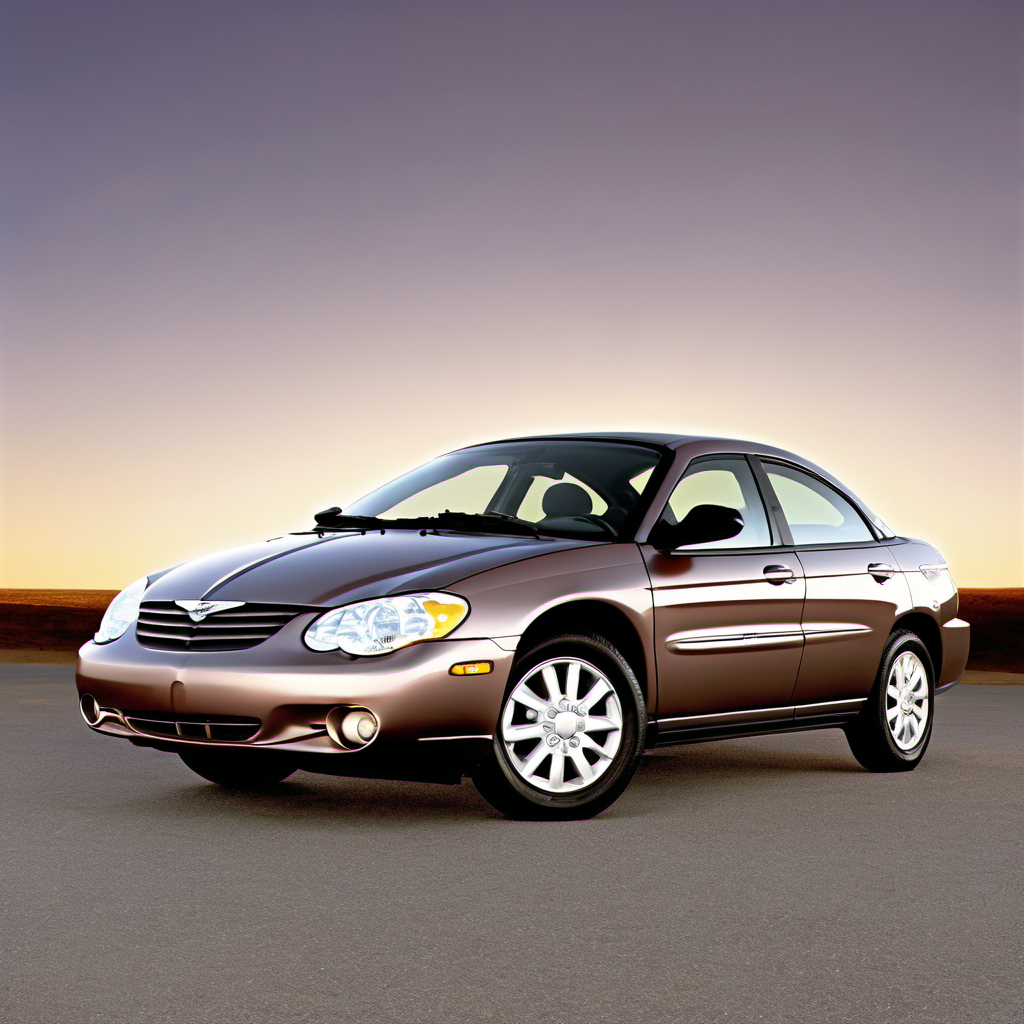
2004 Chrysler Sebring
2004 Chrysler
Sebring

Affordable convertible in the same price band and era. FWD rather than RWD, less sporty, but a direct competitor for buyers prioritizing open-air driving over performance.
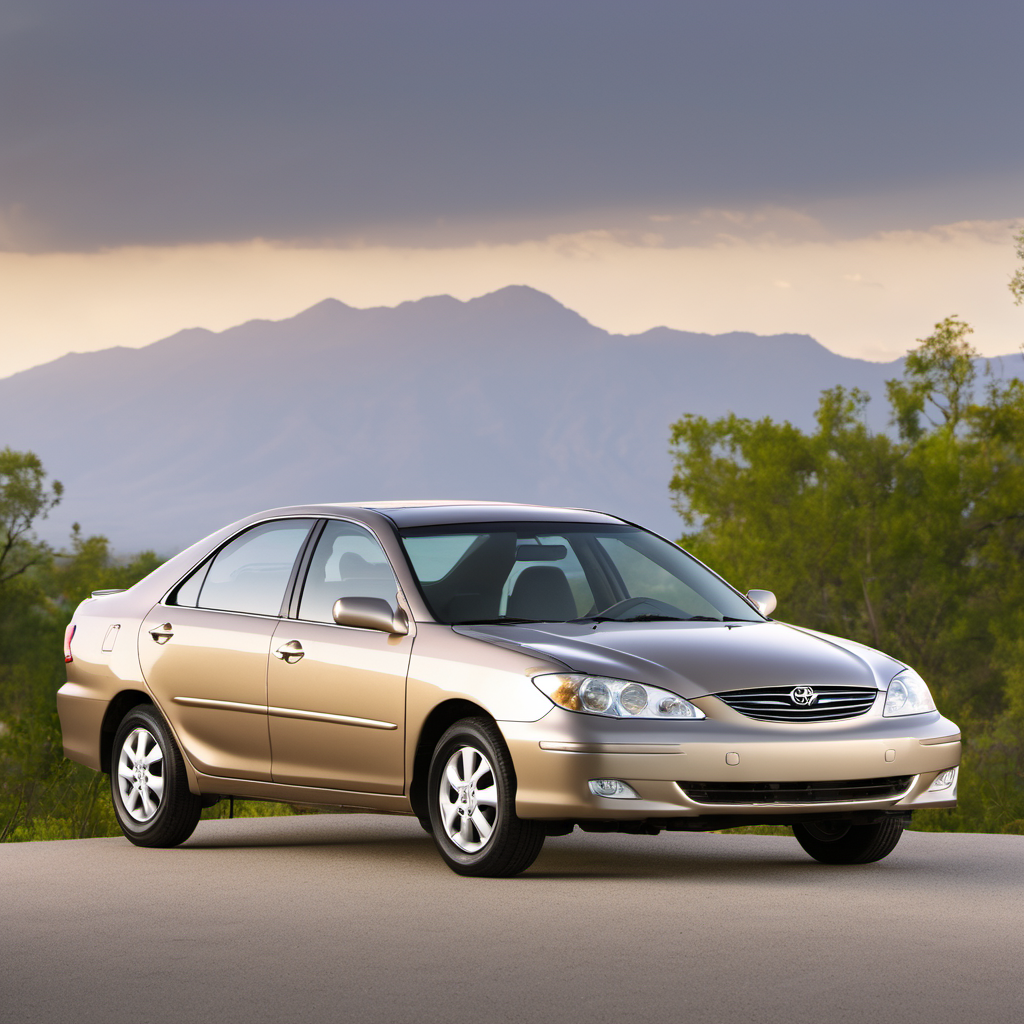
2004 Toyota Camry Solara
2004 Toyota
Camry Solara

Another affordable convertible from the same era. More reliable platform but front-wheel drive and less character. Buyers cross-shopping an open-top daily driver often considered this against the V6 Mustang.

If you're shopping for one

Red flags
  • Any rust bubbling through the paint on the rockers, lower quarter panels, or trunk lid — surface rust spreads fast and structural rust is a deal-breaker.
  • Coolant loss with no visible external leak — suspect intake manifold gasket; walk away or price the repair before buying.
  • Musty or mold smell inside the cabin — indicates chronic water intrusion; remediation is expensive and difficult.
  • Soft top that won't latch or seal fully at highway speed — full replacement runs $300–$900 and should be negotiated into the price.
  • Evidence of an overheating event: warped valve cover, staining around the thermostat housing, or a repair history showing a head gasket job.
  • Missing service records on a high-mileage example — the intake manifold and cooling system maintenance history is critical on this engine.
What to inspect
  • Frame rails and subframe connectors for rust perforation — get it on a lift and probe with a screwdriver, not just a visual check.
  • Soft top seams, rear plastic window clarity, and weatherstripping for cracking or separation.
  • Coolant condition and level; look for milky residue under the oil cap (head gasket) or white/orange deposits around the intake manifold (coolant leak).
  • All four drain tubes at the convertible top's perimeter — block them with a garden hose and confirm water exits at the rocker; if not, the tub will flood.
  • Floor pan and trunk for water intrusion stains, mold smell, or damp carpet — a sign the top or drains have failed.
  • Brake condition front and rear — look for grooved rotors and cracked brake hoses at 20 years old.
  • Tire date codes — tires older than 6 years should be replaced regardless of tread depth.
AI profile generated 1 hr ago · claude-sonnet-4-6 · v2.