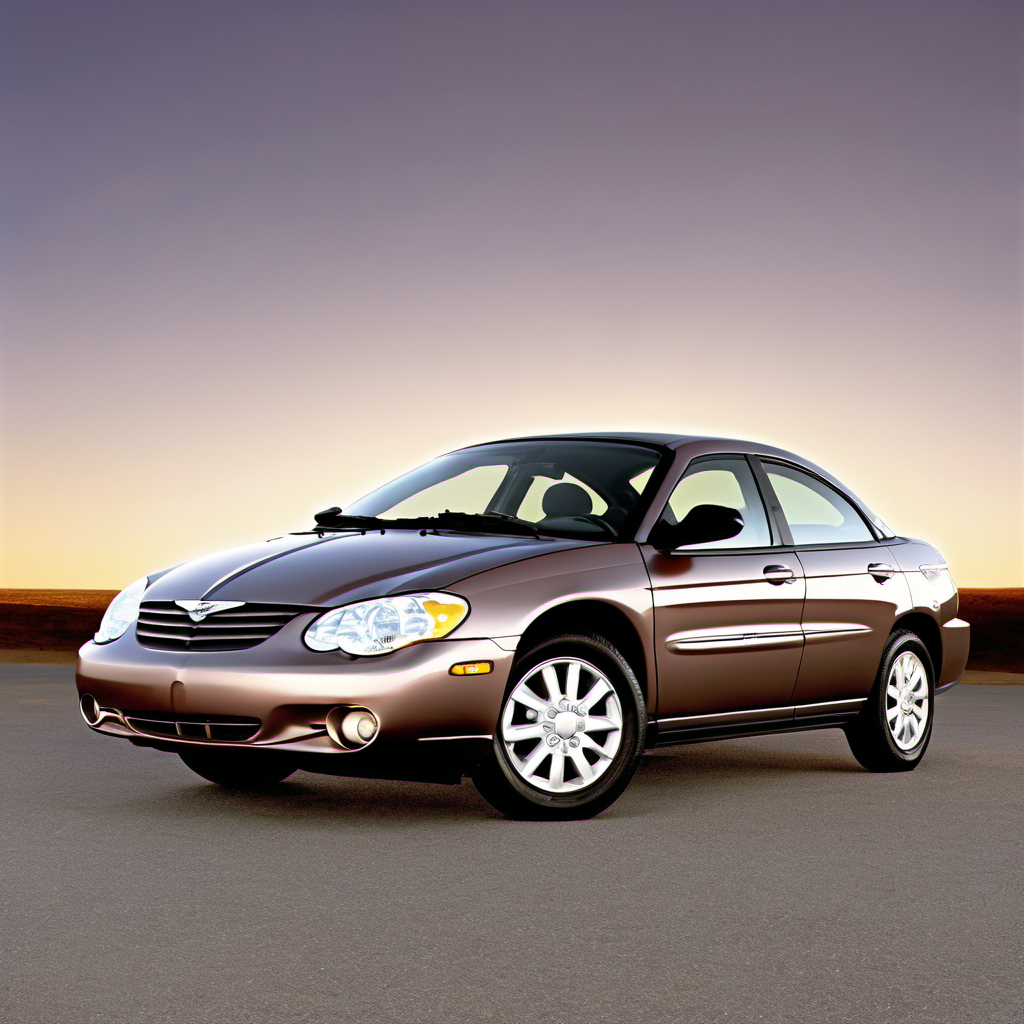
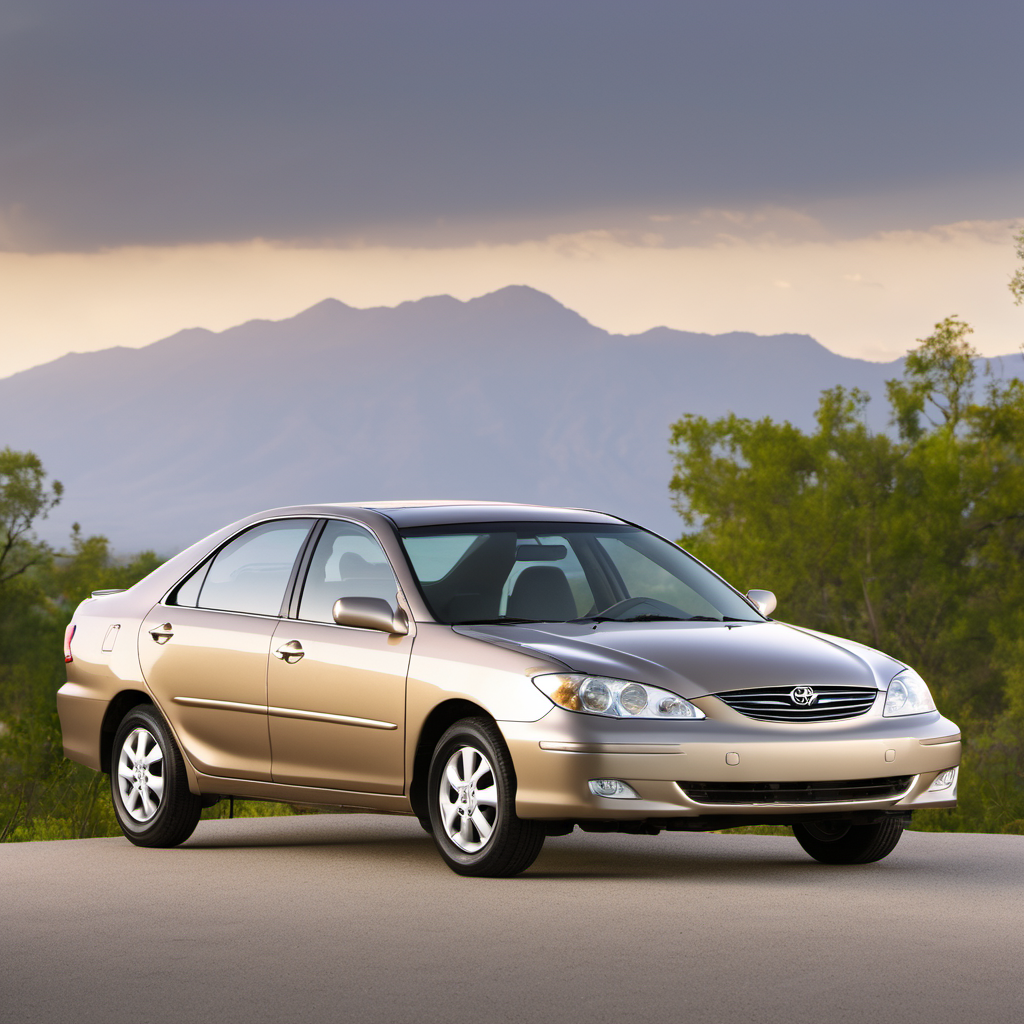
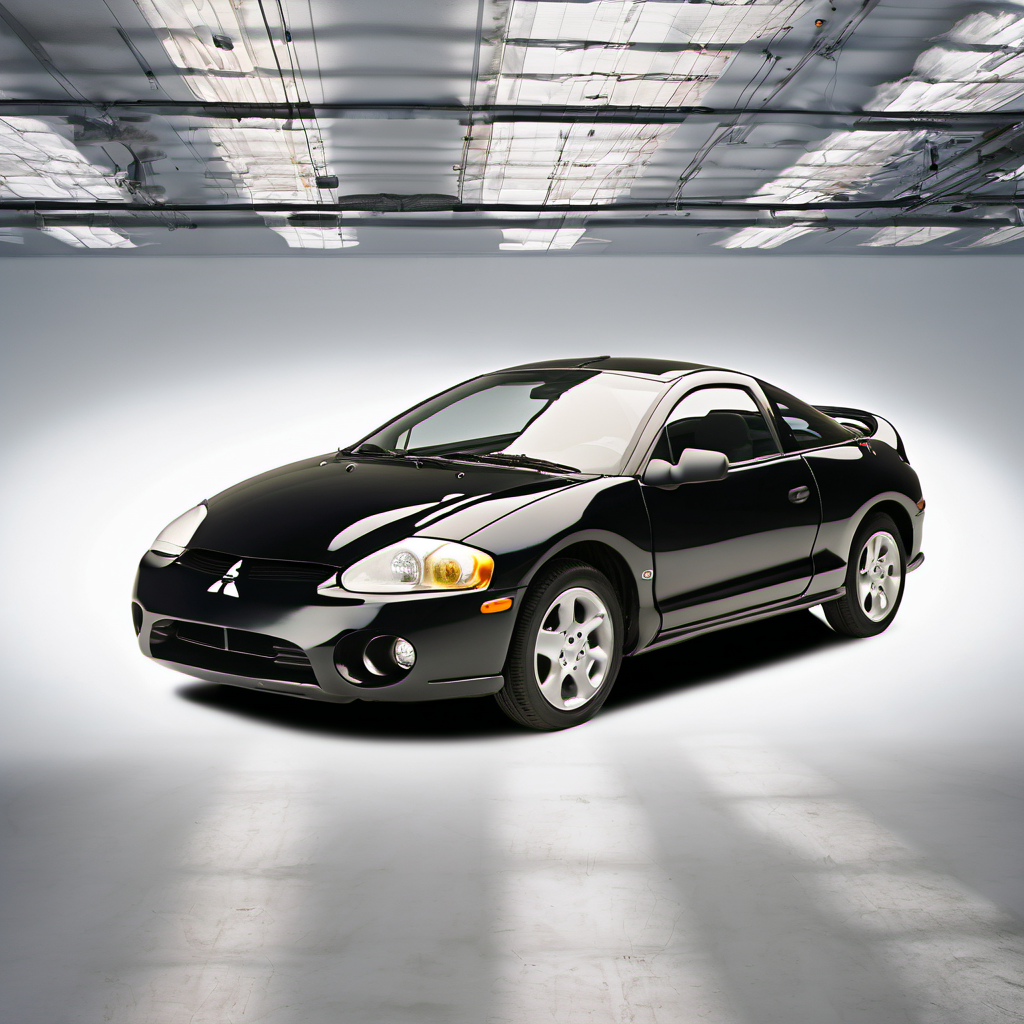
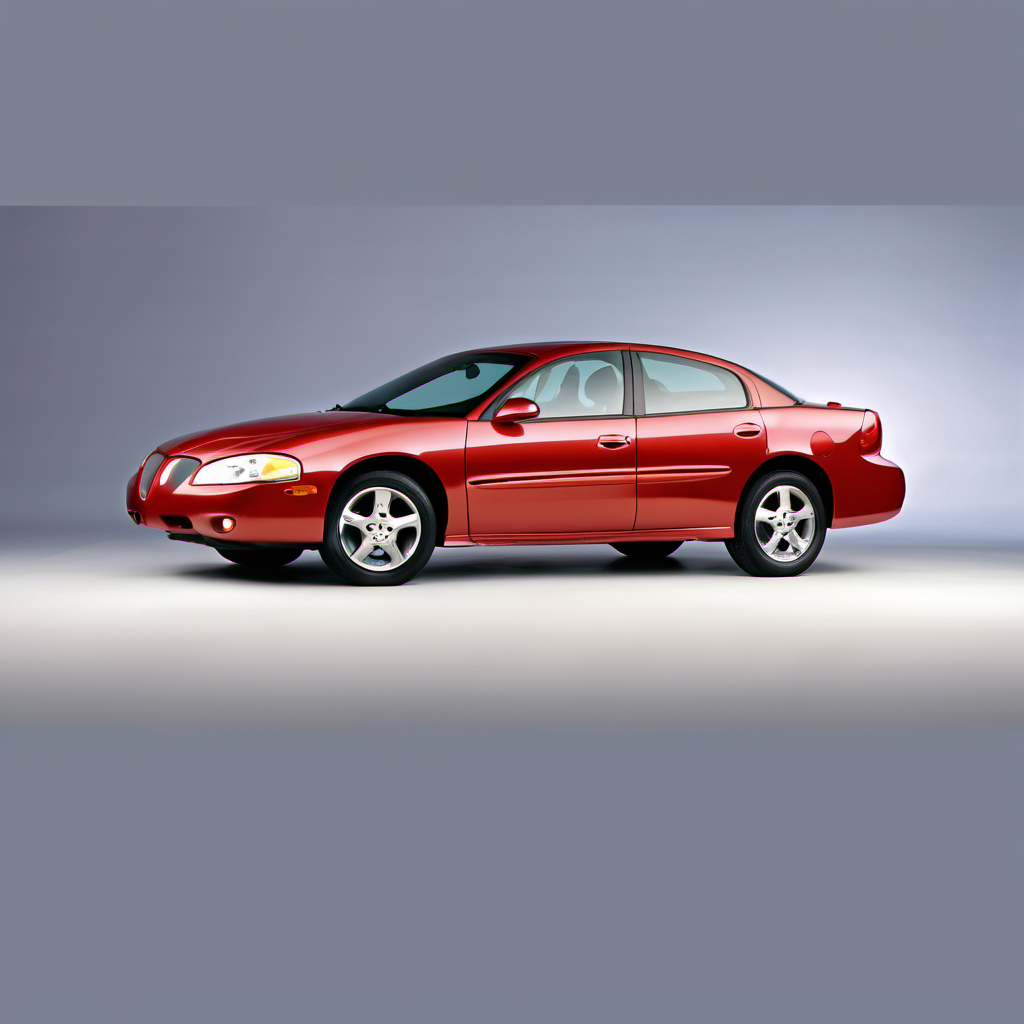
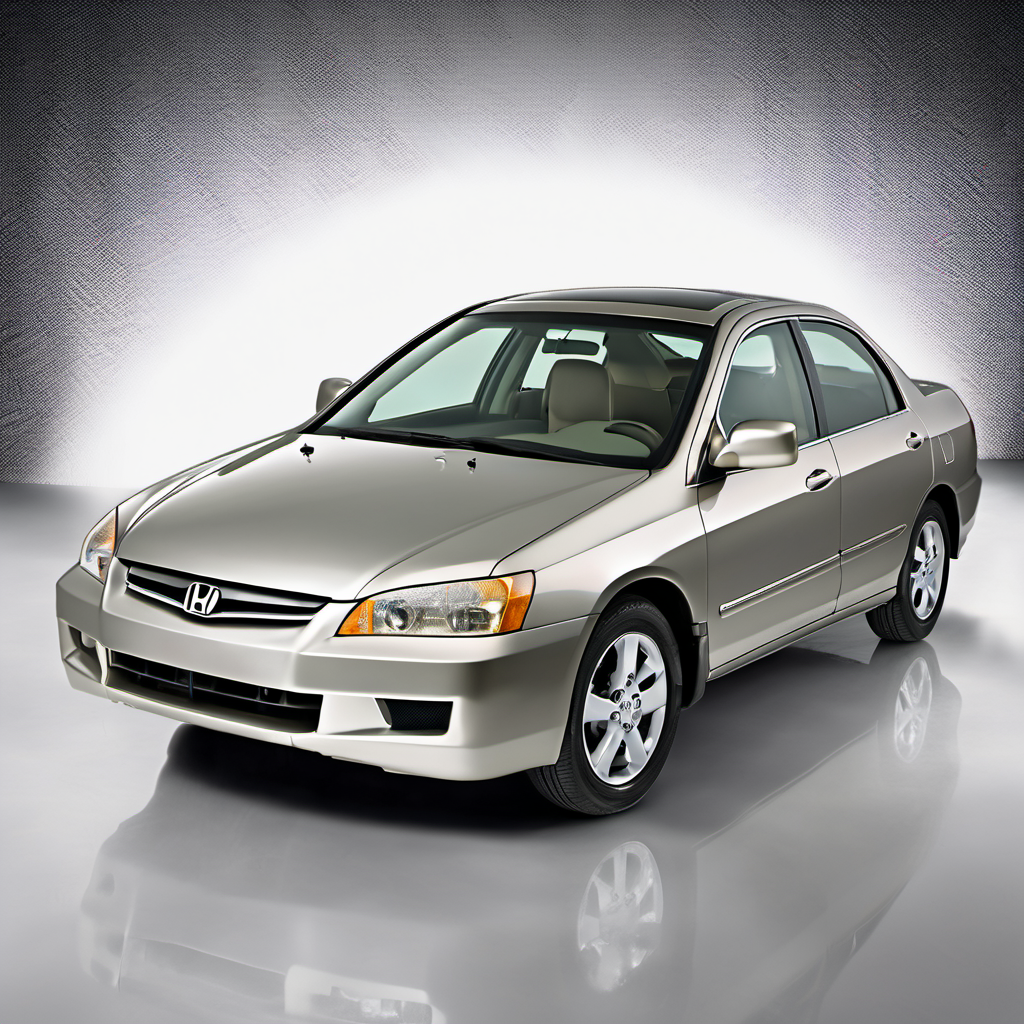
2004 Chrysler Sebring Coupe

2004 Chrysler

SebringCoupe

Coupe

The 2004 Chrysler Sebring Coupe is a front-wheel-drive compact coupe that shared its platform and powertrain with the Mitsubishi Eclipse and Galant of the same era — a Mitsubishi-engineered car wearing a Chrysler badge. That heritage gives it a reasonably solid mechanical foundation, but it also means parts sourcing can be tricky and some Chrysler dealers were never fully comfortable servicing it. It was positioned as an affordable, sporty-looking alternative to Japanese coupes, though performance and build quality fell short of its looks. By 2004 the Sebring Coupe was in its final model year — Chrysler dropped it after this. That matters for used buyers: it's genuinely a 20-year-old car now, parts are becoming harder to find, and the pool of knowledgeable technicians is shrinking. What remains on the road tends to be high-mileage examples that need attention. For a Lake Geneva driver, this car's FWD and standard tires offer marginal winter traction. It's a fair-weather cruiser at heart, not a year-round Wisconsin workhorse.

Reliability
2/5
Verified data
Specs shown for Sebring — the most common configuration. Other trims may vary in engine, drivetrain, or fuel economy. Sign in to see your vehicle's exact specs.
Engine
[object Object]
Drivetrain
FWD
Fuel
Gasoline
MPG
19 city / 26 hwy / 21 combined
Seats
Doors
Body
Compact Cars

Overview

AI-curated

The 2004 Chrysler Sebring Coupe is a front-wheel-drive compact coupe that shared its platform and powertrain with the Mitsubishi Eclipse and Galant of the same era — a Mitsubishi-engineered car wearing a Chrysler badge. That heritage gives it a reasonably solid mechanical foundation, but it also means parts sourcing can be tricky and some Chrysler dealers were never fully comfortable servicing it. It was positioned as an affordable, sporty-looking alternative to Japanese coupes, though performance and build quality fell short of its looks. By 2004 the Sebring Coupe was in its final model year — Chrysler dropped it after this. That matters for used buyers: it's genuinely a 20-year-old car now, parts are becoming harder to find, and the pool of knowledgeable technicians is shrinking. What remains on the road tends to be high-mileage examples that need attention. For a Lake Geneva driver, this car's FWD and standard tires offer marginal winter traction. It's a fair-weather cruiser at heart, not a year-round Wisconsin workhorse.

Known for
  • Mitsubishi-sourced platform and drivetrain under a Chrysler badge
  • Attractive coupe styling for the price
  • Decent highway fuel economy for its era
  • Final year of production — discontinued after 2004
Best for
  • Budget-conscious buyers who want a coupe body style
  • Low-mileage, dry-climate use
  • DIY mechanics comfortable sourcing Mitsubishi-compatible parts
Watch for
  • Rapidly aging platform with shrinking parts availability
  • Rust on rocker panels, floor pans, and wheel wells — critical in Wisconsin
  • Automatic transmission reliability concerns at higher mileage
  • Cooling system neglect leading to head gasket issues
  • Timing belt service history — interference engine means a missed belt kills the engine

Common issues by mileage

6 known

Timing Belt Failure

high
Typically appears
60–105k mi (and every 60k thereafter)
Estimated repair
$400 – $700

Automatic Transmission Slipping / Failure

high
Typically appears
80–150k mi
Estimated repair
$1,200 – $3,000

Cooling System Failure / Head Gasket

medium
Typically appears
70–130k mi
Estimated repair
$900 – $2,200

Oxygen Sensor / Heater Circuit Faults

medium
Typically appears
60–120k mi
Estimated repair
$150 – $400

Rocker Panel and Floor Pan Rust

high
Typically appears
Any mileage on Wisconsin/salt-belt cars
Estimated repair
$500 – $3,500

Maintenance schedule

  1. 1
    Every 60,000 miles — verify history immediately on purchase Timing Belt, Water Pump, and Tensioner Replacement

    This is a non-negotiable service on an interference engine. A broken belt = destroyed engine. Replace the water pump and tensioner at the same time to avoid opening it up again in 10k miles.

  2. 2
    Every 30,000 miles Transmission Fluid Change

    Chrysler and Mitsubishi both underspec'd fluid change intervals on this transmission. More frequent changes are the single best thing you can do to extend automatic transmission life.

  3. 3
    Every 2 years or 30,000 miles Coolant Flush

    Degraded coolant accelerates corrosion inside the cooling system, especially in the aluminum components. Use the correct OAT or HOAT coolant specified for this engine — don't mix types.

  4. 4
    Every 30,000 miles Spark Plugs

    The 2.4L SOHC responds well to fresh plugs. Worn plugs increase misfires and stress the ignition coil pack, which is itself a known weak point.

  5. 5
    Every 2 years Brake Fluid Flush

    Hygroscopic brake fluid absorbs moisture over time, lowering boiling point and corroding ABS components. Critical in a salt-belt environment.

  6. 6
    Every fall, before winter Inspect and Lubricate Door Hinges and Weatherstripping

    Coupe door hinges and seals take more stress than sedans and are prone to sagging and freezing. Lubricate seals with silicone to prevent them from tearing in sub-zero temps.

  7. 7
    Every fall Undercarriage Rust Inspection and Treatment

    Wisconsin road salt accelerates rot on these cars. Annual undercarriage inspection and application of a rust inhibitor on exposed metal is cheap insurance against structural corrosion.

  8. 8
    Every fall Battery Load Test

    Cold-cranking demand is high in Lake Geneva winters. A battery that passes a basic voltage test in September can fail to start the car at -10°F in January. Load test before the cold arrives.

Always defer to the manufacturer's service manual for warranty-mandated intervals.

Cost of ownership

Annual maintenance
$600 – $1,800
Fuel
Mid-tier costs — 21 mpg combined means roughly $1,500–$2,000/year at current prices assuming 12,000–15,000 miles annually. Use regular 87-octane.
Insurance
Generally low — older coupe with low market value. Expect $700–$1,200/year for full coverage depending on driver profile, though comprehensive may not be worth carrying given the car's value.

On a good year with no major repairs, maintenance runs $600–$900. Factor in the high likelihood of a timing belt, transmission service, or cooling system repair and a single bad year can cost $1,500–$3,500. Given the car's low market value (typically $1,500–$4,000), a major repair can easily exceed the vehicle's worth. Set a repair budget ceiling before committing.
Seasonal care

Lake Geneva, WI
Winter
  • Load-test the battery every fall — cold cranking amps drop fast on aging batteries and -10°F starts will kill a weak one
  • Switch to a winter-rated washer fluid rated to at least -20°F; the stock reservoir and lines can freeze with all-season fluid
  • Lubricate door seals with silicone spray before first freeze to prevent the coupe's long door seals from tearing when frozen shut
  • Inspect and treat the undercarriage with rust inhibitor before salt season — these cars rust aggressively on salted Wisconsin roads
  • Verify the cooling system has adequate freeze protection to at least -34°F; old coolant loses its freeze point over time
  • Allow a brief warm-up (60–90 seconds) in extreme cold before driving — the 2.4L needs oil to circulate before load is applied
Summer
  • Check tire pressure monthly — pressures drop roughly 1 PSI per 10°F of temperature change and summer heat can cause under-inflation
  • Inspect the A/C system for refrigerant leaks and verify the condenser fan operates correctly — heat soak at idle is a known cooling concern
  • Check coolant level and condition before hot-weather driving; an overheating episode on a neglected cooling system can destroy the head gasket
  • Inspect the serpentine belt and timing belt tensioner for cracking — heat accelerates rubber degradation
  • Park in shade when possible; the coupe's low roofline and large glass area bakes the interior and stresses the dashboard and trim plastics

Comparable vehicles

If you're shopping for one

Red flags
  • No timing belt service history on a high-mileage example — budget for immediate replacement or walk away
  • Soft, punky rocker panels or visible rust bubbling under paint along the lower body
  • Transmission slipping, delayed engagement from Park, or shuddering at highway speeds
  • White smoke from the exhaust on a warm engine — possible head gasket failure
  • Any active U-series (network) or B-series (body/airbag) DTC codes — these can signal expensive module or wiring failures
  • Mismatched paint panels or evidence of significant body repair — these cars are old enough that collision history is common
What to inspect
  • Timing belt replacement records — treat it as a deal-breaker if there's no documentation and the car is over 60k miles
  • Rocker panels and rear wheel wells — probe with a screwdriver; soft or crumbling metal means serious rust that may be structural
  • Transmission behavior: cold start engagement, warm shifts, any slipping or shudder under light acceleration
  • Coolant condition and level — milky or rusty coolant signals a neglected system or head gasket trouble
  • Floor pans inside the cabin — lift the carpet at the front footwells and rear seat area and check for rust-through or water intrusion
  • Check engine light history — pull codes even if the light is off; cleared codes can hide recurring issues
AI profile generated 58 min ago · claude-sonnet-4-6 · v2.