PCV / Oil Trap System Clogging
high- Typically appears
- 80–150k mi
- Estimated repair
- $300 – $700
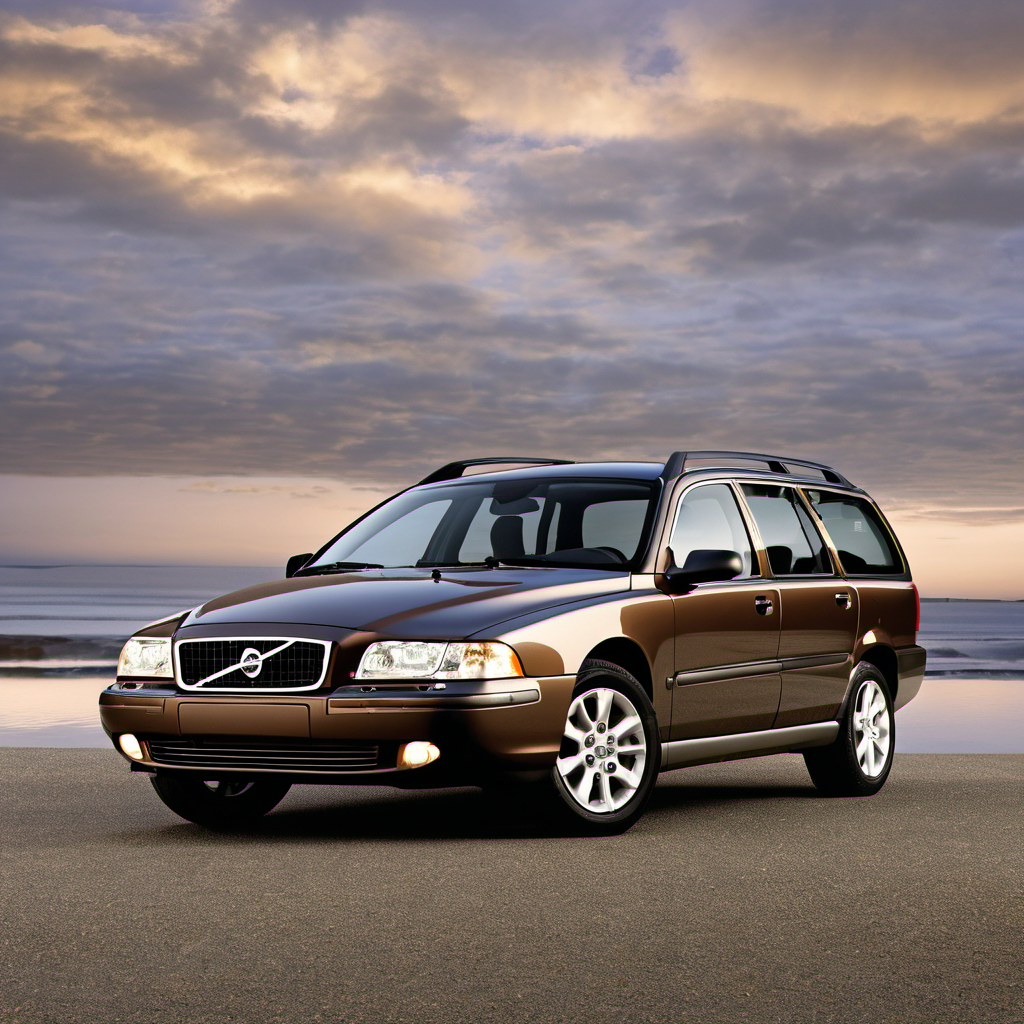
2003 Volvo
Wagon
The 2003 Volvo V70 is a mid-size European wagon that carved out a loyal following among drivers who wanted genuine cargo practicality without giving up a composed, car-like ride. Built on Volvo's P2 platform shared with the S60 and XC70, the AWD T5 variant pairs a turbocharged 2.5L five-cylinder with a full-time all-wheel-drive system — a real asset in Wisconsin winters. Volvo's reputation for passive safety was well-earned on this generation; the V70 was consistently top-rated in crash tests and packed side curtain airbags as standard. That said, the P2-generation V70 is a 20-year-old European car, and running costs reflect that. Parts are pricier than domestic equivalents, some components (PCV system, ETM, turbo boost circuit) have well-documented failure patterns, and finding a well-maintained, one- or two-owner example is worth the extra search time. When it's been cared for, the turbocharged five-cylinder can comfortably reach 200k miles. For a Lake Geneva buyer this wagon makes good sense as a second vehicle or daily driver: AWD bites through slush confidently, the interior is roomy and durable, and the long roof swallows gear. Just budget for maintenance rather than deferring it — deferred service is where these cars get expensive fast.
The 2003 Volvo V70 is a mid-size European wagon that carved out a loyal following among drivers who wanted genuine cargo practicality without giving up a composed, car-like ride. Built on Volvo's P2 platform shared with the S60 and XC70, the AWD T5 variant pairs a turbocharged 2.5L five-cylinder with a full-time all-wheel-drive system — a real asset in Wisconsin winters. Volvo's reputation for passive safety was well-earned on this generation; the V70 was consistently top-rated in crash tests and packed side curtain airbags as standard. That said, the P2-generation V70 is a 20-year-old European car, and running costs reflect that. Parts are pricier than domestic equivalents, some components (PCV system, ETM, turbo boost circuit) have well-documented failure patterns, and finding a well-maintained, one- or two-owner example is worth the extra search time. When it's been cared for, the turbocharged five-cylinder can comfortably reach 200k miles. For a Lake Geneva buyer this wagon makes good sense as a second vehicle or daily driver: AWD bites through slush confidently, the interior is roomy and durable, and the long roof swallows gear. Just budget for maintenance rather than deferring it — deferred service is where these cars get expensive fast.
The turbocharged five-cylinder runs hot oil through small passages; fresh, clean oil is the single biggest factor in longevity. Extended intervals accelerate turbo wear and VVT sludge.
This is the most commonly neglected item on P2 Volvos. A clogged PCV pressurizes the crankcase, blows oil seals, contaminates the intake, and starves the turbo. Cheap to fix proactively; expensive once secondary damage sets in.
The turbocharged five-cylinder is sensitive to plug condition. Worn plugs cause misfires that stress the catalytic converter and can trigger camshaft/timing fault codes.
The AW55-50SN automatic is a reliable unit when fluid is kept fresh, but it becomes repair-prone when run on degraded fluid past 80k miles. Independent shops charge significantly less than dealers for this service.
Volvo's brake system is safety-critical and brake fluid absorbs moisture over time, lowering boiling point. Wisconsin salt accelerates corrosion of brake lines and calipers.
Belt failure on a cold Wisconsin morning leaves you stranded. Tensioners on this generation are known to wear and should be replaced with the belt.
Mixing coolant types causes silicate dropout and can block the small passages of the heater core and thermostat housing. Use only the correct spec.
Rear subframe mounts, trailing arm brackets, and wheel arch lips are rust-prone on Wisconsin-road cars. Catching surface rust early is a $50 problem; ignoring it is a $2,000+ structural repair.
Always defer to the manufacturer's service manual for warranty-mandated intervals.
The V70 is not a cheap car to own, but it is manageable if you stay ahead of maintenance. A healthy example with no deferred work will cost $900–$1,400/year in routine upkeep at an independent shop. If you're buying one with unknown history, budget $1,500–$2,200 in the first year to get it current on all fluids, PCV system, plugs, and belts. Major repairs (ETM, turbo, transmission) are infrequent on well-maintained cars but can run $800–$2,500 when they do occur.
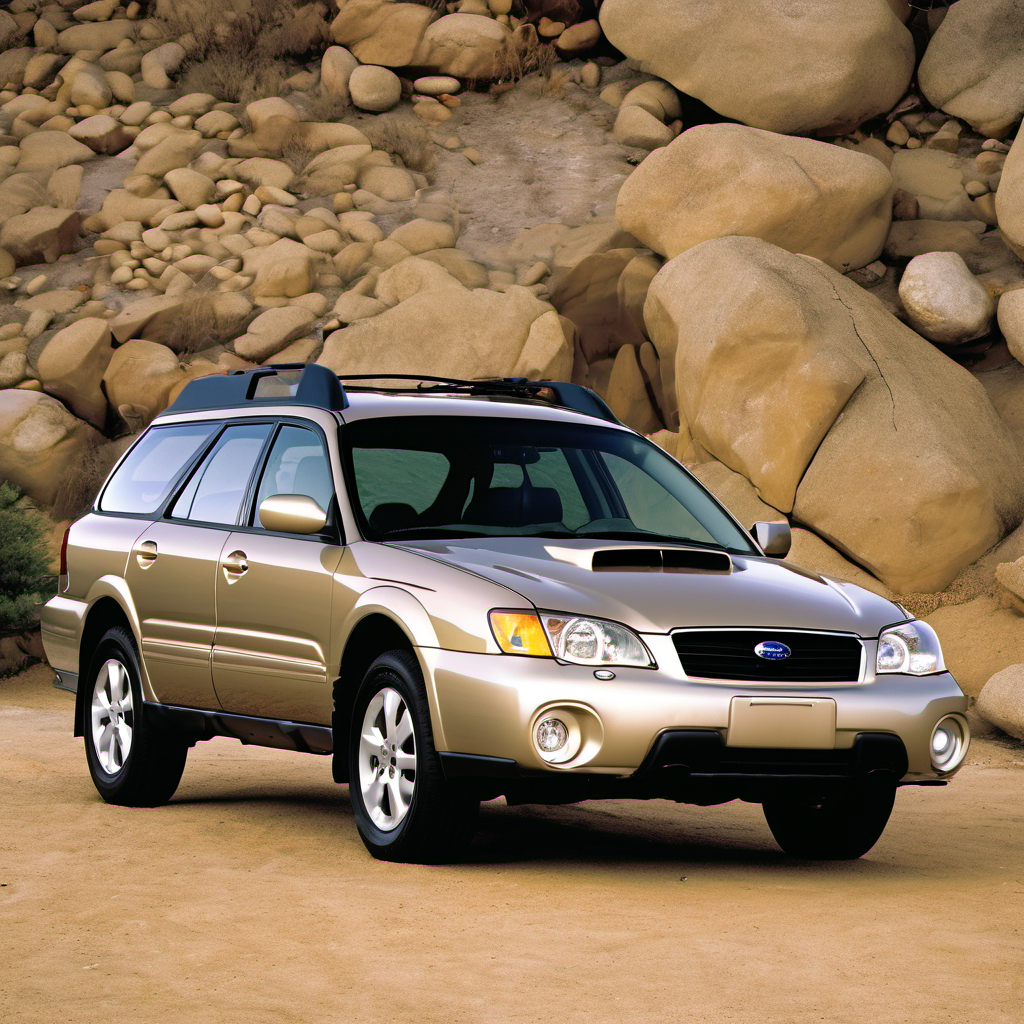
AWD wagon at a similar price point with lower ownership cost, simpler maintenance, and strong cold-weather reputation. Less premium feel but easier to find good independent mechanics.
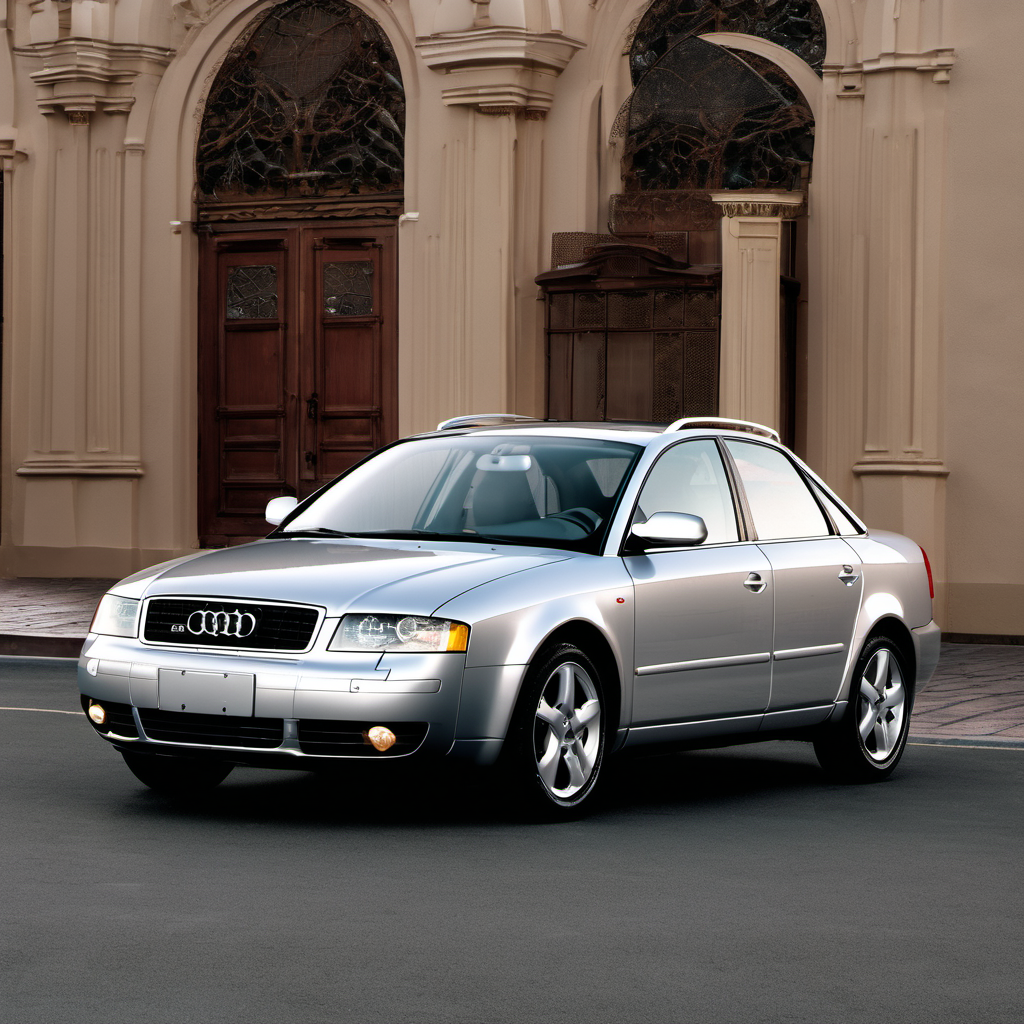
European AWD wagon with a similarly premium interior and all-weather capability. Comparable or higher maintenance costs, but strong enthusiast support and parts availability.
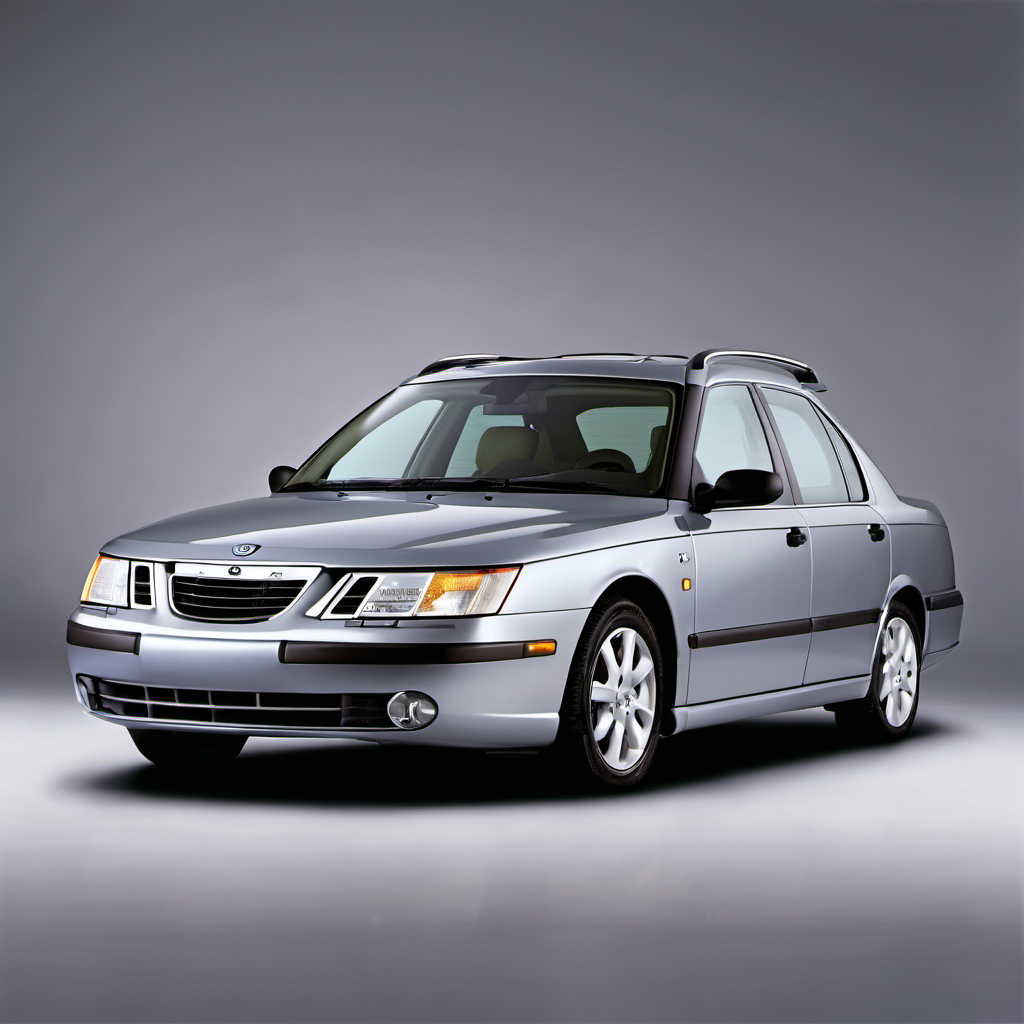
Another turbocharged Swedish wagon with a loyal following. Similar ownership cost profile; parts are now harder to find due to Saab's closure, making the V70 the more practical long-term choice.
AWD wagon from the same era with strong driving dynamics. Higher parts and labor costs than the V70, but robust enthusiast community and excellent parts availability.
No catalog match