1ZZ-FE Excessive Oil Consumption
high- Typically appears
- 60–150k mi
- Estimated repair
- $500 – $3,500
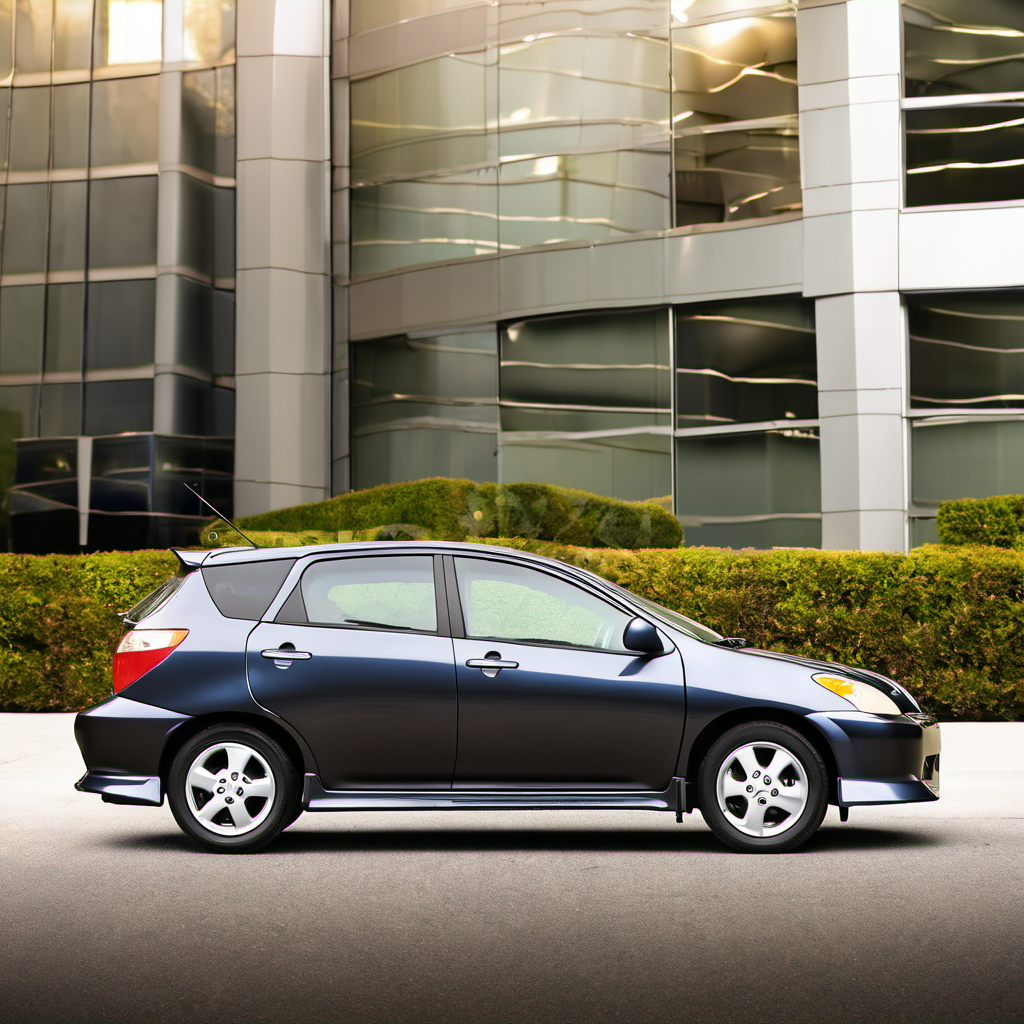
2003 Toyota
Wagon
The 2003 Toyota Matrix is a compact hatchback/wagon built on the Corolla platform and co-developed with GM (sharing its bones with the Pontiac Vibe). Toyota positioned it as a versatile, sport-oriented compact that could haul gear, return solid fuel economy, and still hold up to Toyota's reliability reputation. It hit a sweet spot for commuters and young buyers who needed practicality without giving up a car-like driving feel. Under the hood, most FWD models carried the 1ZZ-FE 1.8L four-cylinder — a proven, if not thrilling, engine that's easy to maintain and parts are plentiful. The interior was designed with a high roofline and flat-folding rear seats, giving it impressive cargo flexibility for its footprint. Fuel economy was competitive for the era and remains respectable today. Now 20+ years old, a well-kept Matrix is a legitimate budget daily driver. The platform is well-understood by independent shops, parts are cheap, and these cars have a strong track record of high-mileage survival when owners kept up with oil changes. The main risks are age-related — rust in Wisconsin is real on these, and the 1ZZ-FE has a documented oil consumption problem that you must screen for before buying used.
The 2003 Toyota Matrix is a compact hatchback/wagon built on the Corolla platform and co-developed with GM (sharing its bones with the Pontiac Vibe). Toyota positioned it as a versatile, sport-oriented compact that could haul gear, return solid fuel economy, and still hold up to Toyota's reliability reputation. It hit a sweet spot for commuters and young buyers who needed practicality without giving up a car-like driving feel. Under the hood, most FWD models carried the 1ZZ-FE 1.8L four-cylinder — a proven, if not thrilling, engine that's easy to maintain and parts are plentiful. The interior was designed with a high roofline and flat-folding rear seats, giving it impressive cargo flexibility for its footprint. Fuel economy was competitive for the era and remains respectable today. Now 20+ years old, a well-kept Matrix is a legitimate budget daily driver. The platform is well-understood by independent shops, parts are cheap, and these cars have a strong track record of high-mileage survival when owners kept up with oil changes. The main risks are age-related — rust in Wisconsin is real on these, and the 1ZZ-FE has a documented oil consumption problem that you must screen for before buying used.
The 1ZZ-FE is prone to oil consumption. Shorter intervals and a quality synthetic help, and checking the dipstick between changes is essential to catch consumption before damage occurs.
This engine can consume a quart or more between changes without warning lights. Build this into a fill-up habit.
Sludge in old or infrequently changed oil can clog the VVT-i oil control valve screen, causing camshaft timing codes and rough running. Cleaning is cheap; replacement is avoidable with clean oil.
Toyota's long-life coolant degrades over time. Old coolant accelerates corrosion in the aluminum head — especially important in a 20-year-old car.
Brake fluid is hygroscopic. Wisconsin winters accelerate moisture intrusion; degraded fluid lowers boiling point and can cause internal caliper corrosion.
Rust is the Matrix's biggest long-term killer in Wisconsin. Annual undercoating or rust-inhibitor treatment on the undercarriage and rocker seams dramatically extends body and brake line life.
Rubber ages fast in freeze-thaw cycling. A torn CV boot left alone turns a $50 boot job into a $400 axle replacement quickly in Wisconsin conditions.
Sub-zero temps can drop a marginal battery's cold-cranking amps by 30–40%. A battery that seems fine in summer will leave you stranded in January.
Always defer to the manufacturer's service manual for warranty-mandated intervals.
The Matrix is one of the cheaper compact cars to own outright. Parts are inexpensive and widely available; most independent shops know this platform well. The wildcard is rust repair (which can be expensive on an older car) and oil consumption — if an engine has been run low regularly, you may be looking at a rebuild or replacement sooner than the mileage suggests.
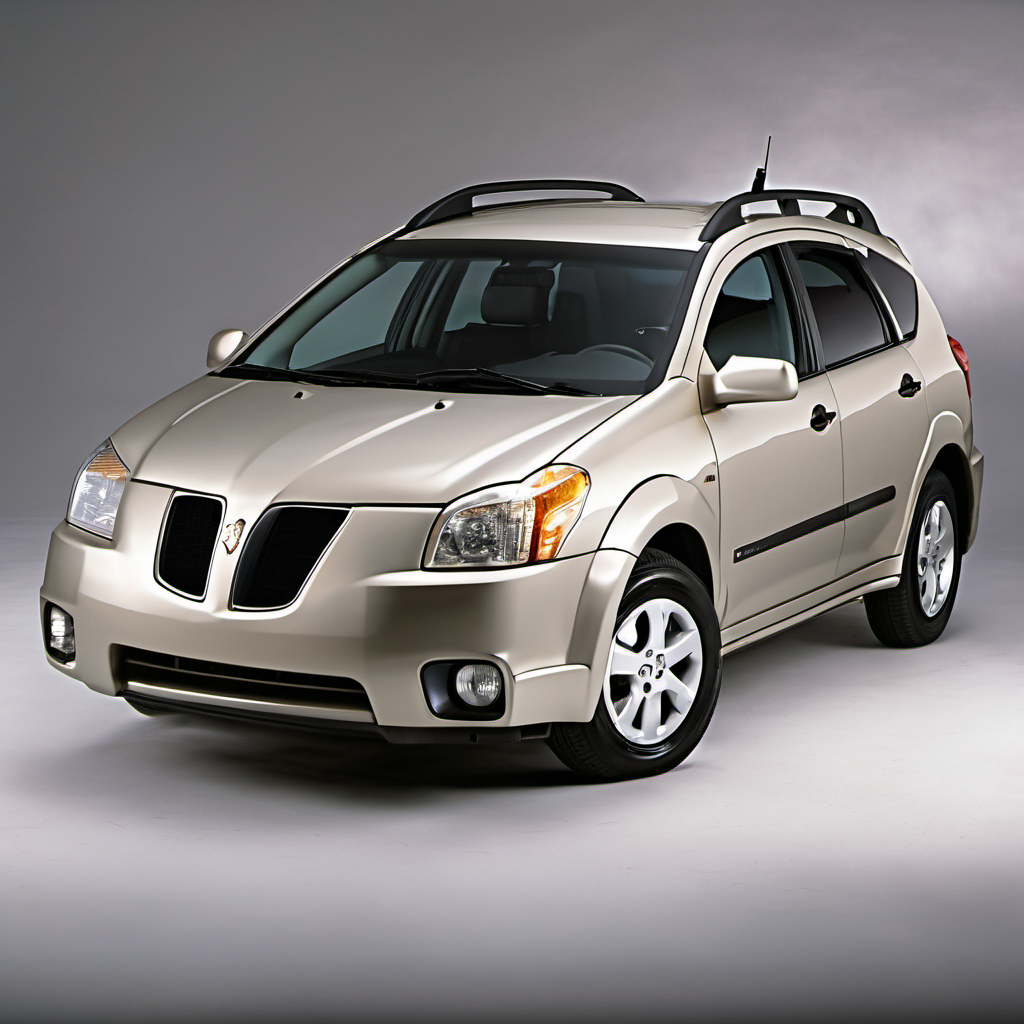
Essentially the same vehicle — built on the same platform at the same NUMMI factory. Parts even interchange in many areas. Often priced lower than the Matrix due to brand perception, but mechanically identical.
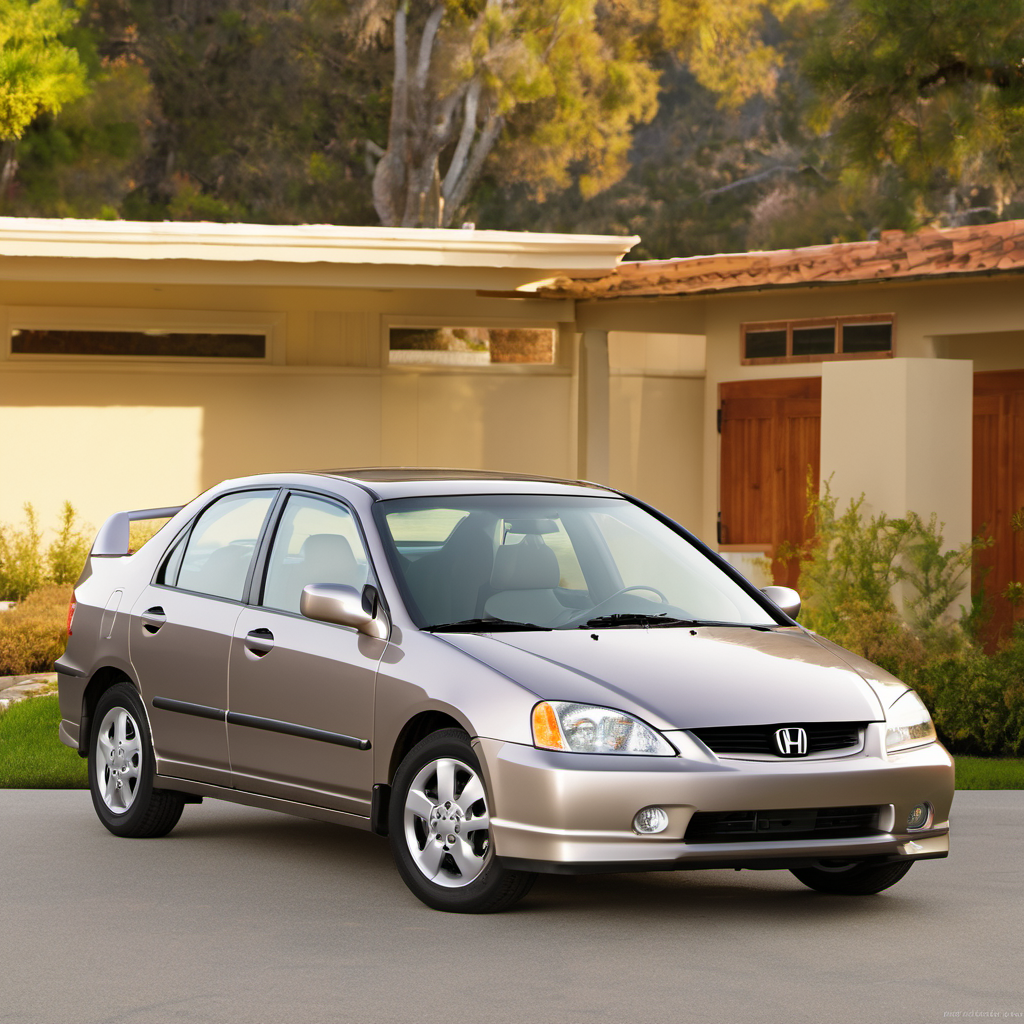
Same segment, similar price range used, similar fuel economy. The Civic is slightly more car-like and less cargo-focused, but competes directly on reliability and ownership cost.
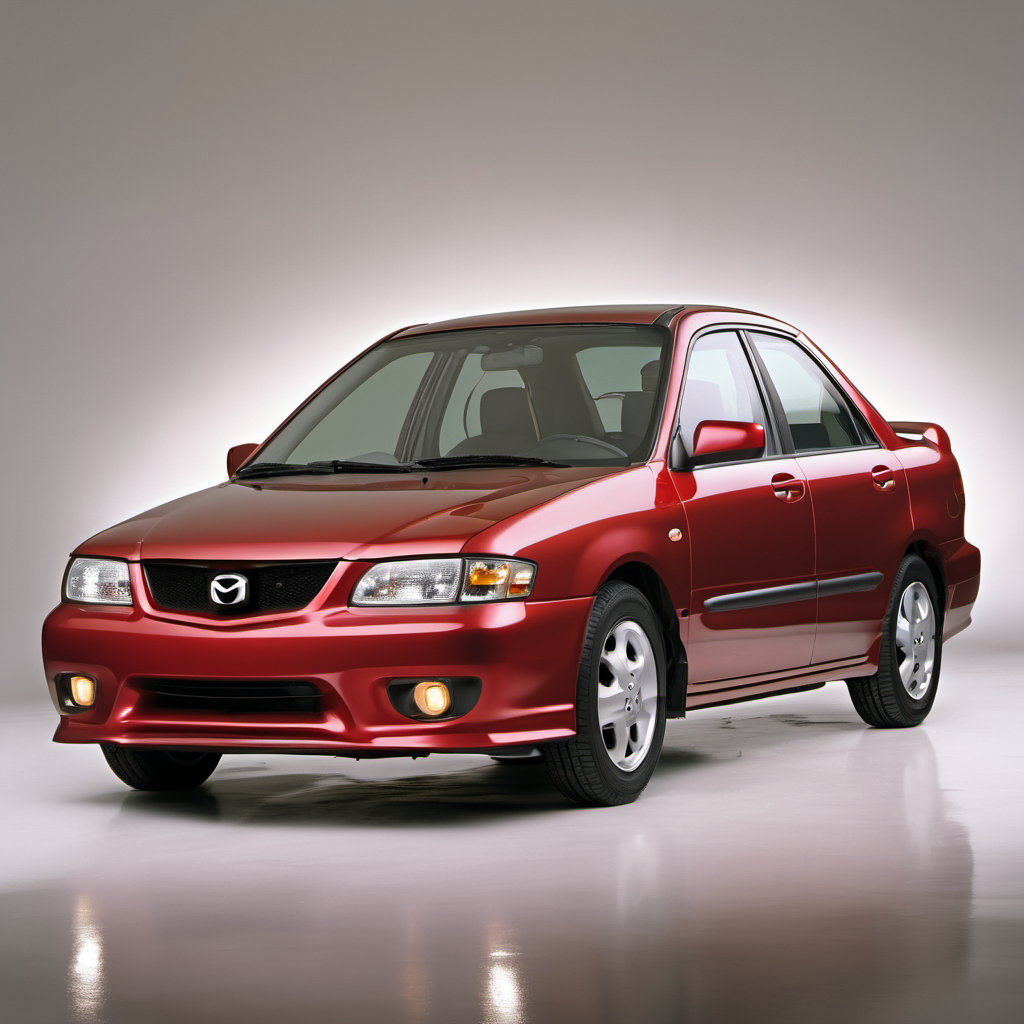
A sporty wagon-hatchback alternative in the same price range with a similarly practical cargo area. Slightly more fun to drive; similar running costs.
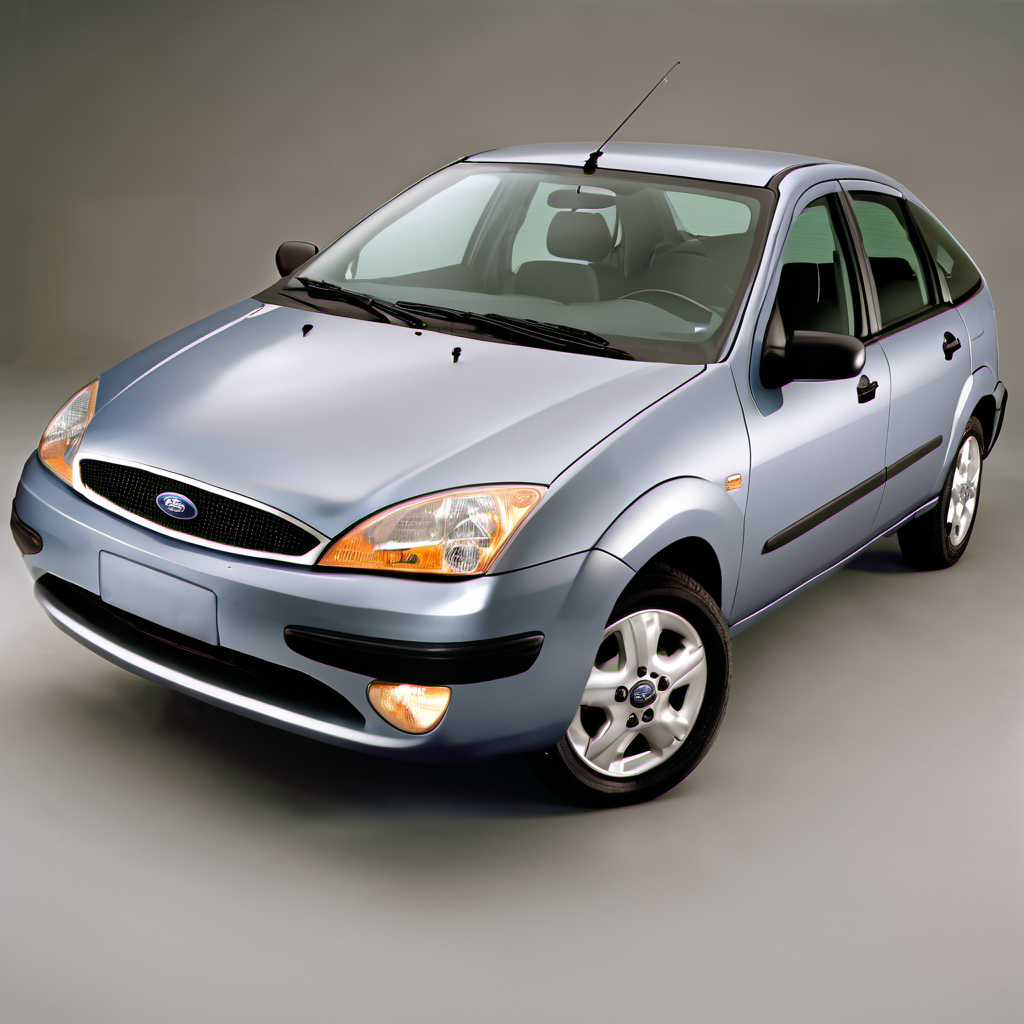
Competed directly with the Matrix on price and cargo flexibility. The Focus wagon offered similar utility, though long-term reliability and parts longevity generally favor the Matrix.