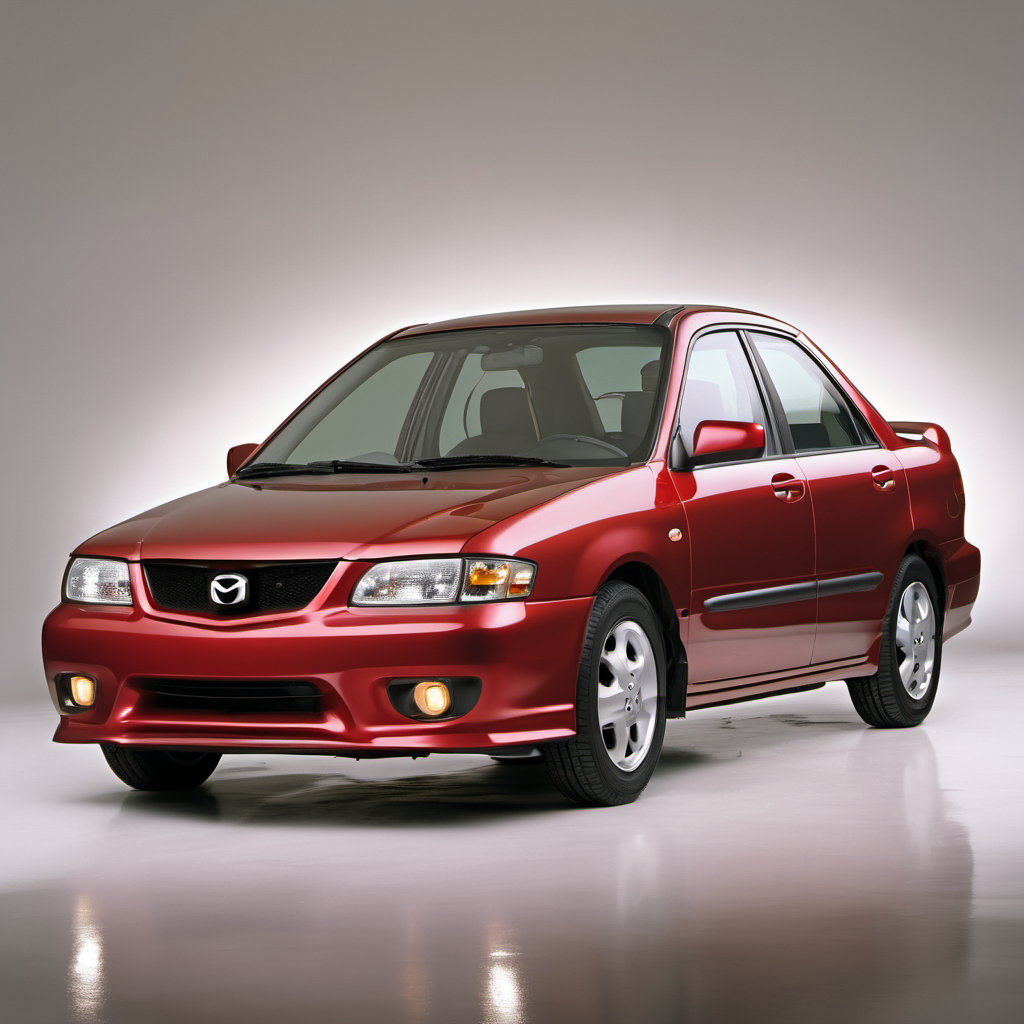
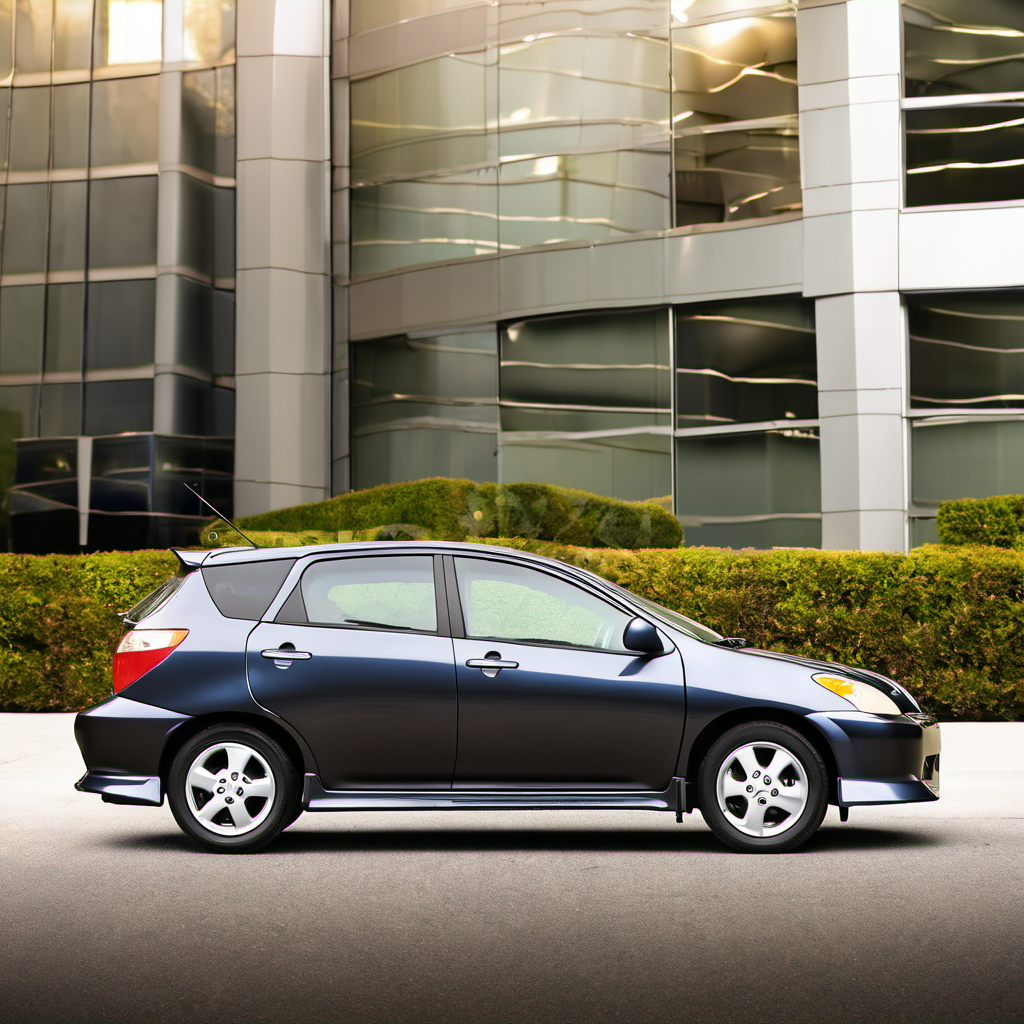
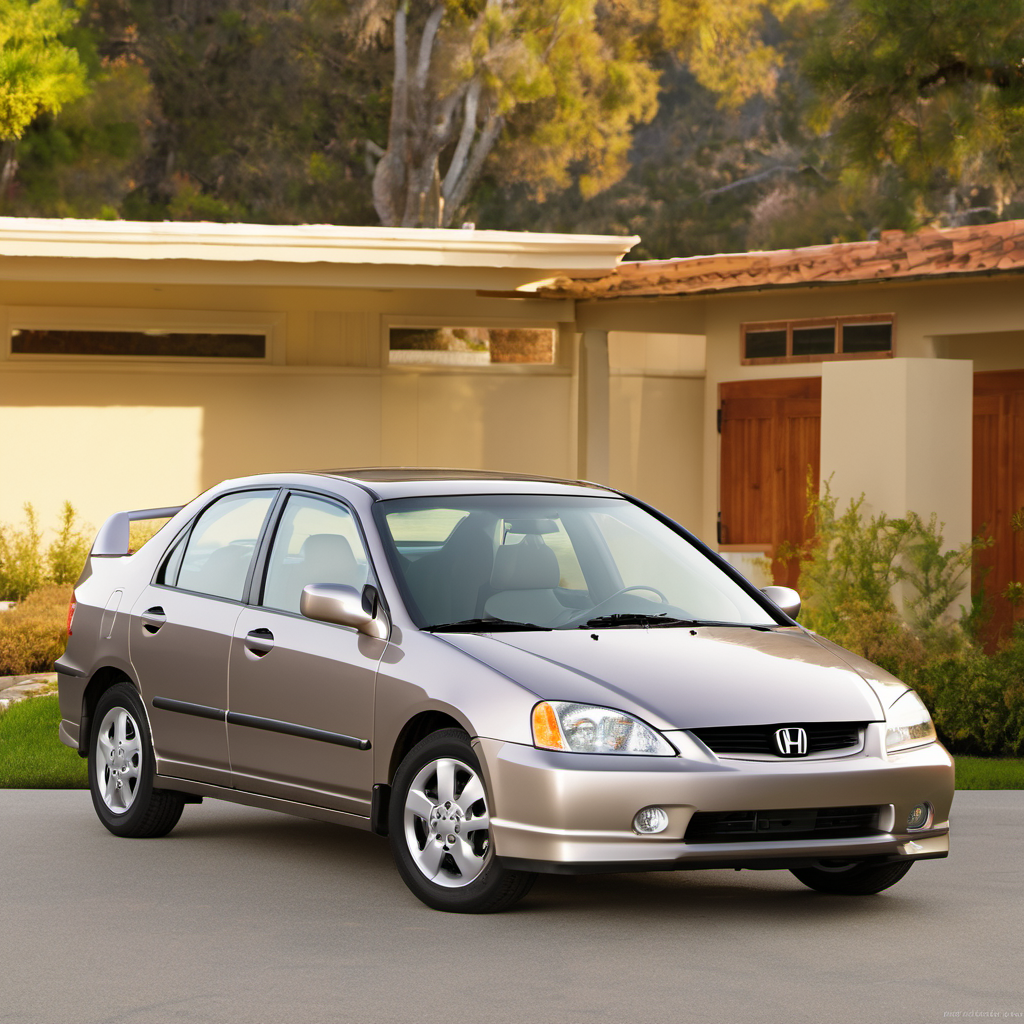
2003 MAZDA Protege5 Hatchback

2003 MAZDA

Protege5Hatchback

2.0L I4 · Hatchback

The 2003 Mazda Protege5 is the sporty five-door hatchback variant of the Protege sedan, sold only for model years 2002 and 2003 in the US before being replaced by the Mazda3. It pairs a rev-happy 2.0L four-cylinder with a firm, driver-focused suspension and a practical rear hatch — a combination that earned it a strong following among enthusiasts and commuters alike. At over 20 years old, most surviving Protege5s have racked up significant miles, but the platform has a well-documented reputation for durability when basic maintenance is kept up. Parts availability is good through the aftermarket, and the Mazda3 community overlap helps keep costs reasonable. For buyers in the Lake Geneva area, the Protege5's FWD layout and relatively light weight make it a reasonable winter commuter, though its age means rust and worn rubber are nearly universal concerns at this point.

Reliability
4/5
Verified data
Engine
2.0L I4
Drivetrain
FWD
Fuel
Gasoline
MPG
26 city / 31 hwy / 28 combined
Seats
5
Doors
4
Body
Hatchback
MSRP
$16,500

Overview

AI-curated

The 2003 Mazda Protege5 is the sporty five-door hatchback variant of the Protege sedan, sold only for model years 2002 and 2003 in the US before being replaced by the Mazda3. It pairs a rev-happy 2.0L four-cylinder with a firm, driver-focused suspension and a practical rear hatch — a combination that earned it a strong following among enthusiasts and commuters alike. At over 20 years old, most surviving Protege5s have racked up significant miles, but the platform has a well-documented reputation for durability when basic maintenance is kept up. Parts availability is good through the aftermarket, and the Mazda3 community overlap helps keep costs reasonable. For buyers in the Lake Geneva area, the Protege5's FWD layout and relatively light weight make it a reasonable winter commuter, though its age means rust and worn rubber are nearly universal concerns at this point.

Known for
  • Sharp, engaging handling for a front-wheel-drive economy car
  • Practical five-door hatchback body with fold-flat rear seats
  • Reliable and long-lived 2.0L FS-DE four-cylinder engine
  • Strong enthusiast community and solid aftermarket support
Best for
  • Daily commuters who want driving fun without high running costs
  • Budget-conscious buyers comfortable with a high-mileage used car
  • Drivers needing hatchback cargo flexibility in a compact package
  • Enthusiasts looking for an affordable project or weekend driver
Watch for
  • Rust on rocker panels, rear wheel arches, and undercarriage — especially on Wisconsin cars
  • Worn or cracked engine and transmission mounts at higher mileage
  • Aging rubber: bushings, CV boots, and coolant hoses degrade significantly at 20+ years
  • Deferred maintenance on timing belt (interference engine — a missed belt is catastrophic)

Common issues by mileage

6 known

Timing Belt Failure (Interference Engine)

medium
Typically appears
90–105k mi, then every 60k mi
Estimated repair
$400 – $650

Engine & Transmission Mount Wear

high
Typically appears
80–150k mi
Estimated repair
$150 – $400

Oxygen Sensor Failure (Bank 1, Sensor 1 or 2)

medium
Typically appears
80–130k mi
Estimated repair
$120 – $280

Rocker Panel and Rear Wheel Arch Rust

high
Typically appears
Any mileage on upper-Midwest cars
Estimated repair
$300 – $1,800

CV Axle/Boot Failure

high
Typically appears
100–160k mi
Estimated repair
$180 – $400

Coolant System Leaks (Hoses, Thermostat Housing)

medium
Typically appears
100k+ mi
Estimated repair
$80 – $350

Maintenance schedule

  1. 1
    Every 60,000 miles or 5 years, whichever comes first Timing Belt & Water Pump Replacement

    The 2.0L FS-DE is an interference engine — if the belt snaps, the engine is destroyed. At this vehicle's age, do it on schedule regardless of mileage, and replace the water pump and tensioner at the same time since labor is already paid for.

  2. 2
    Every 5,000 miles or 6 months Engine Oil & Filter Change

    These engines respond well to consistent oil changes. At this age and mileage, don't stretch intervals — fresh oil is the cheapest engine insurance available.

  3. 3
    Every 30,000 miles or 3 years Coolant Flush

    Aging coolant turns acidic and attacks the aluminum cylinder head and thermostat housing. Critical for Wisconsin winters where freeze protection must be verified every fall.

  4. 4
    Every 2–3 years Brake Fluid Flush

    Brake fluid absorbs moisture over time, lowering its boiling point. Important in Wisconsin where temperature swings stress the entire braking system.

  5. 5
    Every 30,000 miles Spark Plugs

    Standard copper plugs. Worn plugs cause misfires and hurt fuel economy noticeably on this small engine.

  6. 6
    Every fall, before first salt application Undercarriage Rust Inspection & Rustproofing

    Wisconsin road salt is the number-one killer of Protege5s at this age. Inspect wheel arches, rockers, subframe mounting points, and brake lines annually.

  7. 7
    Every oil change CV Boots Inspection

    A cracked CV boot lets grease out and water and grit in. Catching a torn boot early means a $30 boot kit; ignoring it means a $300+ axle replacement.

  8. 8
    Every 15,000–20,000 miles Air Filter Replacement

    A clogged filter hurts fuel economy and throttle response. Easy DIY item to keep the engine breathing cleanly.

Always defer to the manufacturer's service manual for warranty-mandated intervals.

Cost of ownership

Annual maintenance
$400 – $900
Fuel
At roughly 28 MPG combined and 12,000 miles/year, expect around $1,400–$1,700/year at current midwest fuel prices for regular 87-octane.
Insurance
Typically low — expect $700–$1,100/year for full coverage on a 20-year-old economy car, depending on your driving record and insurer.

The Protege5 is genuinely inexpensive to own when it's been maintained. Routine annual costs are modest. The financial risks are concentrated in deferred maintenance items — timing belt, cooling system, and rust repair — which can be expensive if neglected. Budget an additional $500–$1,500 at purchase time for a thorough inspection and any catch-up maintenance.
Seasonal care

Lake Geneva, WI
Winter
  • Verify coolant freeze protection to at least -34°F before the first hard freeze — old coolant loses protection over time.
  • Test the battery every fall. At 20+ years old, most Protege5s are on their second or third battery; cold-cranking amps drop sharply below 20°F.
  • Switch to winter windshield washer fluid rated for -20°F or colder — Wisconsin temps will freeze standard fluid solid in the reservoir and on the glass.
  • Inspect the undercarriage and apply rust inhibitor to rockers, wheel arches, and any bare metal before salt season starts.
  • Check tire tread depth and consider dedicated winter tires — the FWD Protege5 handles snow adequately but benefits greatly from proper rubber.
  • Keep the gas tank at least half full to prevent fuel line moisture issues and add weight over the drive wheels.
Summer
  • Check tire pressure monthly — tires lose and gain roughly 1 PSI per 10°F of temperature change, and summer heat causes over-inflation versus winter readings.
  • Inspect the A/C system for refrigerant charge and cabin filter condition — a clogged cabin filter makes A/C work harder in July heat.
  • Watch coolant temperature closely during hot weather; a 20-year-old cooling system with a marginal thermostat or weak coolant mix will overheat in traffic.
  • Inspect wiper blades after winter — salt and freezing cycles destroy them quickly, and summer thunderstorms require clear vision.

Comparable vehicles

If you're shopping for one

Red flags
  • No timing belt service records on a car over 90k miles — walk away or price in a $500+ repair before driving it home.
  • Rust-through on rocker panels or floor pans — repair costs can easily exceed the car's value.
  • Blue smoke from the exhaust at startup — indicates worn valve seals or rings; expensive engine work ahead.
  • Coolant in the oil (milky residue on the dipstick or oil cap) — potential head gasket failure.
  • Any evidence of flood damage: musty smell, mud in door jambs, or corroded connectors under the dash.
What to inspect
  • Timing belt service history — ask for receipts. If unknown, budget for immediate replacement before driving.
  • Rocker panels and rear wheel arches for rust-through — probe with a finger, not just eyes. Structural rust is a deal-breaker.
  • Undercarriage brake lines for corrosion — soft or bubbled lines are a safety emergency on a Wisconsin-used car.
  • Engine and transmission mounts — with engine running, watch for excessive shaking or clunking during gear engagement.
  • CV axle boots — look for grease splatter on the inner fenders indicating a torn boot.
  • Coolant condition — should be pink/green and clean, not brown or rusty, which signals neglected cooling system service.
AI profile generated 1 hr ago · claude-sonnet-4-6 · v2.