Intake Manifold Gasket Failure (Lower)
high- Typically appears
- 60–120k mi
- Estimated repair
- $400 – $750
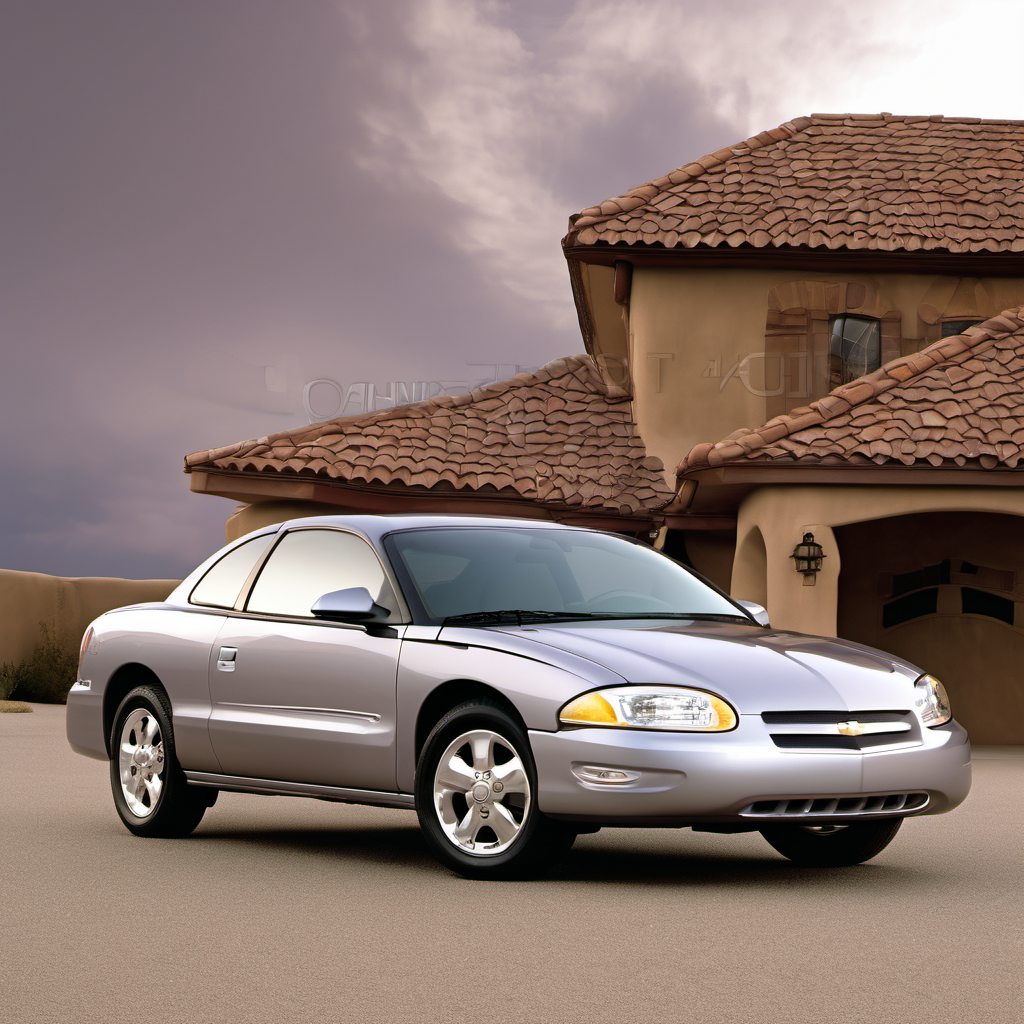
2003 Chevrolet
Coupe
The 2003 Chevrolet Monte Carlo is a front-wheel-drive two-door coupe built on GM's W-body platform, shared with the Pontiac Grand Prix and Buick Regal. By 2003 the Monte Carlo was well into its sixth and final generation (1995–2007), offering a roomy interior for a coupe and a smooth, relaxed highway cruiser personality. It was never a performance car in stock form, but it earned a loyal following as an affordable, stylish American coupe with reasonable fuel economy for its era. The base 3.4L V6 (LG8) is a modest but generally durable engine when maintained. The higher-trim SS models got the 3.8L V6, which is the more robust and recommended choice if you're shopping used. The 3.4L can be adequate for everyday use, but it does have known weak spots — particularly the intake manifold gaskets — that are worth knowing about before buying or budgeting for. At 20+ years old, most surviving Monte Carlos are daily-driver budget cars or project vehicles. Parts are still widely available, independent shops know these cars well, and they're inexpensive to buy. Just expect to spend some money catching up on deferred maintenance.
The 2003 Chevrolet Monte Carlo is a front-wheel-drive two-door coupe built on GM's W-body platform, shared with the Pontiac Grand Prix and Buick Regal. By 2003 the Monte Carlo was well into its sixth and final generation (1995–2007), offering a roomy interior for a coupe and a smooth, relaxed highway cruiser personality. It was never a performance car in stock form, but it earned a loyal following as an affordable, stylish American coupe with reasonable fuel economy for its era. The base 3.4L V6 (LG8) is a modest but generally durable engine when maintained. The higher-trim SS models got the 3.8L V6, which is the more robust and recommended choice if you're shopping used. The 3.4L can be adequate for everyday use, but it does have known weak spots — particularly the intake manifold gaskets — that are worth knowing about before buying or budgeting for. At 20+ years old, most surviving Monte Carlos are daily-driver budget cars or project vehicles. Parts are still widely available, independent shops know these cars well, and they're inexpensive to buy. Just expect to spend some money catching up on deferred maintenance.
The 3.4L runs conventional oil; many of these engines have accumulated sludge from extended intervals. Shorter changes help flush deposits and protect the valvetrain.
Dex-Cool that goes too long or gets air in the system turns acidic and accelerates intake manifold gasket deterioration — the #1 failure on this engine.
Most owners skip this. The 4T65-E lasts much longer with clean fluid; neglect leads to slipping and expensive rebuilds.
The 3.4L uses a distributorless ignition. Worn plugs or cracked plug wires cause rough idle and misfires, and rear-bank plugs are awkward to reach — address on schedule.
Belt-driven accessories are the lifeline on this engine. A cracked belt or seized tensioner will leave you stranded, especially in cold Wisconsin starts.
W-body cars are notorious for rocker panel rust in salt-belt states. Once the subframe starts going, repair costs escalate rapidly. Catch it early.
FWD and Wisconsin potholes are hard on CV boots and struts. Torn boots let grease escape and allow grit in — leading to early axle failure.
20-year-old wiring and a cold Lake Geneva winter are a bad combination. A weak battery may start the car in September and fail in January.
Always defer to the manufacturer's service manual for warranty-mandated intervals.
The Monte Carlo is a low-cost vehicle to own on paper, but a high-mileage 2003 example likely has deferred maintenance catching up. Budget $600–$900 for routine annual upkeep in a good year, but set aside $1,000–$1,500 extra if the intake gaskets, transmission service, or window regulators haven't been addressed. Parts are cheap, labor is straightforward, and independent shops can handle everything.
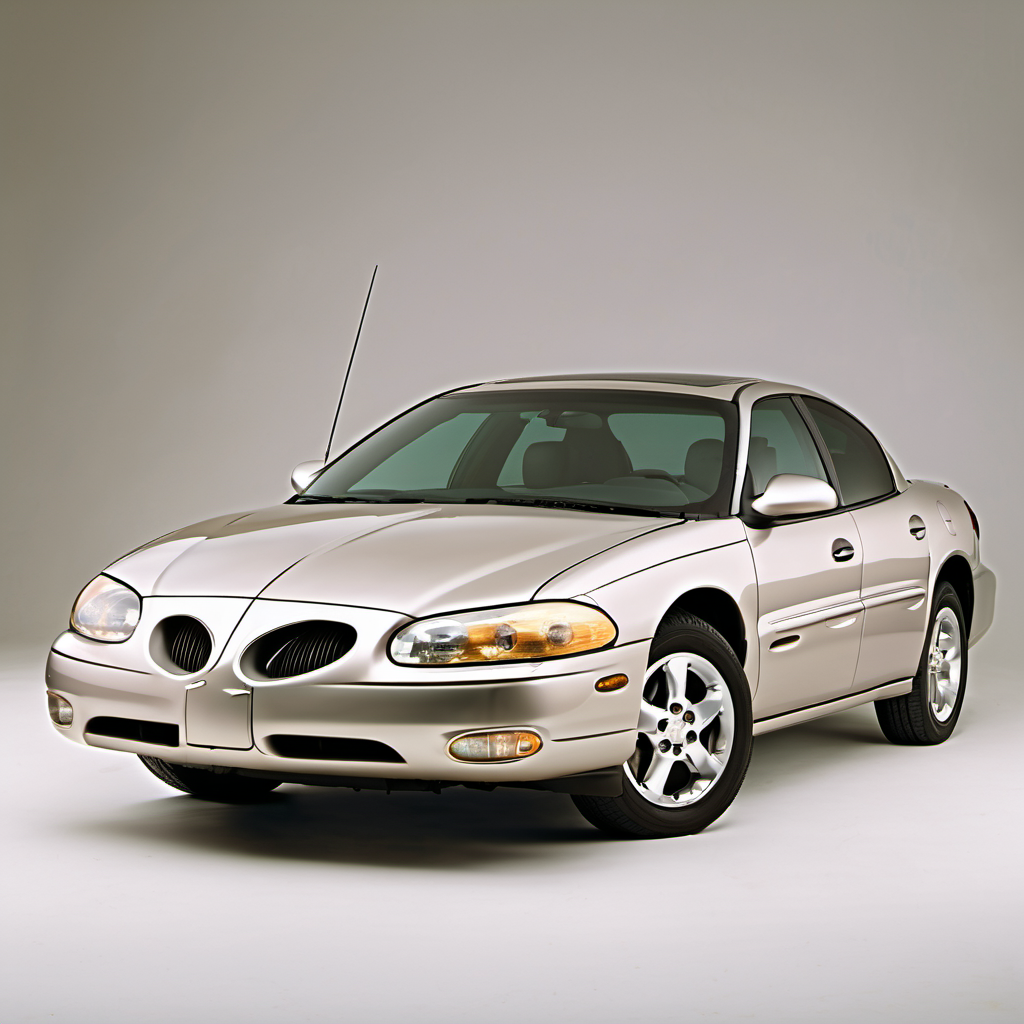
Same GM W-body platform, same era, same price range. The Grand Prix GT offers the 3.8L V6 which is more reliable than the Monte's base 3.4L. A direct mechanical sibling.
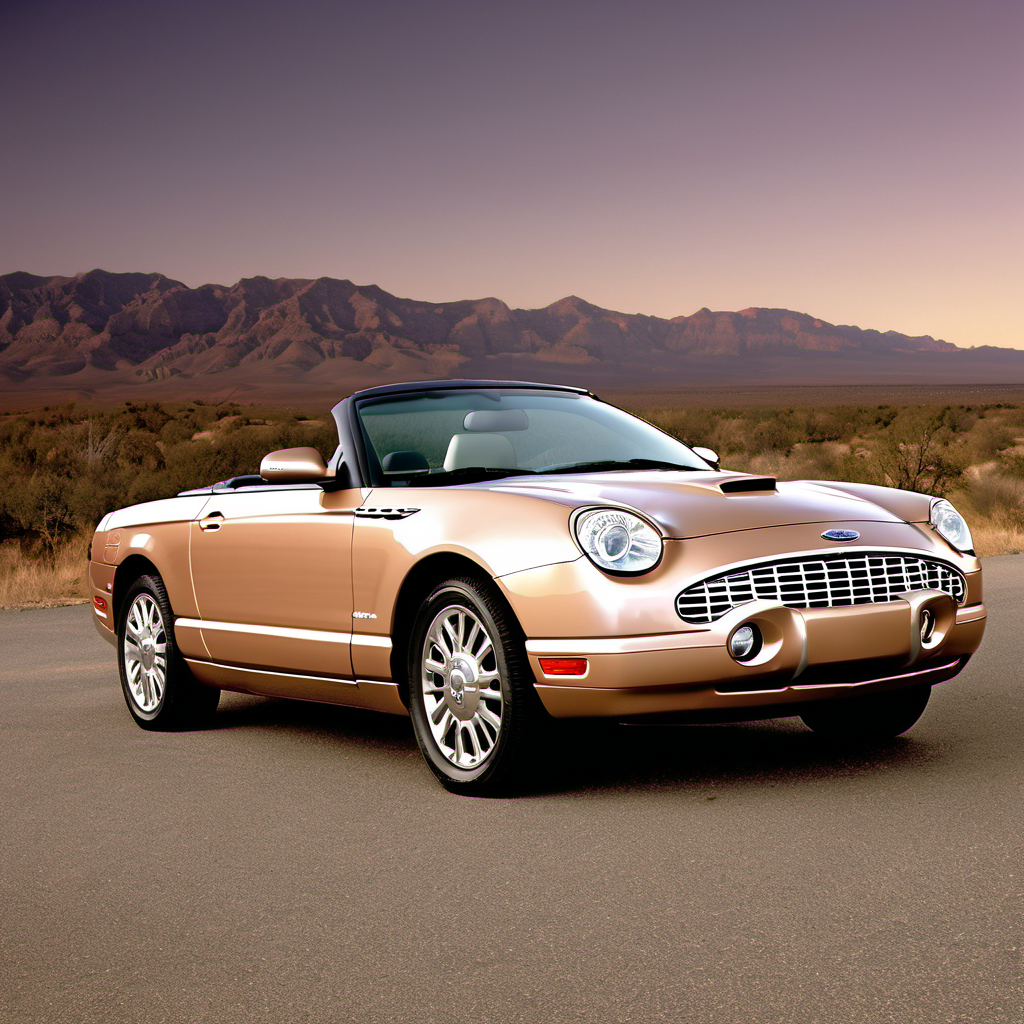
Two-door American coupe/convertible from the same era, though pricier. Less practical but a comparable cruiser mission. Better for buyers who want something more distinctive.
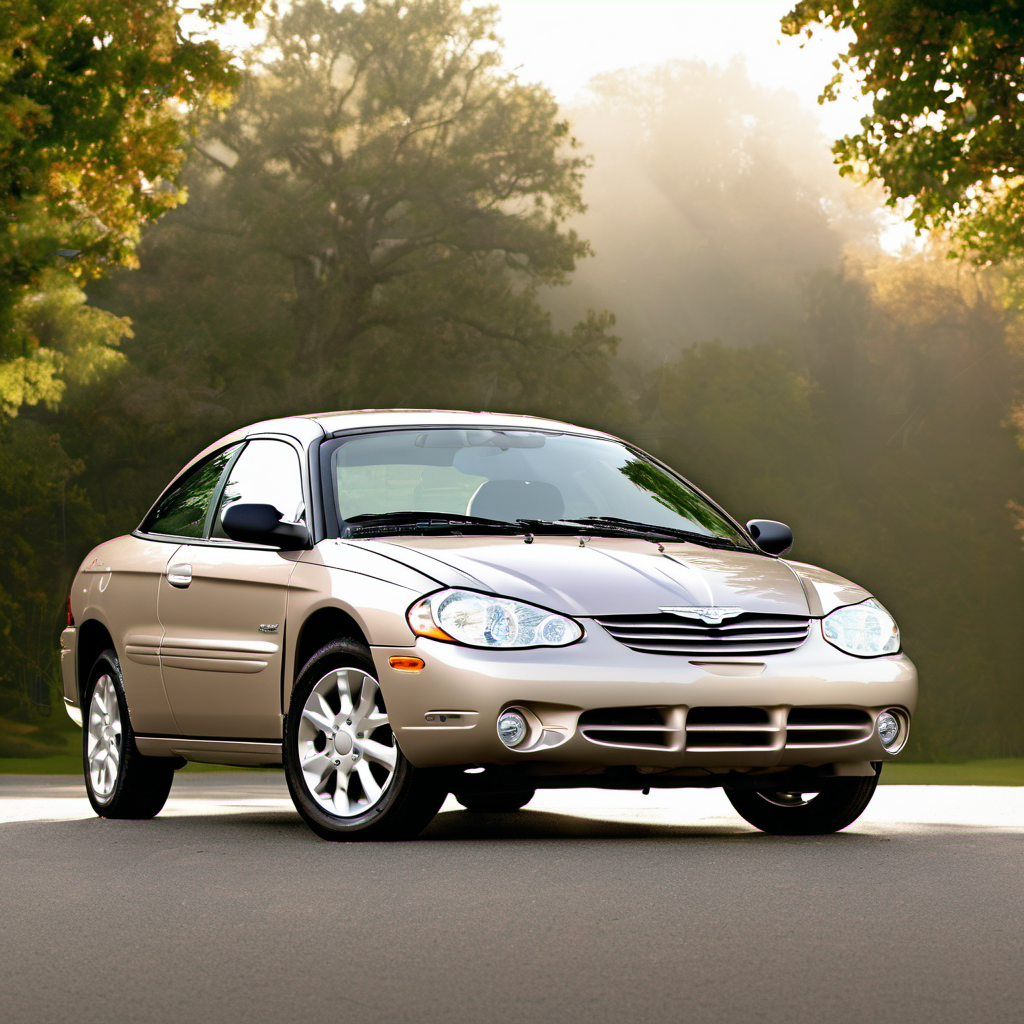
FWD domestic coupe in the same price bracket. More trim options including convertible. The Mitsubishi-derived drivetrain is less proven long-term than the GM V6s.
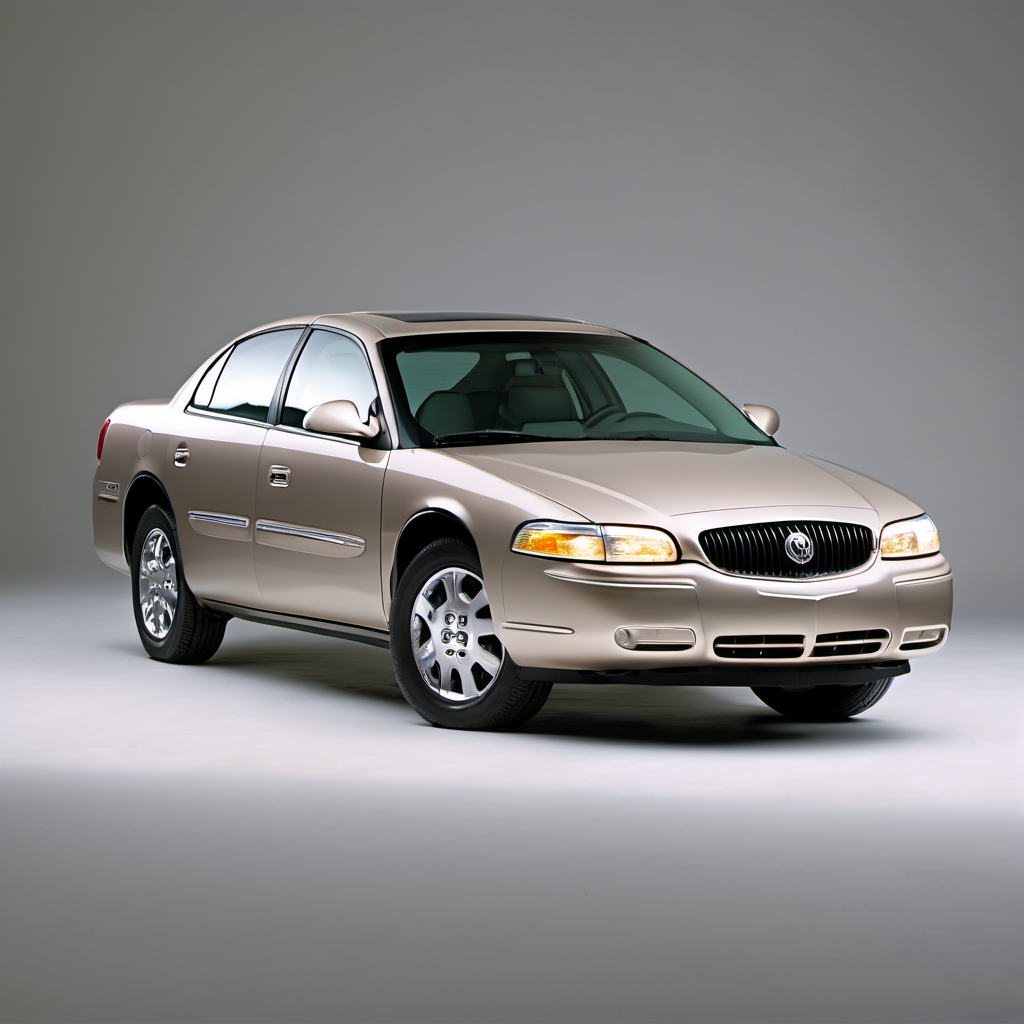
Another W-body platform sibling. The Regal GS with the supercharged 3.8L is a step up in performance and reliability. Slightly more upscale interior than the Monte Carlo.