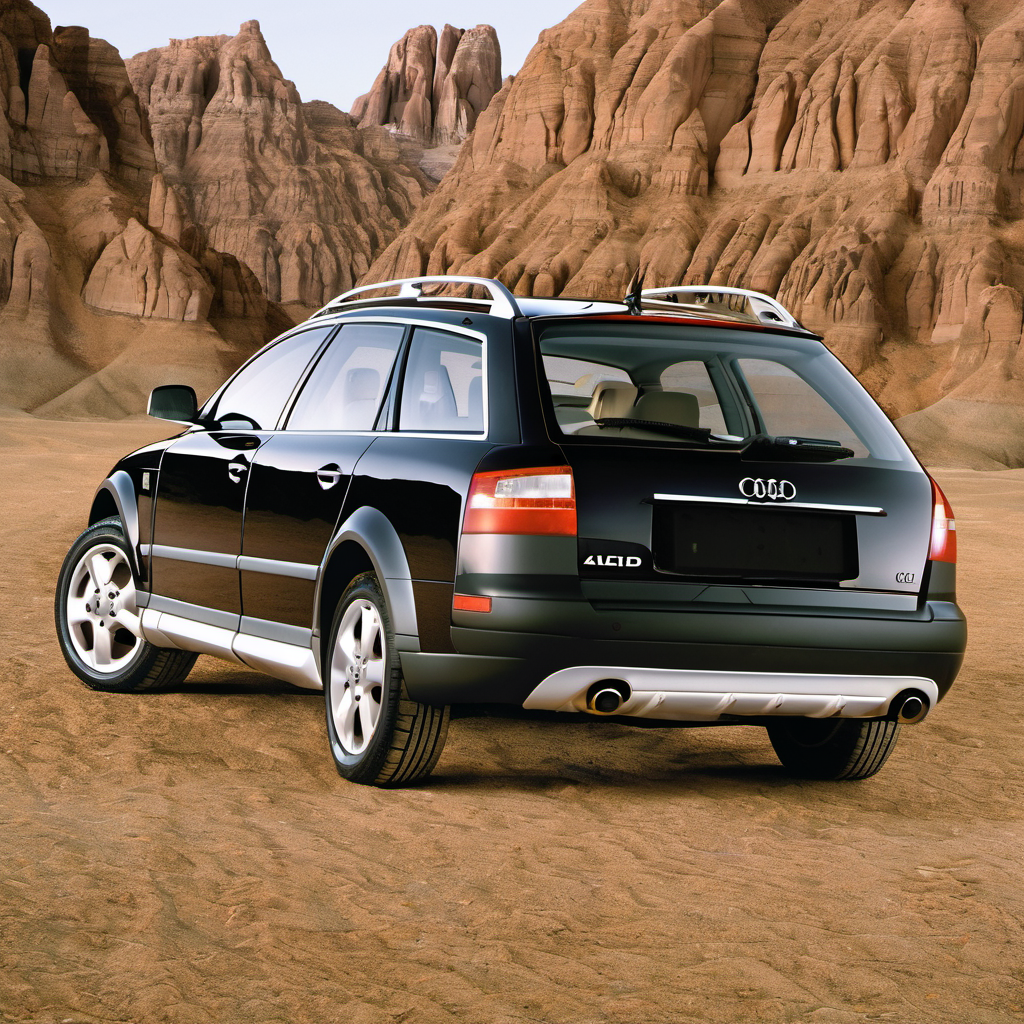
2003 Audi allroad Wagon

2003 Audi

allroadWagon

Wagon

The 2003 Audi allroad quattro is a lifted, all-wheel-drive wagon built on the B5 A6 platform. It combines genuine off-pavement capability — thanks to its air suspension that raises ride height up to 8.2 inches — with a twin-turbocharged 2.7-liter biturbo V6 that makes a legitimate 250 hp. It was a niche vehicle when new and remains one today: a genuinely capable, luxury-appointed all-weather wagon for drivers who want something different. The allroad earned a devoted following for its combination of A6 interior refinement, quattro AWD traction, and the adjustable-height air suspension that genuinely handles light trails and deep snow. At 20+ years old, virtually every example on the road has aged well beyond its most trouble-prone systems. Be clear-eyed: this is a high-maintenance European luxury vehicle from the early 2000s. The biturbo engine, air suspension, and complex electronics all have well-documented failure modes that can be expensive to repair. Owners who stay on top of maintenance and budget for repairs are rewarded with a unique, capable machine. Owners who don't are quickly overwhelmed by repair bills.

Reliability
2/5
Verified data
Specs shown for Allroad quattro — the most common configuration. Other trims may vary in engine, drivetrain, or fuel economy. Sign in to see your vehicle's exact specs.
Engine
[object Object]
Drivetrain
AWD
Fuel
Premium gasoline
MPG
14 city / 21 hwy / 17 combined
Seats
Doors
Body
Sport Utility Vehicle - 4WD

Overview

AI-curated

The 2003 Audi allroad quattro is a lifted, all-wheel-drive wagon built on the B5 A6 platform. It combines genuine off-pavement capability — thanks to its air suspension that raises ride height up to 8.2 inches — with a twin-turbocharged 2.7-liter biturbo V6 that makes a legitimate 250 hp. It was a niche vehicle when new and remains one today: a genuinely capable, luxury-appointed all-weather wagon for drivers who want something different. The allroad earned a devoted following for its combination of A6 interior refinement, quattro AWD traction, and the adjustable-height air suspension that genuinely handles light trails and deep snow. At 20+ years old, virtually every example on the road has aged well beyond its most trouble-prone systems. Be clear-eyed: this is a high-maintenance European luxury vehicle from the early 2000s. The biturbo engine, air suspension, and complex electronics all have well-documented failure modes that can be expensive to repair. Owners who stay on top of maintenance and budget for repairs are rewarded with a unique, capable machine. Owners who don't are quickly overwhelmed by repair bills.

Known for
  • Adjustable air suspension with multiple ride-height settings
  • Quattro AWD with excellent real-world traction
  • Twin-turbocharged 2.7L biturbo V6 with strong mid-range pull
  • Premium B5 A6 interior and build quality
  • Unique lifted wagon identity in a market of SUVs
Best for
  • Wisconsin winters and rural road conditions
  • Drivers who want wagon practicality with AWD confidence
  • Enthusiasts comfortable with DIY or trusted independent European-car shops
  • Buyers who prioritize driving character over low maintenance costs
Watch for
  • Air suspension compressor and air bag failures — costly and common
  • Biturbo system complexity: turbos, intercoolers, boost hoses all age
  • Timing belt service is non-negotiable — engine is interference type
  • Oil sludge from infrequent oil changes destroys this engine
  • Electrical gremlins in aging 20-year-old European control modules

Common issues by mileage

6 known

Air Suspension Failure (Compressor, Air Bags, Valve Block)

high
Typically appears
80–150k mi
Estimated repair
$800 – $3,500

Timing Belt & Water Pump Interval Neglect

high
Typically appears
60–90k mi (every 75k mi interval)
Estimated repair
$900 – $1,600

Boost Hose Deterioration / Turbo Boost Leaks

high
Typically appears
80–150k mi
Estimated repair
$200 – $900

Engine Oil Sludge (from extended oil change intervals)

medium
Typically appears
60–120k mi
Estimated repair
$500 – $4,000

Oxygen Sensor / Heater Circuit Failures

medium
Typically appears
80–130k mi
Estimated repair
$200 – $600

Maintenance schedule

  1. 1
    Every 5,000 miles or 6 months — do NOT stretch to OLM intervals Oil & Filter Change — use full synthetic 5W-40 meeting VW 502.00 spec

    The 2.7T biturbo is extremely sensitive to oil quality and change frequency. Sludge from extended intervals causes catastrophic bearing and camshaft damage. This is the single most important maintenance item on this vehicle.

  2. 2
    Every 75,000 miles or 6 years, whichever comes first Timing Belt, Water Pump, Tensioners, and Idler Rollers

    This is an interference engine — belt failure means immediate, total engine destruction. Always replace the water pump and all tensioners at the same time. Verify the last service date with receipts before purchasing.

  3. 3
    Every 30,000 miles or any time ride height is uneven Air Suspension Inspection (compressor, bags, valve block, lines)

    Air bags crack with age especially in Wisconsin winters. A failed compressor running continuously will burn itself out quickly. Catch leaks early — a full system replacement is much more expensive than addressing one component.

  4. 4
    Every 40,000 miles Spark Plugs

    The biturbo engine has six plugs buried under significant hardware. Fresh plugs protect the turbos from misfires and keep combustion clean.

  5. 5
    Every 2 years or 30,000 miles Coolant Flush

    Use Audi/VW G12 or G13 spec coolant only. Mixing types causes silicate drop-out and water pump corrosion — a serious failure on this engine.

  6. 6
    Every 30,000 miles or at any boost-related symptom Boost Hose Inspection

    Rubber and silicone boost hoses harden and crack with age. A leaking hose causes significant power loss, rich/lean conditions, and turbine stress. Inspect all intercooler-to-intake piping carefully.

  7. 7
    Every 40,000–50,000 miles Differential and Transfer Case Fluid

    Quattro AWD has multiple fluid-filled differentials. Fresh fluid protects against the accelerated wear common in high-mileage examples.

  8. 8
    Every fall before Wisconsin winter Battery Load Test

    The allroad's electronics — air suspension ECU, multiple control modules, alarm — draw significant standby current. A weak battery causes cascading electrical faults in cold weather. Test and replace proactively.

Always defer to the manufacturer's service manual for warranty-mandated intervals.

Cost of ownership

Annual maintenance
$1,500 – $4,000
Fuel
Premium (91+ octane) required. At 17 mpg combined and current Wisconsin prices, expect $2,800–$3,500/year at 12,000 miles annually.
Insurance
Moderate to high — luxury European wagon with limited parts availability. Budget $1,200–$1,800/year for a typical owner in the Lake Geneva area.

The allroad is inexpensive to buy on the used market but expensive to maintain and repair. Budget $1,500–$4,000/year in maintenance on a healthy example — more if air suspension or turbo work is needed. A single major repair (air suspension overhaul, timing belt, turbo replacement) can exceed $2,000–$4,000 on its own. This is not a 'buy cheap and drive' vehicle; it rewards owners who treat it as a project and maintain it proactively.
Seasonal care

Lake Geneva, WI
Winter
  • Test battery load every October — the air suspension compressor and multiple ECUs draw hard on a weak battery in sub-zero temps
  • Switch to full synthetic 5W-40 if not already in use; cold-start oil flow on the biturbo is critical to turbo bearing life
  • Inspect and treat all door seals and the tailgate seal — water intrusion freezes and tears seals quickly in Wisconsin winters
  • Flush and fill windshield washer fluid with -25°F or lower rated fluid; the allroad sits low enough for road spray to be constant
  • Rinse the undercarriage and wheel wells frequently — road salt accelerates rust on this era's Audi subframes and brake lines
  • Allow the engine to idle briefly before driving hard; let oil pressure build to the turbo bearings before putting the turbos under boost
Summer
  • Check tire pressures monthly — the allroad's load and performance tires are sensitive to heat-driven pressure increases
  • Inspect air conditioning performance and cabin air filter; the HVAC system on this era Audi is complex and refrigerant leaks are common on older units
  • Check coolant level and inspect hoses for heat-induced cracking — the biturbo engine runs hot and coolant system integrity matters
  • Inspect all boost hoses for soft spots or cracks; summer heat accelerates rubber degradation on turbo plumbing

Comparable vehicles

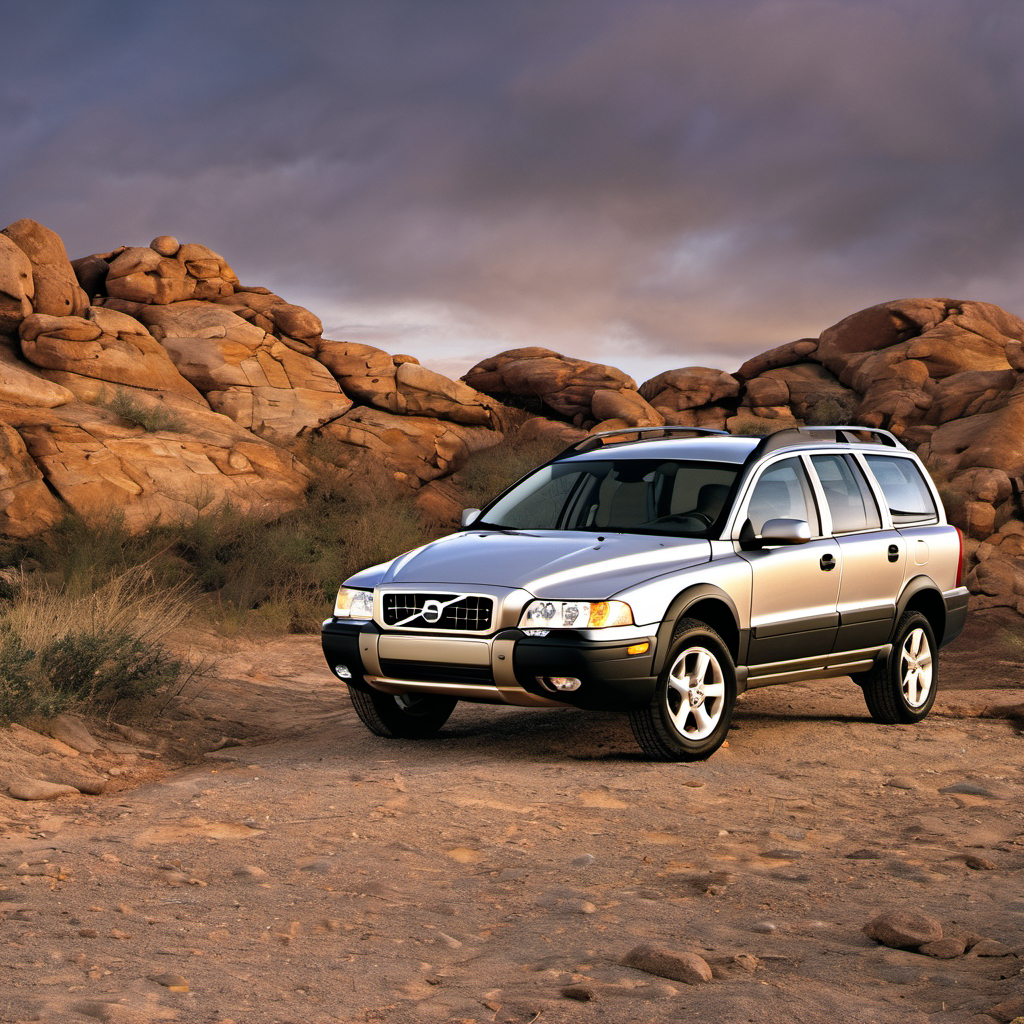
2003 Volvo XC70
2003 Volvo
XC70

AWD wagon in the same segment, more reliable, lower maintenance cost, similar practicality — but lacks the allroad's adjustable suspension and biturbo character
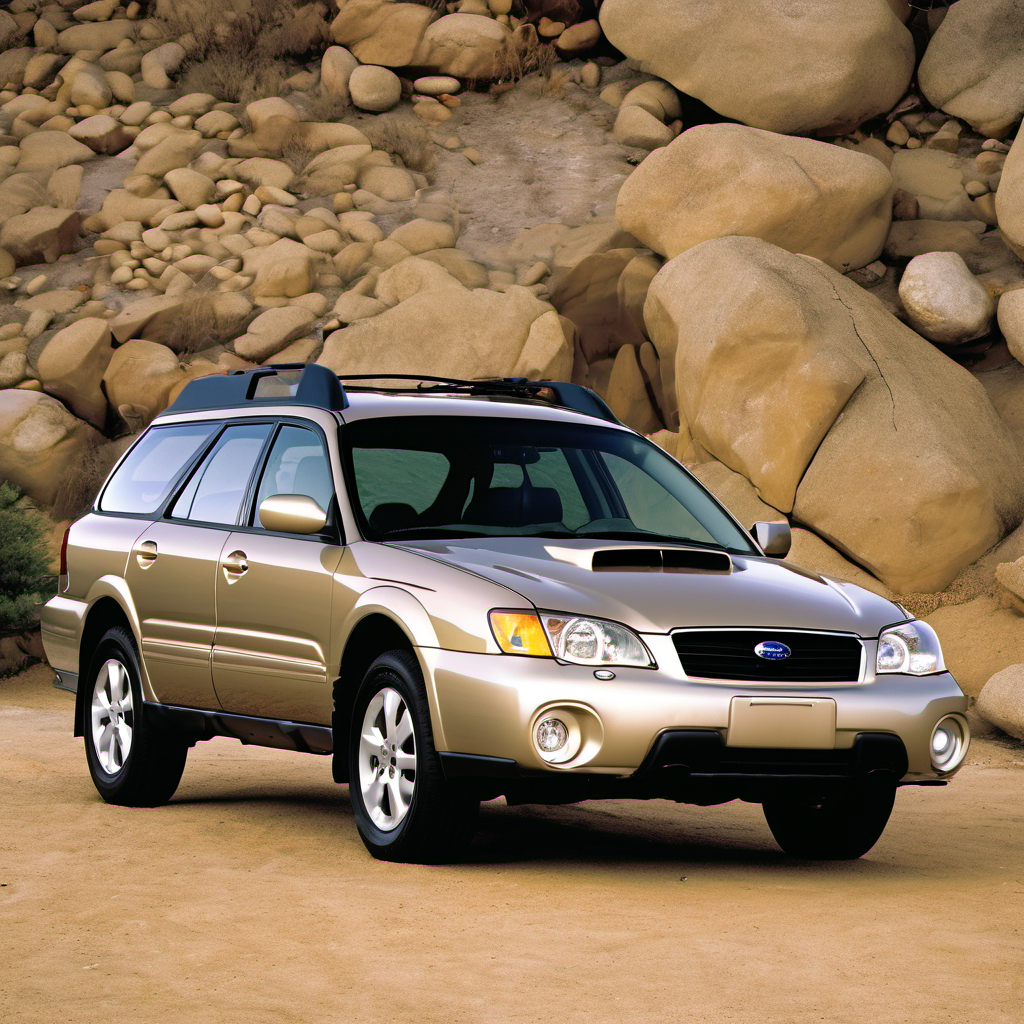
2003 Subaru Outback
2003 Subaru
Outback

AWD wagon with genuine all-weather traction at a fraction of the maintenance cost; simpler drivetrain and far cheaper to own long-term

2003 BMW
525i Touring

European sport wagon alternative with similar luxury feel and maintenance complexity; RWD-based xDrive AWD not available on this year's 5 Series wagon in the US

No catalog match
2003 Mercedes-Benz
E320 4MATIC Wagon

Direct luxury AWD wagon competitor with similar ownership costs; more parts availability and dealer support but equally complex at this age

No catalog match

If you're shopping for one

Red flags
  • No timing belt service records — this is a deal-breaker on an interference engine this old
  • Air suspension warning light on, or car sitting unevenly at any corner
  • Sludge visible on oil filler cap or dipstick
  • Boost hoses visibly cracked, collapsed, or held together with tape or zip ties
  • Multiple active fault codes without explanation — suggests deferred maintenance or hidden problems
  • Rust on brake lines, structural subframe, or fuel lines that would fail Wisconsin road inspection
What to inspect
  • Demand receipts proving timing belt replacement within the last 75,000 miles — walk away if none exist
  • With engine warm and at idle, listen for turbo flutter, boost hose hiss, or uneven idle that suggests a boost leak
  • Check all four corners of the vehicle on the air suspension: cycle through all ride height modes and confirm the car raises/lowers evenly and holds position
  • Pull the oil cap and inspect for sludge or a milky residue — sludge means the engine has been oil-starved at some point
  • Check for uneven tire wear suggesting suspension or alignment issues caused by worn air bags
  • Look underneath at brake lines, subframe, and fuel lines for heavy rust — Wisconsin salt is brutal on this era's steel
  • Scan all modules with a VAG-COM/VCDS scan tool — generic OBD2 scanners miss most of the Audi-specific fault codes
AI profile generated 11 days ago · claude-sonnet-4-6 · v2.