Timing chain stretch from oil neglect
medium- Typically appears
- 80–150k mi
- Estimated repair
- $400 – $900
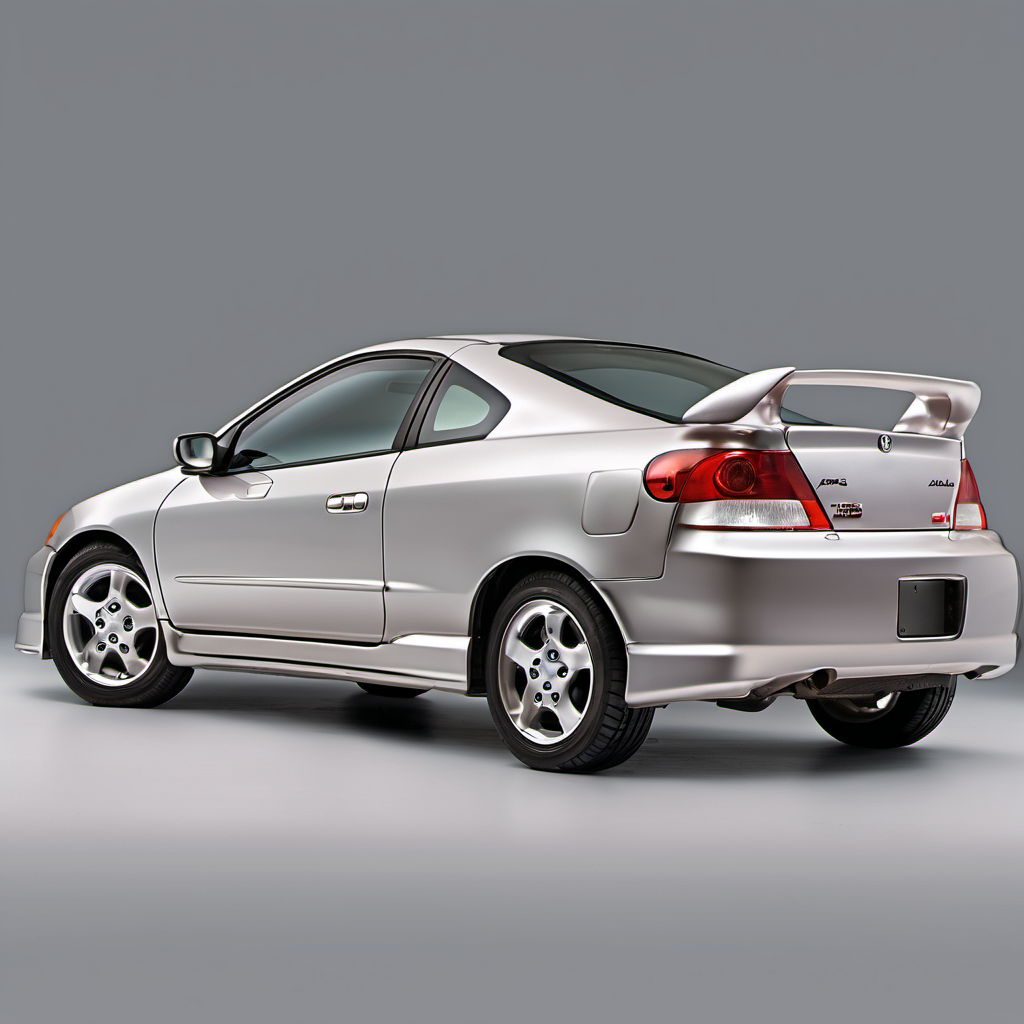
2003 Acura
Coupe
The 2003 Acura RSX is a sport compact coupe built on Honda's DC5 platform, replacing the beloved Integra. It came in two main flavors: the base model with a 155-hp K20A3, and the Type-S with a 200-hp K20A2 featuring Honda's i-VTEC system. Both share the same tight, driver-focused chassis that made the Integra a cult favorite. For its era, the RSX punched well above its price class in handling, build quality, and powertrain longevity. The K-series engine family it introduced went on to become one of Honda's most celebrated and long-lived engine lines. Even base models feel eager and rewarding to drive, and the Type-S is genuinely quick for a naturally aspirated front-driver. At 20+ years old, most RSXs on the market have seen enthusiast ownership, which is a double-edged sword. Many have been well-maintained and lightly modified; others have been driven hard, lowered on questionable suspension, or had sub-frame and chassis stress from aggressive use. Buying used requires a careful inspection.
The 2003 Acura RSX is a sport compact coupe built on Honda's DC5 platform, replacing the beloved Integra. It came in two main flavors: the base model with a 155-hp K20A3, and the Type-S with a 200-hp K20A2 featuring Honda's i-VTEC system. Both share the same tight, driver-focused chassis that made the Integra a cult favorite. For its era, the RSX punched well above its price class in handling, build quality, and powertrain longevity. The K-series engine family it introduced went on to become one of Honda's most celebrated and long-lived engine lines. Even base models feel eager and rewarding to drive, and the Type-S is genuinely quick for a naturally aspirated front-driver. At 20+ years old, most RSXs on the market have seen enthusiast ownership, which is a double-edged sword. Many have been well-maintained and lightly modified; others have been driven hard, lowered on questionable suspension, or had sub-frame and chassis stress from aggressive use. Buying used requires a careful inspection.
The K20's VTC system and timing chain are oil-pressure dependent. Dirty or low oil is the single biggest cause of expensive K-series failures. This is the most important maintenance item on this car.
Cold-start rattles are the first symptom of chain stretch or a sticky VTC actuator. Catching it early avoids a potential engine-bending failure.
Honda MTF is the correct fluid. Cheap universal gear oil causes notchy shifting, especially in cold Wisconsin winters. Use Honda OEM fluid or a spec-matched equivalent.
Brake fluid absorbs moisture over time. In a performance car that may see spirited driving, degraded fluid raises the risk of brake fade and caliper corrosion.
The K20 runs best with plugs in spec. Worn plugs cause misfires that can be mistaken for more serious issues and stress the ignition coils.
Honda's long-life coolant does degrade. Old coolant becomes acidic and attacks the aluminum engine block and radiator — a critical concern for a 20-year-old vehicle.
Rockers, subframe, and suspension pickup points are rust-prone on salt-belt cars. Annual inspection and touch-up of any bare metal significantly extends the car's structural life.
Many RSXs have been lowered; even factory-height cars fall out of spec on Wisconsin roads. Misalignment chews through tires and wears front-end components quickly.
Always defer to the manufacturer's service manual for warranty-mandated intervals.
The RSX is an inexpensive car to maintain when things go right — Honda parts are affordable, independent shops know the K-series well, and labor times are short. The risk is buying one that was driven hard and poorly maintained; a used RSX needing a clutch, suspension refresh, and timing chain service can stack up $2,000–$4,000 in deferred work quickly. Get a pre-purchase inspection from a Honda-familiar shop before buying.
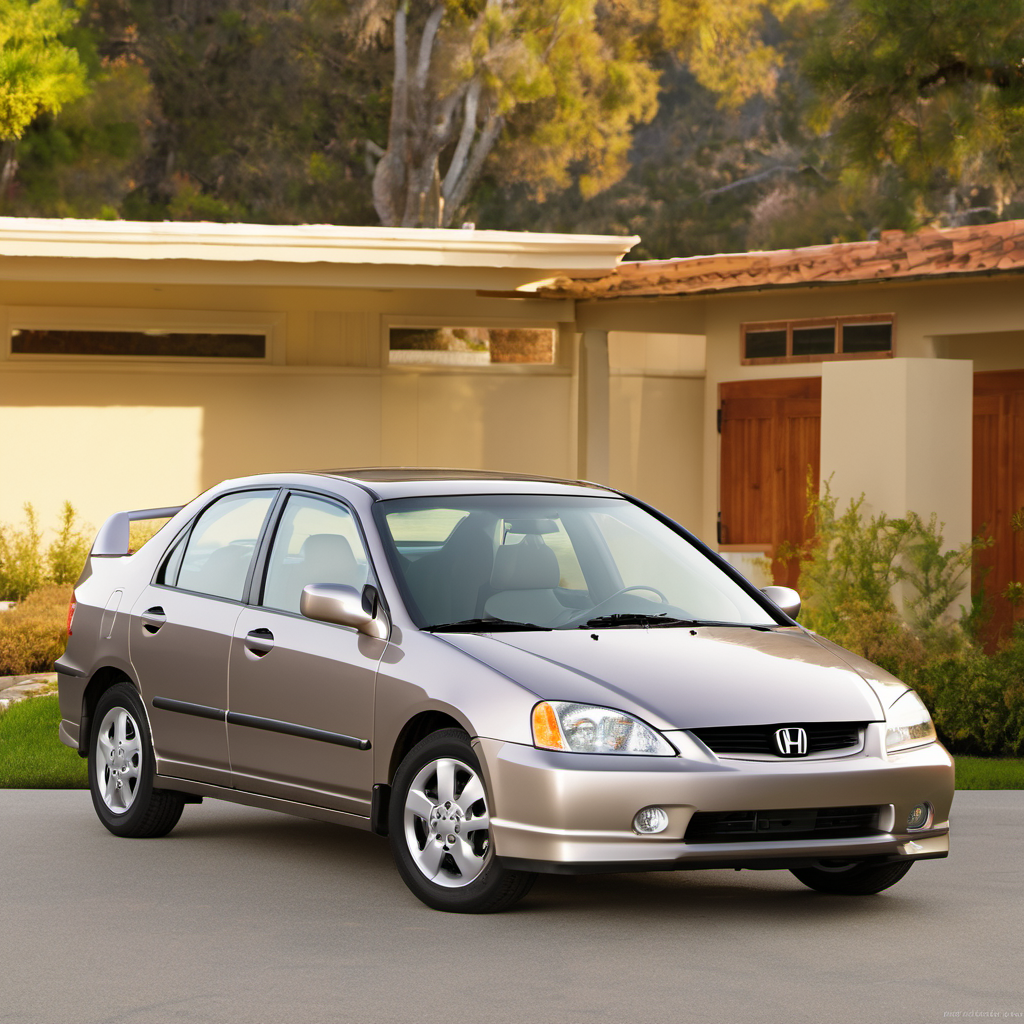
Same Honda DNA, similar price point and segment, sporty coupe with an enthusiast following — simpler SOHC engine but similar driving character and ownership cost.
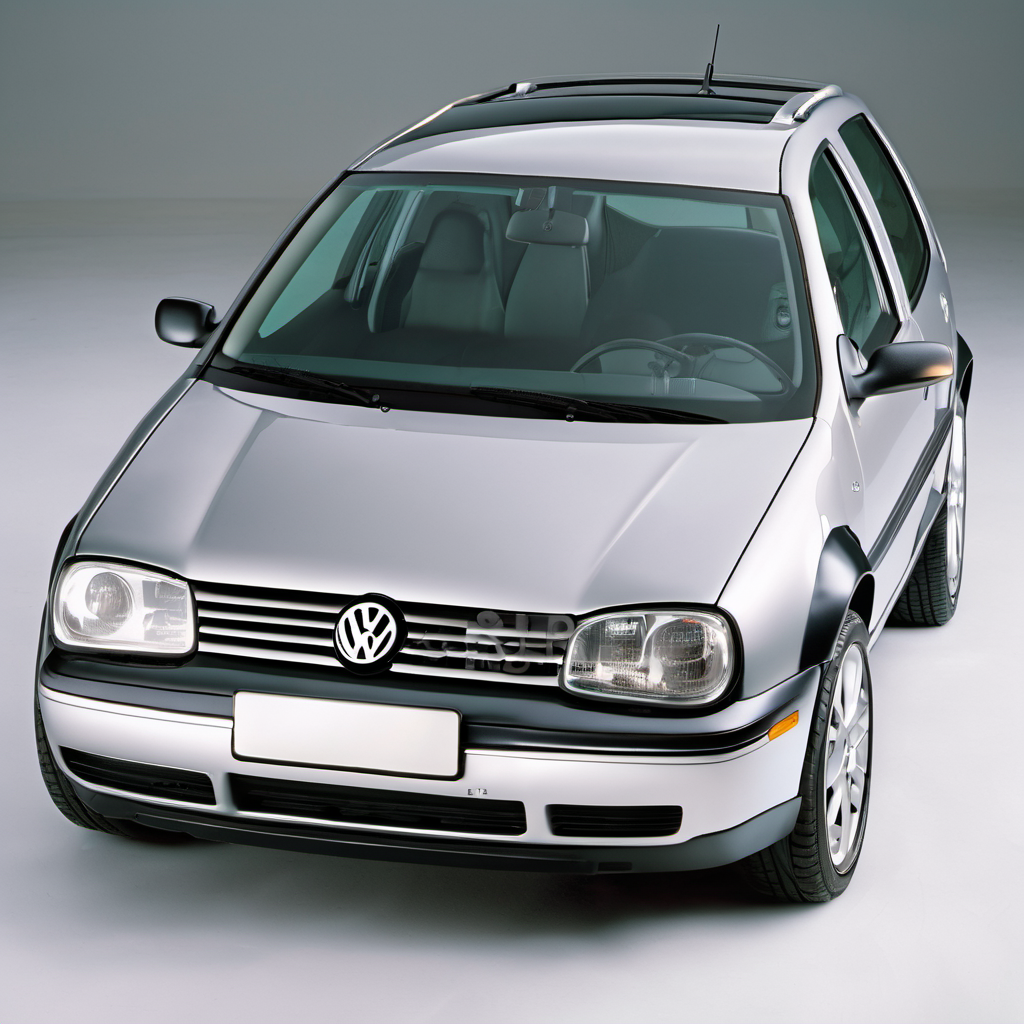
European sport compact in the same price range; similarly driver-focused with a practical hatchback body, though VW ownership costs run notably higher and parts are less available in rural Wisconsin.
Practical sport hatchback at a similar price with excellent handling credentials and low ownership cost — less sporty than the RSX Type-S but a honest alternative for buyers who want reliability first.
No catalog match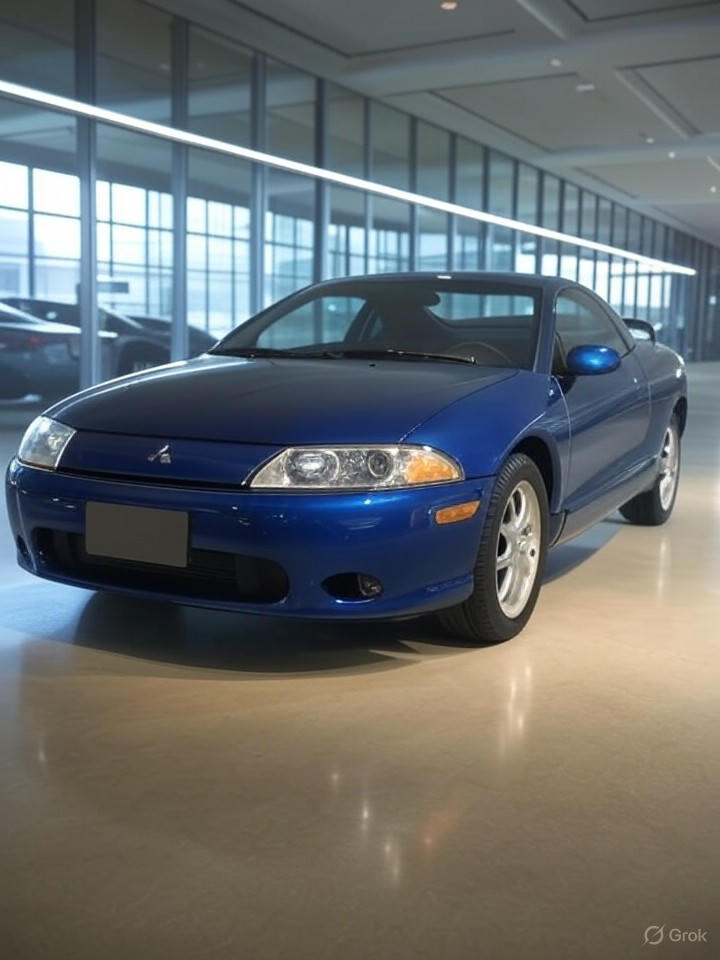
Competing sport coupe in the same market; available with more power options but carries a weaker long-term reliability record than the K-series RSX.