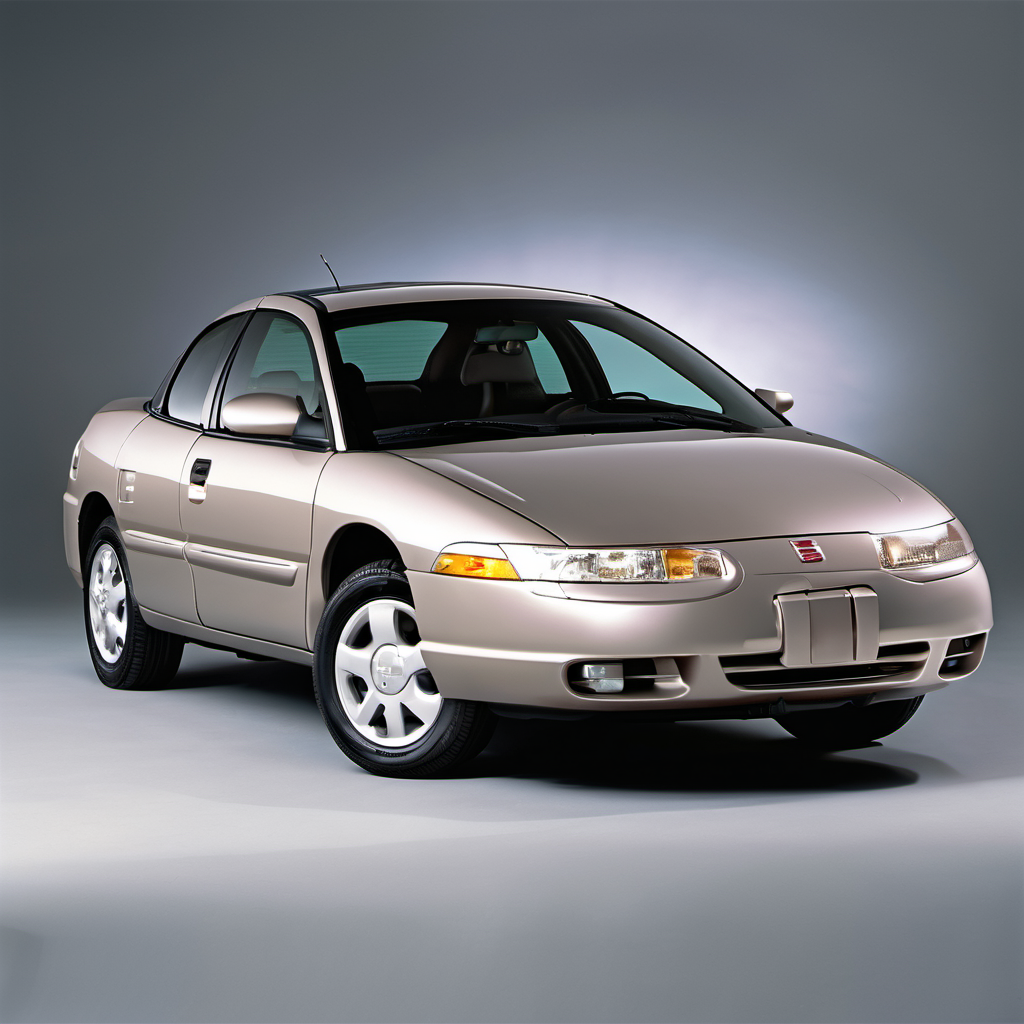
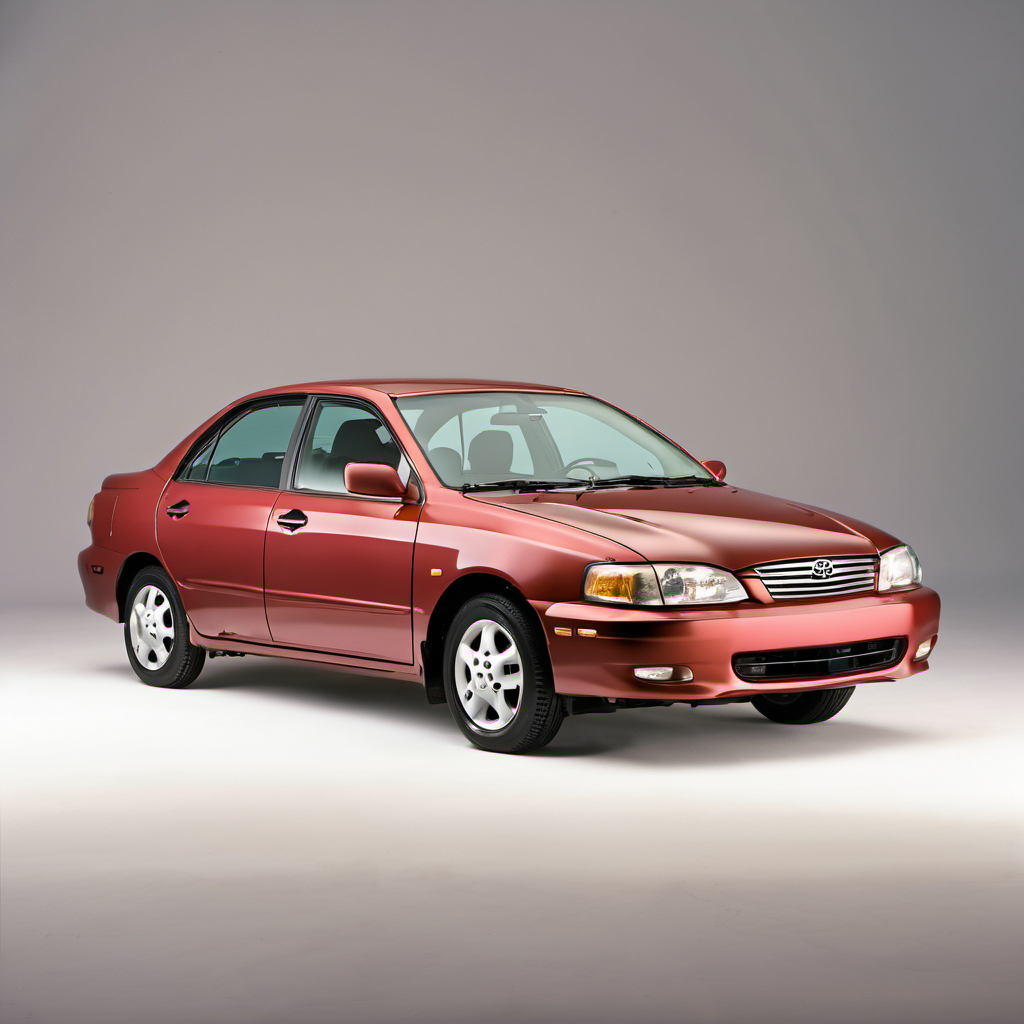
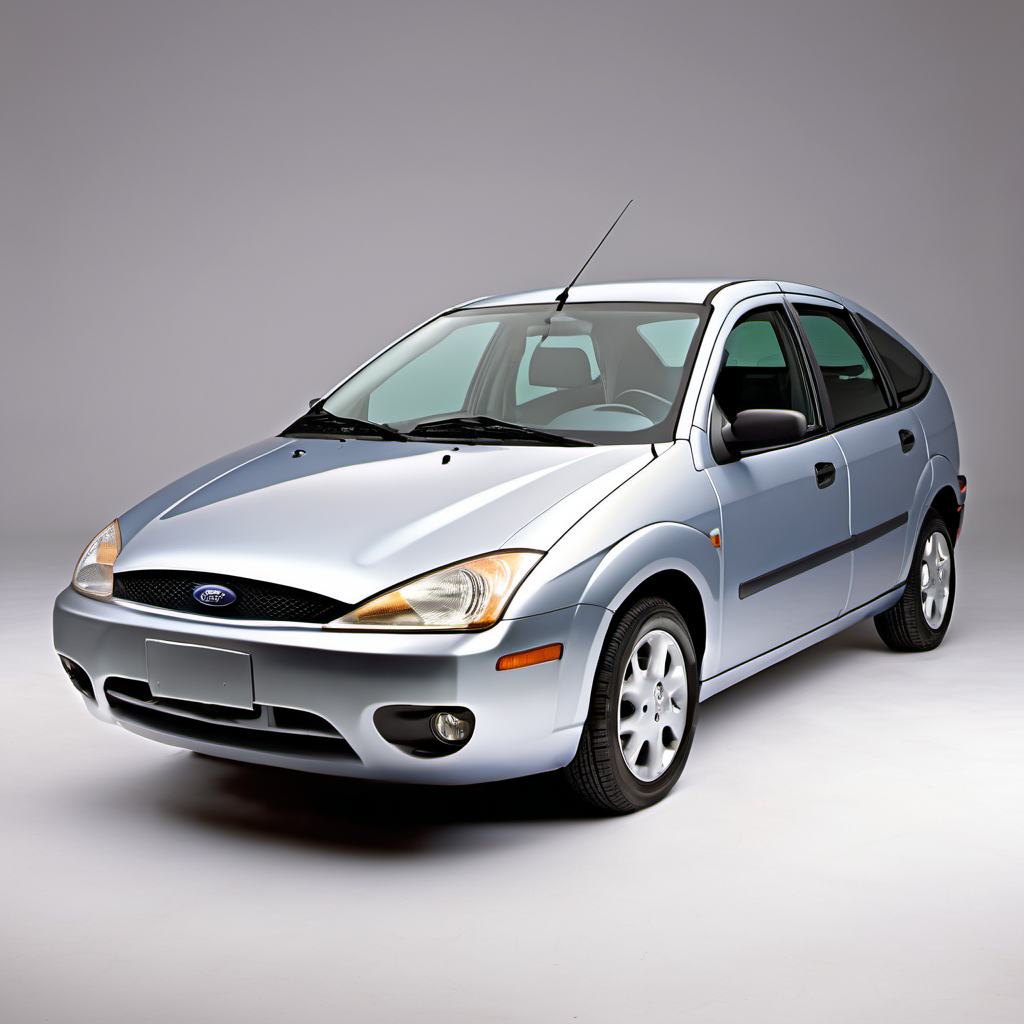
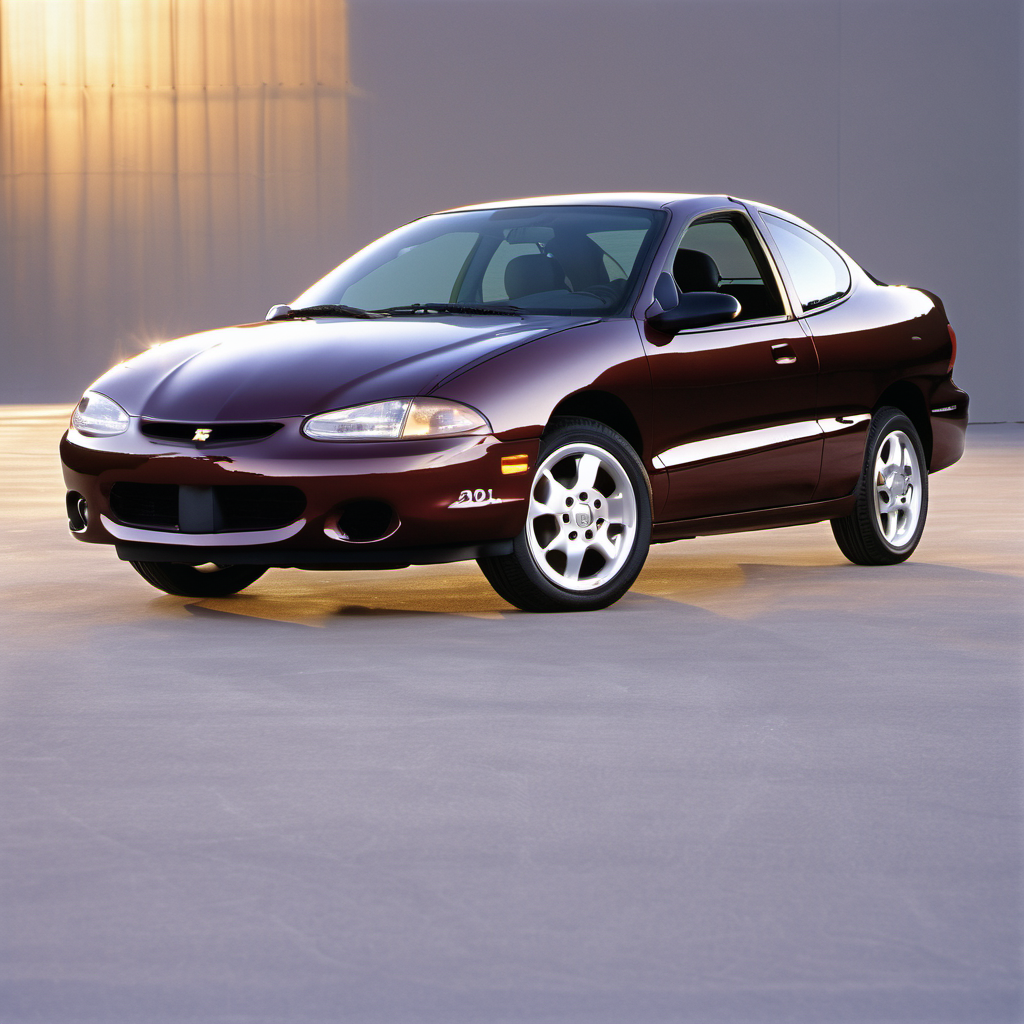
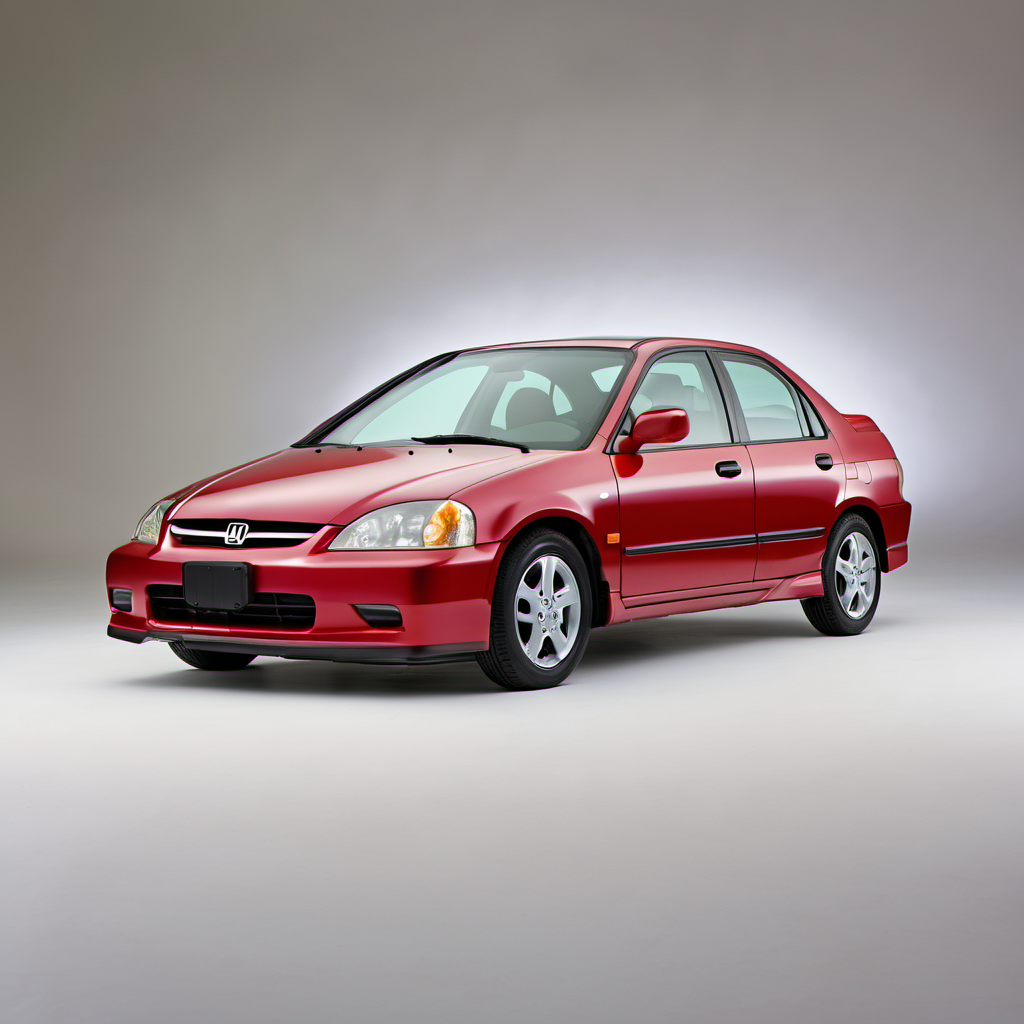
2002 Saturn S-Series Coupe

2002 Saturn

S-SeriesCoupe

1.9L DOHC I4 · Coupe

The 2002 Saturn S-Series Coupe (SC2 trim being the most common) is a compact front-wheel-drive coupe built at Saturn's Spring Hill, Tennessee plant. It's a late-run example of GM's original Saturn experiment — a division designed to fight Japanese imports with a no-haggle approach and dent-resistant polymer body panels. By 2002 the platform was long in the tooth (introduced in 1991), but the formula still appealed to budget-conscious buyers who wanted a light, economical car. Under the hood, the SC2 used a 1.9L DOHC inline-four making 124 hp — adequate but not exciting. A 5-speed manual was common; an automatic was optional. The polymer body panels meant doors and fenders survived parking lot dings well, but the underlying steel structure still rusted, and trim/interior quality was firmly economy-grade. At 20+ years old, surviving 2002 S-Series coupes are high-mileage daily drivers or project cars. Parts are becoming scarcer as the brand has been dead since 2010. Buy only if it's already well-maintained — deferred service on these catches up fast.

Reliability
3/5
Verified data
Engine
1.9L DOHC I4
Drivetrain
FWD
Fuel
Gasoline
MPG
26 city / 35 hwy / 29 combined
Seats
5
Doors
3
Body
Coupe
MSRP
$14,420

Overview

AI-curated

The 2002 Saturn S-Series Coupe (SC2 trim being the most common) is a compact front-wheel-drive coupe built at Saturn's Spring Hill, Tennessee plant. It's a late-run example of GM's original Saturn experiment — a division designed to fight Japanese imports with a no-haggle approach and dent-resistant polymer body panels. By 2002 the platform was long in the tooth (introduced in 1991), but the formula still appealed to budget-conscious buyers who wanted a light, economical car. Under the hood, the SC2 used a 1.9L DOHC inline-four making 124 hp — adequate but not exciting. A 5-speed manual was common; an automatic was optional. The polymer body panels meant doors and fenders survived parking lot dings well, but the underlying steel structure still rusted, and trim/interior quality was firmly economy-grade. At 20+ years old, surviving 2002 S-Series coupes are high-mileage daily drivers or project cars. Parts are becoming scarcer as the brand has been dead since 2010. Buy only if it's already well-maintained — deferred service on these catches up fast.

Known for
  • Dent-resistant polymer body panels
  • Lightweight, fuel-efficient 1.9L four-cylinder engines
  • No-haggle Saturn dealership buying experience (at the time)
  • Simple, owner-serviceable mechanicals
Best for
  • Budget-conscious commuters who do their own maintenance
  • Drivers who want cheap-to-insure transportation
  • Light city and highway driving
Watch for
  • Rusting steel unibody and subframe beneath the polymer panels
  • Oil consumption and coolant leak issues on aging engines
  • Shrinking parts availability now that Saturn is defunct
  • Interior plastics that crack and rattle with age

Common issues by mileage

6 known

Oil consumption and valve stem seal wear

high
Typically appears
80k–150k+ mi
Estimated repair
$150 – $600

Intake manifold gasket / coolant leak

high
Typically appears
70k–130k mi
Estimated repair
$200 – $450

Timing chain stretch and guide wear

medium
Typically appears
100k–180k mi
Estimated repair
$400 – $900

Oxygen sensor failure (upstream/downstream)

medium
Typically appears
80k–150k mi
Estimated repair
$100 – $280

Subframe and unibody corrosion (Wisconsin salt exposure)

high
Typically appears
Any mileage on a road-salt-exposed car
Estimated repair
$300 – $2,000

Ignition switch and electrical gremlins

medium
Typically appears
100k+ mi
Estimated repair
$100 – $350

Maintenance schedule

  1. 1
    Every 3,000–4,000 miles on a high-mileage engine Engine oil and filter change

    The 1.9L DOHC is prone to oil consumption and sludge at extended intervals. Shorter changes are cheap insurance on any S-Series over 80k miles.

  2. 2
    Every 2 years or 30,000 miles Coolant system inspection and flush

    Intake manifold gasket and coolant passages on these engines are prone to slow leaks. Keeping fresh coolant with correct inhibitors slows gasket degradation.

  3. 3
    Inspect at 100k miles, replace if any rattling on cold start Timing chain and tensioner inspection

    The chain is designed to last the engine's life, but worn tensioners cause rattle and retarded cam timing — don't ignore cold-start noise.

  4. 4
    Every 30,000 miles Spark plugs

    These engines have no coil-on-plug advantage; old plugs cause misfires that stress the catalytic converter on an already aging exhaust system.

  5. 5
    Every fall before road salt season Underbody rust inspection and treatment

    The polymer panels hide nothing underneath — subframe rails, brake lines, and fuel lines rust aggressively on Wisconsin-driven cars. Catch it early.

  6. 6
    Every fall (September–October) Battery load test

    Lake Geneva winters regularly hit sub-zero. The original battery is long gone, but even a 3-year-old battery should be load-tested before the cold season.

  7. 7
    Every year Brake lines and hose inspection

    Rubber hoses and steel brake lines corrode and crack on salt-belt cars. A 20-year-old S-Series in Wisconsin almost certainly needs brake line attention.

  8. 8
    Every 15,000–20,000 miles Air filter replacement

    A dirty filter noticeably hurts performance on a 124-hp engine and increases fuel consumption.

Always defer to the manufacturer's service manual for warranty-mandated intervals.

Cost of ownership

Annual maintenance
$500 – $1,500
Fuel
At ~29 MPG combined and typical Wisconsin driving, expect roughly $1,200–$1,600/year in fuel at current Midwest gas prices.
Insurance
Insurance is typically very low — expect $600–$1,100/year for full coverage given the car's low market value.

The S-Series is cheap to insure and fuel, but a 20-year-old example can surprise you with deferred-maintenance bills. Budget $500–$1,500/year for normal upkeep; if the car needs subframe work, oxygen sensors, or timing chain service, a single year can run $2,000+. Always weigh repair costs against the car's actual market value, which is now $1,500–$3,500 for a running example.
Seasonal care

Lake Geneva, WI
Winter
  • Load-test the battery every October — sub-zero Lake Geneva temperatures will expose any weakness, and this car's electrical system is aging.
  • Flush to full-strength -34°F or lower antifreeze before first freeze; the aging gaskets on these engines don't tolerate degraded coolant.
  • Switch to a lower-viscosity oil (e.g., 5W-30) for easier cold starts if you're using a heavier weight.
  • Inspect all brake lines and steel fuel lines for salt corrosion each fall — these are 20+ years old and road-salt exposure is cumulative.
  • Fill washer fluid reservoir with a rated -20°F or colder fluid; the lightweight hood means the reservoir freezes faster than on larger cars.
  • Keep at least a half tank of fuel to prevent condensation in the fuel system and to add weight over the front wheels on slippery roads.
Summer
  • Check tire pressure monthly — these light cars run relatively narrow tires and pressure swings significantly with temperature changes.
  • Inspect the A/C system for refrigerant leaks; on a 20-year-old car the compressor seals and hoses are prime suspects.
  • Watch coolant temperature closely — aging intake gaskets and a marginal thermostat can cause overheating that damages the cylinder head.
  • Inspect the serpentine belt and tensioner before hot-weather driving; a failed belt leaves you without A/C, charging, and cooling simultaneously.

Comparable vehicles

If you're shopping for one

Red flags
  • Any rust on the subframe or floor pans — structural repairs will exceed the car's value.
  • Coolant in the oil or oil in the coolant reservoir — head or gasket damage is likely.
  • Cold-start timing chain rattle that disappears after warm-up — chain and guides are worn.
  • High oil consumption (more than 1 qt per 1,000 miles) — engine wear is advanced.
  • No service records whatsoever on a car with over 100k miles.
  • Asking price at or above $3,500 — at that price point a newer or more supportable vehicle makes more sense.
What to inspect
  • Lift the car and inspect the subframe, floor pans, and brake/fuel lines for rust — polymer panels hide serious underbody corrosion.
  • Check for white smoke or coolant smell at startup, which signals a leaking intake manifold gasket or failing head gasket.
  • Listen for a cold-start timing chain rattle — any knock or tick in the first 10 seconds of startup is a red flag.
  • Check the oil dipstick for a milky or frothy appearance indicating coolant contamination.
  • Verify the A/C blows cold and the compressor cycles cleanly — recharging or replacing the compressor on a car this cheap may not be worth it.
  • Look at maintenance records: no records on a 20-year-old economy car usually means deferred service.
AI profile generated 11 days ago · claude-sonnet-4-6 · v2.