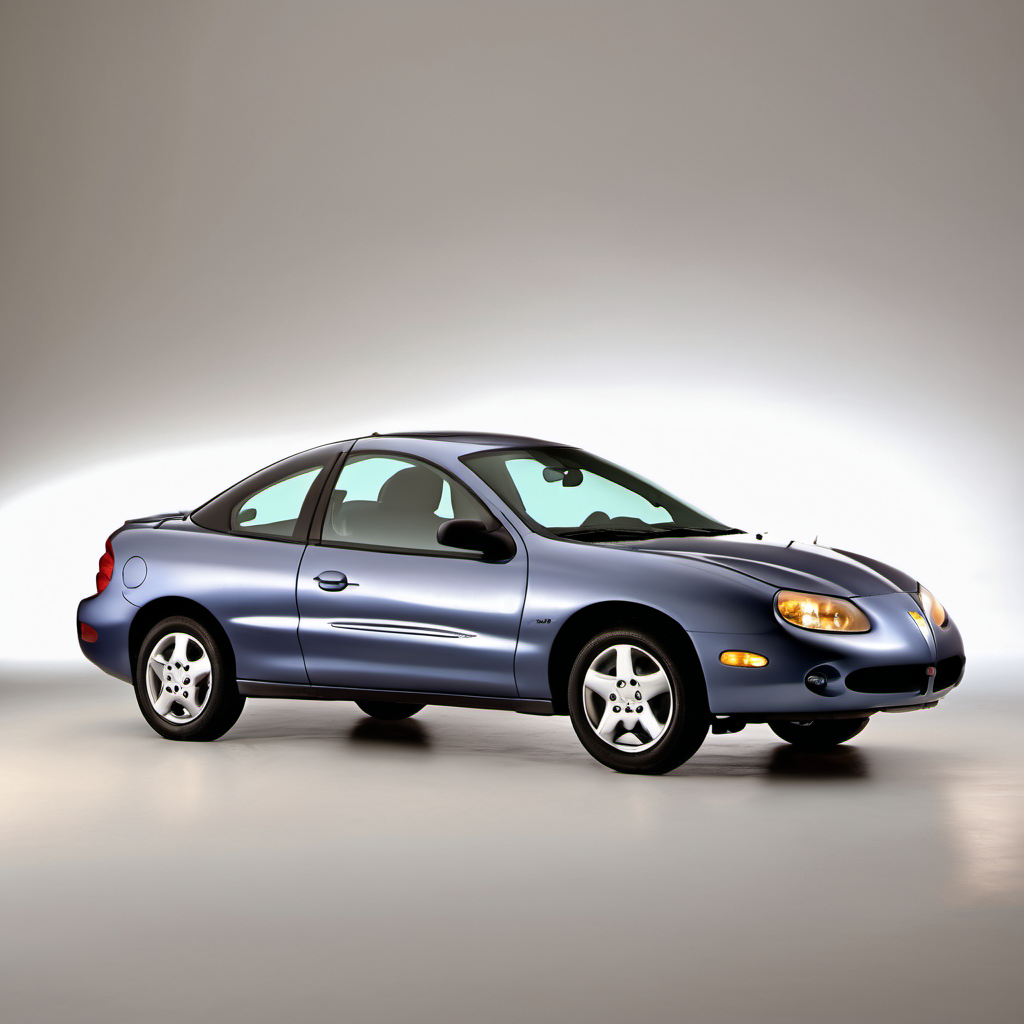
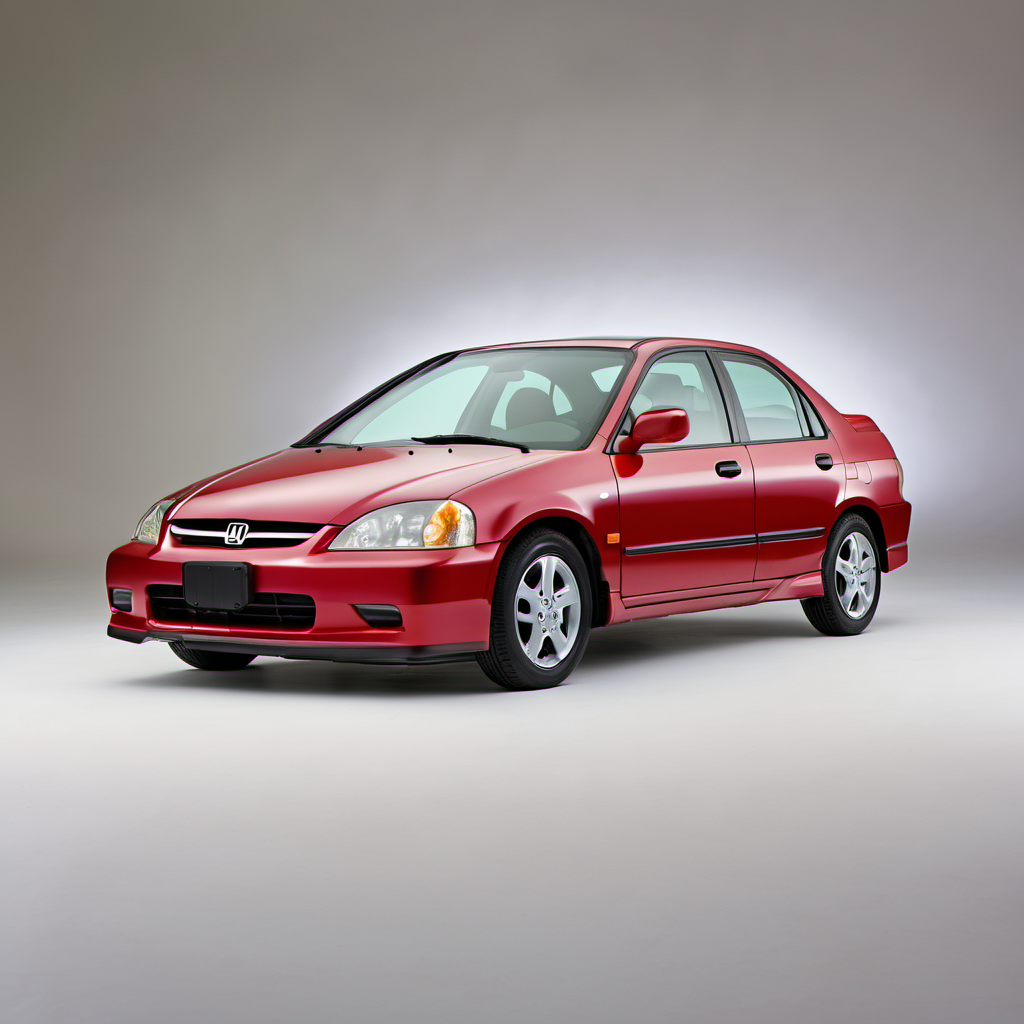
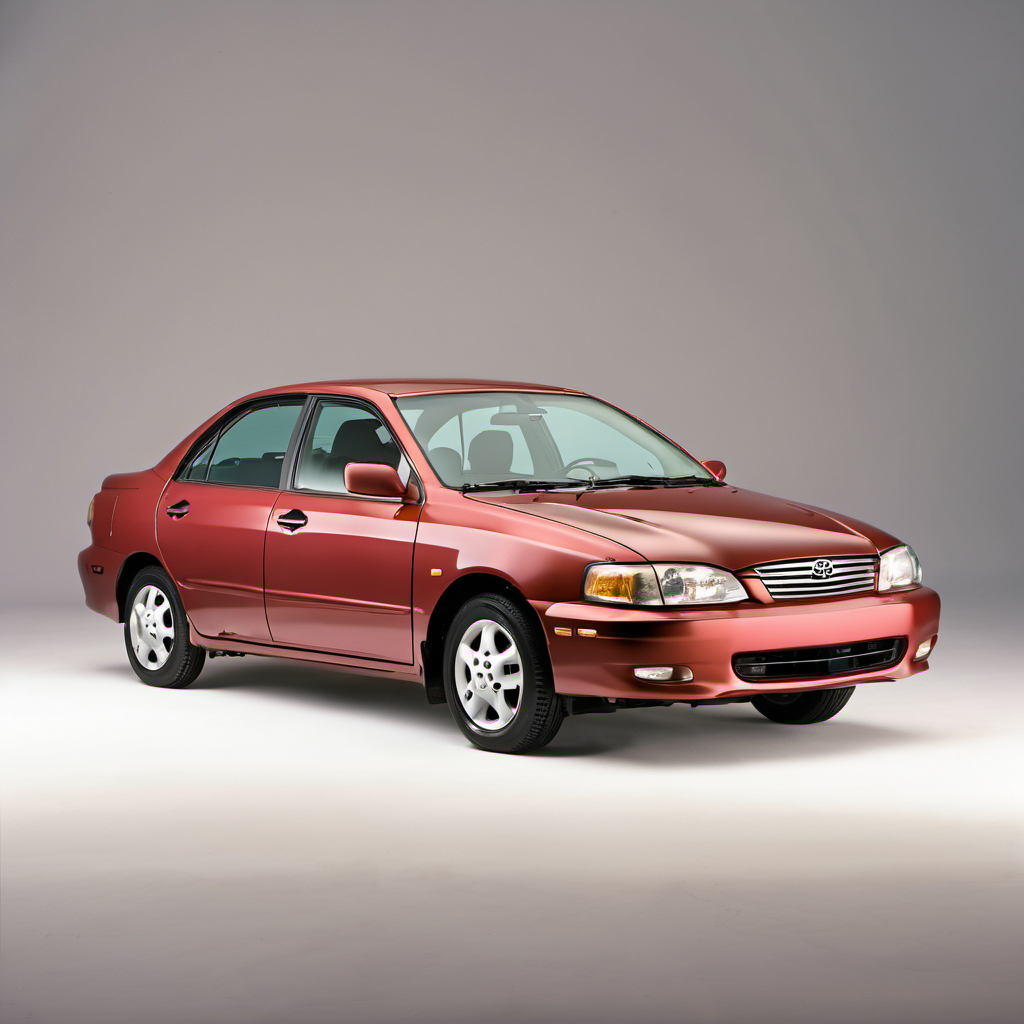
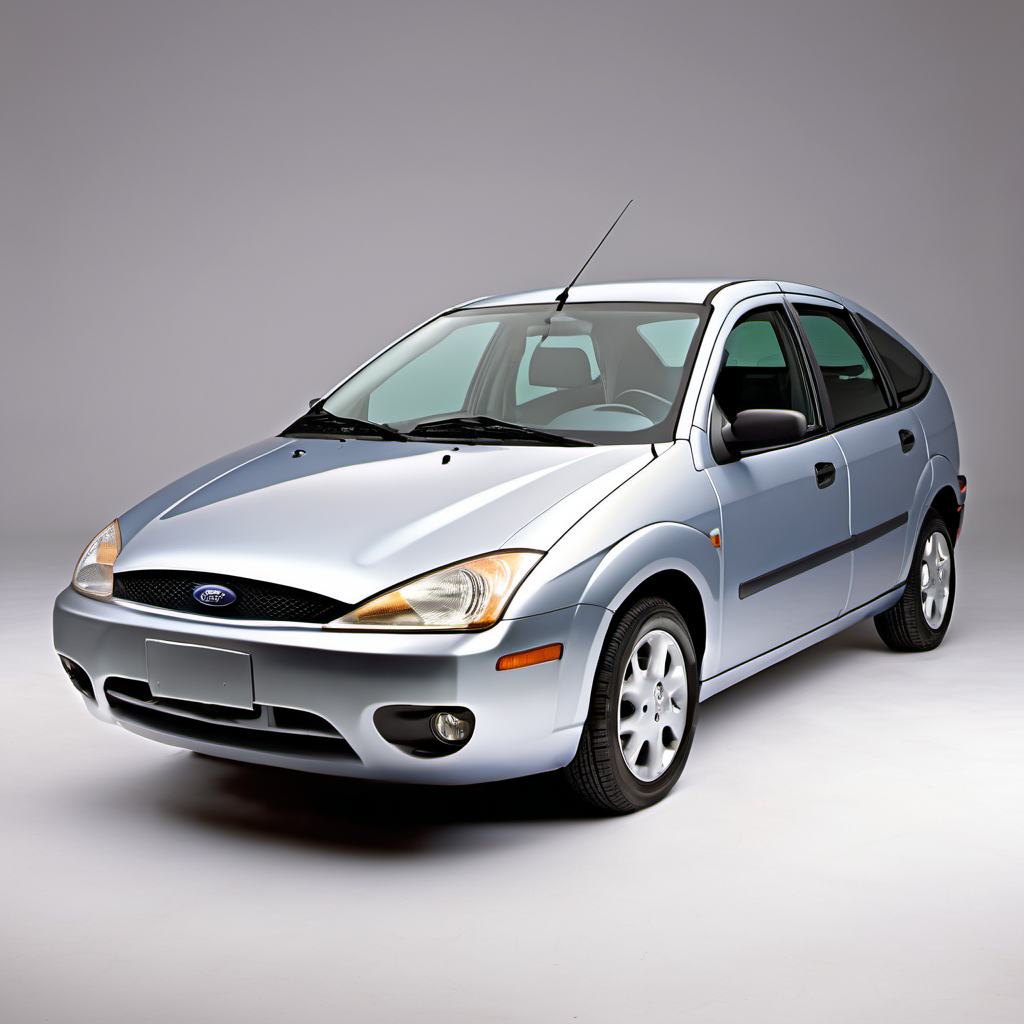
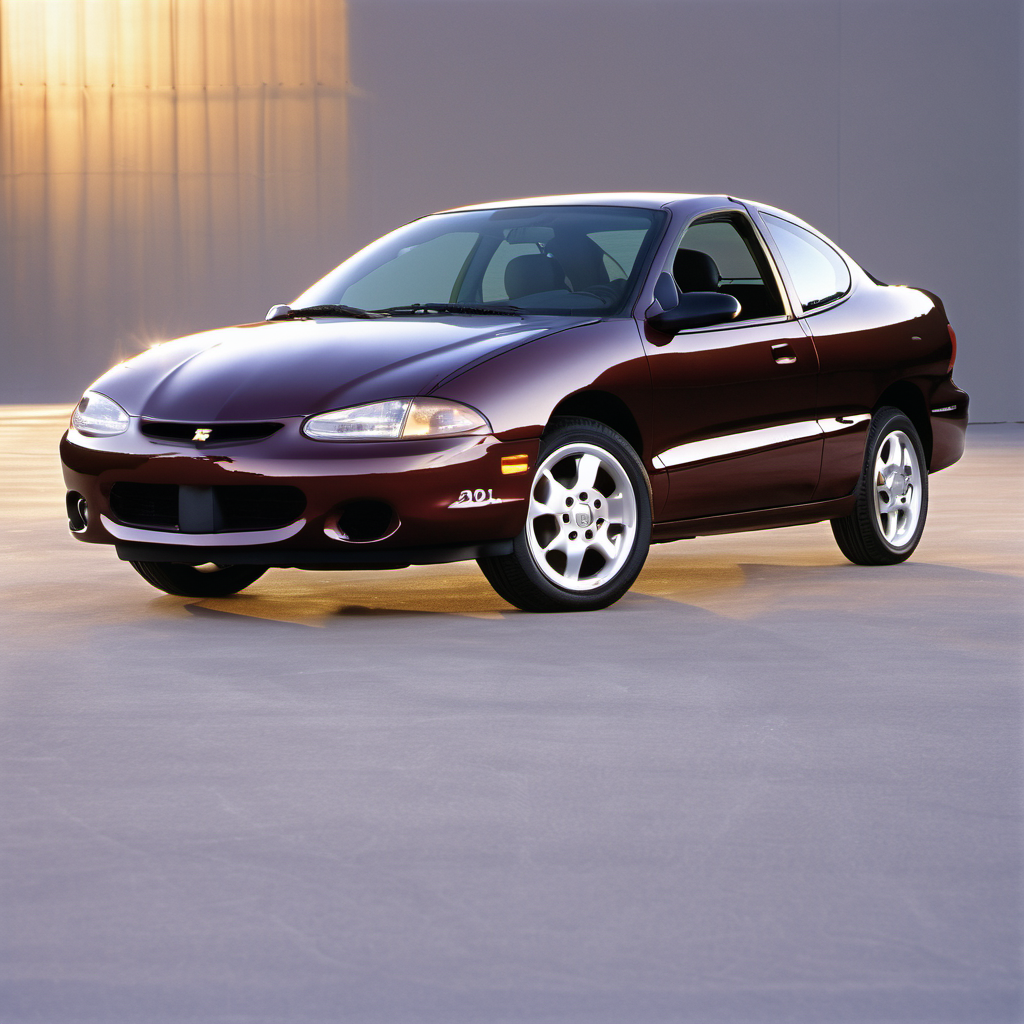
2002 Pontiac Sunfire Sedan

2002 Pontiac

SunfireSedan

Sedan

The 2002 Pontiac Sunfire Sedan is a compact, front-wheel-drive economy car built on GM's J-body platform — the same bones shared with the Chevrolet Cavalier. It was positioned as bare-bones affordable transportation, and that's exactly what it delivers: simple mechanicals, easy parts availability, and low purchase prices. By 2002 the platform was well into its lifespan (introduced in 1995), meaning most of the early-build gremlins had been ironed out, but it was also aging relative to the competition. The 2.2L OHV four-cylinder is a proven, low-tech engine that's easy to work on and inexpensive to maintain. Don't expect refinement — it's noisy, not particularly quick, and the interior quality shows its economy-car roots. But for a commuter or first car, the drivetrain can run a long time with basic care. At over 20 years old, surviving Sunfires need to be evaluated carefully for rust — especially in Wisconsin. The J-body is known to rot at the wheel arches, rocker panels, and floor. A clean, rust-free example is worth far more than a rough one, no matter what the odometer says.

Reliability
3/5
Verified data
Specs shown for Sunfire — the most common configuration. Other trims may vary in engine, drivetrain, or fuel economy. Sign in to see your vehicle's exact specs.
Engine
[object Object]
Drivetrain
FWD
Fuel
Gasoline
MPG
21 city / 30 hwy / 24 combined
Seats
Doors
Body
Compact Cars

Overview

AI-curated

The 2002 Pontiac Sunfire Sedan is a compact, front-wheel-drive economy car built on GM's J-body platform — the same bones shared with the Chevrolet Cavalier. It was positioned as bare-bones affordable transportation, and that's exactly what it delivers: simple mechanicals, easy parts availability, and low purchase prices. By 2002 the platform was well into its lifespan (introduced in 1995), meaning most of the early-build gremlins had been ironed out, but it was also aging relative to the competition. The 2.2L OHV four-cylinder is a proven, low-tech engine that's easy to work on and inexpensive to maintain. Don't expect refinement — it's noisy, not particularly quick, and the interior quality shows its economy-car roots. But for a commuter or first car, the drivetrain can run a long time with basic care. At over 20 years old, surviving Sunfires need to be evaluated carefully for rust — especially in Wisconsin. The J-body is known to rot at the wheel arches, rocker panels, and floor. A clean, rust-free example is worth far more than a rough one, no matter what the odometer says.

Known for
  • Cheap and plentiful parts (shared with Cavalier)
  • Simple, serviceable 2.2L OHV engine
  • Low purchase and insurance costs
  • Decent highway fuel economy for its era
  • Sports-car styling cues on an economy-car budget
Best for
  • Budget-conscious commuters
  • First-time car owners
  • Short urban and suburban trips
  • Owners who do their own basic maintenance
Watch for
  • Heavy rust on rockers, wheel arches, and floor pans — critical in Wisconsin
  • Aging intake manifold gaskets (a GM 2.2L weak point)
  • Worn-out struts and strut mounts common at this age and mileage
  • Electrical gremlins from aging wiring and connectors
  • Cooling system neglect leading to overheating and head gasket damage

Common issues by mileage

6 known

Intake Manifold Gasket Failure

high
Typically appears
80–140k mi
Estimated repair
$250 – $500

Strut and Strut Mount Wear

high
Typically appears
80–130k mi
Estimated repair
$300 – $650

Oxygen Sensor Failure (B1S1 or B1S2)

medium
Typically appears
80–150k mi
Estimated repair
$150 – $320

Cooling System Deterioration (Thermostat, Coolant Hoses, Water Pump)

medium
Typically appears
100–160k mi
Estimated repair
$150 – $450

Power Steering Rack Leak or Wear

medium
Typically appears
100–160k mi
Estimated repair
$300 – $650

Body Rust — Rocker Panels, Wheel Arches, Floor Pan

high
Typically appears
Any mileage on Midwest/salt-belt cars
Estimated repair
$400 – $3,000

Maintenance schedule

  1. 1
    Every 5,000 mi or 6 months Engine Oil and Filter Change

    The 2.2L OHV runs conventional oil specs; sludge buildup from extended intervals accelerates wear on this high-mileage engine.

  2. 2
    Every 2 years or 30,000 mi Coolant Flush and Inspection

    Aging coolant becomes acidic and attacks the lower intake manifold gasket and aluminum surfaces — one of this engine's known failure points.

  3. 3
    Every 30,000 mi Spark Plug Replacement

    The 2.2L OHV uses conventional (non-iridium) plugs; fresh plugs maintain fuel economy and reduce strain on the ignition coil pack.

  4. 4
    Every 2–3 years Brake Fluid Flush

    Absorbed moisture lowers the boiling point and accelerates corrosion of calipers and wheel cylinders — especially important in Wisconsin's wet winters.

  5. 5
    Inspect every 30,000 mi; replace by 80,000 mi or if cracked Serpentine Belt Inspection and Replacement

    A broken belt disables the alternator and water pump simultaneously — a cheap preventive replacement on an aging vehicle.

  6. 6
    Every spring after winter Undercarriage and Rocker Panel Rust Inspection

    Wisconsin road salt attacks the J-body's known weak spots aggressively. Early detection of rust allows for cheap surface treatment before it becomes structural.

  7. 7
    Every 50,000 mi or at any sign of bounce or noise Strut and Shock Inspection

    Worn struts degrade handling and accelerate tire wear — a real safety concern on winter roads.

  8. 8
    Every 5,000–7,500 mi Tire Rotation and Pressure Check

    FWD cars wear front tires faster; rotation extends tire life significantly. Pressure drops ~1 PSI per 10°F — critical to check each Wisconsin fall.

Always defer to the manufacturer's service manual for warranty-mandated intervals.

Cost of ownership

Annual maintenance
$600 – $1,400
Fuel
At ~24 MPG combined and typical Wisconsin driving, expect roughly $1,500–$2,000/year at current gas prices for an average 12,000-mile driver.
Insurance
One of the cheapest cars to insure in its class — expect $600–$1,100/year for full coverage depending on driver profile and history.

The Sunfire's biggest ownership advantage is low cost across the board: cheap parts, low insurance, and modest fuel bills. The risk on a 20+ year-old example is an unpredictable repair bill — rust remediation or a blown head gasket can cost more than the car's market value. Budget accordingly and keep a repair fund.
Seasonal care

Lake Geneva, WI
Winter
  • Test the battery before first hard freeze — cold-cranking amps drop sharply below 20°F and this engine's age means the charging system may already be marginal.
  • Switch to a full-strength winter washer fluid rated to at least -20°F; Lake Geneva roads get heavily salted and you'll burn through fluid fast.
  • Inspect wiper blades each fall and swap to winter-style blades to prevent ice buildup on the wiper arm.
  • Flush and refill coolant if due — verify the freeze protection is good to at least -34°F with a test strip or refractometer.
  • Check tire tread depth before winter; the Sunfire's light curb weight means worn all-season tires lose traction quickly on packed snow.
  • Rinse the undercarriage every 2–3 weeks during salting season to slow rust progression on the already vulnerable rocker panels and floor.
Summer
  • Inspect the A/C system for refrigerant charge and compressor clutch engagement — the system is old enough that a recharge or seal treatment may be needed.
  • Check coolant level and hose condition before hot-weather driving; heat soak after highway runs can expose a weak thermostat or marginal water pump.
  • Verify tire pressure at the start of the season — pressure rises ~1 PSI per 10°F increase, and overinflation reduces contact patch on hot pavement.
  • Inspect the serpentine belt for cracking or glazing; summer heat accelerates rubber degradation on aging belts.

Comparable vehicles

If you're shopping for one

Red flags
  • Structural rust on the floor pan or frame rails — repair cost will exceed the car's value.
  • Coolant that's brown, milky, or has an oily film — indicates a gasket failure.
  • Any sign of overheating history (warped hood paint near the cowl, cracked reservoir, stained radiator overflow).
  • Missing service records on a high-mileage example — this engine needs consistent oil and coolant changes to survive.
  • Soft, spongy, or pulsating brake pedal — indicates deferred brake service and potential caliper or rotor damage.
What to inspect
  • Get under the car and probe the rocker panels, floor pan, and frame rails for rust — poke with a screwdriver if needed. Rust is the number-one reason to walk away from a Wisconsin Sunfire.
  • Check the coolant for a brown, oily, or milky appearance — a sign of a compromised intake or head gasket.
  • Start cold and watch for white smoke from the exhaust or a sweet burning smell, which also points to a coolant leak internally.
  • Drive it over bumps and listen for clunking from strut mounts and sway bar end links — these are inexpensive to fix but signal how the car was maintained.
  • Have an independent shop pull any stored DTCs before purchase; an oxygen sensor or cooling system code may reveal deferred maintenance.
AI profile generated 15 days ago · claude-sonnet-4-6 · v2.