Timing belt failure
high- Typically appears
- 60–100k mi
- Estimated repair
- $350 – $650
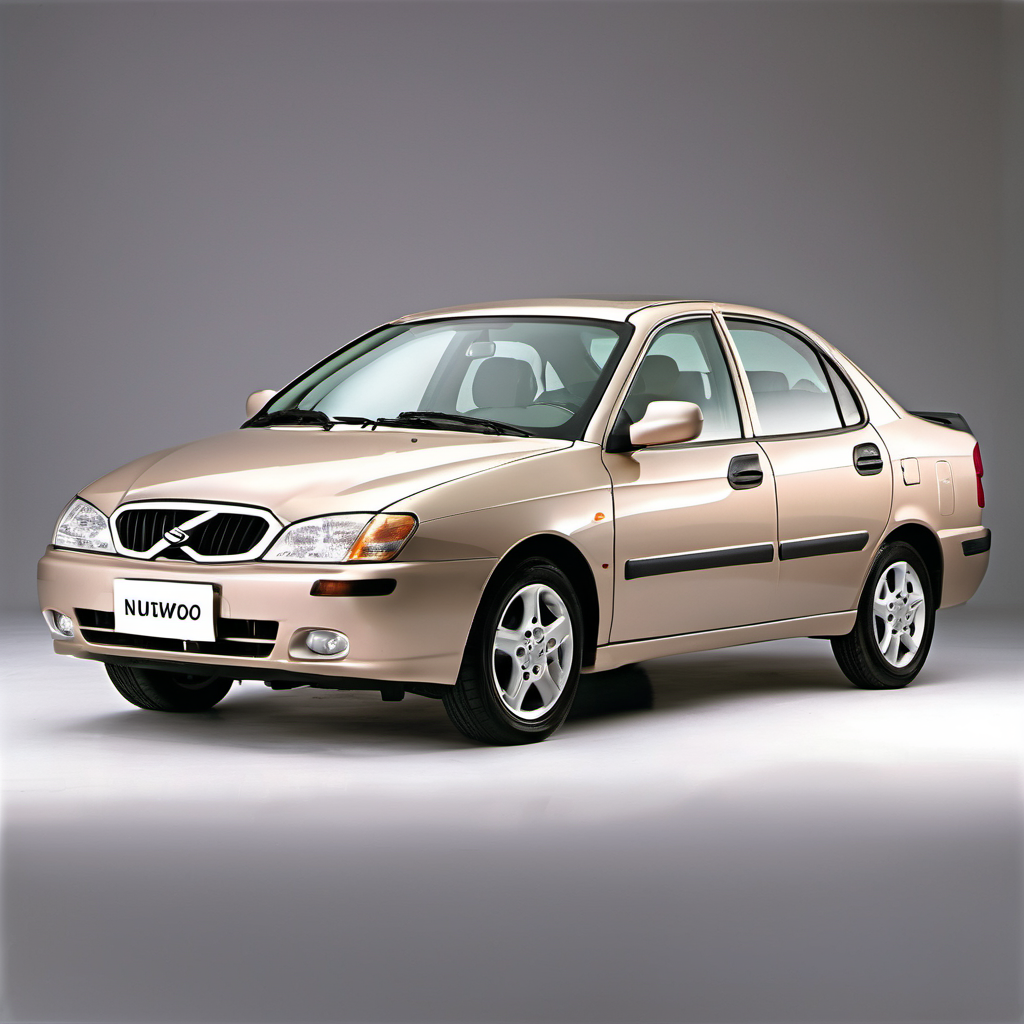
2002 Daewoo
Sedan
The 2002 Daewoo Nubira is a compact front-wheel-drive sedan developed by the South Korean automaker Daewoo, which filed for bankruptcy in 2000 and was subsequently acquired by General Motors. By 2002, the Nubira was in its final year of U.S. sales, making parts availability and dealer support immediately problematic even when new. The car was positioned as a budget entry-level alternative to the Honda Civic and Toyota Corolla, offering a surprising amount of standard equipment for its price point. Under the hood sits a 2.0L DOHC four-cylinder producing around 129 horsepower — adequate but unremarkable for the era. Ride comfort and interior space were genuine selling points, but build quality, long-term durability, and the collapse of the Daewoo dealer network are the defining ownership stories for this vehicle. Owning a 2002 Nubira in 2024 is a significant commitment. Parts can be difficult to source through normal channels, specialist suppliers and international parts vendors are often the only options, and few independent shops have hands-on experience with the platform. This vehicle is best suited to mechanically savvy owners or those who have already secured a reliable parts pipeline.
The 2002 Daewoo Nubira is a compact front-wheel-drive sedan developed by the South Korean automaker Daewoo, which filed for bankruptcy in 2000 and was subsequently acquired by General Motors. By 2002, the Nubira was in its final year of U.S. sales, making parts availability and dealer support immediately problematic even when new. The car was positioned as a budget entry-level alternative to the Honda Civic and Toyota Corolla, offering a surprising amount of standard equipment for its price point. Under the hood sits a 2.0L DOHC four-cylinder producing around 129 horsepower — adequate but unremarkable for the era. Ride comfort and interior space were genuine selling points, but build quality, long-term durability, and the collapse of the Daewoo dealer network are the defining ownership stories for this vehicle. Owning a 2002 Nubira in 2024 is a significant commitment. Parts can be difficult to source through normal channels, specialist suppliers and international parts vendors are often the only options, and few independent shops have hands-on experience with the platform. This vehicle is best suited to mechanically savvy owners or those who have already secured a reliable parts pipeline.
The 2.0L DOHC is an interference engine. A snapped timing belt means bent valves and a destroyed engine. On a 20+ year-old car, replace the belt immediately if history is unknown, and always replace the water pump and tensioner at the same time.
Aging rubber hoses and a water pump that may have original coolant are a breakdown waiting to happen. Fresh coolant also protects against freeze-up in Wisconsin winters.
The DOHC engine depends on clean oil for valve train health. Given the vehicle's age and likely sludge risk from inconsistent prior maintenance, err toward the shorter interval.
Original-spec plugs keep the ignition system healthy. Worn plugs on this engine can cause misfires that stress the catalytic converter.
Brake fluid absorbs moisture over time, lowering the boiling point. Critical for panic stops and especially relevant when the vehicle sits unused through Wisconsin winters.
Road salt in Lake Geneva will accelerate rust that likely already exists on a 20+ year-old car. Inspect brake lines, fuel lines, and floor pan — rust through on these is a safety failure, not just cosmetic.
A battery over 3–4 years old will struggle to start a cold-soaked engine at sub-zero Wisconsin temperatures. A load test before winter costs almost nothing; a dead battery on a January morning costs much more.
A functional defroster and heater core are essential for safe winter driving in Wisconsin. Check the blower motor and verify defrost grid operation before the first freeze.
Always defer to the manufacturer's service manual for warranty-mandated intervals.
On paper this car costs almost nothing to insure or register. The hidden cost is parts procurement — sourcing Nubira-specific components often means waiting on international shipping or paying a premium at specialty suppliers. Budget generously for deferred maintenance catch-up if buying an unknown-history example. A single major repair (timing belt job with water pump, a rust repair, or a suspension overhaul) can easily exceed the vehicle's market value.
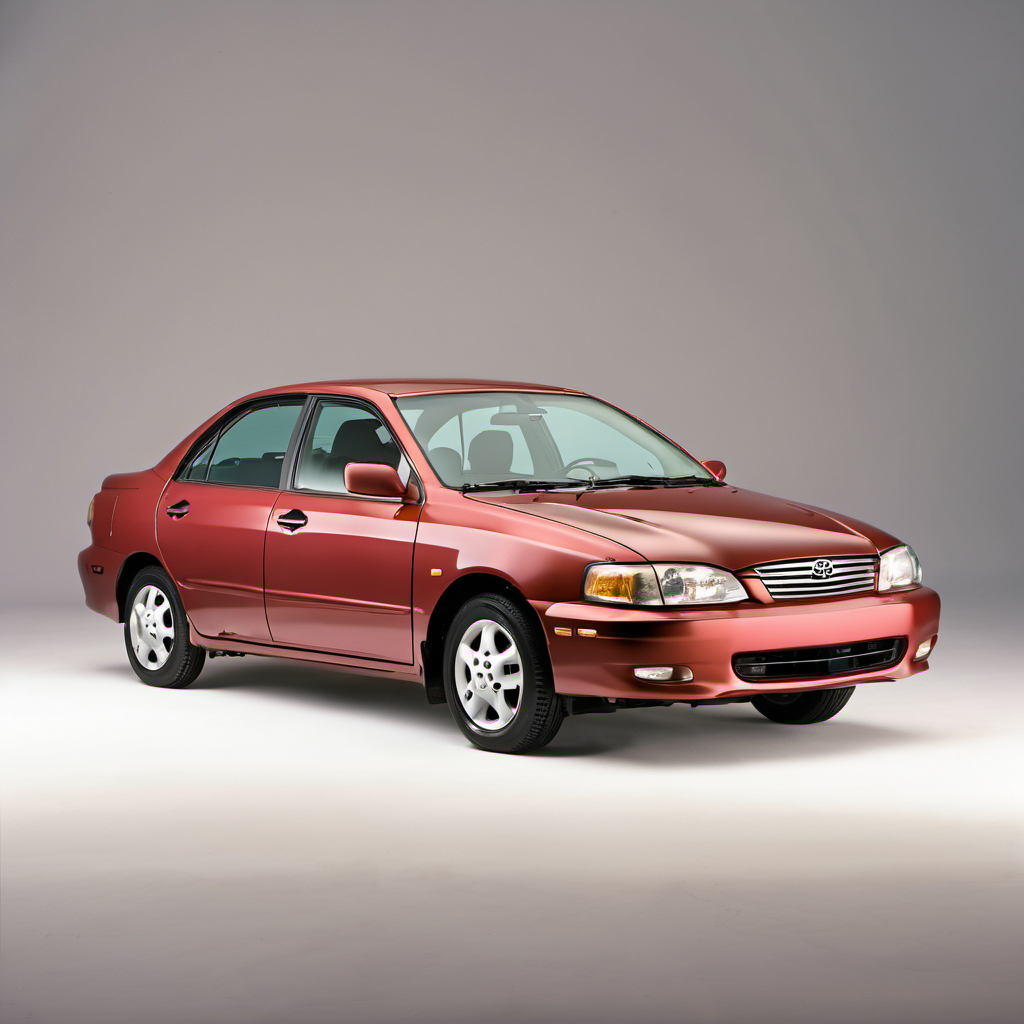
Same compact sedan segment and similar price when new, but with dramatically better parts availability, reliability reputation, and resale value. The clear alternative if you're shopping budget compacts.
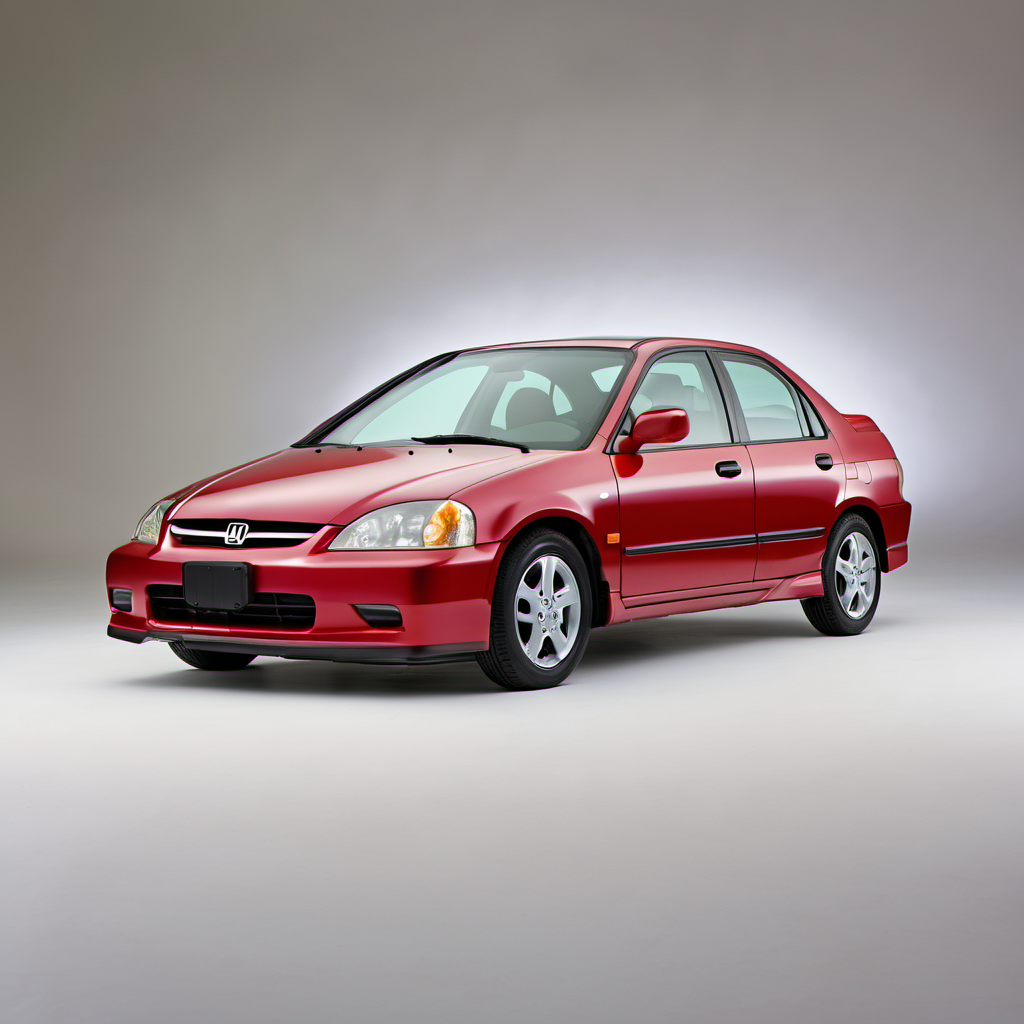
Direct competitor at the time — FWD compact with similar passenger room. Far superior long-term durability and parts support make it a much lower-risk choice at the same vintage price point.
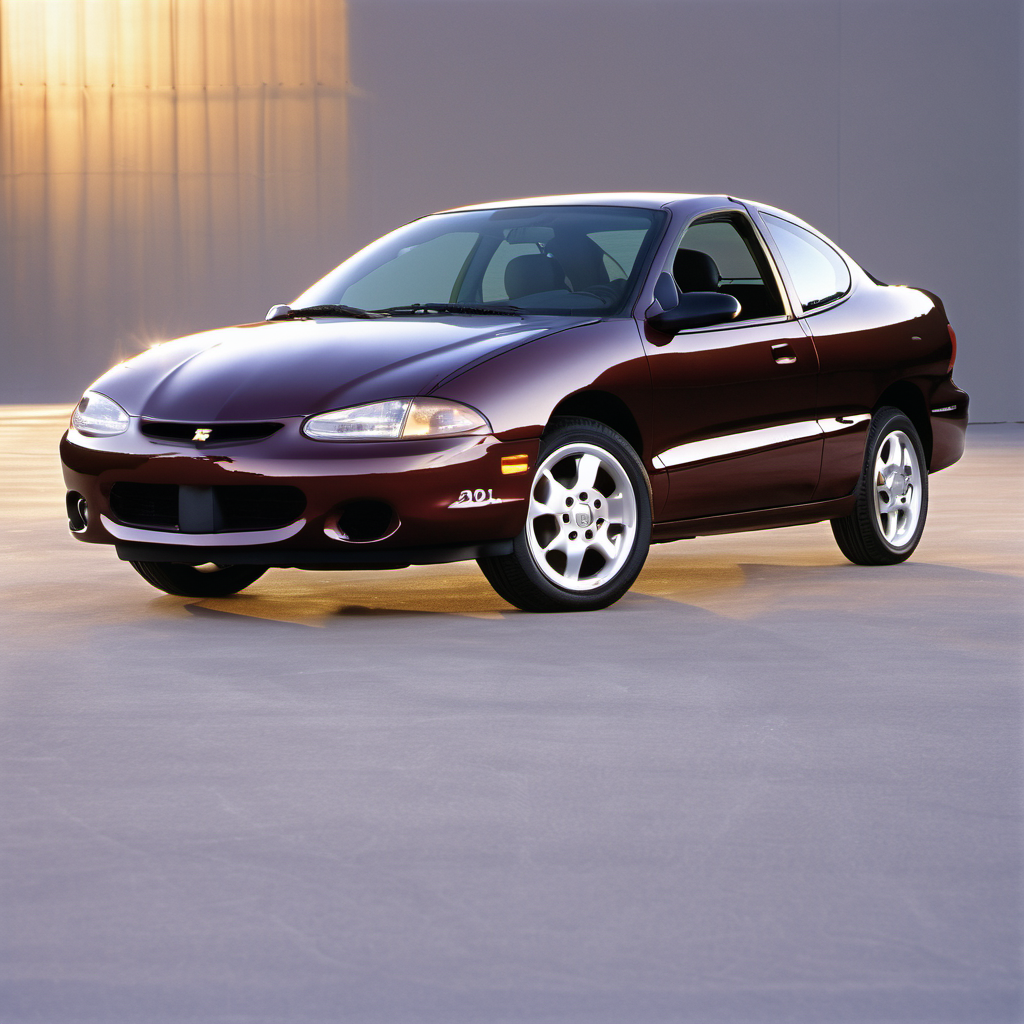
GM-owned platform from the same era, similar budget positioning, and significantly better parts availability through GM's network. Not a spectacular car, but far easier to keep running.
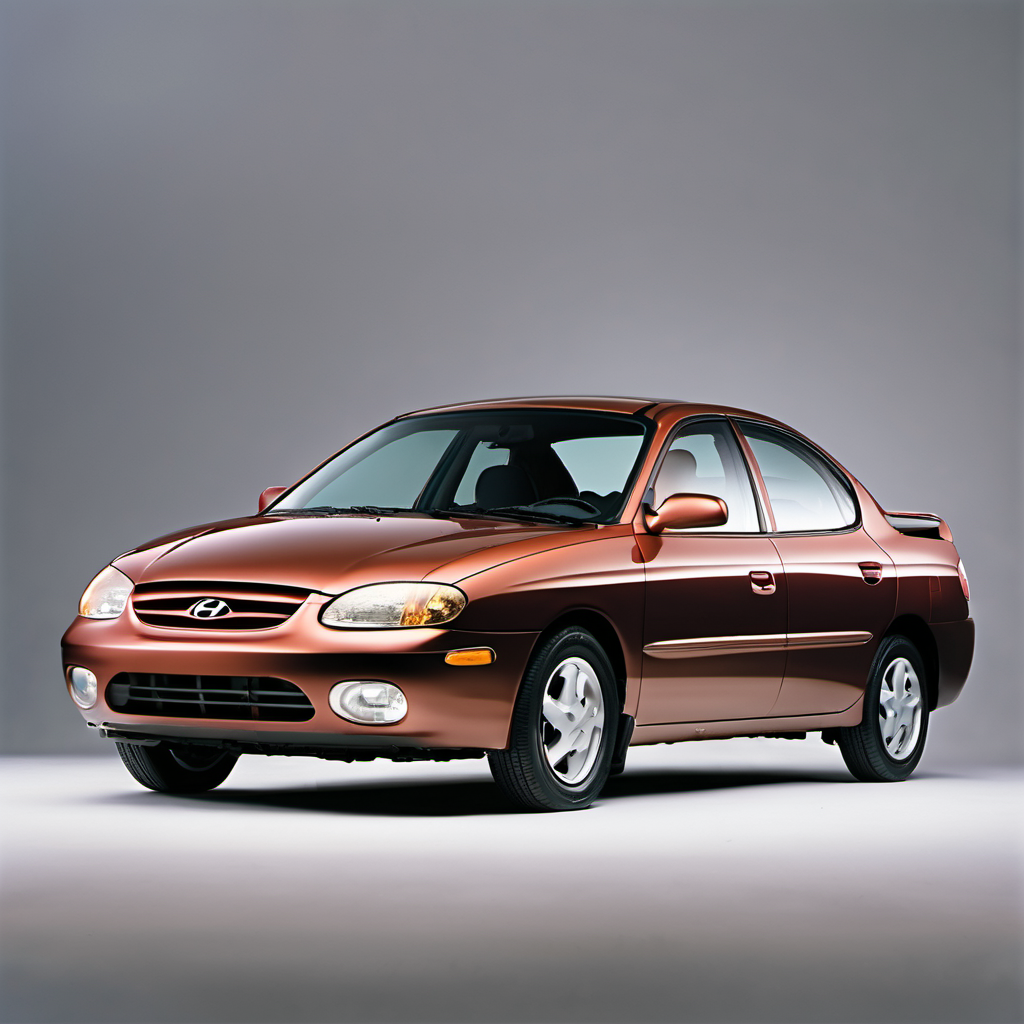
Korean-market competitor from the same period. Early Elantra reliability was only marginally better than the Nubira, but parts availability and dealer support were vastly superior even in the U.S.