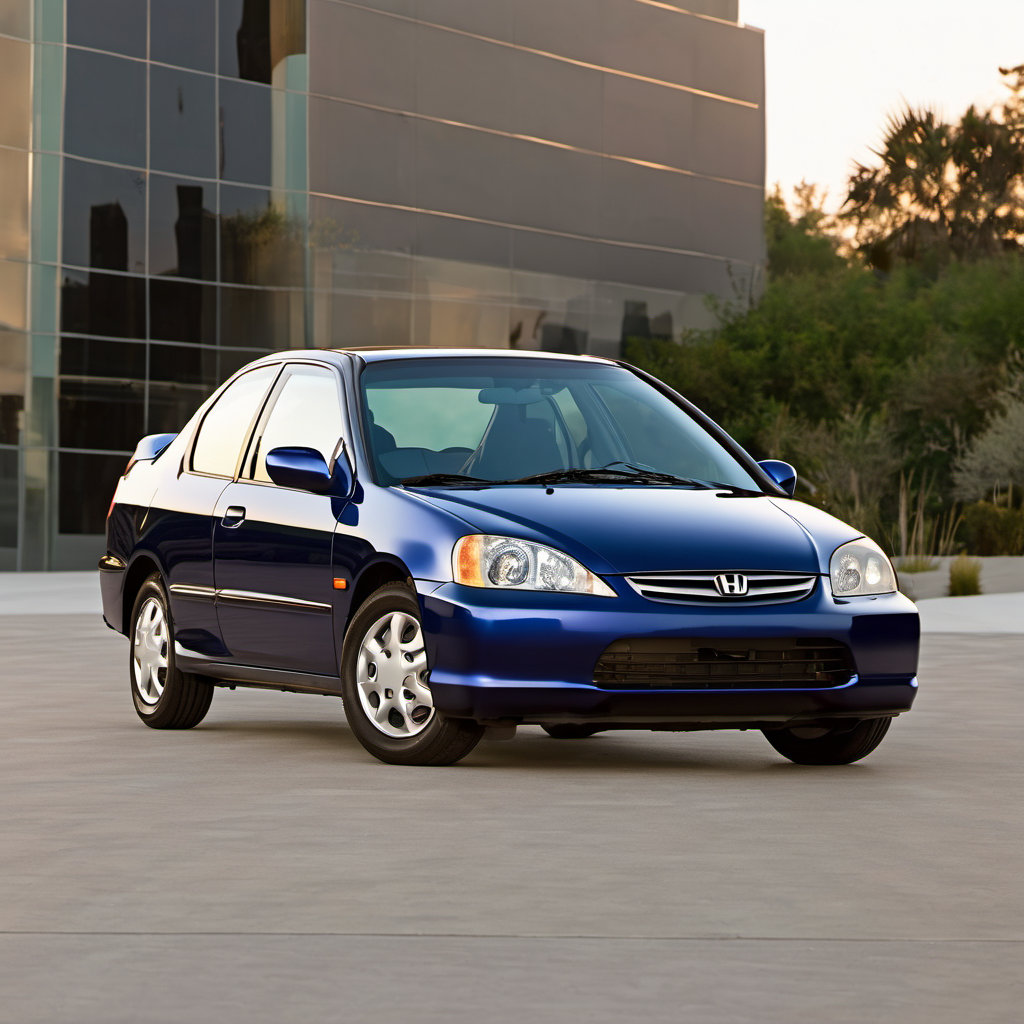
2001 Saturn S-Series Coupe

2001 Saturn

S-SeriesCoupe

1.9L DOHC I4 · Coupe

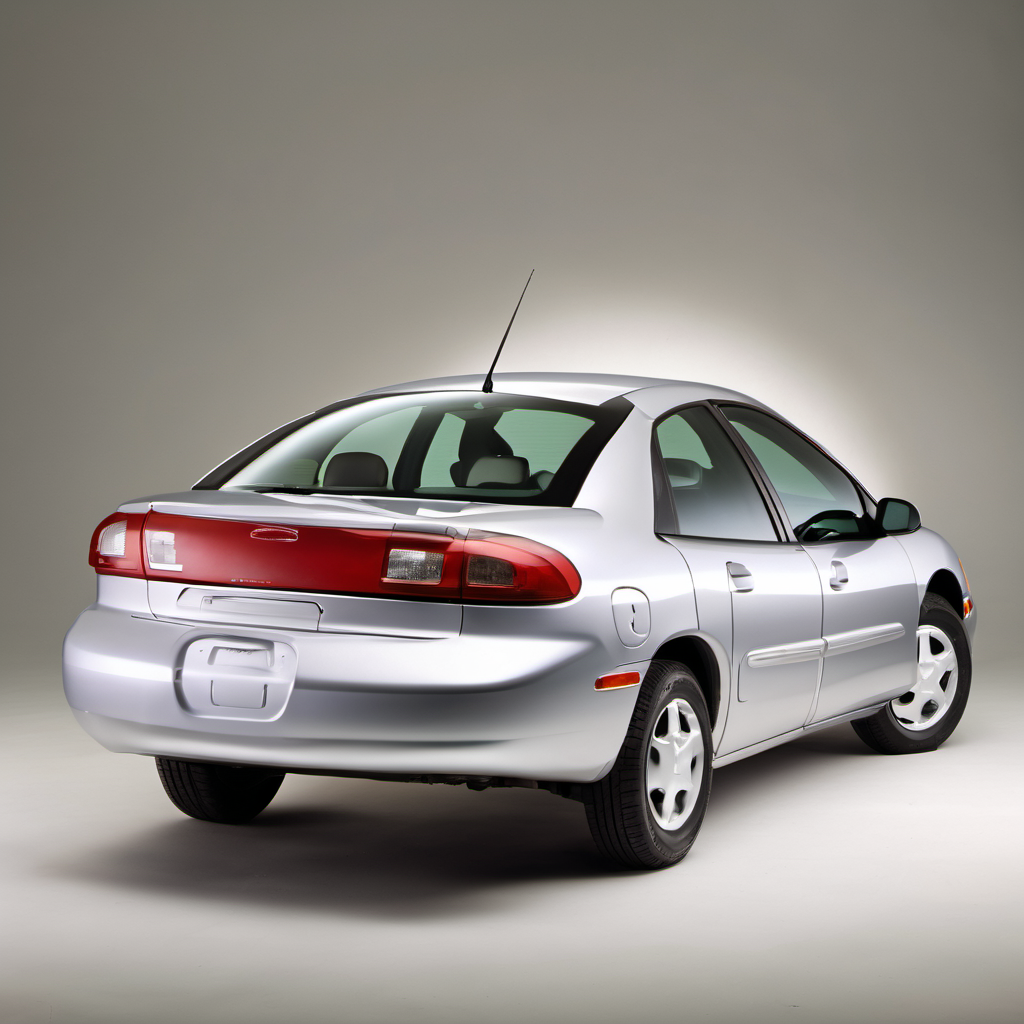
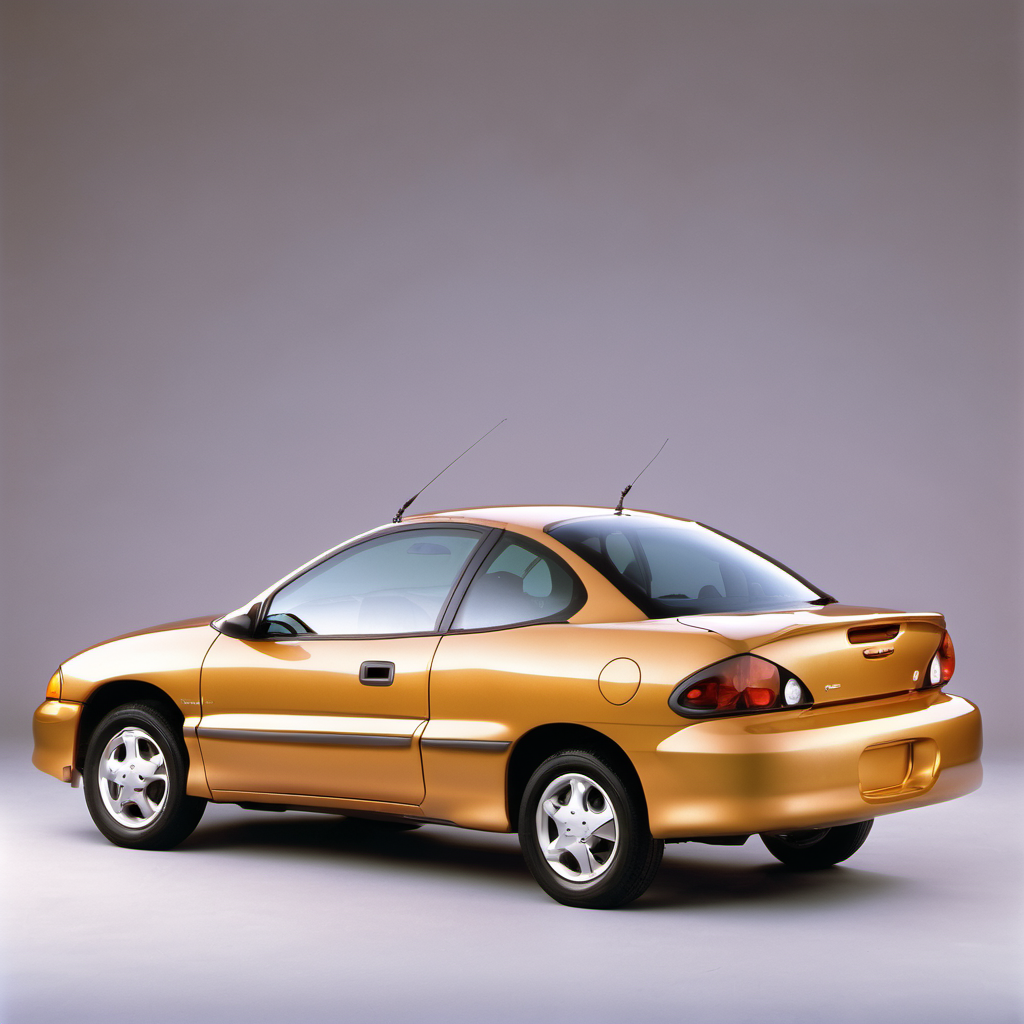
The 2001 Saturn S-Series Coupe (SC2 trim being the most common 3-door coupe variant) was one of the last model years for Saturn's original plastic-body lineup before the brand's mid-2000s overhaul. Built in Spring Hill, Tennessee, the S-Series earned a loyal following for its dent-resistant polymer body panels, fuel efficiency, and low cost of ownership — making it a practical, if spartan, economy coupe. By 2001 the platform was showing its age, having debuted in 1991 with only incremental updates. The twin-cam 1.9L four-cylinder in the SC2 is the engine to have — it's notably more responsive than the single-cam unit and holds up well with regular oil changes. The 5-speed manual is the preferred transmission; the automatic is less refined and more prone to problems over time. As a used buy, the S-Series' biggest enemy is neglect and rust, not mechanical complexity. Parts are inexpensive and widely available, and the plastic body panels mean you won't find the typical surface rust on doors and fenders — but the steel subframe, floor pans, and exhaust components are very much at risk in Wisconsin's salt environment.

Reliability
3/5
Verified data
Engine
1.9L DOHC I4
Drivetrain
FWD
Fuel
Gasoline
MPG
27 city / 36 hwy / 30 combined
Seats
5
Doors
3
Body
Coupe
MSRP
$13,270

Overview

AI-curated

The 2001 Saturn S-Series Coupe (SC2 trim being the most common 3-door coupe variant) was one of the last model years for Saturn's original plastic-body lineup before the brand's mid-2000s overhaul. Built in Spring Hill, Tennessee, the S-Series earned a loyal following for its dent-resistant polymer body panels, fuel efficiency, and low cost of ownership — making it a practical, if spartan, economy coupe. By 2001 the platform was showing its age, having debuted in 1991 with only incremental updates. The twin-cam 1.9L four-cylinder in the SC2 is the engine to have — it's notably more responsive than the single-cam unit and holds up well with regular oil changes. The 5-speed manual is the preferred transmission; the automatic is less refined and more prone to problems over time. As a used buy, the S-Series' biggest enemy is neglect and rust, not mechanical complexity. Parts are inexpensive and widely available, and the plastic body panels mean you won't find the typical surface rust on doors and fenders — but the steel subframe, floor pans, and exhaust components are very much at risk in Wisconsin's salt environment.

Known for
  • Dent- and rust-resistant polymer body panels
  • Frugal fuel economy from the 1.9L four-cylinder
  • Low purchase price and cheap parts
  • Tight, sporty feel in SC2 twin-cam form
  • Saturn dealer community loyalty
Best for
  • Budget-conscious commuters wanting low running costs
  • New drivers or second-car duty
  • City driving where maneuverability matters
  • Owners who perform their own basic maintenance
Watch for
  • Steel subframe and floor pan rust hidden under plastic body panels
  • Head gasket seepage on high-mileage examples
  • Worn automatic transmission on neglected cars
  • Aging cooling system components — coolant hoses and thermostat
  • Parts availability thinning as the model ages further

Common issues by mileage

6 known

Valve cover gasket oil leak

high
Typically appears
60–120k mi
Estimated repair
$80 – $180

Coolant leaks / head gasket seepage

medium
Typically appears
80–150k mi
Estimated repair
$400 – $1,200

Ignition module (ICM) failure — causes no-start or stalling

medium
Typically appears
70–130k mi
Estimated repair
$150 – $350

Subframe and floor pan rust (steel structure under plastic panels)

high
Typically appears
Any mileage on salt-road cars
Estimated repair
$300 – $2,000

Automatic transmission slipping or delayed engagement

medium
Typically appears
90–150k mi
Estimated repair
$800 – $2,200

Maintenance schedule

  1. 1
    Every 5,000 miles or 6 months Engine oil and filter change

    The 1.9L is tolerant but oil sludging from extended drain intervals is the top cause of premature engine wear on these. Use the correct 5W-30 weight.

  2. 2
    Every 2 years / 30,000 miles Coolant flush and thermostat inspection

    The aluminum head is sensitive to degraded coolant. Old coolant turns acidic and accelerates head gasket and water pump seal failure.

  3. 3
    Inspect at 60k mi; replace when seeping Inspect and replace valve cover gasket

    Oil dripping onto the exhaust is a fire hazard and will foul the oxygen sensor. Gasket is inexpensive — do it early.

  4. 4
    Every 30,000 miles Spark plugs replacement

    The twin-cam benefits from fresh plugs on schedule. Worn plugs cause rough idle and increased load on the ignition module, which is already a known failure point.

  5. 5
    Every 60,000 miles or at first sign of cracking Serpentine belt and tensioner inspection

    Belt failure leaves you stranded and can damage the alternator. Wisconsin cold makes old belts brittle — inspect each fall.

  6. 6
    Every fall before salt season Undercarriage rust inspection and treatment

    Plastic body panels hide severe structural rust. Inspect subframe mounting points, floor pan, and exhaust hangers every year. Treat bare metal with a rust inhibitor before winter.

  7. 7
    Every fall / battery over 4 years old Battery load test

    The 1.9L starts easily when healthy, but a marginal battery fails fast in sub-zero Lake Geneva winters. Test before November.

  8. 8
    Every 2–3 years Brake fluid flush

    Brake fluid absorbs moisture over time, lowering boiling point and promoting caliper corrosion — especially in a car exposed to Wisconsin road salt.

Always defer to the manufacturer's service manual for warranty-mandated intervals.

Cost of ownership

Annual maintenance
$400 – $900
Fuel
Excellent — 30 MPG combined on regular 87-octane makes this one of the cheapest cars to fuel in daily use.
Insurance
Low — compact economy coupe with modest horsepower and low replacement value keeps premiums minimal.

The S-Series is genuinely cheap to own when it's healthy. Parts are inexpensive and the engine is simple enough for DIY work to save labor. The risk is an aging car with deferred maintenance: a head gasket job or transmission replacement on a car worth $1,500–$3,000 can exceed the vehicle's value. Budget generously for an upfront inspection and address any rust or cooling system issues before they escalate.
Seasonal care

Lake Geneva, WI
Winter
  • Load-test the battery every fall — the 1.9L draws hard on cold starts and a weak battery will fail by January in Lake Geneva.
  • Switch to a full-synthetic 5W-30 if using conventional oil — it flows faster in sub-zero cold starts and protects the engine better during warm-up.
  • Inspect the steel subframe, floor pans, and exhaust system before each salt season — plastic body panels can trick you into thinking the car is rust-free when the structure underneath is not.
  • Use a quality winter washer fluid rated to at least -20°F; the reservoir and pump lines can crack if fluid freezes.
  • Replace wiper blades with winter-style blades — the standard style collects ice in the arm pivot and streaks badly.
  • Keep the fuel tank at least half full to prevent fuel line moisture and avoid running the low-pressure fuel pump dry during cold soak starts.
Summer
  • Check coolant level and condition at the start of summer — this engine runs hot in stop-and-go traffic when the cooling system is even slightly compromised.
  • Inspect the serpentine belt for heat cracking and glazing; summer heat accelerates belt aging on a car this old.
  • Check tire pressure monthly — tires lose or gain roughly 1 PSI for every 10°F change and Wisconsin summers can swing 40°F from morning to afternoon.
  • Run the A/C system for at least 10 minutes weekly to keep the compressor seals lubricated and catch refrigerant leaks before a long trip.

Comparable vehicles

If you're shopping for one

Red flags
  • Rust perforation on the floor pan or subframe — walk away unless the price reflects a parts car.
  • No coolant service records on a car over 80k miles — assume the head gasket is on borrowed time.
  • Automatic transmission that hesitates, slips, or clunks on a test drive — rebuilds often cost more than the car is worth.
  • Oil level severely low with no acknowledgment from the seller — signs of either a leak or burn that's been ignored.
  • Mismatched or repainted body panels — though the plastic resists rust, it can still be damaged in a collision, and frame damage is a deal-breaker on a car this age.
What to inspect
  • Lift every floor mat and press down firmly — soft or spongy floors mean the steel pan is rusted through, which can be a safety and structural issue.
  • Get under the car and inspect the subframe mounting points and crossmember for rust perforation — don't be fooled by clean-looking plastic body panels above.
  • Check for a milky or foamy residue under the oil cap and on the dipstick — signs of coolant mixing with oil, indicating head gasket failure.
  • Start the car cold and watch for white smoke from the exhaust for more than 30 seconds — another head gasket indicator.
  • Test the ignition: if it cranks without firing, or stalls after starting, suspect the ignition control module.
  • Check all four O2 sensor connector pigtails for heat damage and cracking — they run close to the exhaust on this engine.
AI profile generated 11 days ago · claude-sonnet-4-6 · v2.