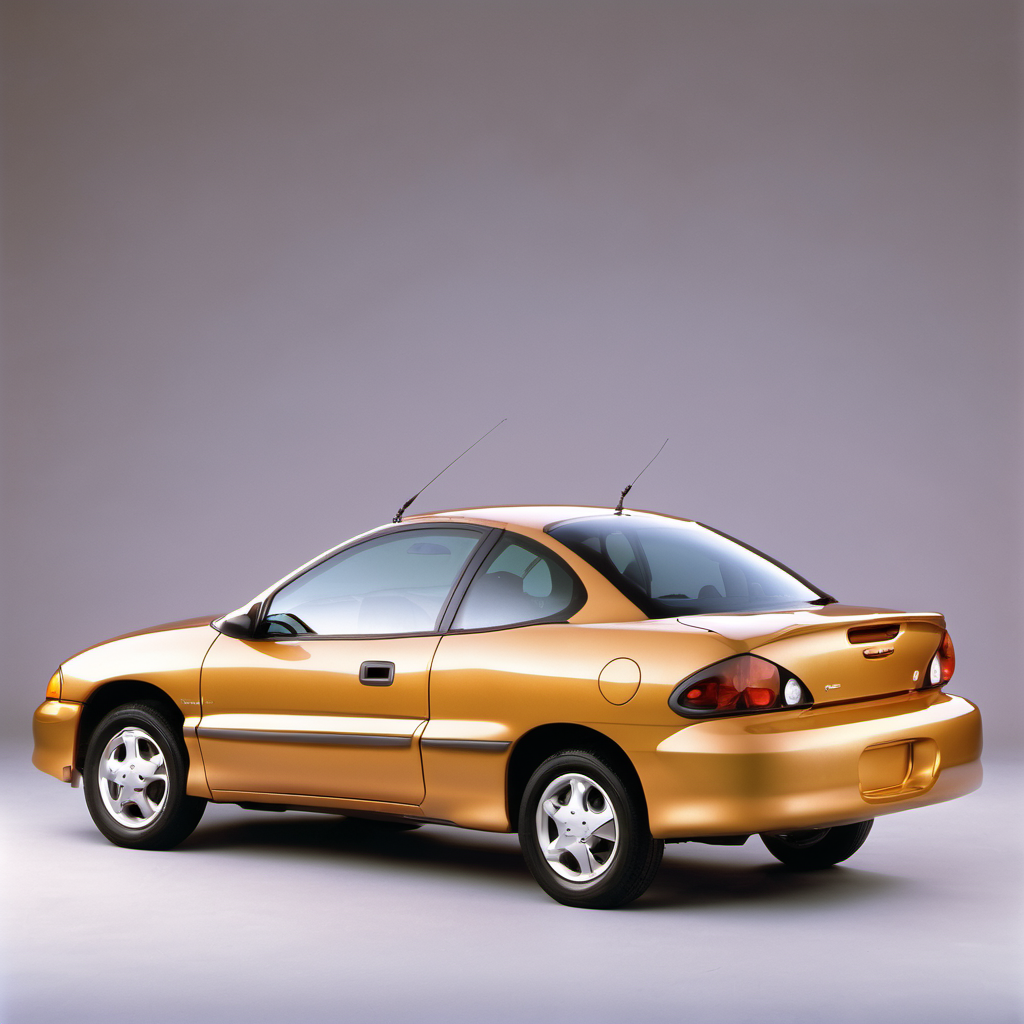
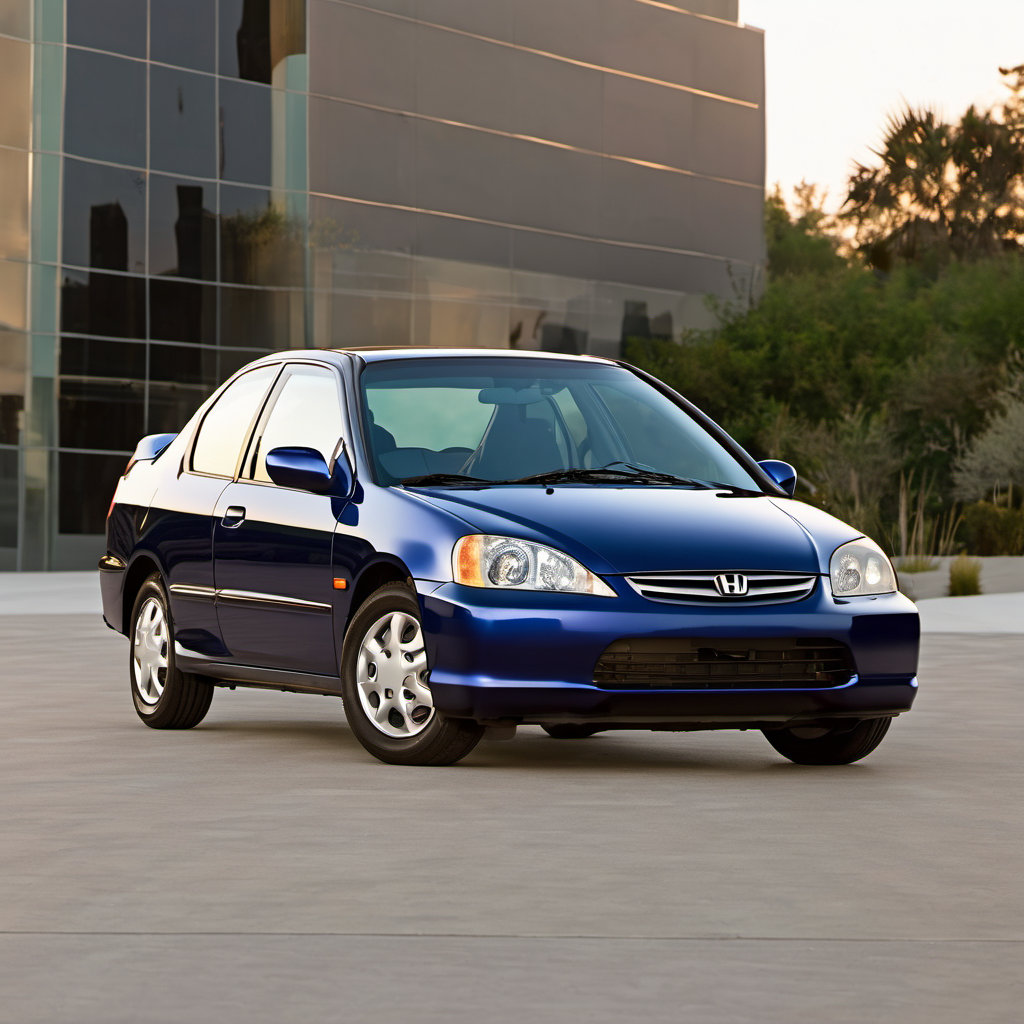
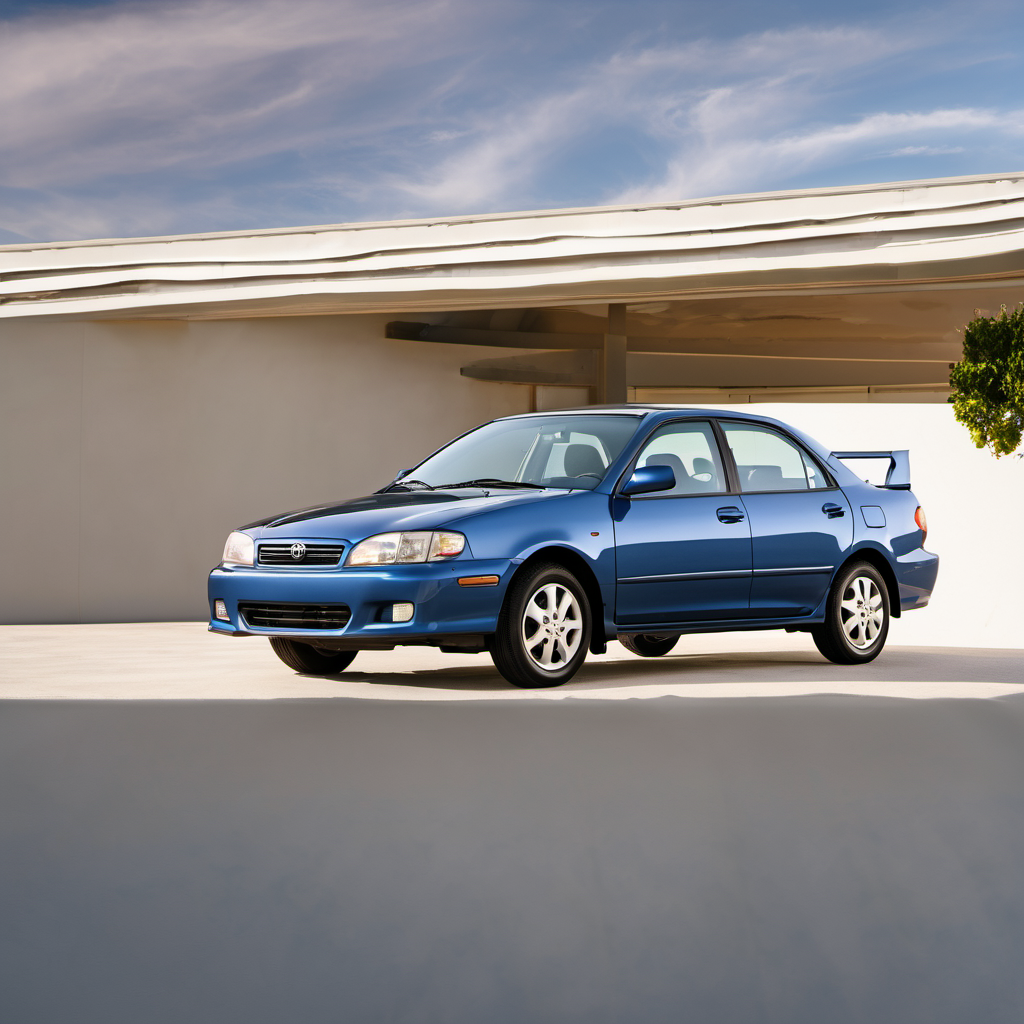
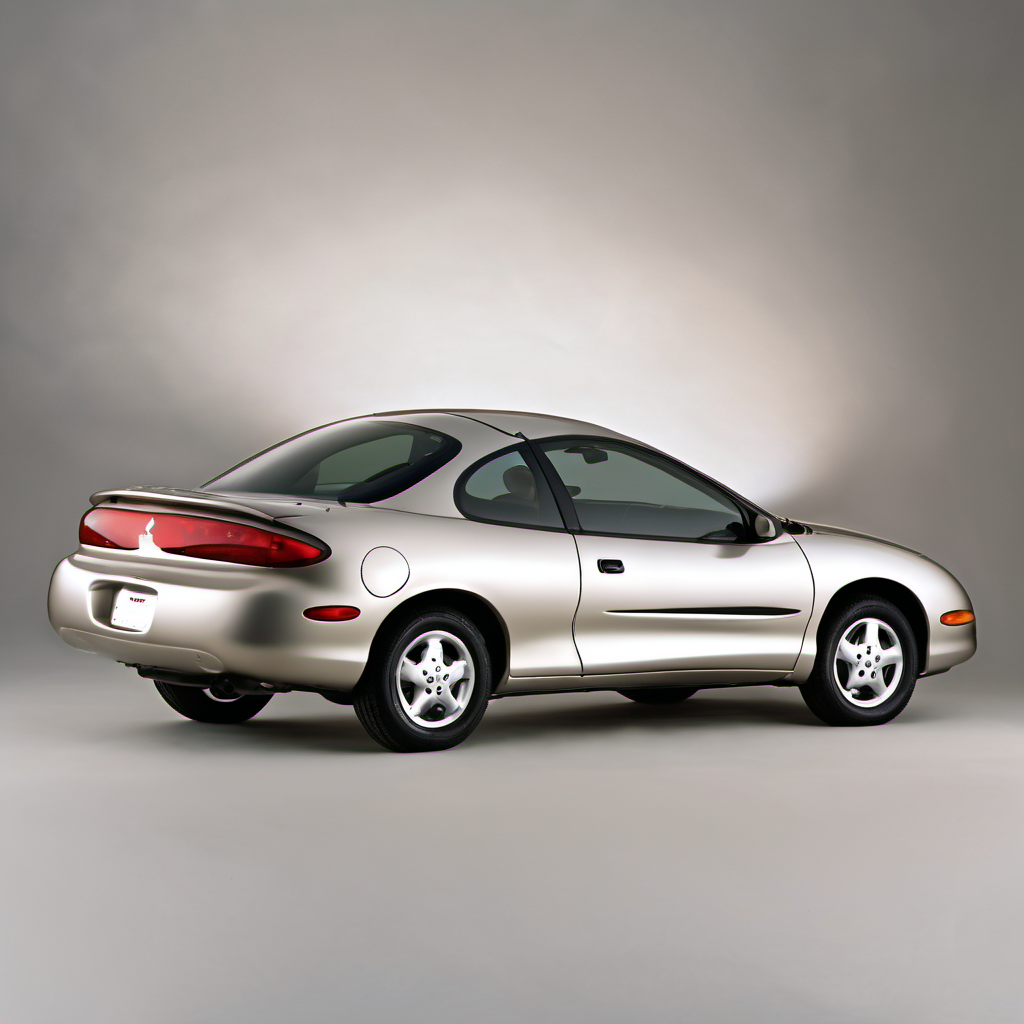
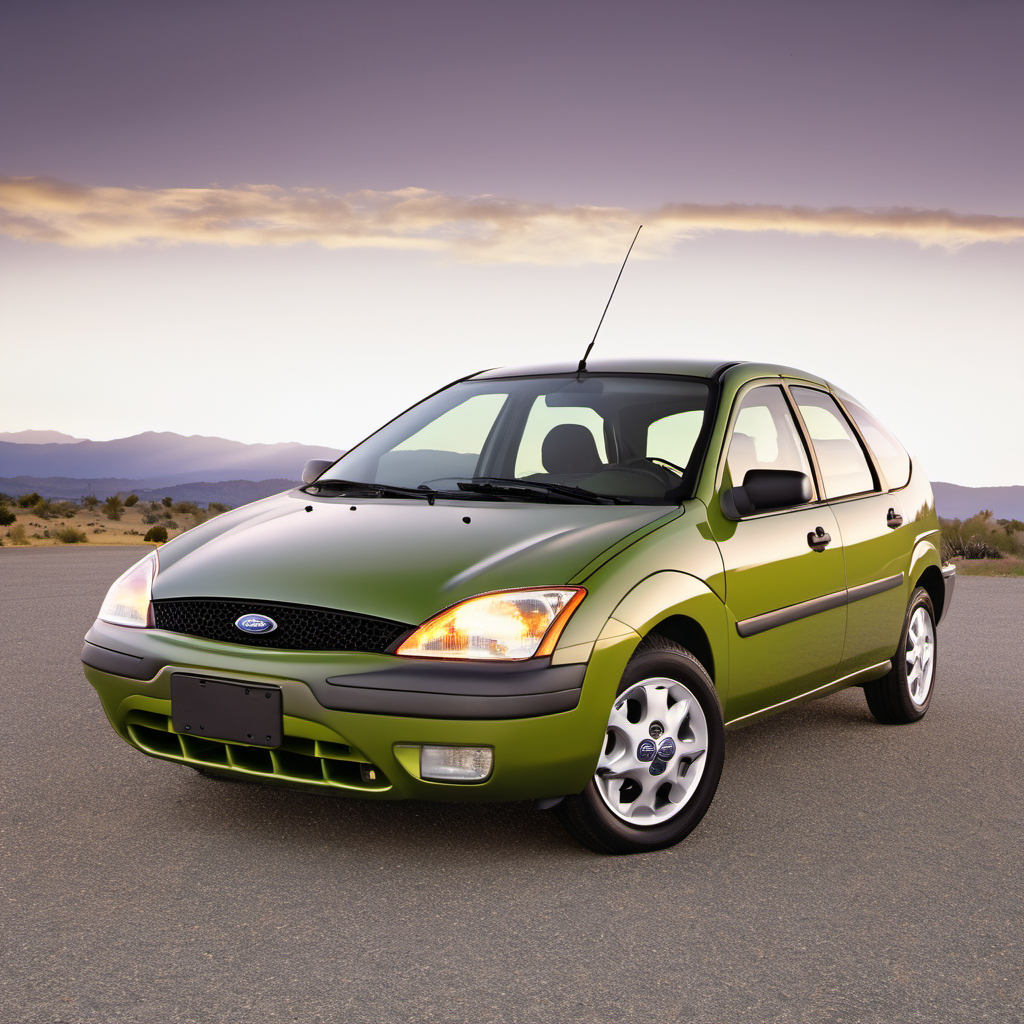
2001 Chevrolet Cavalier Sedan

2001 Chevrolet

CavalierSedan

Sedan

The 2001 Chevrolet Cavalier is a compact front-wheel-drive sedan that served as GM's entry-level car for over two decades. By 2001 it was a mature, well-understood platform — parts are cheap and plentiful, and independent shops can fix almost anything on it without exotic tooling. It was aimed squarely at budget-conscious buyers who needed reliable transportation, not driving excitement. The 2.2L pushrod four-cylinder is simple, proven, and tolerant of neglect up to a point. The biggest long-term concern on high-mileage examples is head gasket failure, intake manifold gasket seepage, and the general wear that comes from 20-plus years on Wisconsin roads. Rust is the real enemy on these cars — not the engine. For a first car, daily commuter, or fleet runabout, a clean, rust-free Cavalier with documented maintenance can still deliver reliable service. But condition and corrosion grade matter far more than mileage on a car this age.

Reliability
3/5
Verified data
Specs shown for Cavalier — the most common configuration. Other trims may vary in engine, drivetrain, or fuel economy. Sign in to see your vehicle's exact specs.
Engine
[object Object]
Drivetrain
FWD
Fuel
Gasoline
MPG
20 city / 27 hwy / 23 combined
Seats
Doors
Body
Compact Cars

Overview

AI-curated

The 2001 Chevrolet Cavalier is a compact front-wheel-drive sedan that served as GM's entry-level car for over two decades. By 2001 it was a mature, well-understood platform — parts are cheap and plentiful, and independent shops can fix almost anything on it without exotic tooling. It was aimed squarely at budget-conscious buyers who needed reliable transportation, not driving excitement. The 2.2L pushrod four-cylinder is simple, proven, and tolerant of neglect up to a point. The biggest long-term concern on high-mileage examples is head gasket failure, intake manifold gasket seepage, and the general wear that comes from 20-plus years on Wisconsin roads. Rust is the real enemy on these cars — not the engine. For a first car, daily commuter, or fleet runabout, a clean, rust-free Cavalier with documented maintenance can still deliver reliable service. But condition and corrosion grade matter far more than mileage on a car this age.

Known for
  • Extremely cheap to buy and repair
  • Simple 2.2L pushrod engine that mechanics know cold
  • Light, easy to drive in tight parking and city traffic
  • Decent fuel economy for a 2001 economy car
Best for
  • Budget first-car buyers
  • Short urban commutes
  • Drivers who do their own wrenching
  • Low-cost point-A-to-point-B transportation
Watch for
  • Body and frame rust — critical issue in Wisconsin salt country
  • Head gasket failure on higher-mileage engines
  • Intake manifold gasket leaks (coolant and oil seepage)
  • Worn struts and sway bar links — very common on aged examples
  • Electrical gremlins from aging connectors and ground straps

Common issues by mileage

6 known

Intake manifold gasket leak (coolant/oil seepage)

high
Typically appears
80–150k mi
Estimated repair
$180 – $400

Head gasket failure

medium
Typically appears
120–180k mi
Estimated repair
$700 – $1,400

Front struts and sway bar end links worn out

high
Typically appears
70–120k mi
Estimated repair
$250 – $550

Brake line corrosion (rust perforation)

high
Typically appears
Any — age-related
Estimated repair
$300 – $800

Cooling fan or coolant temp sensor failure causing overheating

medium
Typically appears
90–150k mi
Estimated repair
$80 – $300

Maintenance schedule

  1. 1
    Every 5,000 mi or 6 months Engine oil and filter change

    The 2.2L OHV is tolerant but oil sludge accelerates upper-engine wear and gasket seepage. On a 20-year-old engine, more frequent changes are cheap insurance.

  2. 2
    Every 2 years or 30,000 mi Coolant flush and inspection

    Degraded coolant accelerates intake and head gasket deterioration. Always verify the correct GM-spec coolant is used — mixing types causes gel deposits.

  3. 3
    Every 30,000 mi Spark plugs replacement

    The 2.2L OHV uses conventional plugs. Worn plugs on this engine cause misfires that stress the catalytic converter and reduce MPG noticeably.

  4. 4
    Every 50,000 mi or at first sign of cracking Serpentine belt inspection and replacement

    Belt failure leaves you stranded and can cause overheating. On a 20+-year-old car, replace proactively regardless of mileage.

  5. 5
    Every spring, annually Brake line and fuel line corrosion inspection

    Wisconsin road salt aggressively attacks these steel lines. A rusted-through brake line is a safety emergency. Catch it early with a lift inspection.

  6. 6
    Every 6,000 mi Tire rotation and alignment check

    Worn suspension components cause rapid, uneven tire wear. Rotation helps catch alignment drift early before it destroys a tire.

  7. 7
    Every fall before winter season Battery load test

    Original or aged batteries fail quickly in sub-zero Wisconsin temps. A 5-minute load test tells you whether the battery will survive the season.

  8. 8
    Annually, ideally every spring Undercarriage rust inspection and touch-up

    This is the single most important longevity task for a Cavalier in Wisconsin. Treating surface rust before it becomes structural rust is far cheaper than subframe or brake line replacement.

Always defer to the manufacturer's service manual for warranty-mandated intervals.

Cost of ownership

Annual maintenance
$400 – $900
Fuel
At 23 MPG combined and ~12,000 mi/yr, expect roughly $1,300–$1,600/yr at current mid-Wisconsin gas prices.
Insurance
Typically among the cheapest vehicles to insure — expect $600–$1,100/yr for full coverage depending on driver profile and history.

The Cavalier is genuinely cheap to own when it's healthy. Parts are inexpensive and widely available. The danger zone is deferred maintenance — a neglected head gasket or corroded brake line can turn a $2,500 car into a $1,500 repair bill overnight. Budget an extra cushion for unexpected age-related repairs on any example over 100k miles.
Seasonal care

Lake Geneva, WI
Winter
  • Load-test the battery every fall — the 2.2L starts fine in cold when the battery is healthy, but a marginal battery will leave you stranded at -10°F.
  • Switch to a full-synthetic or synthetic-blend 5W-30 oil before winter for easier cold starts and better cold-weather lubrication.
  • Flush and fill washer fluid reservoir with a rated -20°F or colder formula — the small reservoir empties fast on salty Wisconsin roads.
  • Inspect and replace wiper blades with winter blades; the Cavalier's wiper system is basic and struggles with heavy snow if blades are worn.
  • Rinse the undercarriage at a touchless car wash every 1–2 weeks during heavy salt season — this car's underbody is already 20+ years into salt exposure.
  • Check tire tread depth carefully; the Cavalier's light curb weight means it loses traction quickly on worn tires in snow and ice.
Summer
  • Inspect the cooling system cap, hoses, and thermostat before summer — a 20-year-old cooling system is vulnerable to heat-soak overheating, especially in stop-and-go traffic.
  • Check A/C refrigerant charge and cabin air circulation; the Cavalier's A/C system is simple but o-rings and hoses dry out with age.
  • Check tire pressure monthly — summer heat causes pressure to rise, and the Cavalier's recommended pressure is easy to exceed in July heat.
  • Inspect the electric cooling fan operation — a failed fan relay or motor will cause overheating quickly at idle in summer heat.

Comparable vehicles

If you're shopping for one

Red flags
  • Any visible rust bubbling on rocker panels, floor pans, or around the rear wheel arches — these areas go structural fast.
  • Milky or foamy oil on the dipstick or under the oil cap — coolant in the oil means head gasket failure.
  • Coolant level that needs regular topping off with no visible external leak — internal leak into the combustion chamber.
  • A car that's been sitting for more than 6 months — fuel system, brake calipers, and rubber components degrade quickly in storage.
  • Missing or incomplete service history — on a 20+ year old economy car, unknown maintenance history means budgeting for everything at once.
What to inspect
  • Lift the car and inspect brake lines, fuel lines, and subframe mounting points for rust perforation — this is the top disqualifier on any Wisconsin Cavalier.
  • Check for white exhaust smoke at startup and sweet smell from the exhaust or coolant reservoir — head gasket warning signs.
  • Look for oil or coolant seepage around the intake manifold and valve cover gaskets.
  • Test the A/C, heater, and all electrical accessories — window motors, locks, and dash controls are age-prone failure points.
  • Drive it cold from a dead stop — listen for knocking, rough idle, or hesitation that smooths out once warm (signs of engine wear or a tired coolant temp sensor).
  • Check the transmission for smooth, firm shifts — slipping or delayed engagement on the 4-speed automatic is costly relative to the car's value.
AI profile generated 13 days ago · claude-sonnet-4-6 · v2.