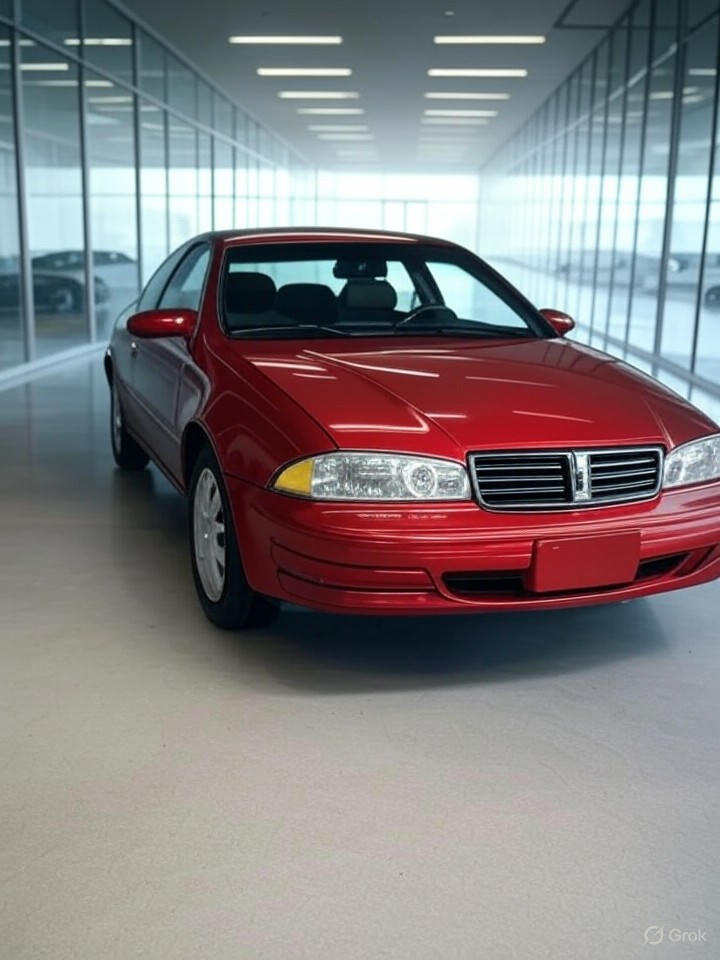
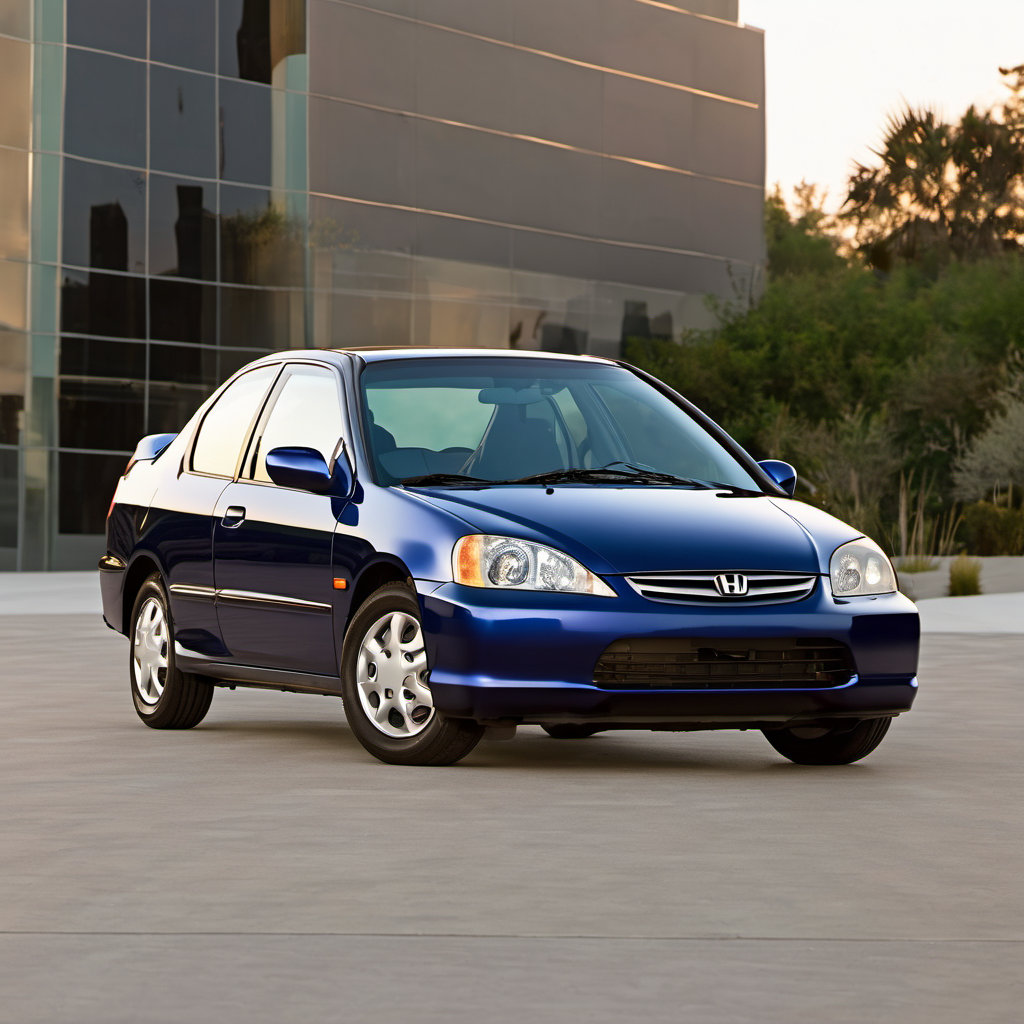
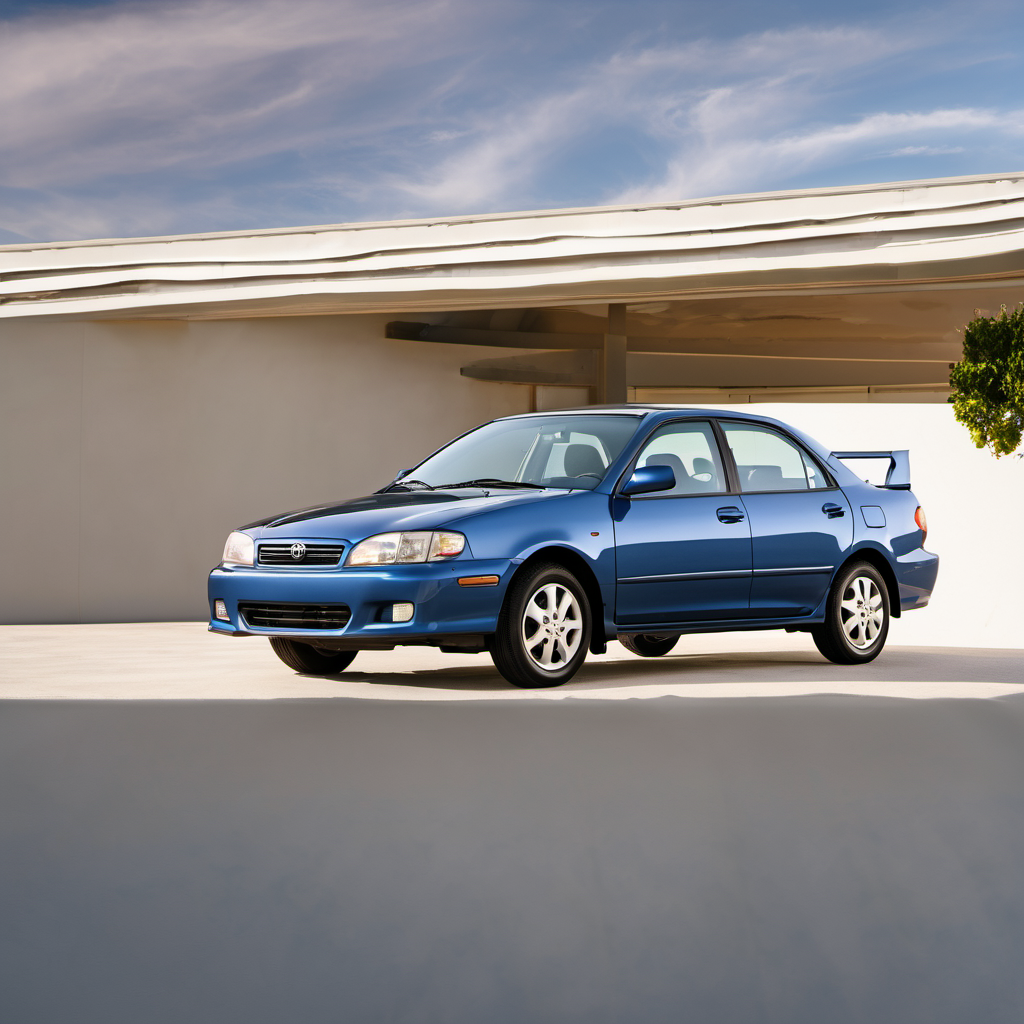
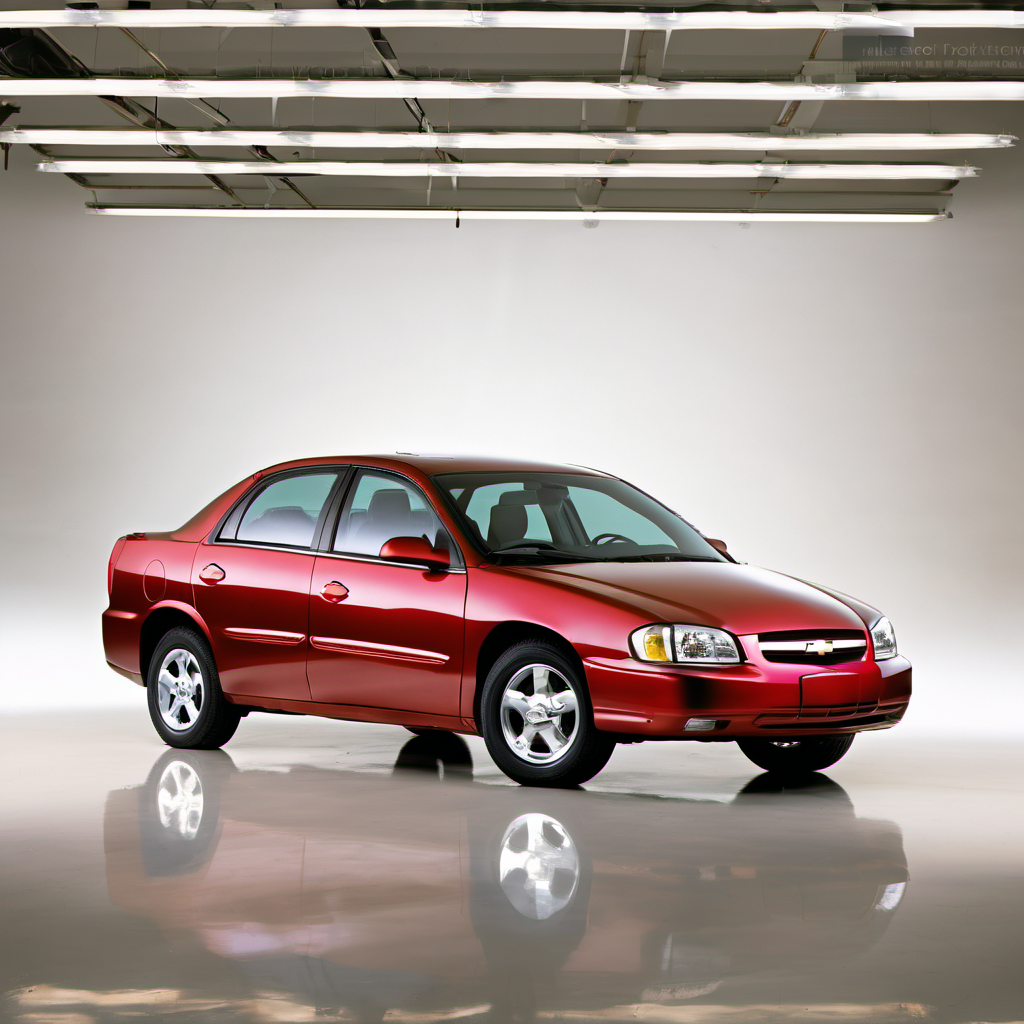
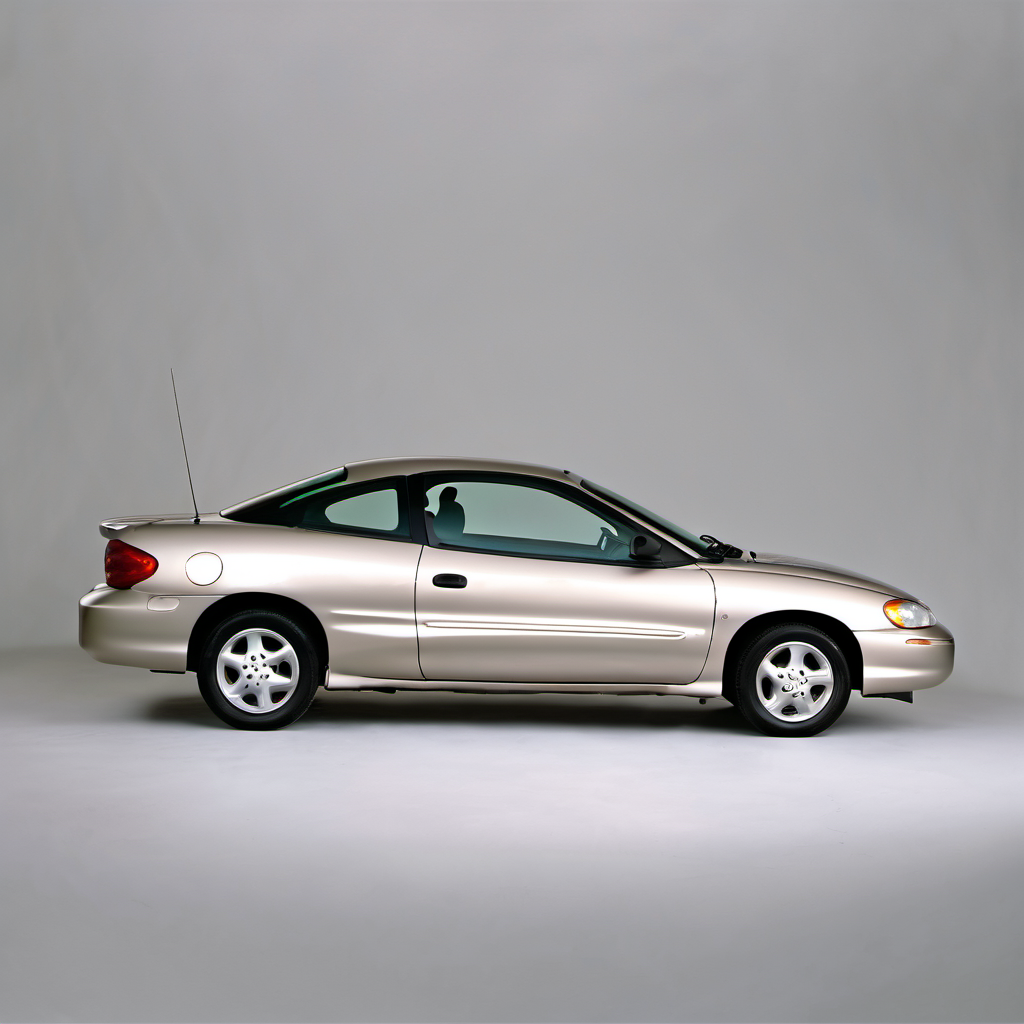
2001 Oldsmobile Alero Sedan

2001 Oldsmobile

AleroSedan

Sedan

The 2001 Oldsmobile Alero is a front-wheel-drive compact sedan that served as one of the final entries in the Oldsmobile lineup before the brand's discontinuation in 2004. Based on GM's N-body platform and sharing its bones with the Pontiac Grand Am, the Alero was positioned as a sportier, more stylish alternative to the Cavalier. It came with either a 2.4L four-cylinder or a 3.4L V6, and was available as both a sedan and a two-door coupe. The Alero offered a reasonably comfortable interior for its class and decent fuel economy, but it was never a standout in terms of reliability. GM's N-body platform had well-documented recurring issues—particularly with lower intake manifold gaskets on the V6, ignition switches, and body electrical gremlins—that followed the Alero throughout its production run. At this age (20+ years old), any surviving Alero should be treated strictly as a used vehicle requiring a thorough pre-purchase inspection. Parts availability has thinned, and some components are now difficult to source. It can still be a serviceable daily driver if it's been maintained, but don't expect the longevity you'd get from a same-era Civic or Corolla.

Reliability
2/5
Verified data
Specs shown for Alero — the most common configuration. Other trims may vary in engine, drivetrain, or fuel economy. Sign in to see your vehicle's exact specs.
Engine
[object Object]
Drivetrain
FWD
Fuel
Gasoline
MPG
19 city / 27 hwy / 22 combined
Seats
Doors
Body
Compact Cars

Overview

AI-curated

The 2001 Oldsmobile Alero is a front-wheel-drive compact sedan that served as one of the final entries in the Oldsmobile lineup before the brand's discontinuation in 2004. Based on GM's N-body platform and sharing its bones with the Pontiac Grand Am, the Alero was positioned as a sportier, more stylish alternative to the Cavalier. It came with either a 2.4L four-cylinder or a 3.4L V6, and was available as both a sedan and a two-door coupe. The Alero offered a reasonably comfortable interior for its class and decent fuel economy, but it was never a standout in terms of reliability. GM's N-body platform had well-documented recurring issues—particularly with lower intake manifold gaskets on the V6, ignition switches, and body electrical gremlins—that followed the Alero throughout its production run. At this age (20+ years old), any surviving Alero should be treated strictly as a used vehicle requiring a thorough pre-purchase inspection. Parts availability has thinned, and some components are now difficult to source. It can still be a serviceable daily driver if it's been maintained, but don't expect the longevity you'd get from a same-era Civic or Corolla.

Known for
  • Sporty styling for its class and era
  • Shared N-body platform with Pontiac Grand Am
  • Available 2.4L Twin Cam four-cylinder or 3.4L V6
  • Recurring intake manifold gasket failures on V6 models
  • Oldsmobile's final compact sedan before brand shutdown
Best for
  • Budget-conscious buyers needing basic transportation
  • Owners comfortable with older GM mechanicals and DIY repairs
  • Short-haul city and suburban commuting
Watch for
  • Lower intake manifold gasket leaks (V6 models especially)
  • Ignition switch and passlock security system failures
  • ABS module corrosion and failure
  • Rust on rocker panels, wheel arches, and undercarriage — critical in Wisconsin
  • Dwindling availability of body and trim parts

Common issues by mileage

6 known

Lower Intake Manifold Gasket Failure (V6 models)

high
Typically appears
60–120k mi
Estimated repair
$400 – $800

Passlock / Ignition Switch Security System Failure

high
Typically appears
60–150k mi
Estimated repair
$150 – $450

Oxygen Sensor / O2 Sensor Heater Circuit Failure

medium
Typically appears
80–130k mi
Estimated repair
$150 – $350

Cooling System Leaks (Hoses, Thermostat, Water Pump)

high
Typically appears
80–150k mi
Estimated repair
$150 – $600

Rocker Panel and Underbody Rust (Wisconsin salt exposure)

high
Typically appears
Any mileage on Wisconsin roads
Estimated repair
$500 – $2,500

Maintenance schedule

  1. 1
    Every 2 years or 30k mi — immediately if unknown history Engine coolant flush and full cooling system inspection

    The 2.4L Twin Cam is vulnerable to overheating when coolant degrades. Hoses, thermostat, and water pump on a 20+ year-old car should be inspected at every service.

  2. 2
    Every 60–75k mi or every 5 years Serpentine belt and tensioner replacement

    Rubber degrades with age regardless of mileage. A snapped belt on a Wisconsin winter morning leaves you stranded.

  3. 3
    Every 30k mi on the 2.4L Spark plugs and ignition wires

    The Twin Cam 2.4L is sensitive to ignition system condition. Worn plugs and cracked wires cause misfires and rough idle.

  4. 4
    Every 2 years Brake fluid flush

    Moisture-laden brake fluid accelerates ABS module and caliper corrosion — already a known weak point on this platform in road-salt environments.

  5. 5
    Every fall before salt season Undercarriage rust inspection and treatment

    N-body cars rust aggressively on Wisconsin roads. Inspect subframe, brake lines, fuel lines, and rocker panels annually. Treat bare metal before winter.

  6. 6
    Every fall; replace if 4+ years old Battery load test

    Sub-zero Lake Geneva winters are hard on aging batteries. The Alero's electrical system has known quirks that are worsened by a weak battery.

  7. 7
    Every 30k mi on used examples Transmission fluid change

    GM's 4T40-E automatic benefits from regular fluid changes. On a used car with unknown history, change it immediately and inspect for burnt smell or debris.

  8. 8
    Every 5k–6k mi Tire rotation and brake inspection

    FWD cars wear front tires faster. Regular rotation extends tire life and gives your shop a chance to catch caliper sticking — common on older FWD vehicles.

Always defer to the manufacturer's service manual for warranty-mandated intervals.

Cost of ownership

Annual maintenance
$600 – $1,800
Fuel
At 22 MPG combined and ~12,000 miles/year, expect roughly $1,600–$1,900/year in fuel at current Midwest gas prices.
Insurance
Liability-only coverage typical for a vehicle this age; expect $400–$800/year depending on your record and ZIP code.

The Alero is cheap to insure and cheap to fuel, but its age means you should budget for repair surprises. A well-maintained example might only need routine items in a given year, but a neglected one can easily run $1,500–$2,500+ in deferred repairs — cooling system, brakes, O2 sensors, and rust work add up fast. Parts are becoming harder to find; budget extra time for sourcing.
Seasonal care

Lake Geneva, WI
Winter
  • Load-test the battery every fall — sub-zero Lake Geneva temps will expose any weakness. Replace if the battery is 4+ years old.
  • Switch to a full synthetic 5W-30 oil if not already running it; it flows better on cold starts and reduces engine wear in January.
  • Inspect and replace wiper blades with winter-rated blades before first snow; top off washer fluid with a -20°F or colder rated formula.
  • Flush brake lines and inspect rubber brake hoses for cracking — road salt accelerates corrosion on this platform's brake hardware.
  • Inspect undercarriage, brake lines, and fuel lines for rust before salt season; treat any bare metal. The Alero's rocker panels and subframe are known rust spots.
  • Keep at least a half tank of gas through winter to reduce fuel line moisture and improve weight/traction over the drive wheels.
Summer
  • Check tire pressure monthly — tires gain roughly 1 PSI per 10°F of temperature increase and can become overinflated in summer heat.
  • Inspect the cooling system before summer: hose condition, thermostat operation, and coolant concentration. The 2.4L does not tolerate overheating.
  • Test A/C operation early in the season — refrigerant leaks and aging compressors are common on vehicles this age.
  • Check the cabin air filter if equipped; a clogged filter reduces A/C effectiveness noticeably in hot weather.
  • Inspect belts for cracking and glazing — heat accelerates rubber degradation on a 20+ year-old vehicle.

Comparable vehicles

If you're shopping for one

Red flags
  • Any visible rust perforation on rocker panels or undercarriage — walk away unless the price reflects major bodywork.
  • Coolant leaks or oil/coolant mixing — intake gasket or head gasket repair on a 20-year-old car may not be worth the investment.
  • Security light flashing and no-start condition at time of inspection — Passlock failures can be intermittent and expensive to resolve properly.
  • No maintenance records whatsoever on a 20+ year-old vehicle.
  • Aftermarket security or remote start systems wired in — common on this era GM and a frequent source of electrical gremlins.
What to inspect
  • Rocker panels, wheel arches, subframe, and underside brake/fuel lines for rust — this is the #1 killer of Wisconsin Aleros.
  • Coolant condition and level; look for milky residue in the oil cap or white exhaust indicating a head gasket or intake gasket issue.
  • Ignition switch operation — the Passlock system is infamous for stranding owners. Try locking/unlocking and starting several times.
  • ABS warning light on the dash; if lit, budget for module diagnosis and possible replacement.
  • Transmission shift quality — slipping, delayed engagement, or burnt-smelling fluid signals a transmission nearing end of life.
  • Full brake system inspection including calipers for sticking, rotors for pitting, and rubber hoses for cracking.
AI profile generated 12 days ago · claude-sonnet-4-6 · v2.