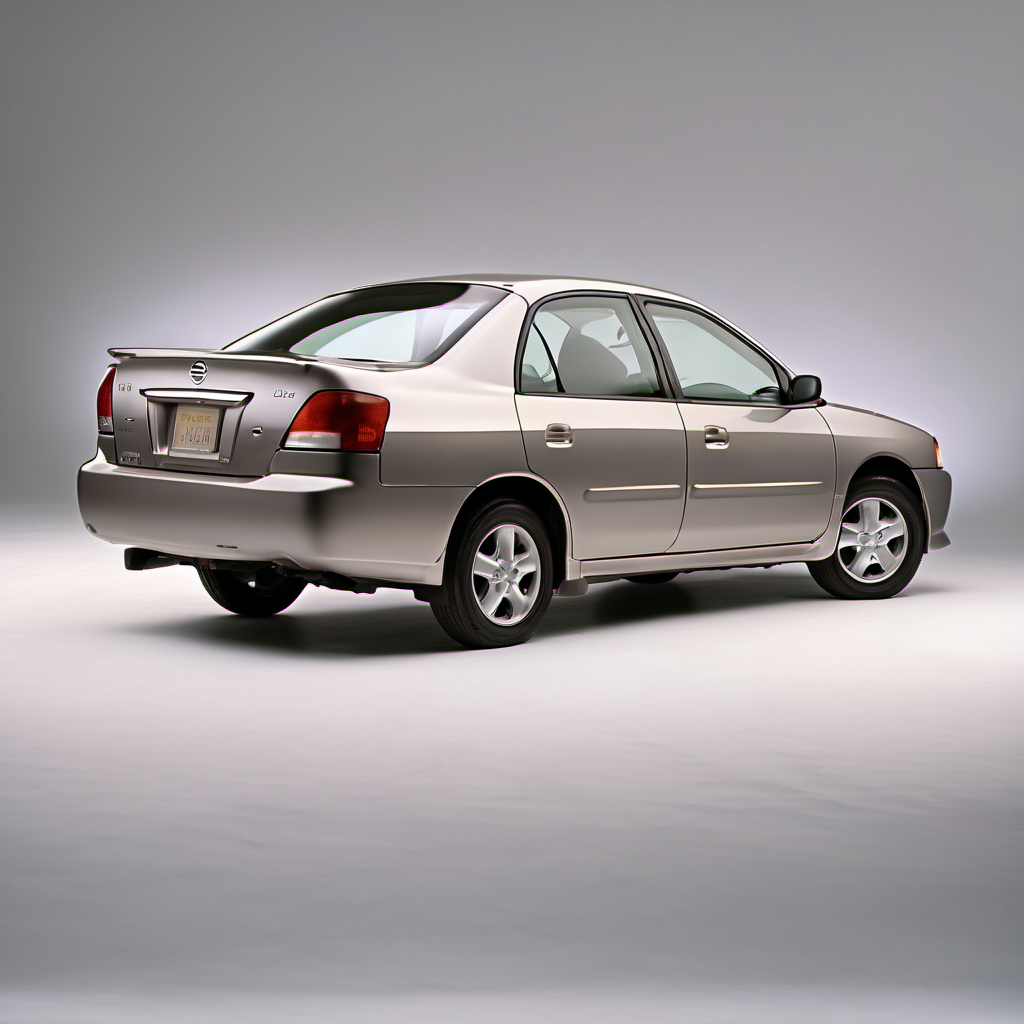
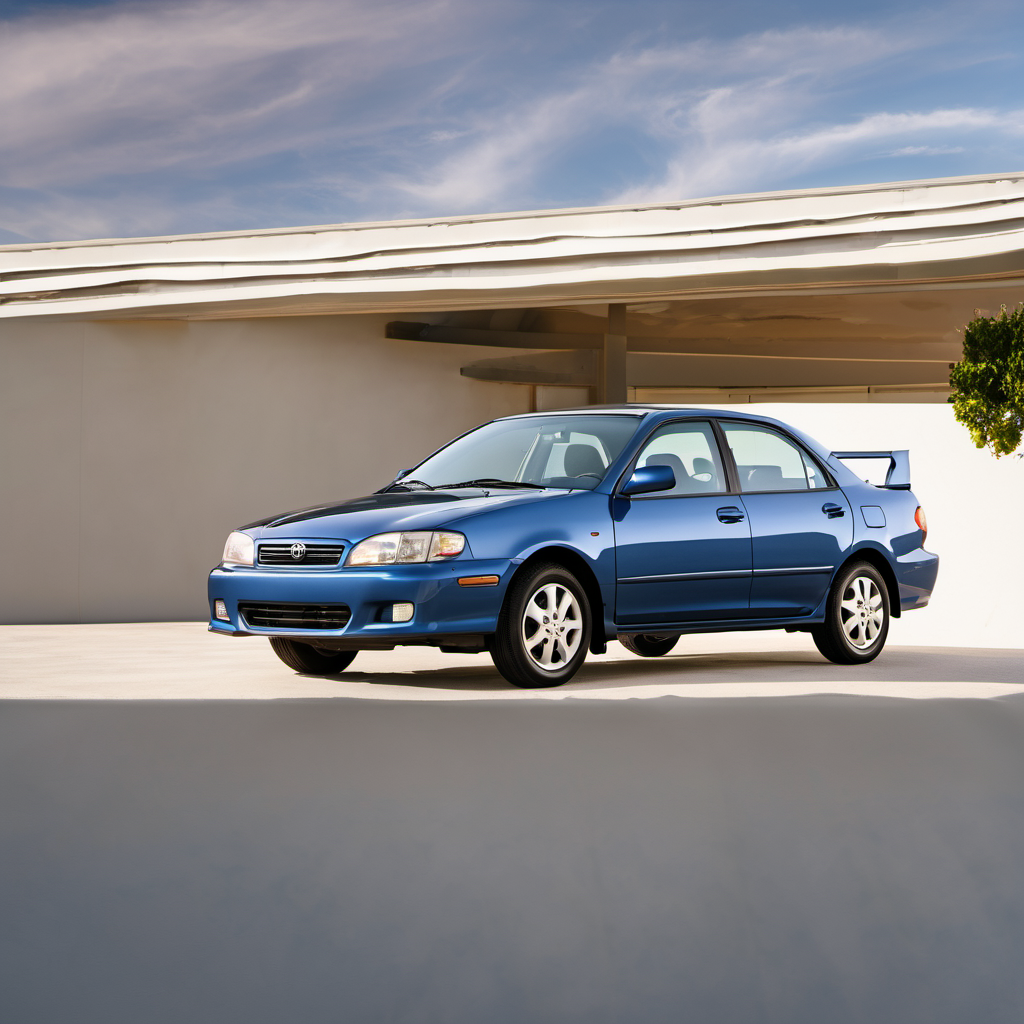
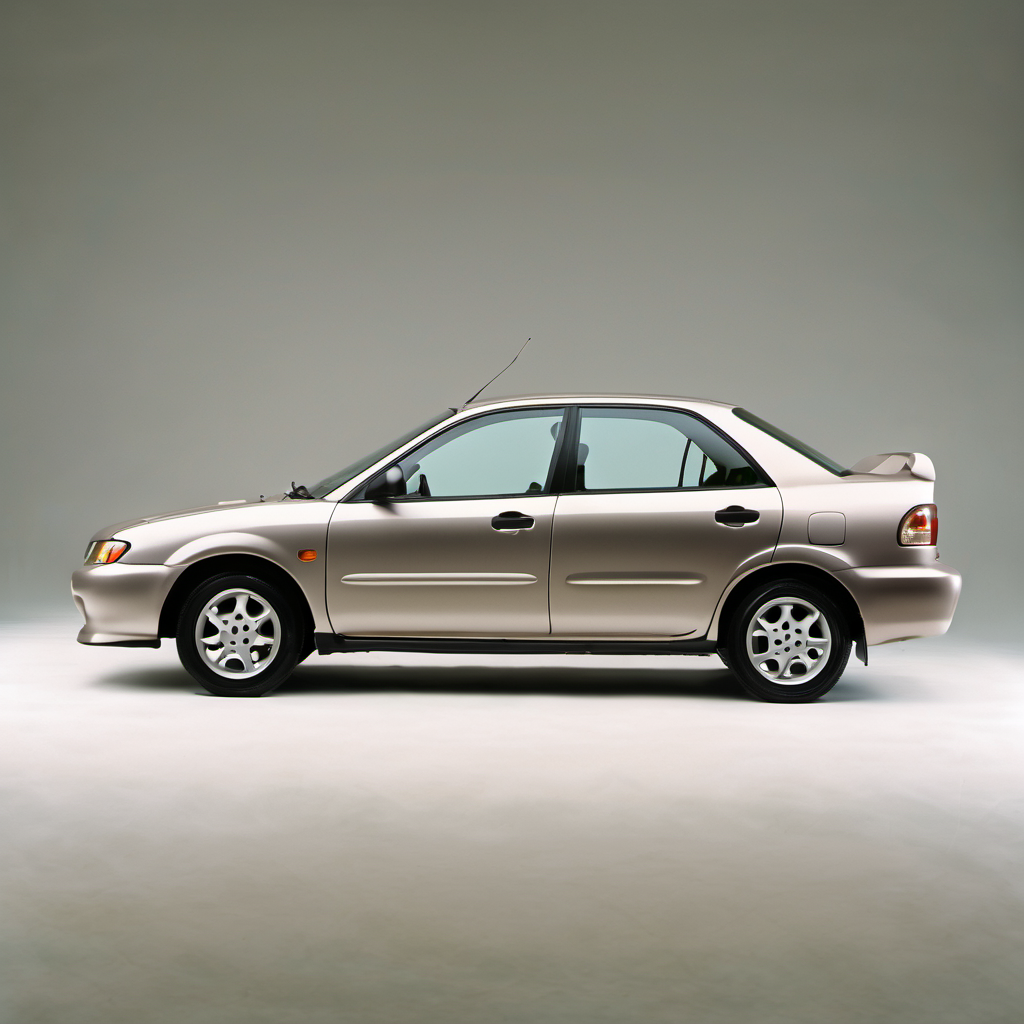
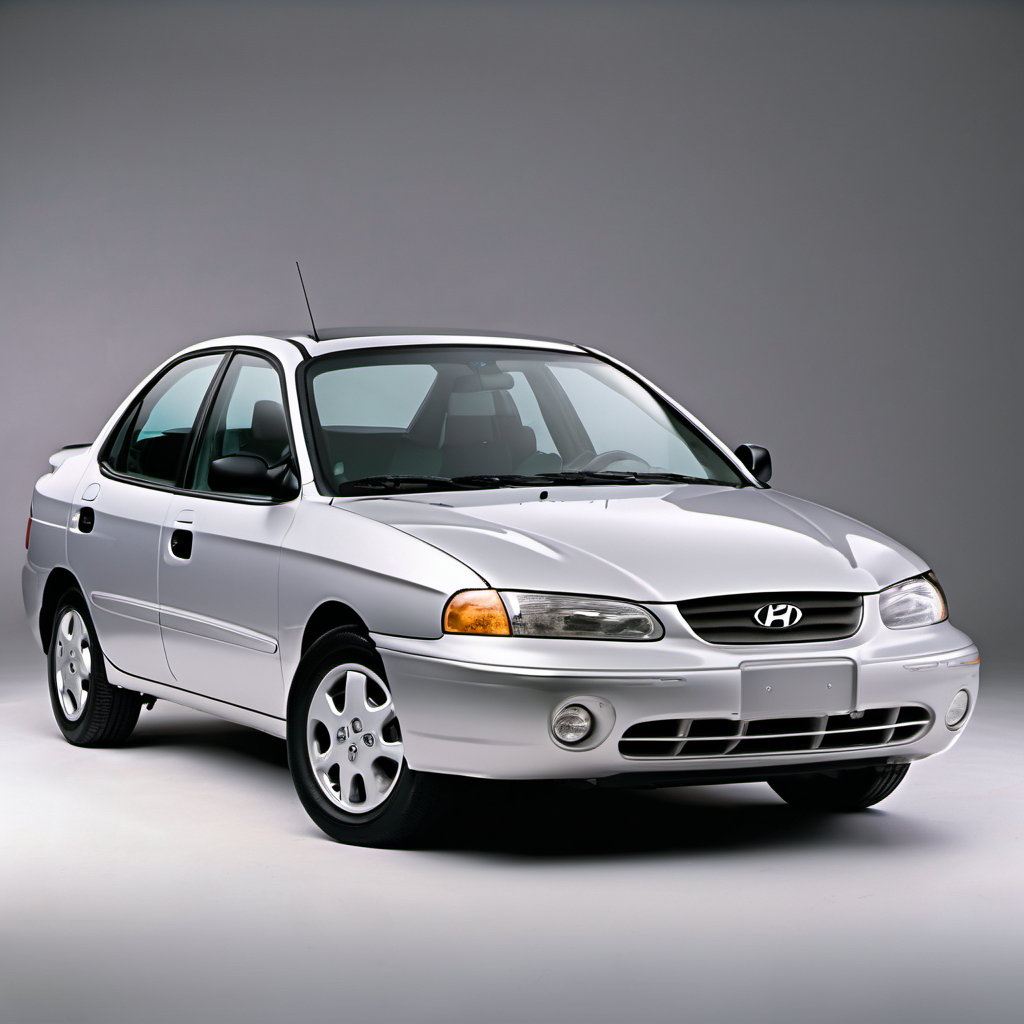
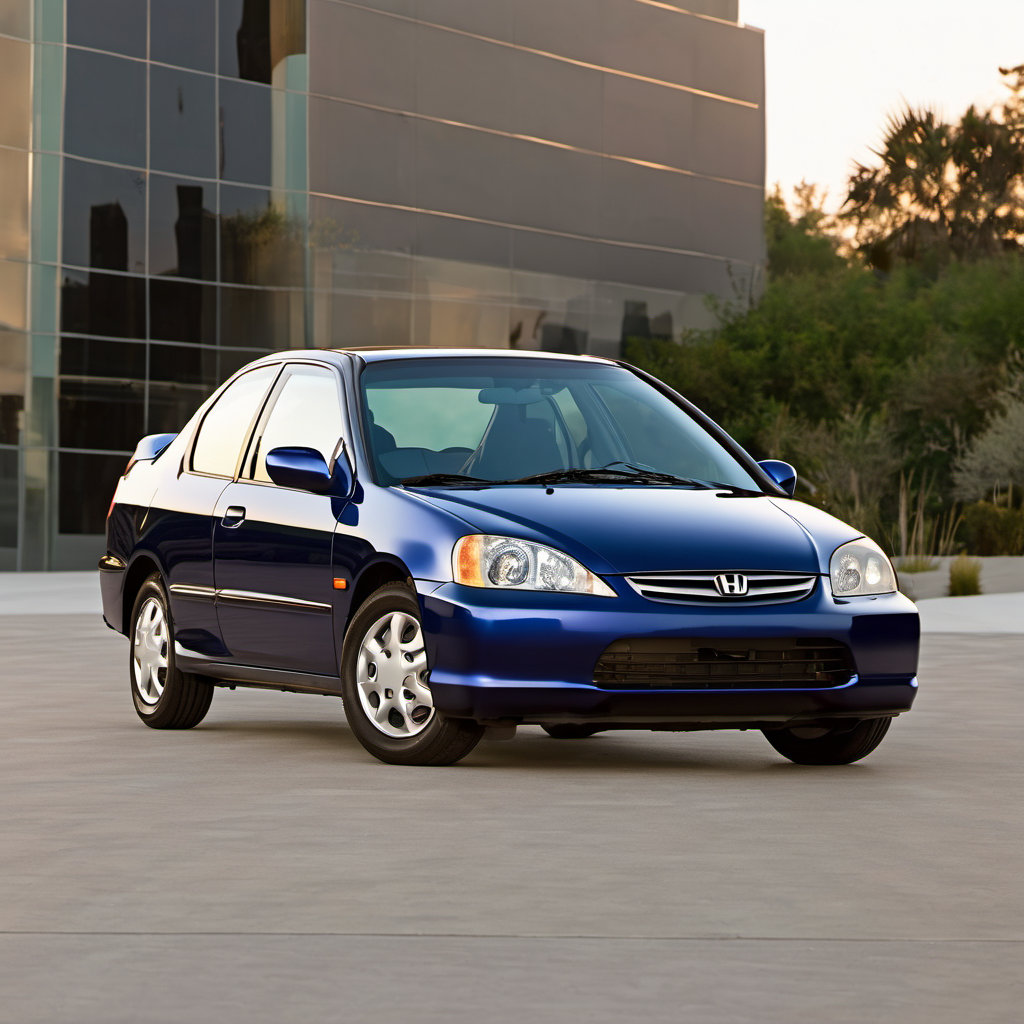
2001 Nissan Sentra Sedan

2001 Nissan

SentraSedan

Sedan

The 2001 Nissan Sentra is a front-wheel-drive compact sedan built on Nissan's B15 platform, sold in the U.S. from 2000 through 2006. This generation was a significant step up in interior room and refinement over its predecessor, earning a reputation as a practical, affordable commuter that holds up well with basic maintenance. The base 1.8L QG18DE four-cylinder is simple, proven, and not particularly stressed in this application — it's the kind of engine that runs a long time when the oil gets changed. The SE-R and SE-R Spec V trims offered more excitement, but the bread-and-butter 1.8 is the reliable workhorse most buyers chose. At 20+ years old, any surviving example needs a thorough inspection focused on rust (Wisconsin salt will have had two decades to work), cooling system condition, and suspension wear. Parts are still widely available and inexpensive, making this a cost-effective vehicle to maintain — if the body and frame are solid.

Reliability
3/5
Verified data
Specs shown for Sentra — the most common configuration. Other trims may vary in engine, drivetrain, or fuel economy. Sign in to see your vehicle's exact specs.
Engine
[object Object]
Drivetrain
FWD
Fuel
Gasoline
MPG
23 city / 30 hwy / 26 combined
Seats
Doors
Body
Compact Cars

Overview

AI-curated

The 2001 Nissan Sentra is a front-wheel-drive compact sedan built on Nissan's B15 platform, sold in the U.S. from 2000 through 2006. This generation was a significant step up in interior room and refinement over its predecessor, earning a reputation as a practical, affordable commuter that holds up well with basic maintenance. The base 1.8L QG18DE four-cylinder is simple, proven, and not particularly stressed in this application — it's the kind of engine that runs a long time when the oil gets changed. The SE-R and SE-R Spec V trims offered more excitement, but the bread-and-butter 1.8 is the reliable workhorse most buyers chose. At 20+ years old, any surviving example needs a thorough inspection focused on rust (Wisconsin salt will have had two decades to work), cooling system condition, and suspension wear. Parts are still widely available and inexpensive, making this a cost-effective vehicle to maintain — if the body and frame are solid.

Known for
  • Affordable purchase and running costs
  • Durable QG18DE 1.8L engine with proper maintenance
  • Spacious interior for the compact class
  • Good fuel economy for a 2001 vehicle
Best for
  • Budget-conscious daily commuters
  • First-time car owners
  • City and highway driving on a tight budget
  • Owners who do basic DIY maintenance
Watch for
  • Severe underbody and floor rust on upper-Midwest examples
  • Exhaust system rot from road salt
  • Aging coolant hoses and thermostat on high-mileage cars
  • Worn or collapsed struts and strut mounts — very common at this age
  • Catalytic converter deterioration causing oxygen sensor codes

Common issues by mileage

6 known

Underbody and Floor Pan Rust

high
Typically appears
Any mileage — age-driven
Estimated repair
$500 – $3,500

Struts, Strut Mounts, and Sway Bar Links Worn Out

high
Typically appears
80k–200k mi
Estimated repair
$350 – $900

Oxygen Sensor / Catalytic Converter Failure

high
Typically appears
100k–200k mi
Estimated repair
$200 – $900

Coolant System Deterioration (thermostat, hoses, water pump)

medium
Typically appears
80k–160k mi
Estimated repair
$150 – $550

Exhaust System Rust and Failure

high
Typically appears
Any mileage — age-driven in salt states
Estimated repair
$200 – $800

CV Axle Boot Tears / CV Joint Wear

medium
Typically appears
100k–180k mi
Estimated repair
$150 – $450

Maintenance schedule

  1. 1
    Every 5,000 miles or 6 months Engine oil and filter change

    The QG18DE runs cleanly with fresh oil. At this age, use conventional 5W-30 unless the engine is consuming oil, then consider high-mileage blend. Neglected oil changes are the #1 killer of this engine.

  2. 2
    Every 30,000 miles or 2 years Coolant flush and inspection of hoses and thermostat

    Original or old coolant loses its protective additives and accelerates corrosion inside the cooling system. Rubber hoses are now 20+ years old and should be replaced if cracked or soft.

  3. 3
    Every 30,000 miles Spark plug replacement

    The QG18DE uses conventional spark plugs. Worn plugs hurt fuel economy, cause rough idle, and can trigger misfires on this engine.

  4. 4
    Every 2 years Brake fluid flush

    Brake fluid absorbs moisture over time, lowering its boiling point. Wisconsin winters with temperature swings accelerate this. Fresh fluid protects ABS components and calipers.

  5. 5
    Every spring and after heavy road-salt exposure Underbody wash and inspection

    Salt accumulation under the car is the primary threat to a 20-year-old Sentra in Lake Geneva. Regular washing of wheel wells and undercarriage significantly extends body life.

  6. 6
    Every 30,000 miles or if ride quality changes Strut and suspension inspection

    Struts and strut mounts wear gradually. On a car this age, they are likely original or near end of life and should be replaced in axle pairs.

  7. 7
    Every 60,000 miles or every 4 years Serpentine belt and tensioner inspection

    A cracked or glazed belt that snaps will leave you stranded and can damage other accessories. At this vehicle's age, replacement is cheap insurance.

  8. 8
    Every 30,000–45,000 miles Transmission fluid change (automatic)

    Nissan's RE4F03B automatic responds well to regular fluid changes. Dark or burnt-smelling fluid is a warning sign. Never flush a high-mileage transmission with unknown service history — a drain-and-fill is safer.

Always defer to the manufacturer's service manual for warranty-mandated intervals.

Cost of ownership

Annual maintenance
$400 – $1,000
Fuel
At 26 MPG combined and typical Lake Geneva driving, expect roughly $1,500–$2,000/year at current Midwest gas prices for a 12,000-mile driver.
Insurance
Insurance is typically low — under $1,000/year for liability and comprehensive on a vehicle this age and value, depending on driver profile.

The 2001 Sentra is one of the cheaper vehicles to keep on the road. Parts are inexpensive and widely stocked. Routine maintenance is the main cost. The wildcard on a 20-year-old car in Wisconsin is rust repair and suspension work — budget $500–$1,500 for deferred wear items when purchasing. A well-maintained example is still a genuinely economical daily driver.
Seasonal care

Lake Geneva, WI
Winter
  • Switch to a 5W-30 full or synthetic-blend oil if not already using it — cold starts below 0°F demand lower-viscosity oil to protect the QG18DE at first crank.
  • Test the battery before November. A battery over 4 years old in sub-zero temps is a breakdown waiting to happen — cold cranking amps drop dramatically in extreme cold.
  • Fill washer fluid reservoir with a -20°F or colder rated fluid. Standard fluid freezes on the windshield and can crack the reservoir.
  • Inspect wiper blades and replace with winter-rated blades before the first snowfall.
  • Flush wheel wells and undercarriage every 2 weeks during heavy road-salt season — the B15 Sentra's rocker panels and rear wheel arches are rust-prone.
  • Check tire tread depth and tire pressure monthly — cold air drops PSI roughly 1 lb per 10°F drop in temperature.
Summer
  • Inspect the cooling system before summer — verify the thermostat, coolant level, and condition of hoses. Overheating is an expensive repair on any engine.
  • Check A/C system for proper cooling output. The R-134a system on this car is straightforward, but compressor clutches and condensers can wear. A weak A/C in July is a comfort and safety issue.
  • Check tire pressure monthly — heat causes pressure to rise, and overinflated tires reduce contact patch and increase blowout risk.
  • Inspect the cabin air filter if equipped — summer dust and pollen load it quickly and reduce A/C airflow.

Comparable vehicles

If you're shopping for one

Red flags
  • Soft or spongy floor when you press on the carpet — indicates rust-through of the floor pan.
  • Any check engine light — at minimum get it scanned before purchase.
  • Burning oil smell or blue smoke from exhaust — rings or valve seals at end of life.
  • Transmission that slips, hesitates on upshift, or won't engage reverse cleanly.
  • Rust on the front subframe — expensive to repair and affects alignment and safety.
  • No maintenance records at all on a 20-year-old car — unknown service history is a serious risk at this age.
What to inspect
  • Floor pan and trunk floor — press on carpet and look for rust-through or moisture. This is the #1 concern on a Wisconsin-winter car.
  • Rocker panels and rear wheel arches for bubbling paint or perforated metal.
  • Exhaust system from manifold to tailpipe — expect significant rust at this age.
  • All four struts for leaking oil and bounce test — a car that bounces more than once needs struts.
  • CV axle boots for tears and grease fling marks on the inside of wheels.
  • Coolant color and condition — brown or rusty coolant means the system hasn't been maintained.
  • Transmission shift quality — the 4-speed auto should shift smoothly without slipping or harsh clunking.
  • Oil filler cap for mayonnaise-like residue, which indicates a head gasket issue.
AI profile generated 1 day ago · claude-sonnet-4-6 · v2.