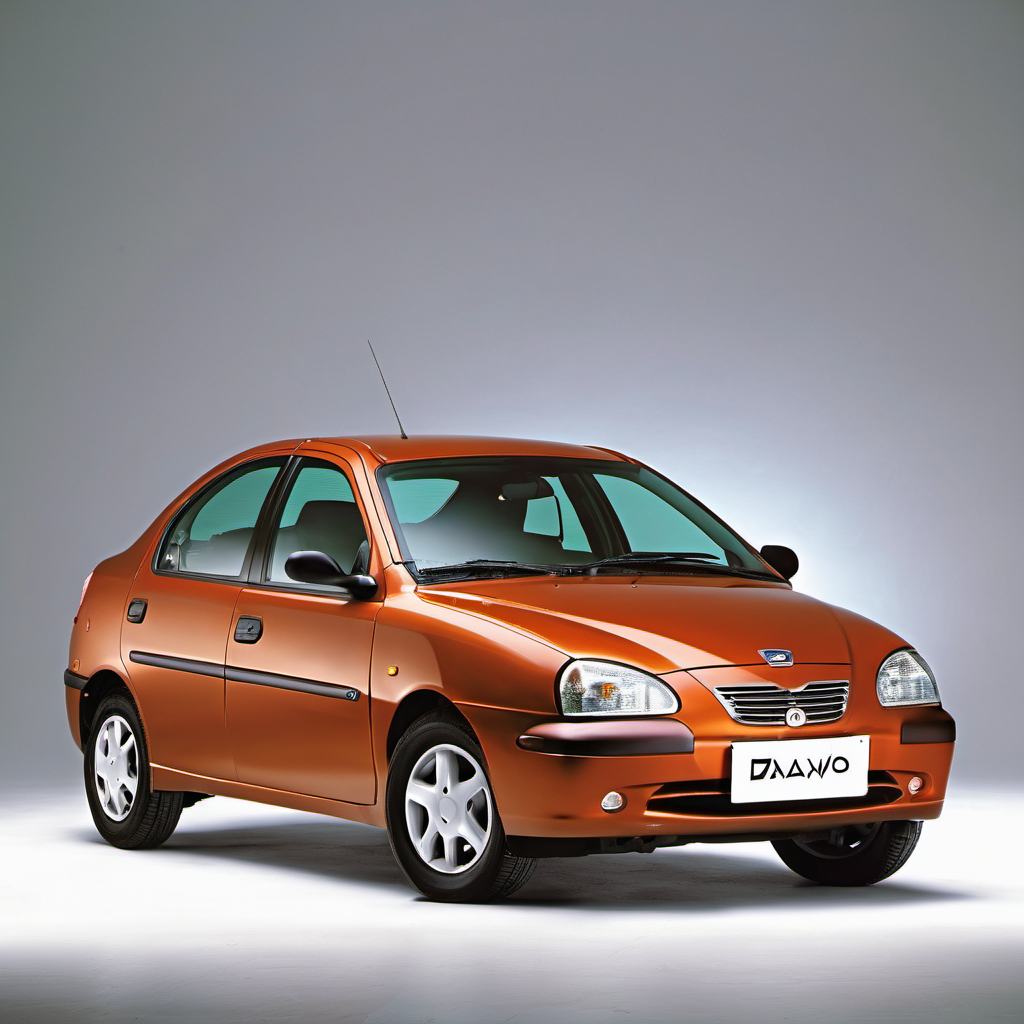
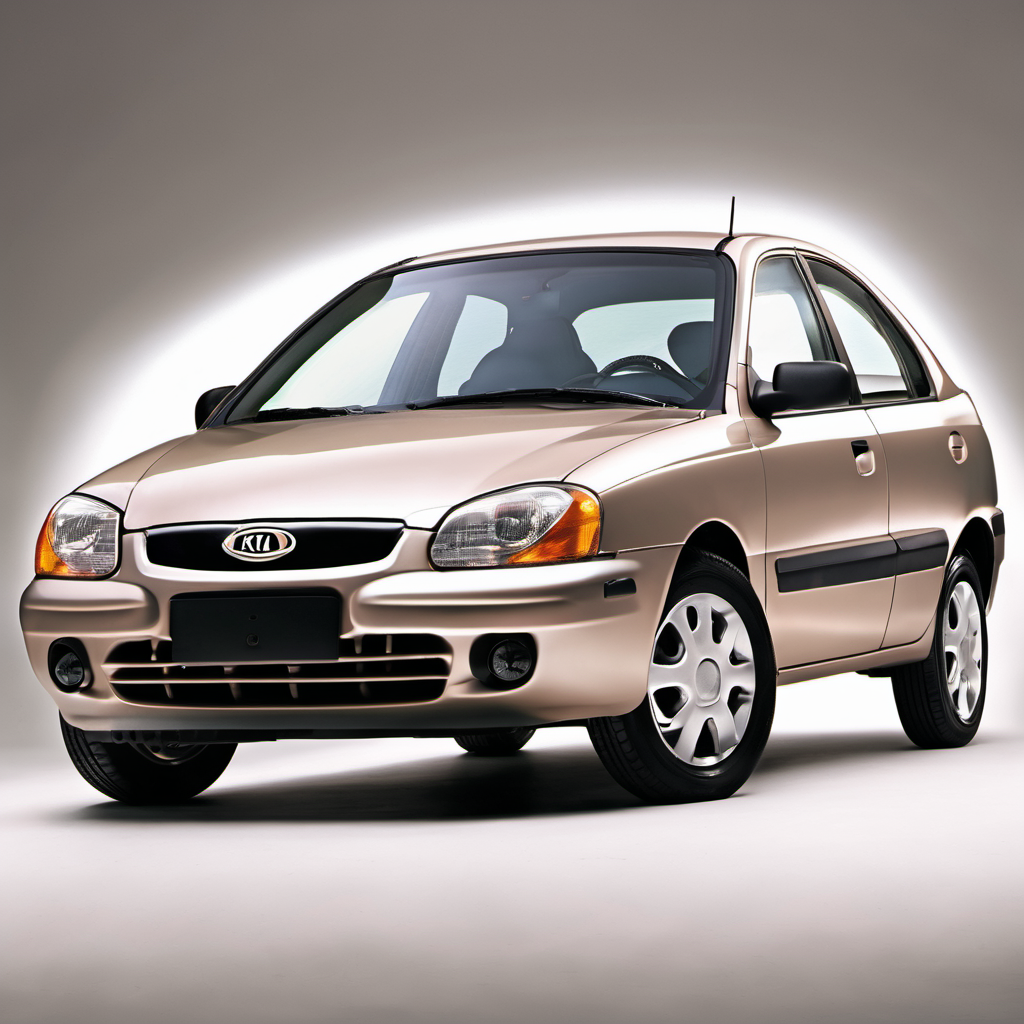
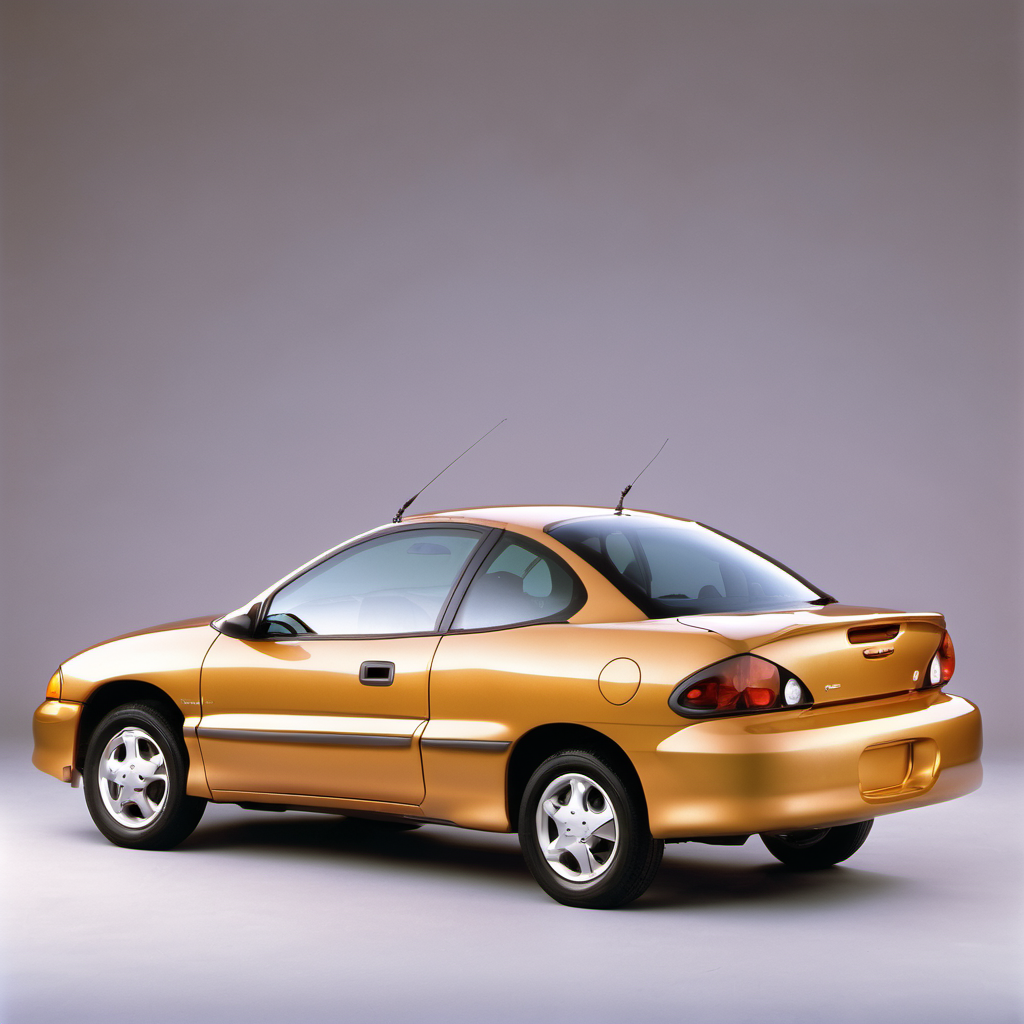
2001 Daewoo Lanos Hatchback

2001 Daewoo

LanosHatchback

Hatchback

The 2001 Daewoo Lanos Hatchback is a budget-oriented subcompact that was sold in the U.S. during Daewoo's brief American run before the brand collapsed in 2002. Built on a platform co-developed with GM, the Lanos offered basic transportation at a very low price point — but it was never meant to be a long-term ownership proposition. Most examples still on the road today are high-mileage survivors that have outlived the brand itself. The 1.5L four-cylinder is simple and relatively easy to work on, but parts availability has become a genuine challenge. Daewoo's U.S. dealer network evaporated with the brand, meaning owners must rely on online specialty suppliers, salvage yards, or GM-compatible parts where applicable. For any shop or owner, sourcing parts before starting a repair is essential. By 2025, a 2001 Lanos is firmly in beater territory. Values are minimal, so expensive repairs rarely make economic sense. That said, owners who keep up with basics — oil, coolant, belts — can eke out reliable daily use from these cars in mild conditions. Wisconsin winters add meaningful stress to an already aging platform.

Reliability
2/5
Verified data
Specs shown for Lanos — the most common configuration. Other trims may vary in engine, drivetrain, or fuel economy. Sign in to see your vehicle's exact specs.
Engine
[object Object]
Drivetrain
FWD
Fuel
Gasoline
MPG
21 city / 33 hwy / 25 combined
Seats
Doors
Body
Compact Cars

Overview

AI-curated

The 2001 Daewoo Lanos Hatchback is a budget-oriented subcompact that was sold in the U.S. during Daewoo's brief American run before the brand collapsed in 2002. Built on a platform co-developed with GM, the Lanos offered basic transportation at a very low price point — but it was never meant to be a long-term ownership proposition. Most examples still on the road today are high-mileage survivors that have outlived the brand itself. The 1.5L four-cylinder is simple and relatively easy to work on, but parts availability has become a genuine challenge. Daewoo's U.S. dealer network evaporated with the brand, meaning owners must rely on online specialty suppliers, salvage yards, or GM-compatible parts where applicable. For any shop or owner, sourcing parts before starting a repair is essential. By 2025, a 2001 Lanos is firmly in beater territory. Values are minimal, so expensive repairs rarely make economic sense. That said, owners who keep up with basics — oil, coolant, belts — can eke out reliable daily use from these cars in mild conditions. Wisconsin winters add meaningful stress to an already aging platform.

Known for
  • Very low original purchase price
  • Simple, relatively accessible 1.5L engine
  • Tight interior with basic features
  • Daewoo brand discontinued in the U.S. after 2002
  • Decent highway fuel economy for its era
Best for
  • Budget-conscious drivers needing basic point-A-to-point-B transportation
  • Mechanically inclined owners who can source their own parts
  • Short urban or suburban commutes
  • Drivers with very low annual mileage
Watch for
  • Parts scarcity — many Daewoo-specific components are hard to find new
  • Rust, especially on 20+ year old examples in salt-belt states like Wisconsin
  • Age-related rubber failures: belts, hoses, bushings, seals
  • Limited resale value makes costly repairs economically unjustifiable
  • No U.S. dealer or manufacturer support

Common issues by mileage

6 known

Timing belt failure

high
Typically appears
60–100k mi (and every 60k thereafter)
Estimated repair
$250 – $450

Rust and corrosion (underbody, wheel arches, floorpan)

high
Typically appears
Any mileage on salt-belt examples
Estimated repair
$300 – $2,000

Cooling system leaks (hoses, water pump, thermostat)

medium
Typically appears
80–130k mi
Estimated repair
$150 – $500

Ignition and fuel system issues (injectors, ignition wires, distributor cap)

medium
Typically appears
70–120k mi
Estimated repair
$100 – $350

Suspension wear (ball joints, tie rod ends, struts)

medium
Typically appears
90k+ mi
Estimated repair
$200 – $700

Maintenance schedule

  1. 1
    Every 60,000 miles or 5 years, whichever comes first Timing belt replacement

    The 1.5L is an interference engine — a snapped belt means bent valves and a likely totaled car given repair costs vs. value. This is the single most critical service item.

  2. 2
    Every 3,000–5,000 miles with conventional oil Engine oil and filter change

    Older engine design with tighter tolerances benefits from more frequent changes, especially in cold Wisconsin winters where cold-start wear is highest.

  3. 3
    Every 2 years or 30,000 miles Coolant flush

    Aging coolant loses its corrosion inhibitors, accelerating damage to the water pump and radiator — parts that are increasingly hard to source new.

  4. 4
    Every 30,000 miles Spark plugs and ignition wires

    Worn ignition components cause rough running and poor fuel economy. At this vehicle's age, wires and the distributor cap are likely overdue regardless of mileage.

  5. 5
    Every 2 years Brake fluid flush

    Hygroscopic brake fluid absorbs moisture over time, lowering boiling point and promoting internal corrosion in calipers and wheel cylinders — especially important in a wet Wisconsin climate.

  6. 6
    Every spring and fall Underbody rust inspection

    Road salt in Wisconsin is aggressive. Inspect brake lines, fuel lines, and frame rails every season. Surface rust caught early is manageable; structural rust is not.

  7. 7
    Every 30,000 miles or 3 years Drive belt (serpentine/accessory) inspection

    Rubber degrades with age, especially through Wisconsin freeze-thaw cycles. A cracked or slipping belt can kill the alternator or water pump without warning.

  8. 8
    Every fall before winter Battery test and terminal cleaning

    Cold-cranking demand spikes below 0°F. The Lanos electrical system is marginal — a weak battery in January in Lake Geneva will leave you stranded.

Always defer to the manufacturer's service manual for warranty-mandated intervals.

Cost of ownership

Annual maintenance
$400 – $900
Fuel
At 25 MPG combined and ~12,000 miles/year, expect roughly $1,400–$1,700/year at current Wisconsin gas prices.
Insurance
Liability-only coverage is typical given the low vehicle value. Expect $600–$1,000/year depending on driver profile — full coverage rarely makes financial sense on this vehicle.

The Lanos is cheap to insure and reasonably fuel-efficient, but parts sourcing adds cost and labor time that can inflate even routine repairs. Budget for surprises. Any single major repair (timing belt failure, transmission, major rust remediation) can easily exceed the car's market value.
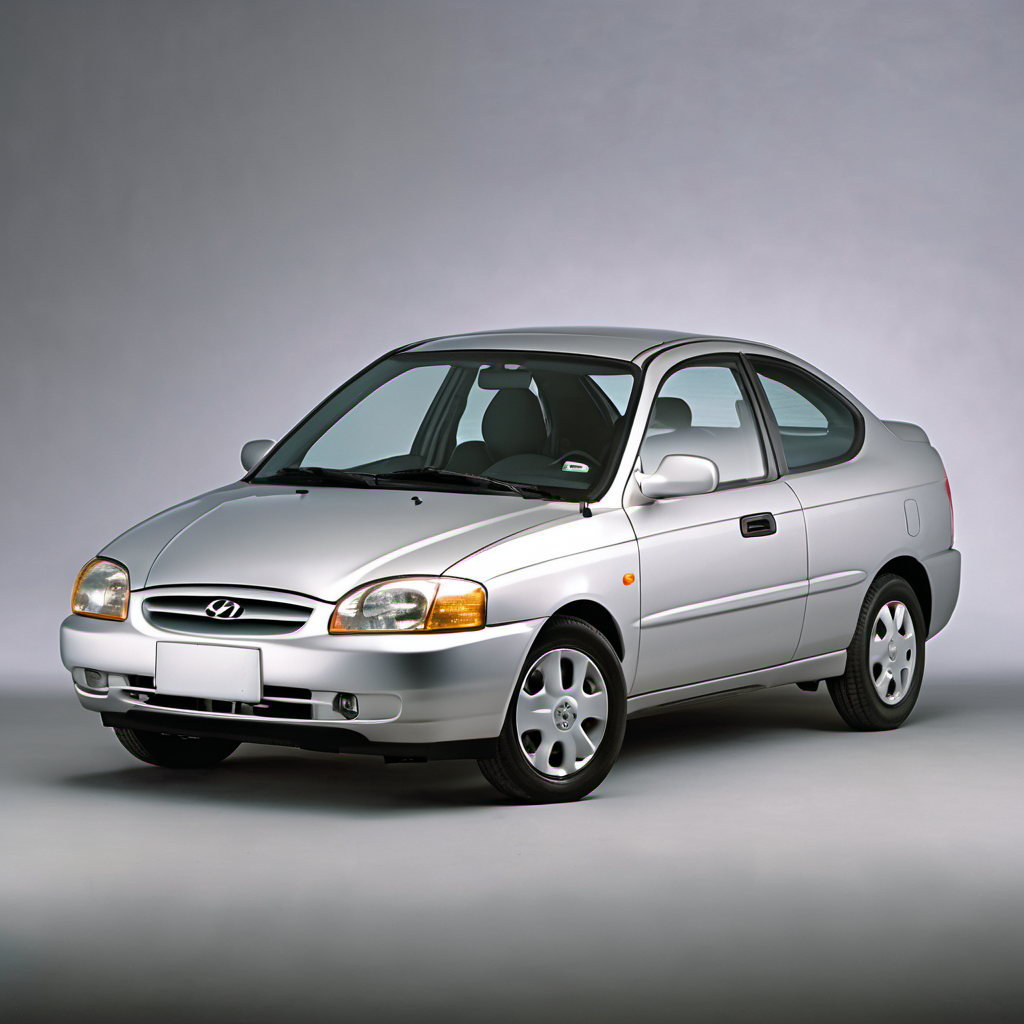
Seasonal care

Lake Geneva, WI
Winter
  • Test the battery every fall — the 1.5L needs strong cold-cranking amps to start reliably at sub-zero Lake Geneva temperatures. Replace any battery over 3 years old proactively.
  • Switch to a full-synthetic 5W-30 oil if not already using it — conventional oil thickens in extreme cold and delays lubrication on startup.
  • Inspect and refill windshield washer fluid with a rated -20°F or lower formula. The Lanos has a small reservoir and runs through it fast in winter spray conditions.
  • Check all rubber door and trunk seals — cracked seals allow moisture intrusion and doors can freeze shut. A light silicone treatment helps.
  • Inspect brake lines and fuel lines for rust perforation every fall — this car's age and Wisconsin salt history make line failure a real possibility.
  • Fit dedicated winter tires if the car will be driven regularly in snow. The stock all-season tires on most surviving examples are likely aged and should be replaced regardless.
Summer
  • Inspect the cooling system hoses and clamps before summer heat — cracked or soft hoses on a 20+ year old car are a breakdown waiting to happen.
  • Check tire pressure after significant temperature swings — pressure rises roughly 1 PSI for every 10°F of temperature increase and the Lanos has a small, low-capacity cooling margin.
  • Have the A/C system checked for refrigerant level and compressor function if it hasn't been serviced recently — R-134a systems this old often have slow leaks.
  • Inspect the serpentine and timing belt for cracking or glazing before summer highway driving — heat accelerates belt degradation.

Comparable vehicles

If you're shopping for one

Red flags
  • Any rust through the floorpan or structural rocker panels — walk away, the repair cost exceeds the car's value.
  • Unknown timing belt history — interference engine means one failure destroys the motor.
  • Oil that looks milky or coolant with an oily sheen — signs of head gasket failure, which is a near-total-loss repair on this vehicle.
  • Deferred maintenance of any kind — on a 20+ year old Daewoo, the margin for neglect is essentially zero.
  • Missing or unavailable parts mid-repair — always verify part availability before committing to a purchase or repair job on this vehicle.
What to inspect
  • Timing belt service history — if unknown, assume it's due immediately and price it into any offer.
  • Underbody and floorpan for rust perforation, especially around the rocker panels, rear wheel arches, and brake/fuel lines.
  • Cooling system condition: look for coolant leaks, oil in the coolant (head gasket), and hose condition.
  • Tire age (check the DOT date code on the sidewall) — rubber over 6 years old should be replaced regardless of tread depth.
  • All rubber: door seals, CV axle boots, suspension bushings — on a 20+ year old car, these are almost certainly original.
  • Working heat and A/C — repairs on this car can be disproportionately expensive due to parts scarcity.
AI profile generated 11 days ago · claude-sonnet-4-6 · v2.