Intake manifold gasket leak (coolant and/or vacuum)
high- Typically appears
- 80–130k mi
- Estimated repair
- $250 – $500
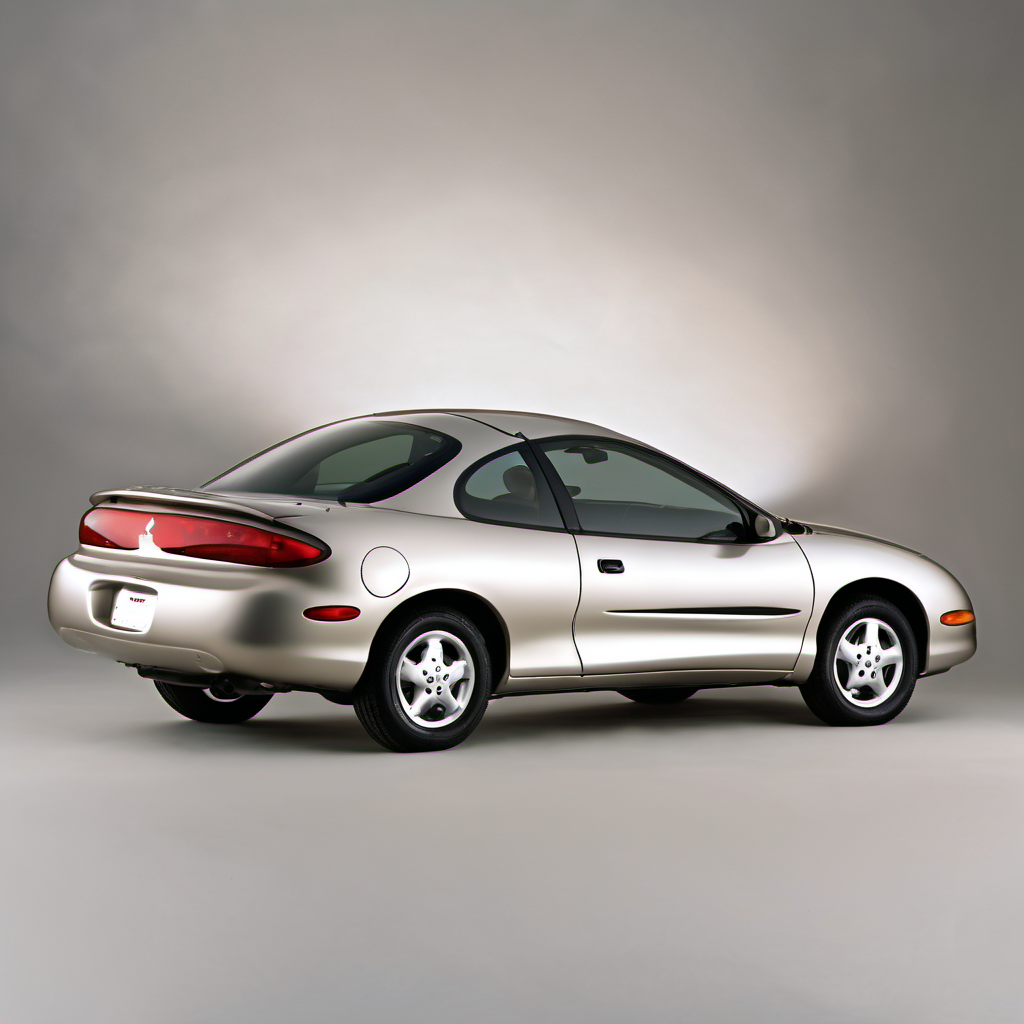
2001 Pontiac
Coupe
The 2001 Pontiac Sunfire Coupe is a front-wheel-drive compact built on GM's J-body platform, sharing its bones with the Chevrolet Cavalier. It was Pontiac's entry-level offering aimed squarely at budget-conscious buyers who needed basic transportation with a sporty look. The 2.2L pushrod four-cylinder is simple and parts are everywhere, which keeps repair bills down even two decades later. By 2001 the Sunfire was already a mature (some would say aging) design — it debuted in 1995 and ran mostly unchanged through 2005. That longevity means there are no big surprises: the car's strengths and weaknesses are well-documented. Expect modest performance, adequate fuel economy, and a spartan interior. It's not exciting, but an honest, well-maintained example can still do daily-driver duty reliably. At this age, condition and maintenance history matter far more than anything else. Most surviving Sunfires have absorbed years of Wisconsin salt, which shows in the rocker panels, wheel wells, and brake hardware. Inspect carefully before buying.
The 2001 Pontiac Sunfire Coupe is a front-wheel-drive compact built on GM's J-body platform, sharing its bones with the Chevrolet Cavalier. It was Pontiac's entry-level offering aimed squarely at budget-conscious buyers who needed basic transportation with a sporty look. The 2.2L pushrod four-cylinder is simple and parts are everywhere, which keeps repair bills down even two decades later. By 2001 the Sunfire was already a mature (some would say aging) design — it debuted in 1995 and ran mostly unchanged through 2005. That longevity means there are no big surprises: the car's strengths and weaknesses are well-documented. Expect modest performance, adequate fuel economy, and a spartan interior. It's not exciting, but an honest, well-maintained example can still do daily-driver duty reliably. At this age, condition and maintenance history matter far more than anything else. Most surviving Sunfires have absorbed years of Wisconsin salt, which shows in the rocker panels, wheel wells, and brake hardware. Inspect carefully before buying.
Degraded DexCool becomes acidic and attacks the intake manifold gasket and head gasket. This is the single biggest preventable failure on the 2.2L OHV.
The 2.2L OHV has no variable valve timing or turbo — conventional oil at a short interval keeps sludge away and keeps the engine happy.
A snapped belt kills the alternator, power steering, and water pump at once. Cold Wisconsin winters make old belts brittle.
Steel brake lines on J-body cars rust from the inside out due to road salt. A failed brake line is a safety emergency — catch it early.
The distributor-less coil pack on the 2.2L OHV is sensitive to worn plugs and cracked plug wires — misfires show up quickly when these are neglected.
FWD cars chew front tires quickly. Rotation extends tire life; alignment catches suspension wear before it becomes a handling problem.
A battery that tests fine in September can fail at -10°F in January. The 2.2L OHV needs a strong crank in cold starts. Replace any battery over 4–5 years old.
Salt buildup accelerates rust on subframe, brake hardware, and rocker seams. A $10 undercarriage wash can add years of life to the structure.
Always defer to the manufacturer's service manual for warranty-mandated intervals.
The Sunfire's biggest ownership advantage is its low cost of everything: parts are cheap, insurance is cheap, and the engine rarely needs exotic repairs. The wildcard at this age is rust. A single rusted-through brake line or rotted subframe mount can cost more than the car is worth. Budget an extra $300–$600 per year for age-related wear items (brakes, belts, hoses, wheel bearings) that need proactive replacement on any 20-plus-year-old vehicle.
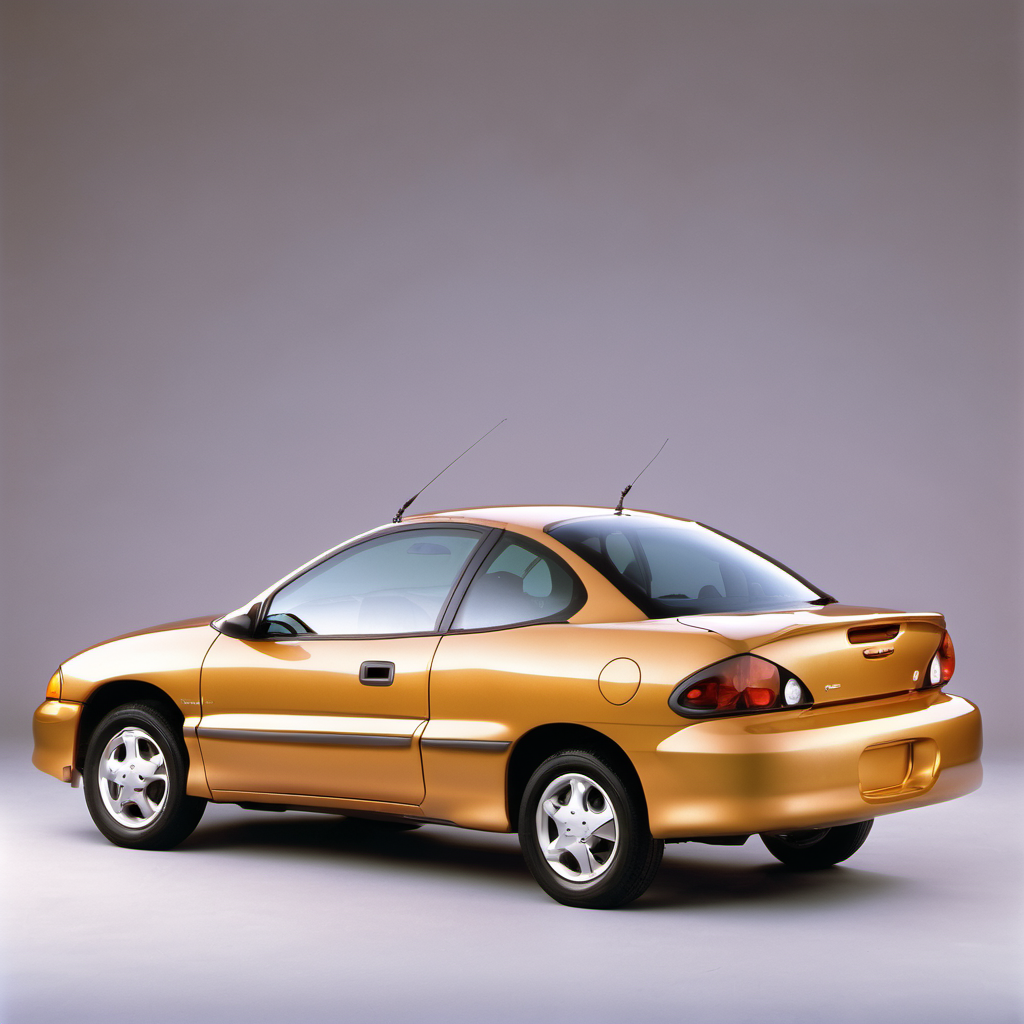
Literally the same car under the skin — same J-body platform, same engine options, same parts bin. Cavalier coupes typically sell for the same money and share every repair procedure.
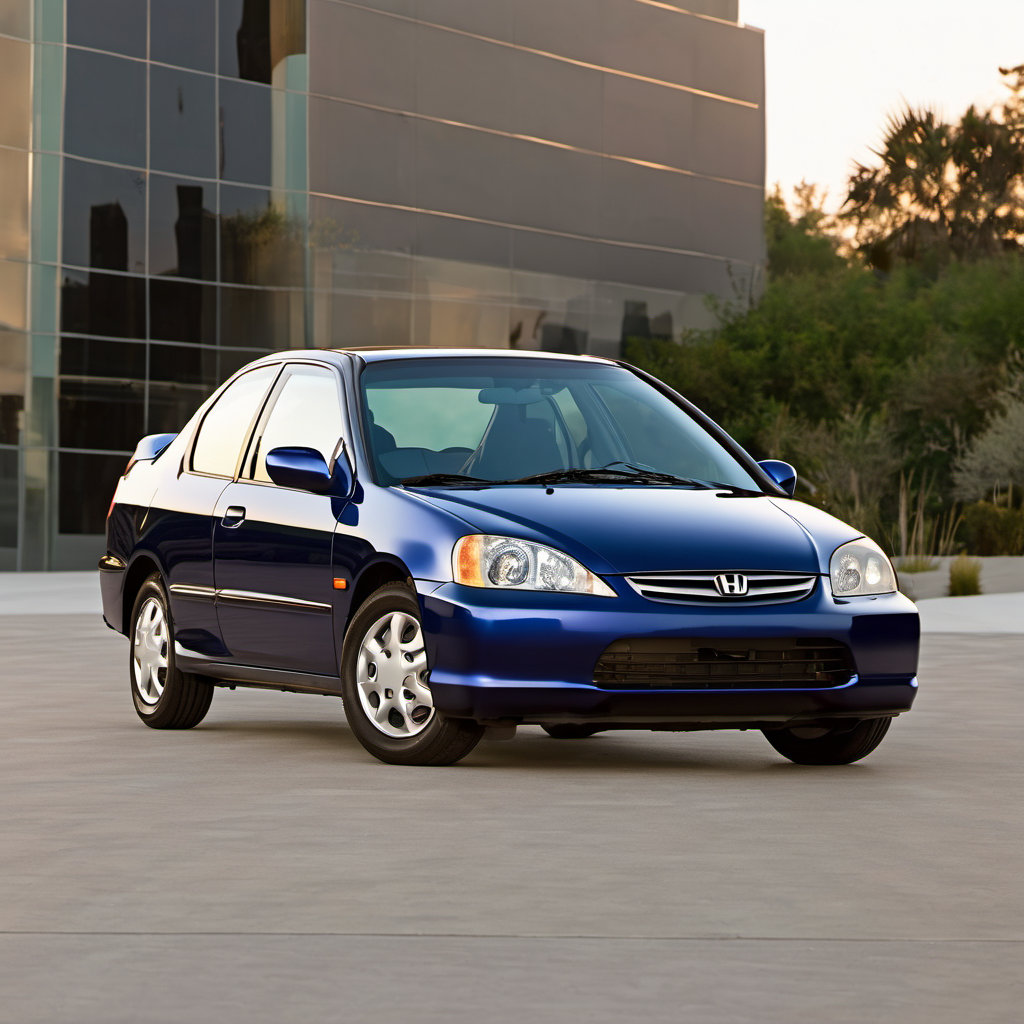
A step up in long-term reliability and resale value, usually priced a bit higher used. Better rust resistance and a stronger reputation past 200k mi make it worth the premium if budget allows.
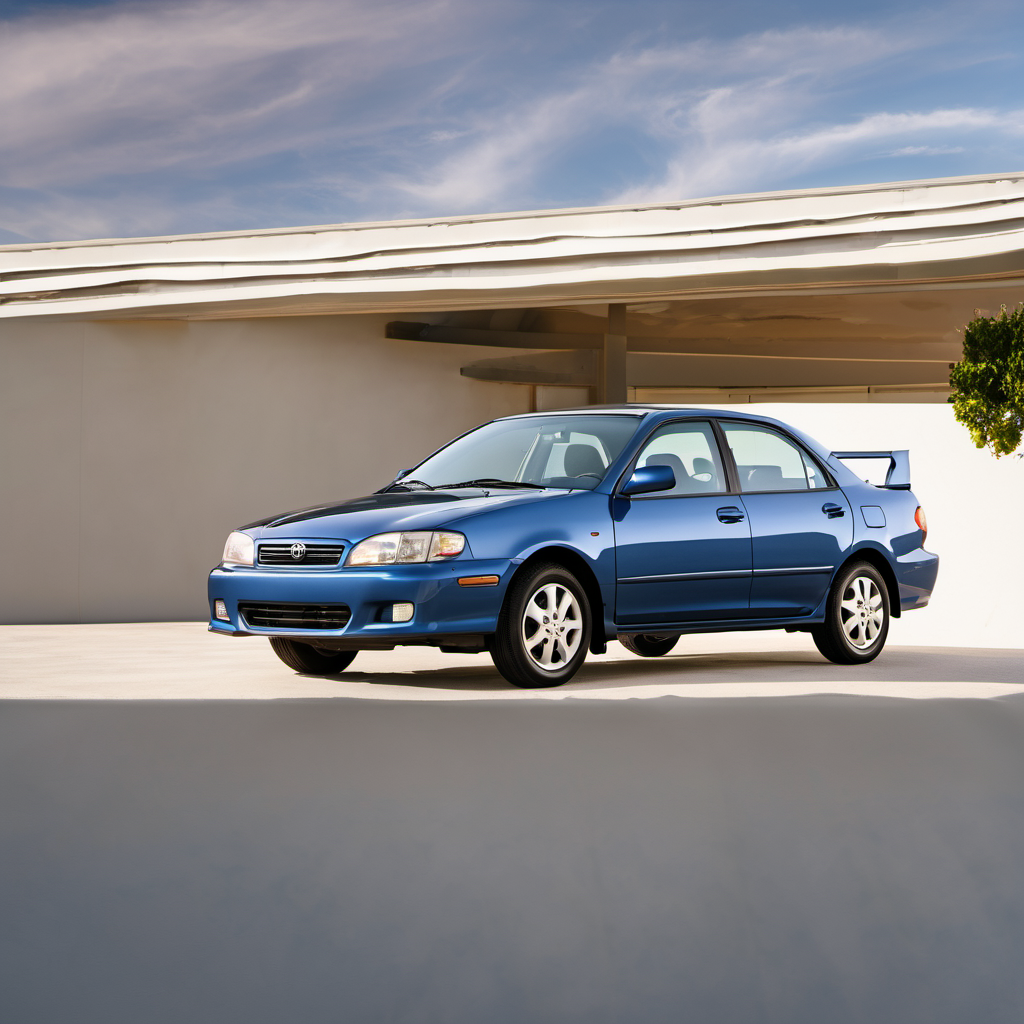
Similar size and mission, significantly stronger reliability record. Parts are slightly more expensive than the Sunfire but failures are far less frequent — lower total cost of ownership over time.
Another GM compact coupe from the same era at similar price points. Saturn's polymer body panels resist rust better than the Sunfire's steel, a meaningful advantage in Wisconsin.
No catalog match