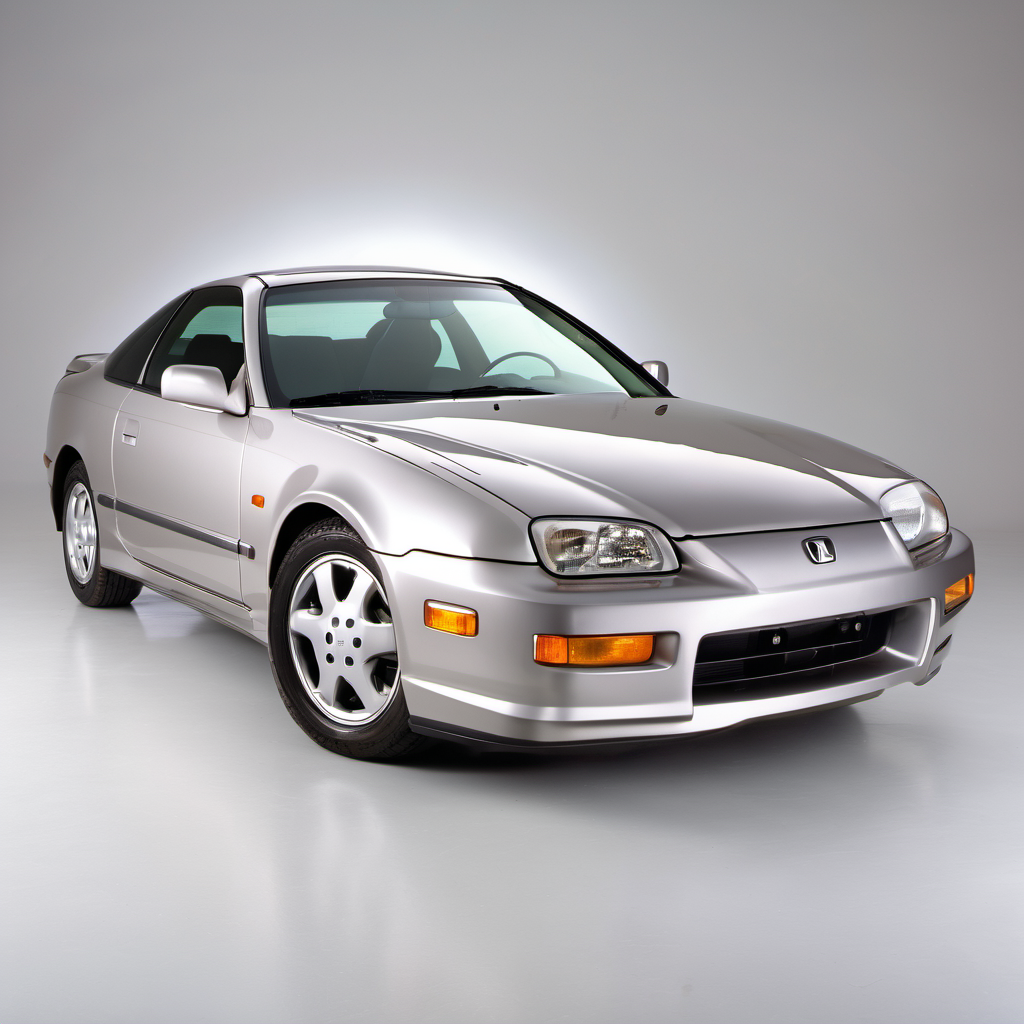
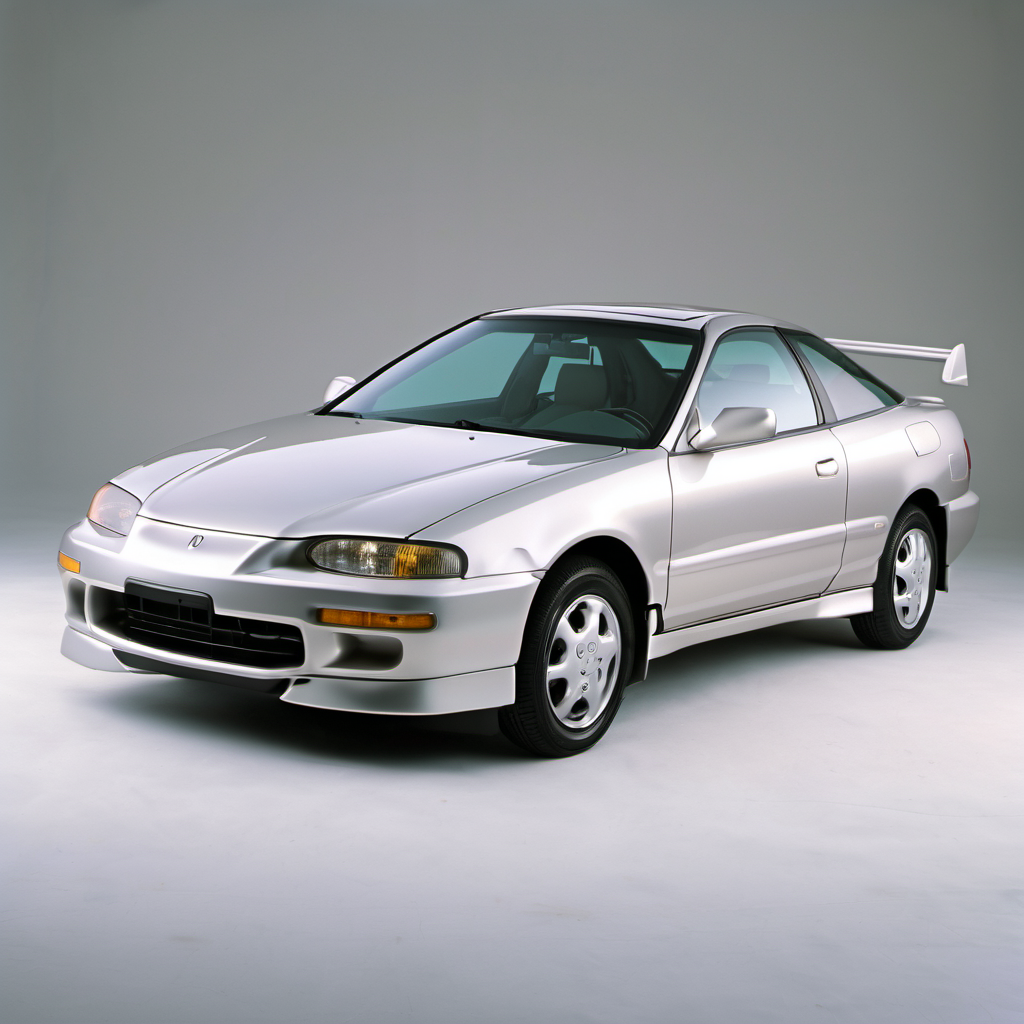
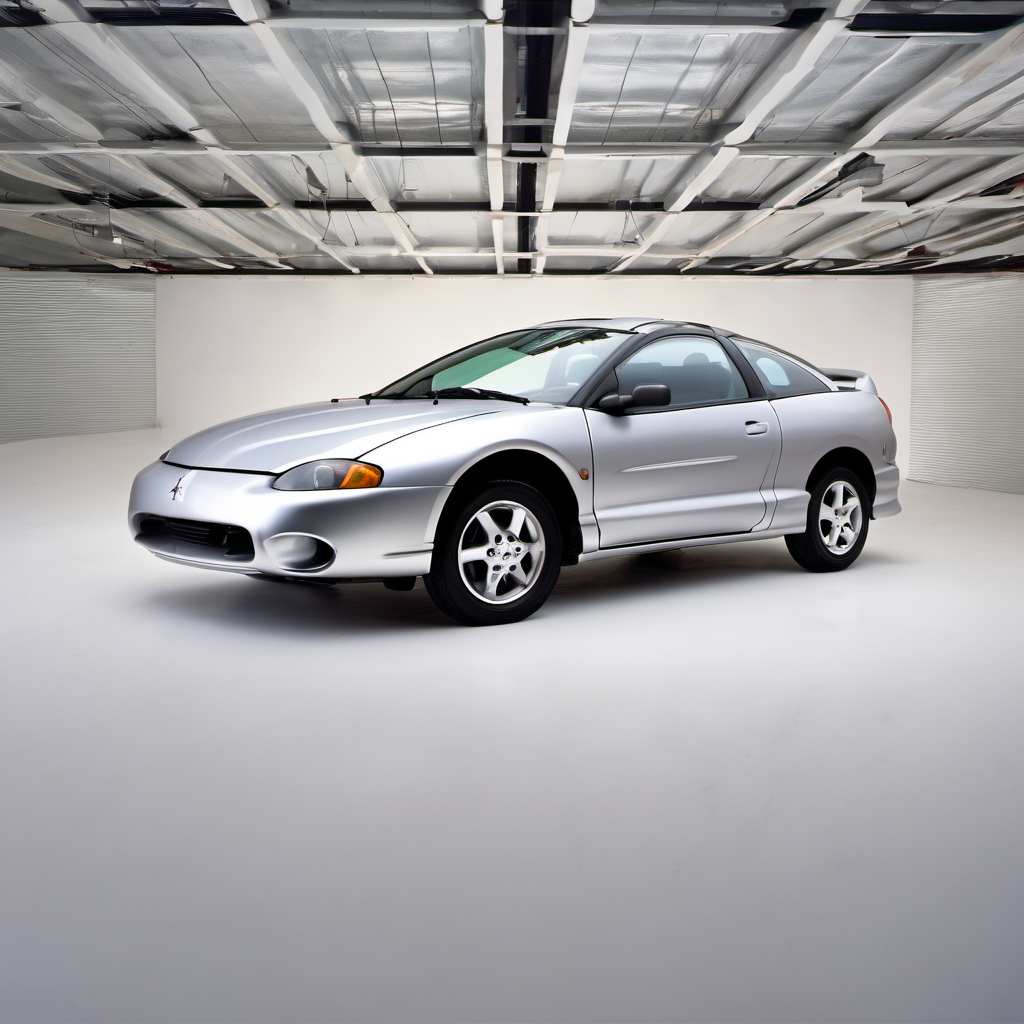
2000 Honda Prelude Coupe

2000 Honda

PreludeCoupe

Coupe

The 2000 Honda Prelude is the final model year of the fifth-generation Prelude, a nameplate Honda discontinued after 2001. It's a front-wheel-drive sport coupe built around Honda's acclaimed 2.2L DOHC VTEC four-cylinder — one of the most rev-happy naturally aspirated engines of its era. With a low-slung profile, precise rack-and-pinion steering, and available 4-wheel steering (4WS) on earlier trims, the Prelude punched above its weight as a driver's car. By 2000, Honda had refined the platform to a mature point — fit and finish were excellent, the cabin was tight and purposeful, and the H22A4 engine was well-sorted. This is not a utility vehicle or a family hauler. It's a two-door coupe with a small back seat, built for someone who enjoys driving. At 20+ years old, survivorship is real — most examples still on the road have been cared for by enthusiast owners, but plenty have also been beaten, modified, or deferred on maintenance. Buy carefully.

Reliability
4/5
Verified data
Specs shown for Prelude — the most common configuration. Other trims may vary in engine, drivetrain, or fuel economy. Sign in to see your vehicle's exact specs.
Engine
[object Object]
Drivetrain
FWD
Fuel
Premium gasoline
MPG
19 city / 24 hwy / 21 combined
Seats
Doors
Body
Subcompact Cars

Overview

AI-curated

The 2000 Honda Prelude is the final model year of the fifth-generation Prelude, a nameplate Honda discontinued after 2001. It's a front-wheel-drive sport coupe built around Honda's acclaimed 2.2L DOHC VTEC four-cylinder — one of the most rev-happy naturally aspirated engines of its era. With a low-slung profile, precise rack-and-pinion steering, and available 4-wheel steering (4WS) on earlier trims, the Prelude punched above its weight as a driver's car. By 2000, Honda had refined the platform to a mature point — fit and finish were excellent, the cabin was tight and purposeful, and the H22A4 engine was well-sorted. This is not a utility vehicle or a family hauler. It's a two-door coupe with a small back seat, built for someone who enjoys driving. At 20+ years old, survivorship is real — most examples still on the road have been cared for by enthusiast owners, but plenty have also been beaten, modified, or deferred on maintenance. Buy carefully.

Known for
  • H22A4 DOHC VTEC engine with a strong top-end power band
  • Excellent steering feel and chassis balance for a FWD coupe
  • Long-term mechanical durability when properly maintained
  • Tight, driver-focused interior with supportive sport seats
  • Final-year refinement of Honda's beloved Prelude platform
Best for
  • Enthusiast drivers who want an engaging, analog sport coupe
  • Owners comfortable doing some DIY maintenance
  • Buyers looking for a reliable daily driver with personality
  • Honda/VTEC fans who want a collectible piece of late-90s engineering
Watch for
  • High-mileage examples with unknown oil change history — VTEC depends on clean oil
  • Modifications from previous performance-minded owners that may void reliable operation
  • Rust on rocker panels, rear wheel wells, and undercarriage from road salt exposure
  • Worn or neglected timing belt — this is an interference engine and a broken belt is catastrophic
  • Aftermarket ECU tunes or intake/exhaust swaps that can mask underlying engine issues

Common issues by mileage

6 known

Timing Belt Failure (Interference Engine)

high
Typically appears
90–105k mi intervals
Estimated repair
$350 – $600

VTEC Solenoid / Oil Pressure Switch Failure

medium
Typically appears
80–150k mi
Estimated repair
$80 – $250

Camshaft Position Sensor / VTC Timing Issues

medium
Typically appears
100–180k mi
Estimated repair
$100 – $400

Oxygen Sensor Heater Circuit Failure

medium
Typically appears
100–160k mi
Estimated repair
$80 – $200

Suspension Bushing and Ball Joint Wear

high
Typically appears
120k+ mi
Estimated repair
$300 – $800

Radiator Leak / Cooling System Deterioration

high
Typically appears
150k+ mi or 15+ years
Estimated repair
$200 – $550

Maintenance schedule

  1. 1
    Every 90,000 miles or 7 years, whichever comes first Timing Belt & Water Pump Replacement

    The H22A4 is an interference engine — if the belt snaps, valves meet pistons and the engine is destroyed. Always replace the water pump at the same time since it's driven by the same belt. Demand receipts when buying used.

  2. 2
    Every 5,000 miles Engine Oil Change (full synthetic, 5W-30)

    VTEC engagement relies on oil pressure through small passages. Dirty or low oil kills VTEC solenoids and accelerates cam wear. Don't stretch intervals on this engine.

  3. 3
    Every 5 years or 60,000 miles Coolant Flush

    Honda's cooling systems corrode from the inside out when coolant is neglected. Old coolant turns acidic and attacks the aluminum head and radiator. Use Honda-spec coolant.

  4. 4
    Every 30,000 miles Spark Plug Replacement

    The VTEC engine rewards fresh plugs with crisp throttle response and full power delivery across the rev range. Use the factory-specified iridium or NGK plugs.

  5. 5
    Every 2–3 years Brake Fluid Flush

    Brake fluid absorbs moisture over time, lowering boiling point. In a sport coupe that may see spirited driving, degraded fluid is a safety risk.

  6. 6
    Every 30,000–45,000 miles Transmission Fluid Change (manual)

    Honda's manual transmissions shift best with fresh Honda MTF. Third gear synchro wear is a known grumble on high-mileage units — regular fluid changes slow this.

  7. 7
    Every spring in Wisconsin Underbody / Rocker Panel Inspection for Rust

    Road salt attacks the Prelude's rocker panels and rear wheel arches. Catching surface rust early with a wire brush and rust converter saves hundreds versus structural repairs later.

  8. 8
    Every 30,000 miles or annually Drive Axle / CV Boot Inspection

    Torn CV boots allow grease to fling out and let grit in, destroying the joint. At this age, inspect both inner and outer boots every year and replace promptly if cracked.

Always defer to the manufacturer's service manual for warranty-mandated intervals.

Cost of ownership

Annual maintenance
$400 – $900
Fuel
Premium gasoline recommended. At 21 MPG combined and ~15,000 mi/year, expect roughly $2,000–$2,400/year at current upper Midwest pump prices.
Insurance
Generally low — it's an older two-door with modest book value, though sport-coupe surcharges apply for younger drivers. Expect $800–$1,400/year for full coverage on a clean driving record.

The Prelude is cheap to own in a normal year — parts are widely available, labor is straightforward for a competent independent shop, and the engine doesn't have exotic components. The big cost spikes come from deferred timing belt work, suspension refreshes on high-mileage cars, and rust repair if underbody corrosion is ignored. Budget for a one-time suspension and cooling system refresh on any example over 150k miles.
Seasonal care

Lake Geneva, WI
Winter
  • Switch to a full synthetic 5W-30 if not already — cold Wisconsin starts are brutal on conventional oil and VTEC oil passages need quick pressure at startup.
  • Test the battery before November. A battery over 4 years old in sub-zero temps will leave you stranded. The Prelude's low nose means jumper cable access is awkward.
  • Fill the washer reservoir with a -25°F or better rated fluid. The low cowl on this coupe means spray hits the windshield hard at highway speed.
  • Inspect the undercarriage and rocker panels before and after winter — Lake Geneva road salt is aggressive. Touch up any exposed metal before the season starts.
  • Consider a dedicated set of winter tires on steel wheels. The Prelude's low-profile sport tires have minimal snow traction and the FWD system offers no all-terrain advantage.
  • Check all weatherstripping around the doors and hatch — dried-out seals on a 20+ year old car let cold air and moisture into the cabin and can freeze the door shut.
Summer
  • Inspect the coolant level and condition before summer heat — a leaking or aging radiator on a 20-year-old car will boil over in stop-and-go traffic.
  • Check tire pressure monthly. Summer heat increases pressure; overinflated tires on a sport coupe reduce the contact patch and affect handling.
  • Test A/C refrigerant charge early in the season. The Prelude's R-134a system seals deteriorate with age and low charge hurts both cooling and compressor life.
  • Inspect the serpentine and accessory belts for cracking — heat accelerates belt aging and a snapped belt kills the A/C, alternator, and power steering at once.

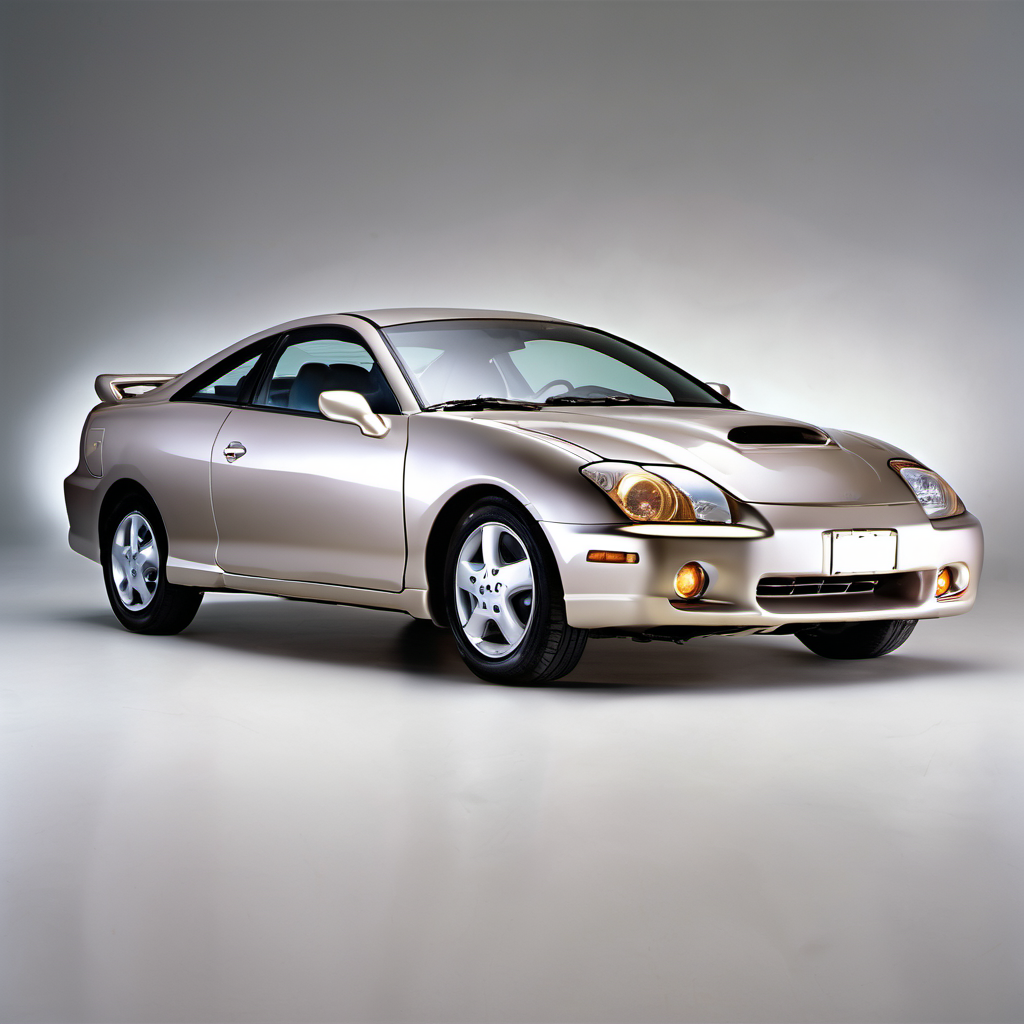
Comparable vehicles

If you're shopping for one

Red flags
  • No timing belt records on a car with over 90,000 miles — this is a must-have document on an interference engine.
  • Aftermarket ECU, standalone engine management, or evidence of forced induction (turbo/supercharger) — signals the engine has been stressed beyond stock parameters.
  • Milky or foamy oil on the dipstick — potential head gasket failure, which is expensive on this engine.
  • Excessive rust on the undercarriage, especially rocker panels and subframe mounting points — structural rust is a safety issue and a money pit in this region.
  • Check engine light on at time of sale — on a 2000 OBD-II car, a stored code should be read before purchase, not explained away.
  • Odometer rollback signs: worn pedals, cracked/shiny steering wheel, and worn seat bolsters that don't match a claimed low mileage.
What to inspect
  • Ask for all timing belt service records — no receipt means assume it's never been done and factor $450–$600 into your offer immediately.
  • Start the engine cold and listen for a ticking top end — a noisy valvetrain on cold start that quiets with warm-up suggests oil sludge or worn cam followers.
  • Rev it past 5,500 RPM with the owner present and feel for the VTEC crossover — a hesitation or no power increase can indicate a failed solenoid or low oil pressure.
  • Get under the car and poke the rocker panels and rear wheel arches. Soft metal = rust perforation. Walk away from a car with structural rust in Wisconsin.
  • Check all four corners of the undercarriage for CV boot condition — cracked or missing boots on a 20-year-old car are a given if not recently replaced.
  • Inspect the radiator overflow reservoir — brown sludge or oily residue can signal a head gasket leak or long-neglected coolant.
  • Test every electrical function: power windows, mirrors, sunroof if equipped. These motors are aging and replacements require hunting used parts.
  • If the car has been lowered or has aftermarket wheels, budget for an alignment and a thorough suspension inspection — sport coupe geometry is unforgiving when worn.
AI profile generated 1 hr ago · claude-sonnet-4-6 · v2.