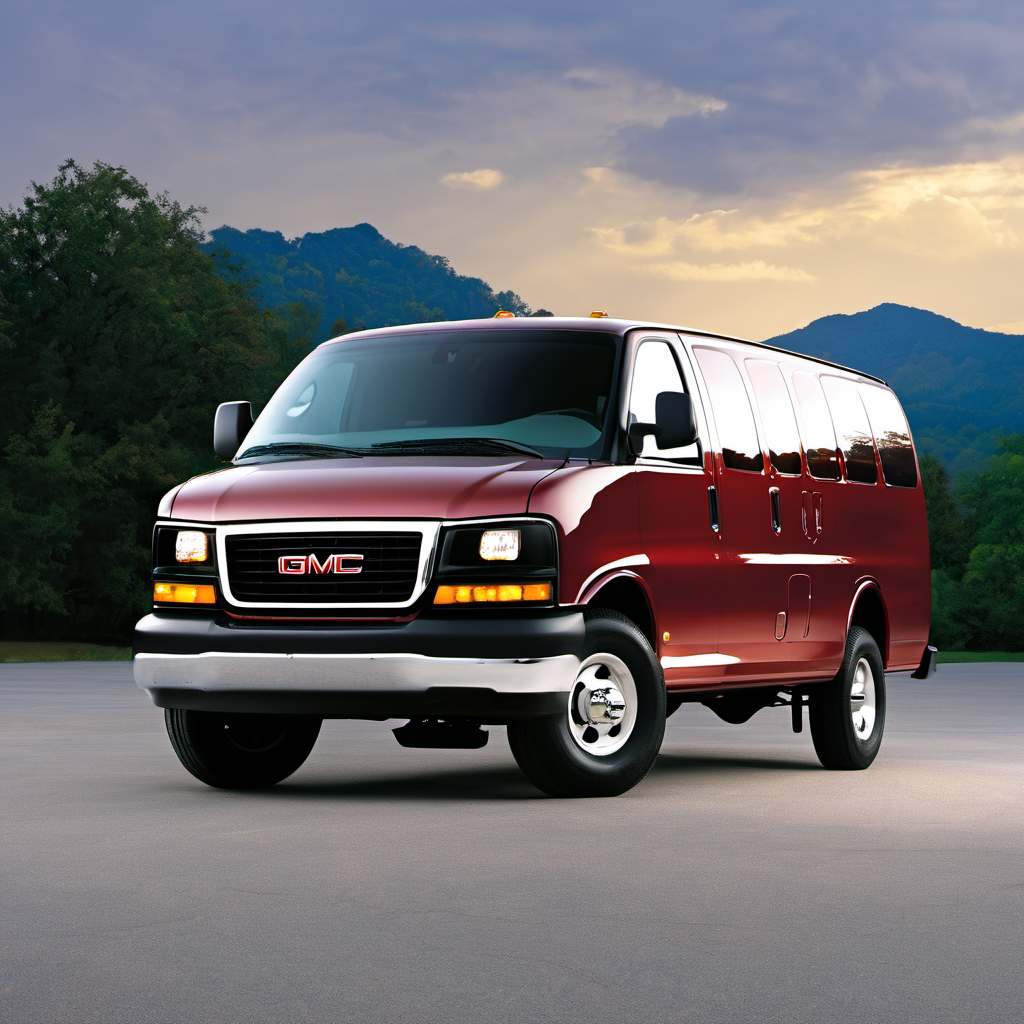
2000 GMC Savana 3500 Passenger Van/Minivan

2000 GMC

Savana 3500 PassengerVan/Minivan

5.7L V8 Vortec · Van/Minivan

The 2000 GMC Savana 3500 Passenger Van is a full-size, body-on-frame van built on GM's G-Van platform — the same bones shared with the Chevrolet Express. The 3500 series is the heavy-duty variant, rated for higher gross vehicle weight and capable of carrying up to 15 passengers. It was a go-to choice for churches, shuttle services, hotels, and large families needing serious hauling muscle without moving to a cutaway bus. Under the hood, most Savana 3500s from this era came with GM's proven 5.7L Vortec V8 or the optional 7.4L big-block V8, both mated to a 4-speed automatic transmission. These are old-school, relatively simple powertrains with a long track record in commercial service. The 3500's heavier-duty suspension, larger brakes, and dual rear wheels (on dually configs) set it apart from the lighter 1500 and 2500 variants. At 24 years old, any surviving Savana 3500 has seen serious miles and likely commercial use. Rust, worn chassis components, and deferred maintenance are the rule rather than the exception. That said, a well-maintained example with a solid engine can still serve faithfully — these trucks were built to be repaired, not replaced.

Reliability
3/5
Verified data
Engine
5.7L V8 Vortec
Drivetrain
RWD
Fuel
Gasoline
MPG
11 city / 15 hwy / 12 combined
Seats
15
Doors
4
Body
Van
MSRP
$28,500

Overview

AI-curated

The 2000 GMC Savana 3500 Passenger Van is a full-size, body-on-frame van built on GM's G-Van platform — the same bones shared with the Chevrolet Express. The 3500 series is the heavy-duty variant, rated for higher gross vehicle weight and capable of carrying up to 15 passengers. It was a go-to choice for churches, shuttle services, hotels, and large families needing serious hauling muscle without moving to a cutaway bus. Under the hood, most Savana 3500s from this era came with GM's proven 5.7L Vortec V8 or the optional 7.4L big-block V8, both mated to a 4-speed automatic transmission. These are old-school, relatively simple powertrains with a long track record in commercial service. The 3500's heavier-duty suspension, larger brakes, and dual rear wheels (on dually configs) set it apart from the lighter 1500 and 2500 variants. At 24 years old, any surviving Savana 3500 has seen serious miles and likely commercial use. Rust, worn chassis components, and deferred maintenance are the rule rather than the exception. That said, a well-maintained example with a solid engine can still serve faithfully — these trucks were built to be repaired, not replaced.

Known for
  • Proven Vortec V8 powertrains with high-mileage durability
  • True 12–15 passenger capacity in a body-on-frame package
  • Heavy-duty suspension and braking for loaded operation
  • Simple, mechanic-friendly architecture with widespread parts availability
  • Long commercial service life when maintained
Best for
  • Shuttle and transport operators needing maximum seating
  • Churches, schools, and nonprofits running group trips
  • Large families or contractors needing cargo + passenger flexibility
  • Buyers who want a repairable, parts-common work vehicle
Watch for
  • Severe frame and rocker panel rust, especially on Midwest/salt-belt examples
  • Unknown or deferred maintenance history from fleet/commercial use
  • Worn rear leaf springs and shock absorbers from years of loaded use
  • Fuel tank strap and filler neck corrosion common in northern climates
  • Aging HVAC blower and rear heater cores on high-mileage units

Common issues by mileage

6 known

Frame and Underbody Rust

high
Typically appears
All mileages — age-driven
Estimated repair
$500 – $4,000

Rear Leaf Spring Sag and Shackle Wear

high
Typically appears
80,000–150k+ mi
Estimated repair
$400 – $1,200

Intake Manifold Gasket Leak (5.7L Vortec)

high
Typically appears
60,000–120k mi
Estimated repair
$400 – $750

Fuel Pump Failure (In-Tank)

medium
Typically appears
80,000–150k mi
Estimated repair
$350 – $650

Front Brake Caliper Seizure and Rotor Wear

high
Typically appears
60,000–100k mi
Estimated repair
$300 – $800

Transmission Shift Solenoid / 4L80-E Service

medium
Typically appears
100,000–180k mi
Estimated repair
$300 – $2,500

Maintenance schedule

  1. 1
    Every 5,000 miles or 6 months Engine Oil and Filter Change

    The 5.7L Vortec runs hot under load. Conventional oil degrades faster in a working van. Don't stretch intervals on a 24-year-old engine.

  2. 2
    Every 2 years or 30,000 miles Coolant System Service (flush and pressure test)

    Dex-Cool in older GM engines is notorious for sludging when mixed with air or leaks. On a van this age, flush with distilled water and refill with fresh coolant. Pressure-test for the intake manifold gasket leak these engines are known for.

  3. 3
    Every 30,000 miles Transmission Fluid and Filter Change

    The 4L80-E is a durable transmission but demands clean fluid. Fleet vans towing or running loaded routes cook fluid fast. Drop the pan, replace the filter, and refill with Dexron VI.

  4. 4
    Every 30,000 miles Fuel Filter Replacement

    The in-line fuel filter protects the in-tank pump. On a 24-year-old van, a clogged filter is a common cause of pump failure — a cheap filter beats a $500 pump replacement.

  5. 5
    Every 15,000 miles or annually Brake Inspection (pads, rotors, calipers, lines)

    Loaded passenger use destroys brakes faster than typical. Inspect for caliper seizure, cracked rubber brake lines (age-related), and rotor thickness. Brake lines on salt-belt vans rust from the outside.

  6. 6
    Every 5,000 miles or with each oil change Full Chassis Lubrication (grease fittings, ball joints, tie rods)

    The G-van chassis has multiple grease fittings. On a vehicle this age, dried-out joints crack and fail fast in Wisconsin winters. Don't skip this.

  7. 7
    Every 30,000 miles Spark Plug and Wire Replacement

    The 5.7L Vortec uses conventional copper plugs. On a 2000 model, there's a good chance plugs haven't been touched in years. Old wires cause misfires and rough cold starts in sub-zero weather.

  8. 8
    Every fall, before winter Battery Load Test and Cable Inspection

    A 5.7L V8 cranking in single-digit Wisconsin temps needs a strong battery. Test load capacity every autumn. Inspect cable ends and ground straps for corrosion — common on vans this age.

Always defer to the manufacturer's service manual for warranty-mandated intervals.

Cost of ownership

Annual maintenance
$900 – $2,800
Fuel
Expect 11–13 MPG in real-world mixed driving with any load. At current Wisconsin fuel prices, budget $3,500–$5,500/year for a typical 15,000-mile driving pattern.
Insurance
Commercial or 15-passenger van rates apply if used for transport. Personal-use rates are moderate given the vehicle's age and value. Expect $900–$1,800/year depending on use classification and driver history.

A 2000 Savana 3500 is cheap to acquire but carries real operating costs. Fuel economy is poor by any modern standard, and at 24 years old, deferred maintenance items can stack up fast. Budget for surprises — a rust repair job, a fuel pump, or a brake line replacement can all hit in the same season. Parts are inexpensive and widely available, which keeps labor costs manageable at an independent shop. Total annual cost of ownership (fuel + insurance + maintenance) can easily reach $6,000–$9,000 for a vehicle in regular use.
Seasonal care

Lake Geneva, WI
Winter
  • Load-test the battery every fall — a V8 this size demands a strong battery to crank in sub-zero temps; replace anything below 70% capacity
  • Switch to a 5W-30 or 0W-30 oil weight for cold-start protection; the 5.7L Vortec is slow to pump oil when cold if summer-weight oil is left in
  • Flush wiper fluid reservoir and refill with -40°F rated fluid; the van's tall windshield ices over fast and stock nozzles clog with frozen fluid
  • Inspect and treat door, cargo, and sliding door seals with silicone lubricant — they freeze shut and tear when forced open in hard freezes
  • Inspect brake lines and fuel tank straps for rust perforation before winter — salt accelerates existing corrosion and brake line failures happen suddenly
  • Check block heater function if equipped; plugging in overnight when temps drop below 10°F dramatically reduces starter and engine wear on cold mornings
Summer
  • Check tire pressure monthly — van tires at max load ratings lose pressure in heat and cause handling instability with a full passenger load
  • Inspect the A/C system (compressor, belt, cabin filter, refrigerant charge) before peak summer; a full van with no A/C is both miserable and a safety concern for passengers
  • Check coolant level and watch for any sweet smell or white smoke — the intake manifold gasket issue on the 5.7L Vortec gets worse under sustained heat load
  • Inspect the rear HVAC unit and heater core connections; rear climate systems on passenger vans are neglected and leak coolant internally onto flooring

Comparable vehicles

2000 Chevrolet Express 3500
2000 Chevrolet
Express 3500

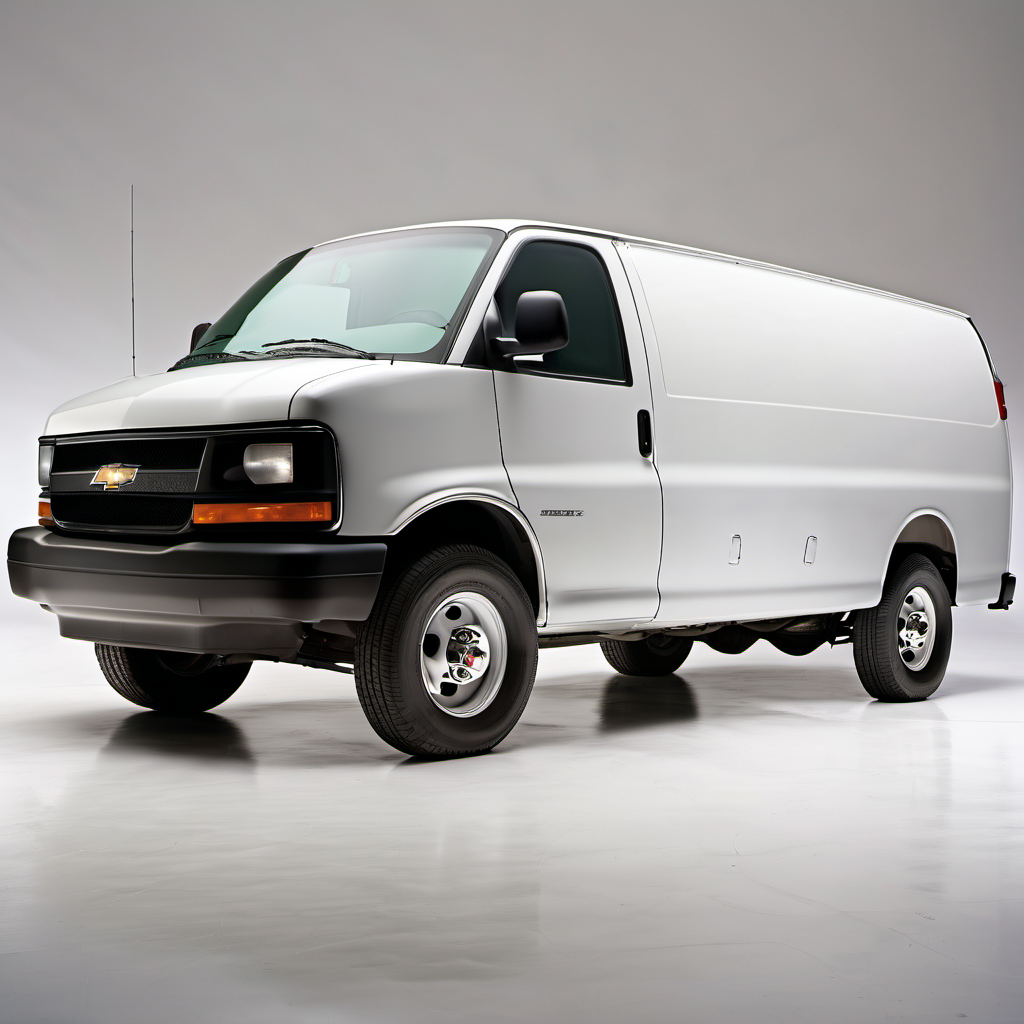
Mechanically identical platform — same Vortec V8, same 4L80-E transmission, same chassis. Parts are completely interchangeable. Only the badges differ.

2000 Ford
E-350 Super Duty

Ford's full-size passenger van competitor. Similar 15-passenger capacity and heavy-duty rating. The 5.4L or 6.8L V10 are the comparable engine choices. Parts ecosystem is equally strong.

No catalog match
2000 Dodge Ram Van 3500
2000 Dodge
Ram Van 3500

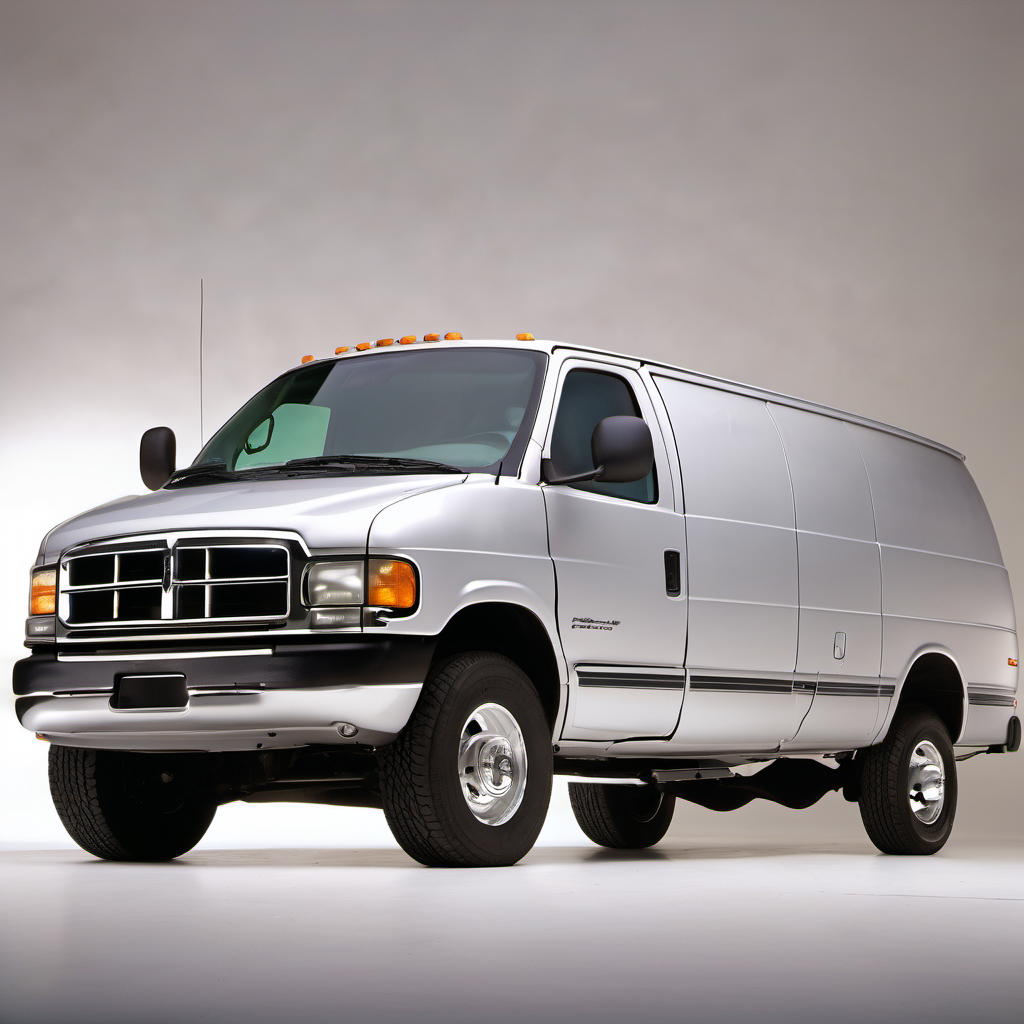
Dodge's B-van platform was the third major full-size passenger van option in this era. Smaller parts network than GM or Ford, but comparable passenger capacity and drivetrain simplicity.

2000 Ford
E-150 Club Wagon

If 15-passenger capacity isn't required, the lighter-duty Club Wagon offers similar van utility with better fuel economy and a more manageable size for non-commercial use.

No catalog match

If you're shopping for one

Red flags
  • No maintenance records — a 24-year-old fleet van with no paper trail has almost certainly had deferred service
  • Any visible frame rust-through or weld repairs on frame rails — walk away
  • Coolant that is brown, milky, or low with no explanation
  • Transmission that slips, clunks into gear, or hesitates between shifts
  • A van that sat unused for more than 6 months — flat-spotted tires, dried seals, varnished fuel, and gummed injectors are all likely
  • Smoke of any color from the exhaust on a warm engine — blue means oil, white means coolant, both mean major repair
What to inspect
  • Frame rails and crossmembers for rust-through — get under the van with a flashlight and a screwdriver; poke any rust bubbles to check for structural integrity
  • Rocker panels, floor pans, and rear wheel wells for perforation rust — common on Wisconsin vans
  • Fuel tank straps and filler neck; corroded straps are a safety issue and replacement is labor-intensive
  • All rubber brake lines along the frame for cracking, swelling, or exterior rust pitting
  • Engine coolant color and smell — chocolate milk or sludge means a gasket or head problem; sweet smell inside the cab means a heater core leak
  • Transmission fluid condition — pull the dipstick; burnt smell or dark/black color signals deferred service or internal wear
  • Rear leaf springs for cracks, broken leaves, or severely uneven ride height side-to-side
  • Sliding door tracks and latches — commercial use destroys these; repair is tedious and parts are getting scarce
  • All seat belts and passenger restraints — non-negotiable on a 12–15 passenger van; inspect every buckle and retractor
AI profile generated 47 min ago · claude-sonnet-4-6 · v2.