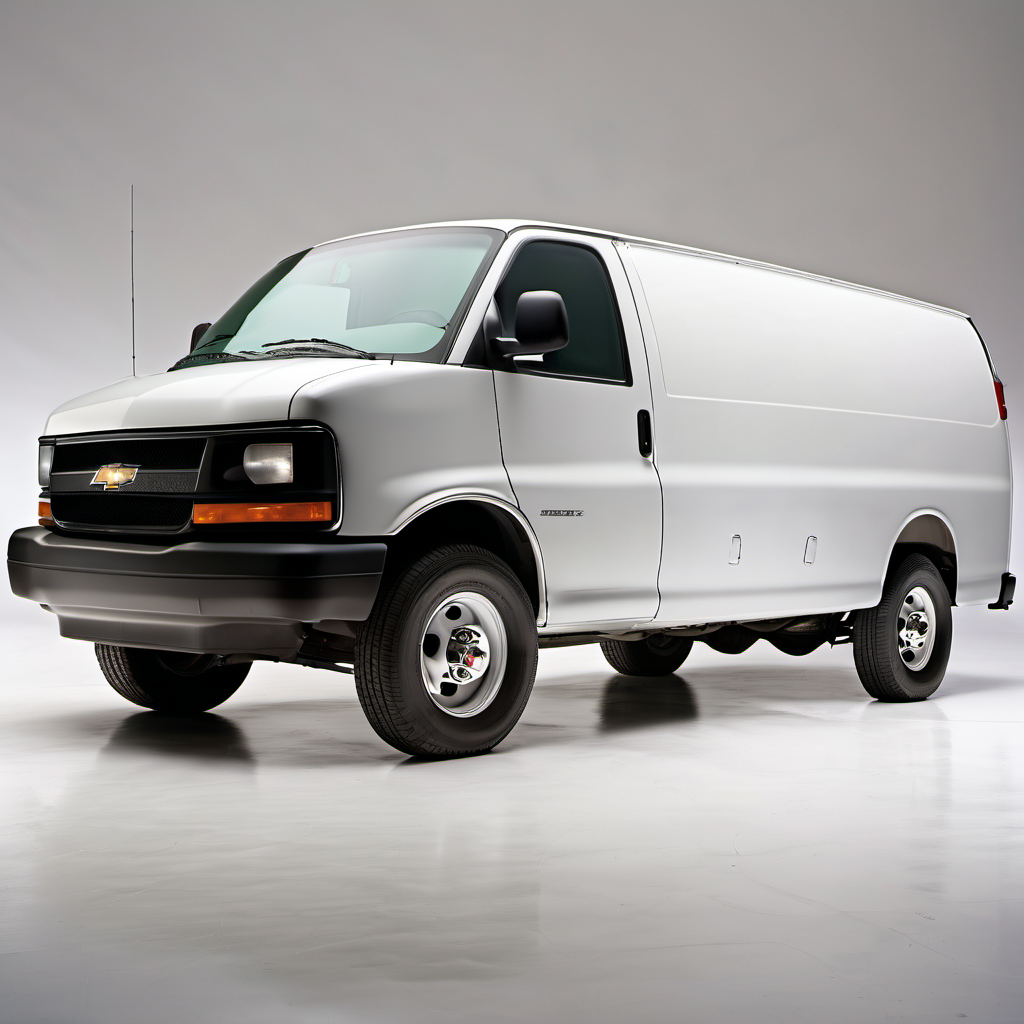
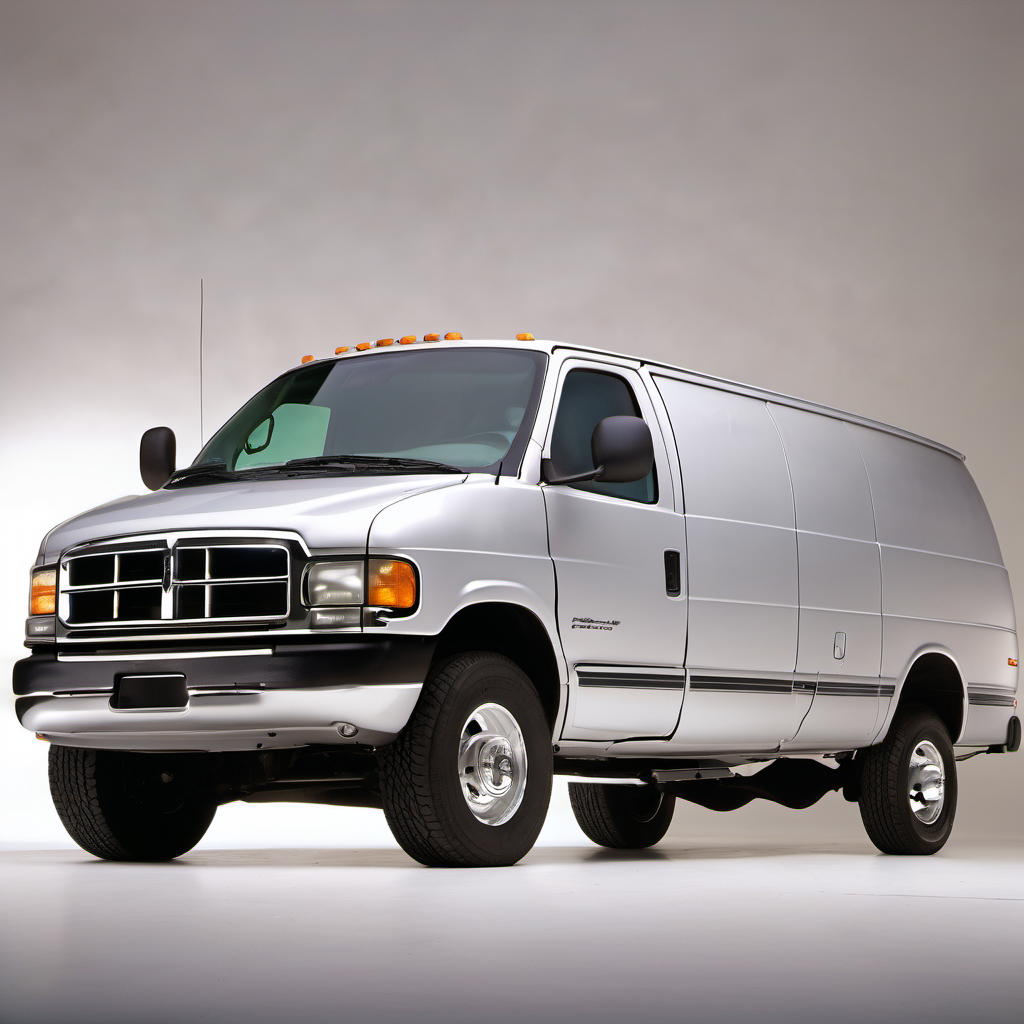
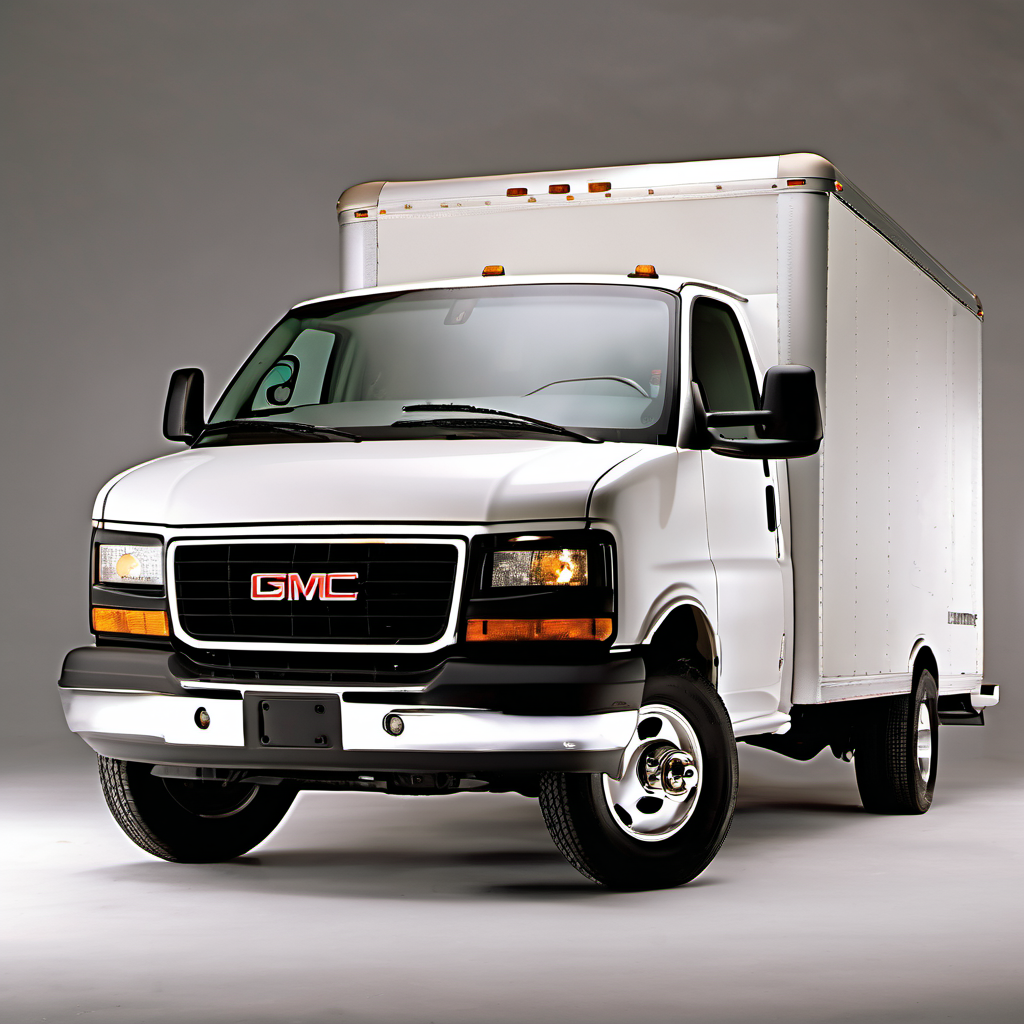
2000 Chevrolet Express 3500 Cargo Van/Minivan

2000 Chevrolet

Express 3500 CargoVan/Minivan

5.7L V8 Vortec · Van/Minivan

The 2000 Chevrolet Express 3500 Cargo is a full-size, heavy-duty work van built on GM's long-running G-van platform. It's designed for serious payload duty — tradespeople, delivery fleets, shuttle operators, and contractors have relied on these for decades. The 3500 designation means it's rated for the highest payload in the Express lineup, typically paired with a V8 (and optionally a V6 or diesel) and a heavy-duty rear axle. At 25 years old, most examples on the road today have high mileage and fleet histories. The good news is the mechanicals are simple and well-understood by any competent shop. The bad news is rust, deferred maintenance, and hard commercial use are the norm rather than the exception on surviving units. For buyers looking at a used example, condition varies wildly. A well-maintained low-mileage unit can still be a reliable workhorse. A fleet-abused rust bucket will cost you more than it's worth. Inspect carefully.

Reliability
3/5
Verified data
Engine
5.7L V8 Vortec
Drivetrain
RWD
Fuel
Gasoline
MPG
13 city / 17 hwy / 14 combined
Seats
2
Doors
3
Body
Van
MSRP
$26,500

Overview

AI-curated

The 2000 Chevrolet Express 3500 Cargo is a full-size, heavy-duty work van built on GM's long-running G-van platform. It's designed for serious payload duty — tradespeople, delivery fleets, shuttle operators, and contractors have relied on these for decades. The 3500 designation means it's rated for the highest payload in the Express lineup, typically paired with a V8 (and optionally a V6 or diesel) and a heavy-duty rear axle. At 25 years old, most examples on the road today have high mileage and fleet histories. The good news is the mechanicals are simple and well-understood by any competent shop. The bad news is rust, deferred maintenance, and hard commercial use are the norm rather than the exception on surviving units. For buyers looking at a used example, condition varies wildly. A well-maintained low-mileage unit can still be a reliable workhorse. A fleet-abused rust bucket will cost you more than it's worth. Inspect carefully.

Known for
  • High payload and towing capacity for a van
  • Simple, proven V8 drivetrain with widely available parts
  • Large cargo area with flexible configurations
  • Long service life when maintained — commercial fleets run them past 200k mi
  • Boxy design optimized for cargo volume, not comfort or fuel economy
Best for
  • Contractors and tradespeople needing maximum cargo capacity
  • Small delivery and logistics operations
  • Conversion van base or shuttle bus builds
  • Buyers who prioritize repairability and parts availability over modern features
Watch for
  • Heavy rust on rocker panels, floor, and rear wheel wells — common in Wisconsin salt environments
  • Fleet abuse and deferred maintenance on used examples
  • Fuel economy is poor — plan around it
  • Aging rubber: brake lines, fuel lines, and hoses degrade significantly at 25 years
  • Rear ABS can develop issues and is expensive to properly diagnose

Common issues by mileage

6 known

Intake manifold gasket failure (5.7L Vortec)

high
Typically appears
80–150k mi
Estimated repair
$400 – $750

Fuel pressure regulator failure / spider injector issues

high
Typically appears
80–180k mi
Estimated repair
$350 – $700

Brake line corrosion and failure

high
Typically appears
100k+ mi / 15+ years
Estimated repair
$500 – $1,800

Transmission 4L80-E: delayed engagement or slipping

medium
Typically appears
150k+ mi
Estimated repair
$1,200 – $3,200

Distributor cap, rotor, and ignition wear causing rough running / misfires

medium
Typically appears
60–120k mi
Estimated repair
$150 – $400

Maintenance schedule

  1. 1
    Immediate on any used purchase; re-inspect annually Inspect and replace brake lines and fuel lines

    25-year-old steel lines in a Wisconsin salt environment are a safety emergency waiting to happen. Don't assume they're okay because the van drives fine today.

  2. 2
    Every 2 years or 30k mi Engine coolant flush and thermostat replacement

    The 5.7L Vortec runs hot when coolant degrades. Old coolant is a leading cause of intake gasket failure on this engine.

  3. 3
    Every oil change — watch for coolant in oil or oil in coolant Inspect intake manifold gaskets for seepage

    The plastic lower intake manifold gaskets are a known weak point on the 5.7L Vortec. Catching it early is a $400 job; ignoring it is a destroyed engine.

  4. 4
    100k mi or at first rough idle / fuel smell Fuel spider injector assembly inspection

    The CSFI 'spider' injection system in the Vortec V8 is prone to leaking poppet valves and a failing pressure regulator. A leaking regulator can cause a rich condition or fuel in the oil.

  5. 5
    Every 30k mi for work/fleet use Transmission fluid and filter service

    The 4L80-E is a sturdy unit but hates overheated fluid. A $150 service interval extends life by years on a van that carries heavy loads.

  6. 6
    Every spring after winter season Full underbody rust inspection

    Wisconsin road salt attacks the frame, floor, and wheel wells aggressively. Catch rust early when it's surface-treatable; ignore it and you'll face structural repairs.

  7. 7
    Every fall before winter Battery load test

    A 5,100 lb van with a large V8 demands a strong battery for cold cranking in sub-zero Wisconsin temps. Batteries that test marginal in September will fail in January.

  8. 8
    Monthly and every 6k mi Tire pressure check and rotation

    Rear tires on a loaded cargo van wear unevenly and quickly. Correct inflation is especially important in winter for traction and in summer when heat increases pressure.

Always defer to the manufacturer's service manual for warranty-mandated intervals.

Cost of ownership

Annual maintenance
$800 – $2,500
Fuel
Expect $3,000–$5,500/year at average driving mileage (15,000 mi/yr) given 13–14 MPG combined. Worse with heavy loads.
Insurance
Commercial cargo vans typically run $1,200–$2,400/year depending on use, coverage, and driver history. Commercial/fleet use raises rates.

This van is cheap to buy and relatively cheap to maintain when nothing is broken — parts are plentiful and inexpensive. The real cost exposure at this age is deferred repairs: brake lines, intake gaskets, transmission service, and rust remediation. Budget generously in years where those items come due. Fuel is the biggest ongoing hit; this van does not reward stop-and-go city driving.

Seasonal care

Lake Geneva, WI
Winter
  • Load-test the battery every fall — sub-zero starts are brutal on a tired battery in a heavy V8 van
  • Switch to a full-synthetic 5W-30 if not already running it; it flows faster in cold starts and reduces wear during the critical first seconds
  • Flush washer fluid reservoir and fill with rated -20°F or lower formula — the large windshield and limited defrost on cargo vans makes visibility a real issue
  • Inspect all rubber brake hoses and steel brake lines before winter; a line failure on a heavy van in icy conditions is catastrophic
  • Check rear-wheel ABS function — the RWAL system on these vans can be dormant until winter conditions trigger it; a faulty system won't warn you until you need it most
  • Apply undercoating or rust inhibitor to any bare metal found during the fall inspection to slow salt damage through the winter
Summer
  • Check tire pressure monthly — tires heat up faster on a heavy van and cargo loads change pressure; overinflation from heat plus load causes blowouts
  • Service the A/C system if blowing warm — the cabin heats up fast with a cargo van's minimal insulation and no rear windows
  • Inspect the cooling system hoses and belt before summer heat; the 5.7L Vortec's cooling system is already working hard under load
  • Check transmission fluid level and condition after any extended towing or heavy hauling — summer heat plus load is where the 4L80-E is most vulnerable

Comparable vehicles

If you're shopping for one

Red flags
  • Any soft spots in the floor when you step — floor rust on cargo vans is often hidden under rubber mats and is structural
  • Freshly undercoated undercarriage on a high-mileage van — sometimes used to hide severe rust before sale
  • Evidence of coolant leaks around the intake manifold or head areas without a repair record explaining them
  • Transmission that slips, hunts for gears, or has burnt-smelling fluid — a rebuild on the 4L80-E runs $1,200–$3,200 at an independent shop
  • Missing or tampered VIN on door jamb vs. windshield — fleet vans can have complex ownership histories worth verifying
What to inspect
  • Crawl the entire underside — frame rails, floor pans, rear wheel wells, and all brake/fuel lines; rust is the number-one deal-killer on Wisconsin-used examples
  • Pull the oil dipstick and radiator cap: milky or foamy residue means the intake gasket is already failing (or worse, head gaskets)
  • Check transmission engagement from cold: delayed or rough engagement from park to drive is an early warning sign on the 4L80-E
  • Smell the inside of the van for fuel odor at idle — a leaking spider injector or fuel pressure regulator can go unnoticed until it's a fire hazard
  • Test all cargo door latches, seals, and tracks — on high-use commercial vans these wear out and replacement parts can be surprisingly costly
  • Verify the RWAL (rear-wheel ABS) light comes on at key-on and clears — a system that never illuminates may have a defeated or failed module
AI profile generated 48 min ago · claude-sonnet-4-6 · v2.