Fuel and brake line corrosion
high- Typically appears
- Any mileage on Midwest/salt-belt vehicles
- Estimated repair
- $400 – $1,800
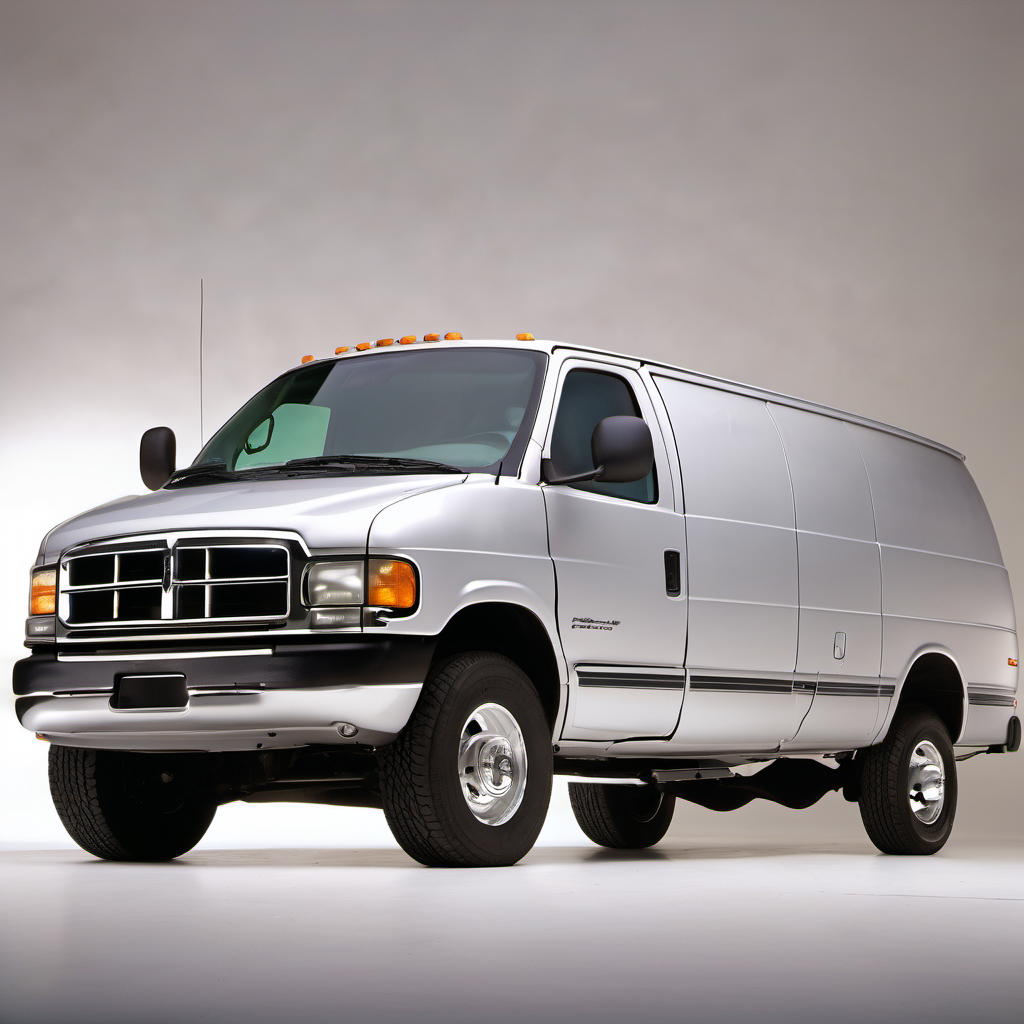
2000 Dodge
5.2L V8 Magnum · Van/Minivan
The 2000 Dodge Ram Van 3500 is the heavy-duty version of Chrysler's long-running full-size van platform — a body-on-frame, rear-wheel-drive workhorse that traces its roots back to the 1970s. By 2000 it was one of the last traditional full-size vans in the segment, offering a cavernous cargo area, high payload capacity, and proven V8 or V6 powertrains. It was a staple of fleets, tradespeople, church groups, and families needing maximum passenger or cargo room. The 3500 designation puts this at the top of the Ram Van lineup, meaning it carries the highest GVWR and is typically fitted with heavier-duty suspension, larger brakes, and dual rear wheels on some configurations. It can be ordered as a cargo van or a 12–15 passenger wagon. The platform was extremely simple by modern standards — no variable cam timing, no complex all-wheel-drive system — which makes it relatively easy and affordable to service at an independent shop. By 2000 this van was already a mature, somewhat dated design. Comfort and fuel economy lag behind modern alternatives, but raw utility and parts availability are genuine strengths. At 24 years old, virtually all survivors are high-mileage work or fleet vehicles, so condition varies enormously.
The 2000 Dodge Ram Van 3500 is the heavy-duty version of Chrysler's long-running full-size van platform — a body-on-frame, rear-wheel-drive workhorse that traces its roots back to the 1970s. By 2000 it was one of the last traditional full-size vans in the segment, offering a cavernous cargo area, high payload capacity, and proven V8 or V6 powertrains. It was a staple of fleets, tradespeople, church groups, and families needing maximum passenger or cargo room. The 3500 designation puts this at the top of the Ram Van lineup, meaning it carries the highest GVWR and is typically fitted with heavier-duty suspension, larger brakes, and dual rear wheels on some configurations. It can be ordered as a cargo van or a 12–15 passenger wagon. The platform was extremely simple by modern standards — no variable cam timing, no complex all-wheel-drive system — which makes it relatively easy and affordable to service at an independent shop. By 2000 this van was already a mature, somewhat dated design. Comfort and fuel economy lag behind modern alternatives, but raw utility and parts availability are genuine strengths. At 24 years old, virtually all survivors are high-mileage work or fleet vehicles, so condition varies enormously.
Magnum V8 engines respond well to clean oil. At this vehicle's age, shorter intervals help flush accumulated sludge and protect seals.
The 42RE/46RE automatics are durable but sensitive to dirty fluid. Fresh fluid extends shift quality and solenoid life.
Degraded coolant accelerates intake manifold gasket failure — a known weak point on the Magnum V8. Check thermostat while the system is open.
Salt-belt corrosion makes steel brake lines a safety hazard on any vehicle this age. Don't skip this.
Rubber fuel line sections crack with age; steel sections corrode. A leaking fuel line is a fire risk.
The Magnum V8 uses a conventional distributor ignition. Worn plugs or cracked wires cause misfires and fuel economy loss.
A heavy van with a big V8 draws significant cranking amps in sub-zero temps. A marginal battery will fail when you need it most.
RWD drivetrain has multiple grease fittings. Dry u-joints fail suddenly and can drop the driveshaft — especially dangerous on a loaded van.
Always defer to the manufacturer's service manual for warranty-mandated intervals.
The Ram Van 3500 is cheap to buy and relatively cheap to fix when something breaks — parts are plentiful and labor is straightforward. The real cost is fuel: 12–13 MPG combined on a V8 adds up fast. At this age, budget an extra $500–$1,000 annually as a rust and aging-components reserve. A pre-purchase inspection by a trusted shop is money well spent — rust repair can easily exceed the vehicle's market value.
Direct competitor — same full-size, body-on-frame, RWD van format with comparable payload. Ford's 5.4L Triton V8 is slightly more modern. Parts equally plentiful.
No catalog match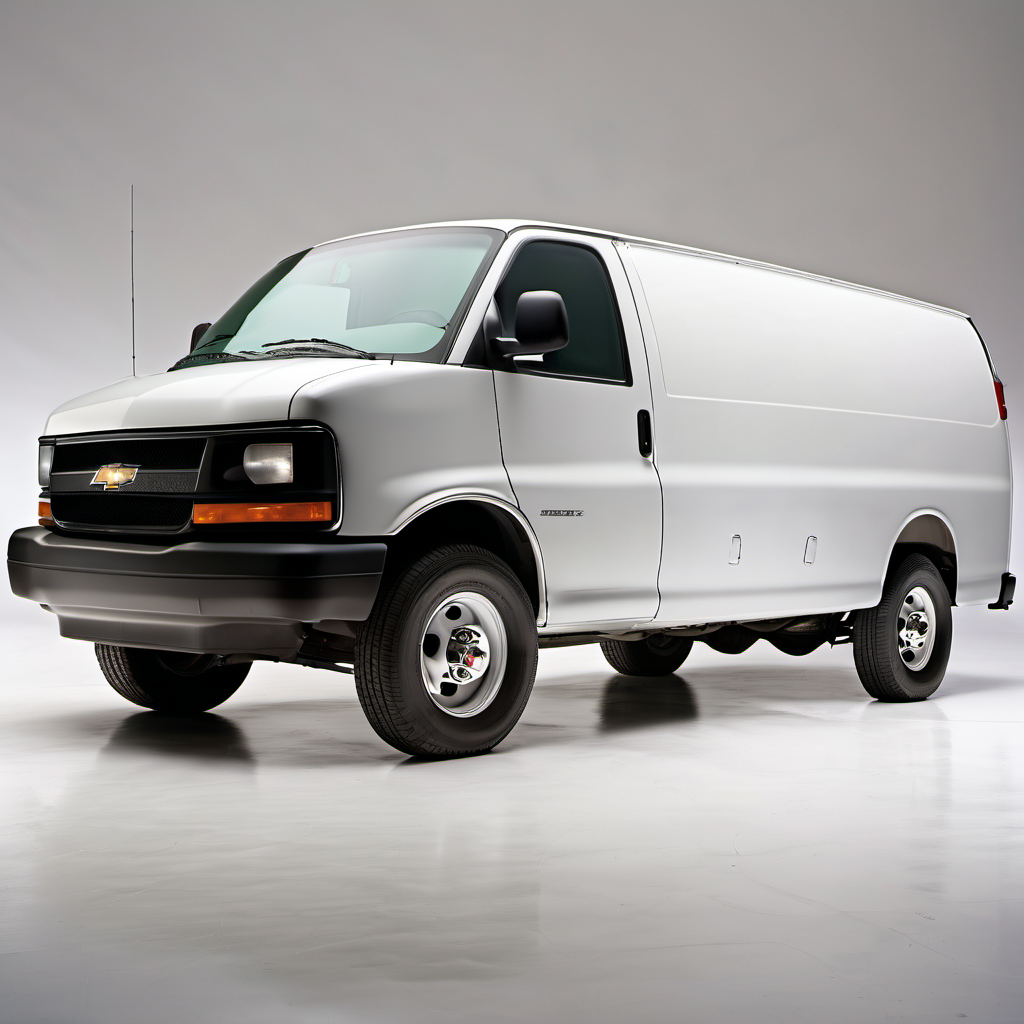
GM's answer to the Ram Van 3500. Shares the same basic mission and capacity. The Vortec V8 is well-regarded, and the Express remained in production far longer, meaning better parts support going forward.
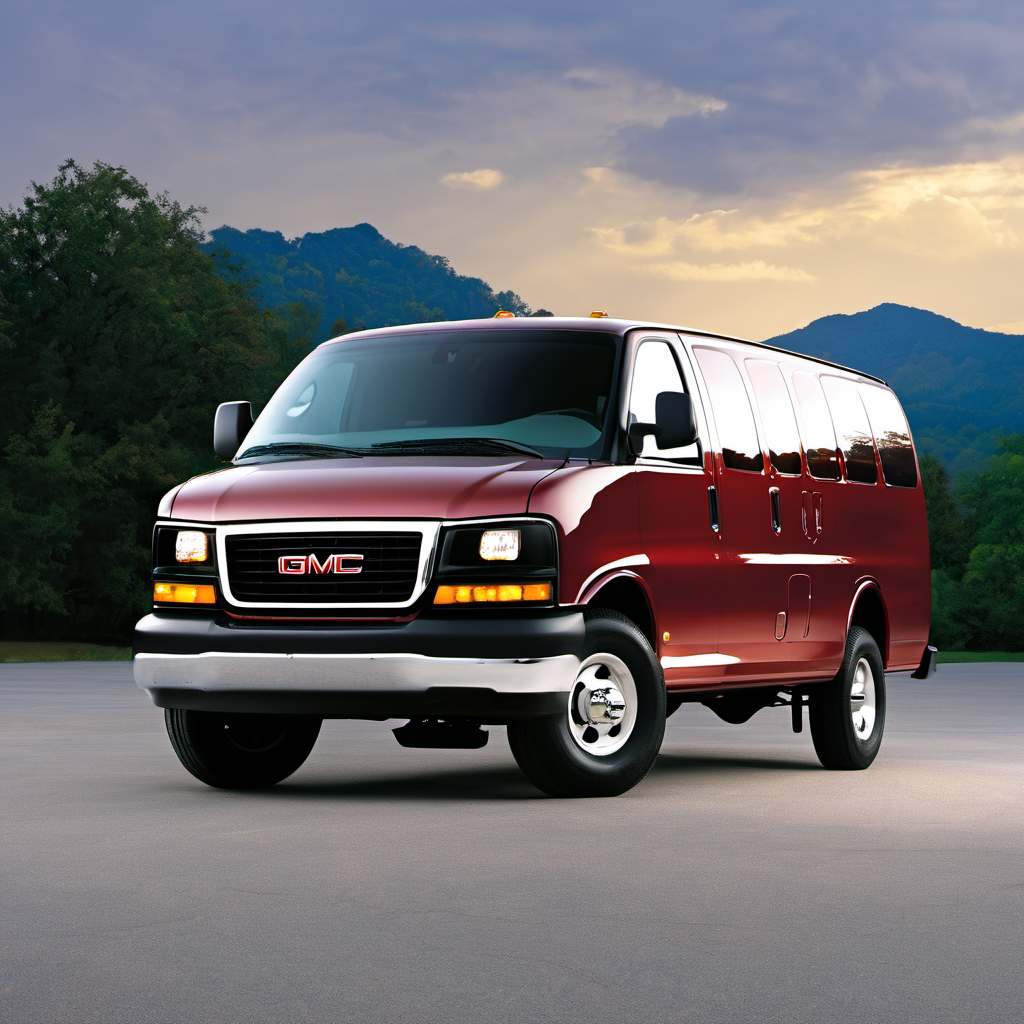
Mechanically identical to the Chevy Express 3500 — same drivetrain, same platform, slightly different trim. Listed separately because it's a common find in the used market.