Timing belt failure
high- Typically appears
- 60–90k mi (or 5+ years without replacement)
- Estimated repair
- $350 – $650
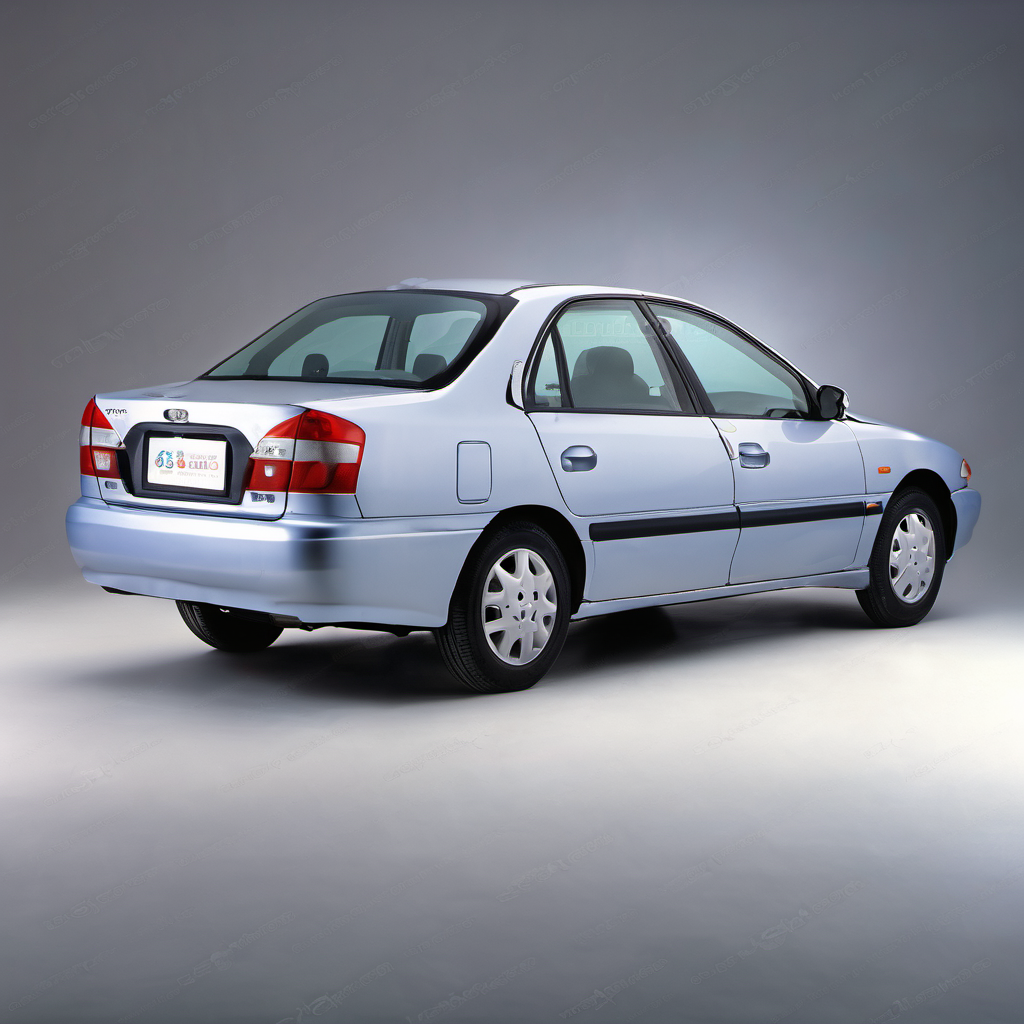
1999 Daewoo
Sedan
The 1999 Daewoo Leganza was South Korean automaker Daewoo's attempt at a near-luxury mid-size sedan for the North American market. Styled by Italdesign-Giugiaro, it looked more upscale than its price suggested and came loaded with features — wood trim, leather, and dual airbags were standard on upper trims at a time when competitors charged extra. Under the skin it shared architecture with General Motors platforms and used a 2.2L DOHC four-cylinder. Daewoo pulled out of the U.S. market in 2002 after the parent company's bankruptcy, which is the single biggest ownership challenge: parts supply has dried up significantly. Many dealerships closed overnight, and while some GM-adjacent components cross-reference, electronic parts, body panels, and trim pieces can require dedicated searching through specialty importers. For a buyer today, the Leganza is essentially a curiosity or budget purchase. It was never a reliability standout even when new, and the combination of age, orphaned-brand status, and scant mechanic familiarity makes it a vehicle best approached with very low expectations and a full pre-purchase inspection.
The 1999 Daewoo Leganza was South Korean automaker Daewoo's attempt at a near-luxury mid-size sedan for the North American market. Styled by Italdesign-Giugiaro, it looked more upscale than its price suggested and came loaded with features — wood trim, leather, and dual airbags were standard on upper trims at a time when competitors charged extra. Under the skin it shared architecture with General Motors platforms and used a 2.2L DOHC four-cylinder. Daewoo pulled out of the U.S. market in 2002 after the parent company's bankruptcy, which is the single biggest ownership challenge: parts supply has dried up significantly. Many dealerships closed overnight, and while some GM-adjacent components cross-reference, electronic parts, body panels, and trim pieces can require dedicated searching through specialty importers. For a buyer today, the Leganza is essentially a curiosity or budget purchase. It was never a reliability standout even when new, and the combination of age, orphaned-brand status, and scant mechanic familiarity makes it a vehicle best approached with very low expectations and a full pre-purchase inspection.
The 2.2L DOHC is an interference engine — belt failure means bent valves and a very expensive repair. On a 25-year-old car with unknown history, treat this as overdue until proven otherwise.
Aging hoses and a plastic thermostat housing on these engines are prone to leaks. Fresh coolant with proper inhibitors slows corrosion inside the cooling system.
Original sensors are well past service life. Failing O2 sensors cause rich running, poor fuel economy, and can damage the catalytic converter over time.
The 4-speed automatic in these cars has limited parts availability. Fresh fluid is the cheapest insurance against expensive transmission failure.
Road salt is brutal on 25-year-old unibody cars. Check rocker panels, floor pans, and subframe mounting points. Rust here can make the car unsafe and unrepairable.
Brake fluid absorbs moisture over time, lowering its boiling point. On an older vehicle, rubber brake lines and wheel cylinders are also suspect and should be inspected.
Original ignition components are long past due. Worn plugs and cracked wires cause misfires and hard starts, especially in Wisconsin cold.
Cold cranking amps drop sharply below 0°F. The 2.2L needs a strong battery to start reliably in Lake Geneva winters. Test — don't guess.
Always defer to the manufacturer's service manual for warranty-mandated intervals.
On paper, a Leganza is cheap to own. In practice, any part that isn't a generic filter or belt will require sourcing effort and may cost a premium. Budget on the high end of maintenance estimates and keep a repair fund. A single major repair — timing belt failure, transmission, or rust remediation — can exceed the car's market value.
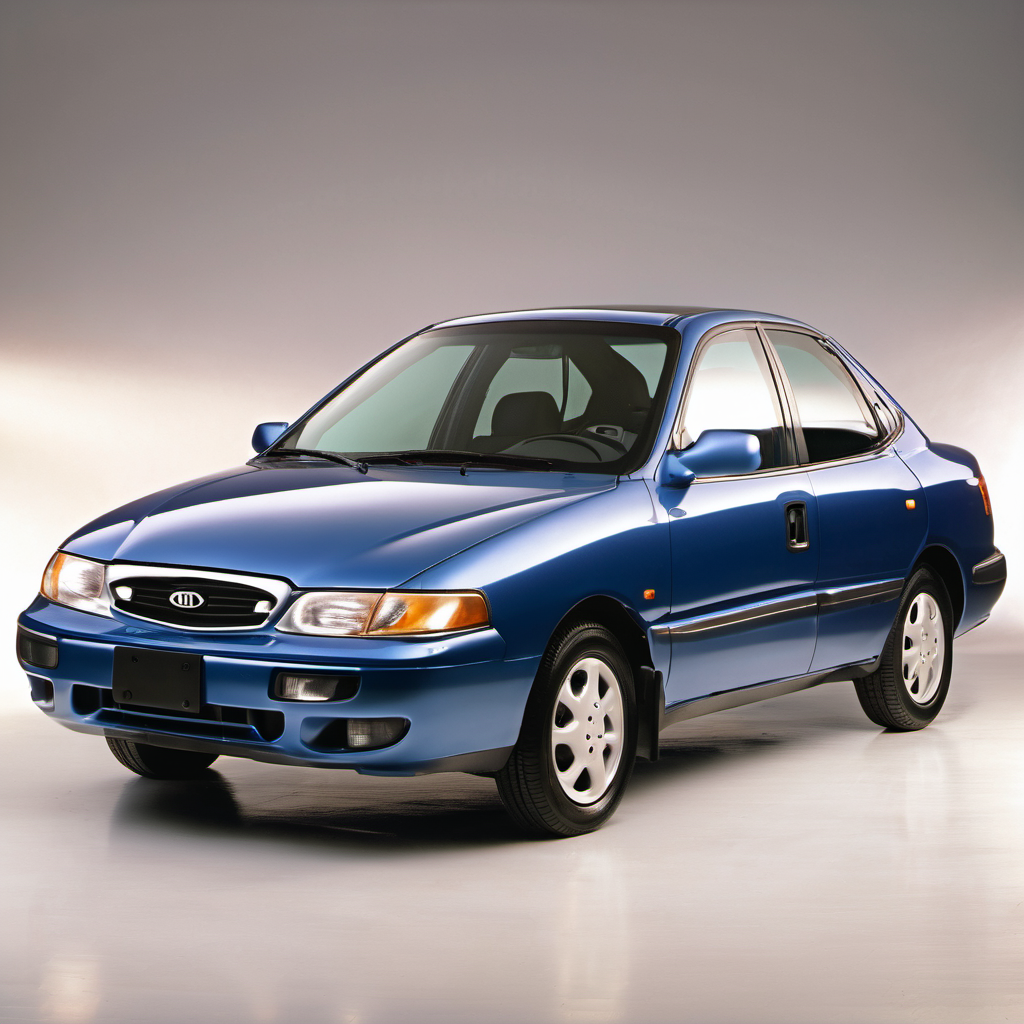
Same era, same budget-import segment, similar size and FWD layout. Kia has since become mainstream, so parts are far easier to find than Daewoo.
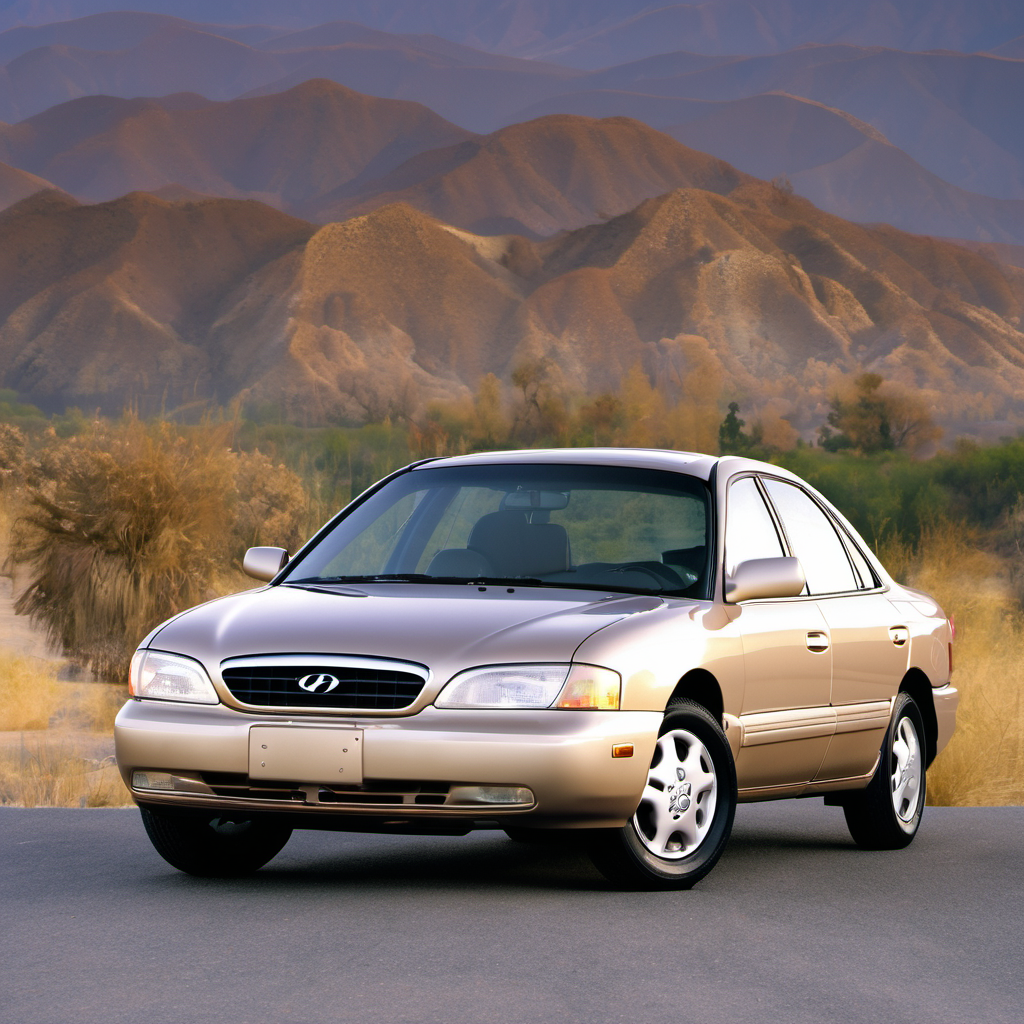
Korean mid-size sedan of the same generation. Sonata had better dealer and parts support even then, and used examples are far easier to service today.
GM-based domestic competitor at a similar price point with a larger dealer network and better parts availability, though Saturn is also a defunct brand now.
No catalog match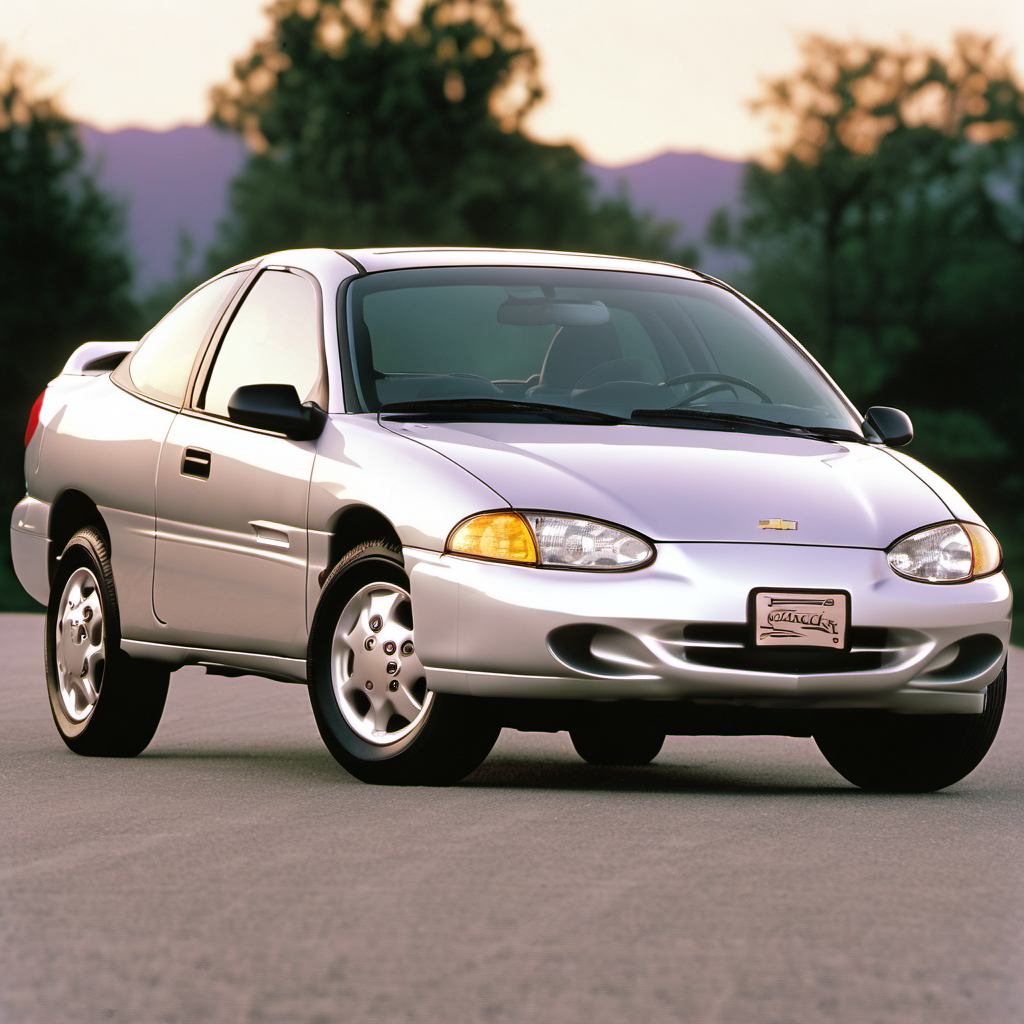
Shares some GM-platform DNA with the Daewoo lineup. Chevrolet parts are abundant, mechanics know the platform, and the price point was nearly identical.