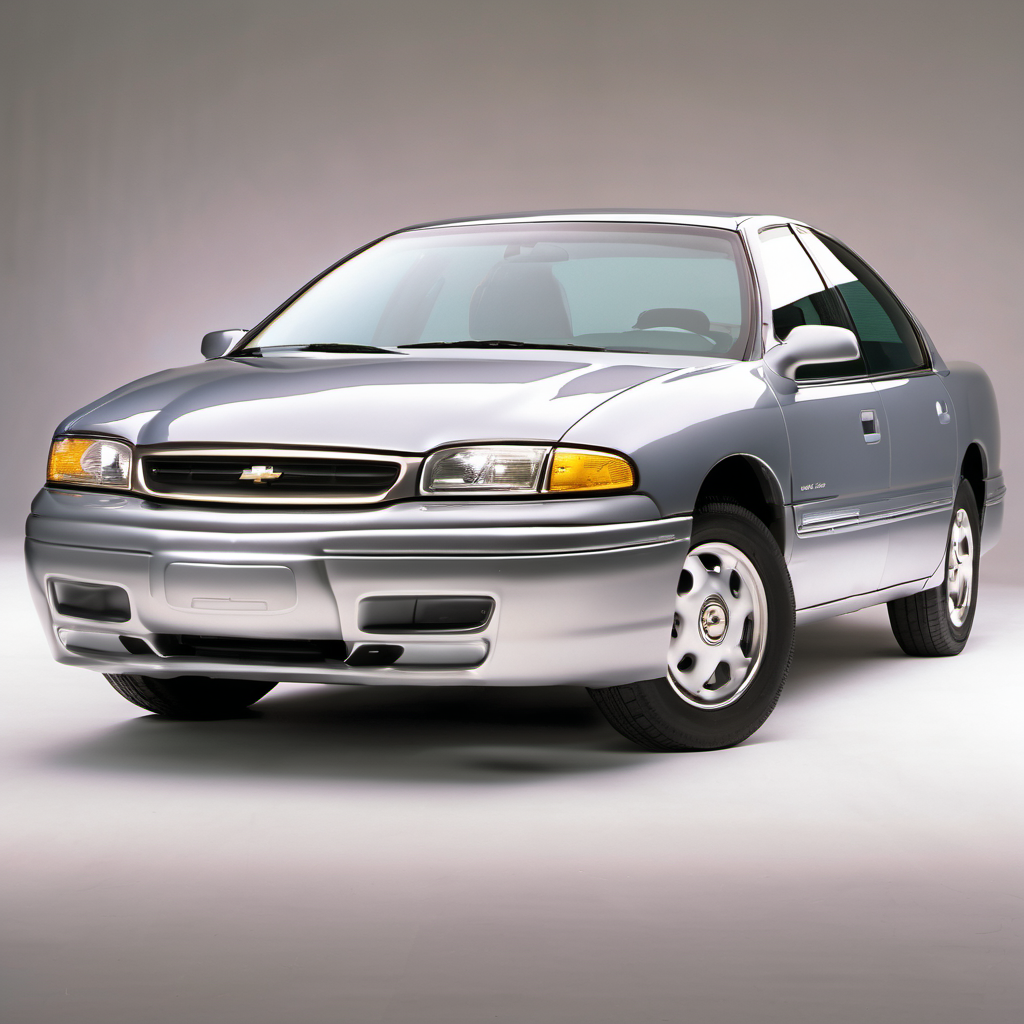
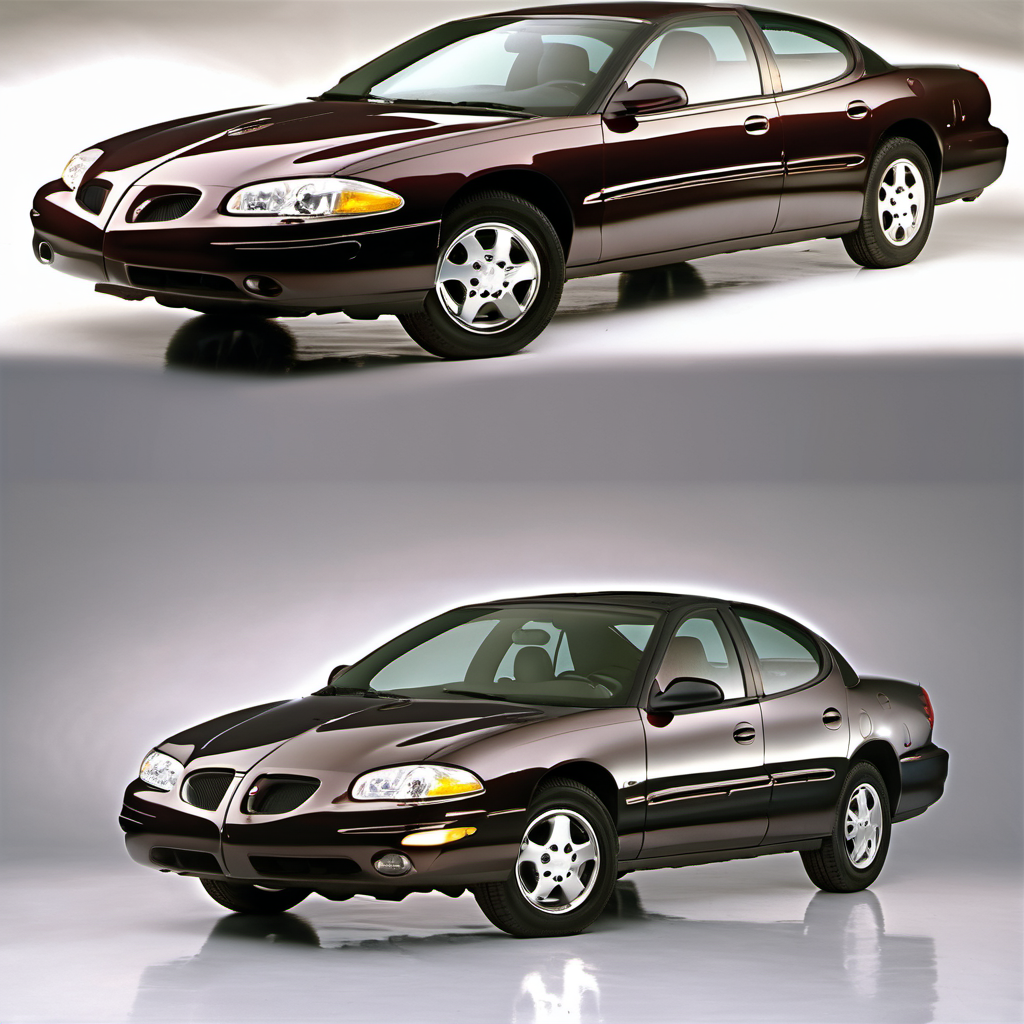
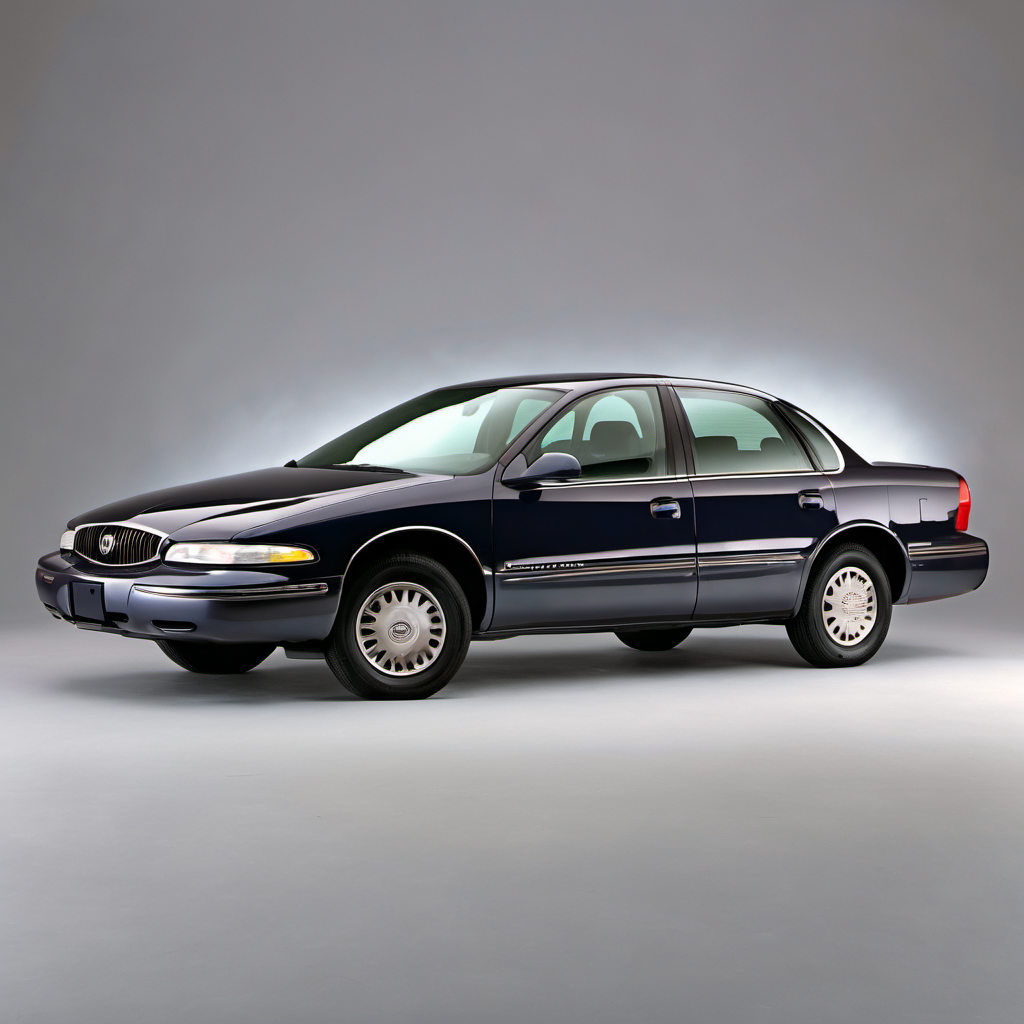
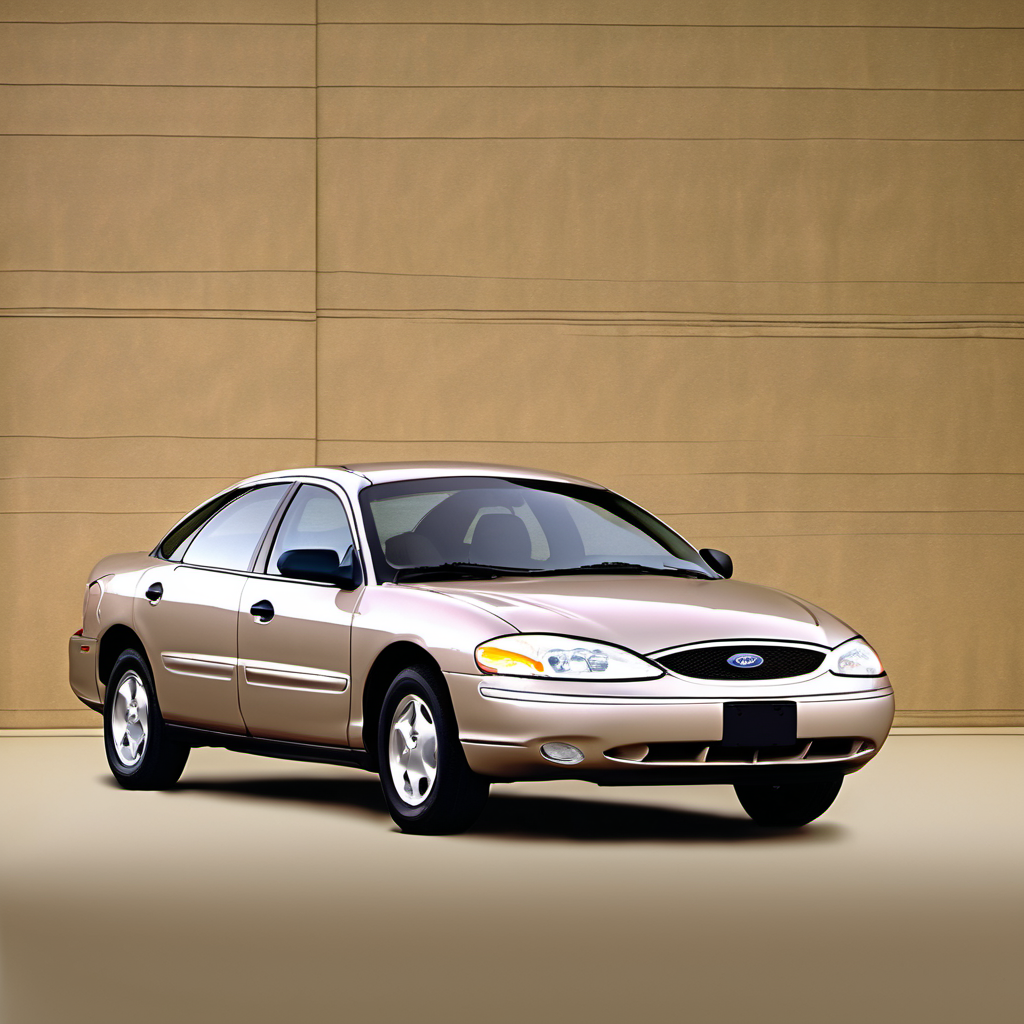
1999 Chevrolet Lumina Sedan

1999 Chevrolet

LuminaSedan

3.1L V6 · Sedan

The 1999 Chevrolet Lumina is a front-wheel-drive mid-size sedan built on GM's W-body platform, shared with the Pontiac Grand Prix and Buick Regal. By 1999 it was in its final full model year before the Impala name returned to replace it in 2000. It was designed squarely as an affordable family hauler — comfortable, spacious for its class, and easy to find parts for. Power came from either a 3.1L V6 or the optional 3.8L V6, both paired with a 4-speed automatic. Neither engine is particularly exciting, but both are workhorses with a long GM service history behind them. The 3.1L in particular shows up in a wide swath of GM vehicles from this era, meaning parts are cheap and any GM-familiar shop knows it cold. At 25 years old, surviving Luminas are high-mileage daily drivers or second cars. Rust is the primary enemy in Wisconsin — these cars were not built with corrosion resistance as a priority, and the upper Midwest has not been kind to them. Mechanically sound examples can still cover miles reliably, but finding a clean body at this age takes work.

Reliability
3/5
Verified data
Engine
3.1L V6
Drivetrain
FWD
Fuel
Gasoline
MPG
20 city / 29 hwy / 23 combined
Seats
6
Doors
4
Body
Sedan
MSRP
$18,910

Overview

AI-curated

The 1999 Chevrolet Lumina is a front-wheel-drive mid-size sedan built on GM's W-body platform, shared with the Pontiac Grand Prix and Buick Regal. By 1999 it was in its final full model year before the Impala name returned to replace it in 2000. It was designed squarely as an affordable family hauler — comfortable, spacious for its class, and easy to find parts for. Power came from either a 3.1L V6 or the optional 3.8L V6, both paired with a 4-speed automatic. Neither engine is particularly exciting, but both are workhorses with a long GM service history behind them. The 3.1L in particular shows up in a wide swath of GM vehicles from this era, meaning parts are cheap and any GM-familiar shop knows it cold. At 25 years old, surviving Luminas are high-mileage daily drivers or second cars. Rust is the primary enemy in Wisconsin — these cars were not built with corrosion resistance as a priority, and the upper Midwest has not been kind to them. Mechanically sound examples can still cover miles reliably, but finding a clean body at this age takes work.

Known for
  • Affordable, roomy mid-size family transportation
  • Proven 3.1L and 3.8L V6 GM engines with widespread parts availability
  • Smooth, compliant ride tuned for comfort over handling
  • W-body platform shared across many GM models — easy to find secondhand parts
Best for
  • Budget-conscious buyers needing a reliable city/highway commuter
  • DIY mechanics comfortable with late-90s GM systems
  • Low-mileage short-trip driving where rust hasn't yet taken hold
Watch for
  • Body and frame rust — Wisconsin salt exposure is severe on these
  • Intake manifold gasket failures on the 3.1L V6 (extremely common)
  • Aging plastic and rubber throughout — hoses, seals, and trim are 25+ years old
  • Lower control arm bushings and ball joints wear quickly and affect alignment
  • Electrical gremlins from corroded connectors, especially in the engine bay

Common issues by mileage

6 known

Intake Manifold Gasket Failure (3.1L V6)

high
Typically appears
60–130k mi
Estimated repair
$400 – $750

Lower Intake Coolant Leak / Overheating

high
Typically appears
75–150k mi
Estimated repair
$350 – $700

Front Strut and Control Arm Bushing Wear

high
Typically appears
80–150k mi
Estimated repair
$300 – $650

Oxygen Sensor / O2 Heater Circuit Failure

medium
Typically appears
80–140k mi
Estimated repair
$150 – $350

Transmission Slip or Delayed Engagement (4T60-E)

medium
Typically appears
100–160k mi
Estimated repair
$1,200 – $2,800

Rust — Subframe, Rear Wheel Wells, Rocker Panels

high
Typically appears
All mileages — age/region dependent
Estimated repair
$500 – $3,500

Maintenance schedule

  1. 1
    Every 30k mi or immediately if not documented Engine coolant flush and intake manifold gasket inspection

    The 3.1L's plastic intake manifold gaskets are the car's most notorious failure point. Catching early coolant seepage prevents a full overheating event and head gasket damage.

  2. 2
    Every 30k mi — do not trust 'lifetime' fluid claims on a 25-year-old transmission Transmission fluid change (Dexron III/VI compatible)

    The 4T60-E automatic responds well to clean fluid. Burnt, dark fluid is one of the top reasons these transmissions fail prematurely.

  3. 3
    Every 30k mi Spark plugs and plug wires

    OEM-style plug wires age and crack in cold Wisconsin winters. Misfires stress the catalytic converter and can set multiple codes.

  4. 4
    Every 50k mi or at first sign of glazing/cracking Serpentine belt and tensioner inspection

    Belt failure leaves you stranded. Tensioner spring weakness is common at this age — replace both together.

  5. 5
    Every 2 years Brake fluid flush

    Moisture-saturated brake fluid lowers boiling point and accelerates corrosion in calipers and wheel cylinders — accelerated in Midwest salt environments.

  6. 6
    Every fall, before salt season Undercarriage rust inspection and treatment

    Subframe and cradle rust is a structural concern on these W-body cars in the upper Midwest. Catching surface rust early with a rust inhibitor coating extends life significantly.

  7. 7
    Every fall Battery load test

    Sub-zero Wisconsin starts demand a strong battery. A battery that passes a simple voltage test in September can still fail to crank in January.

  8. 8
    Every 30k mi Fuel filter replacement

    The in-line fuel filter on the Lumina is accessible and inexpensive. Clogged filters cause lean conditions and hard starts — especially in cold weather.

Always defer to the manufacturer's service manual for warranty-mandated intervals.

Cost of ownership

Annual maintenance
$600 – $1,800
Fuel
At ~23 MPG combined and typical driving of 12,000 mi/yr, expect roughly $1,400–$1,700/yr at current Wisconsin fuel prices.
Insurance
Typically very low — expect $600–$1,000/yr for full coverage given the low market value of a 1999 Lumina.

The Lumina is genuinely cheap to own if it's mechanically sound going in. Parts are plentiful and inexpensive, and any GM-experienced shop can work on it without exotic tools. The risk is deferred maintenance: one ignored intake gasket leak can cascade into a $1,500+ repair. Budget for at least one significant repair per year on a car this age, and keep an emergency fund for the transmission.
Seasonal care

Lake Geneva, WI
Winter
  • Load-test the battery every October — cold cranking amps drop sharply below 0°F and this car's age makes battery failure a real risk
  • Switch to a full-synthetic 5W-30 oil if not already — conventional oil thickens in sub-zero temps and delays lubrication on cold starts
  • Inspect and treat the undercarriage with a rust-inhibiting coating before first salt application — subframe rust is a structural concern on W-body cars
  • Fill washer fluid reservoir with a rated -20°F or lower fluid; the stock reservoir and lines can freeze with standard fluid
  • Check antifreeze concentration — aim for protection to at least -34°F; a 50/50 coolant mix is the minimum for Lake Geneva winters
  • Inspect wiper blades and consider winter-style blades to prevent ice-loaded arms from streaking or skipping
Summer
  • Inspect the A/C system — the refrigerant (R-134a) charge and compressor clutch should be checked; these systems lose charge over 25 years
  • Monitor coolant temperature closely during hot weather — a partially clogged radiator or weak water pump can push temps toward overheating faster in summer heat
  • Check tire pressure monthly — ambient temperature swings of 30°F+ between Wisconsin nights and afternoons cause noticeable pressure changes
  • Inspect rubber coolant hoses for soft spots, swelling, or cracking — heat accelerates deterioration on aging hoses
  • Clean the radiator fins of bugs and debris mid-season to maintain airflow and cooling efficiency

Comparable vehicles

If you're shopping for one

Red flags
  • Any sign of subframe rust at the engine cradle mount points — walk away unless you have a body shop estimate in hand
  • Overheating history noted by seller or visible coolant stains on the engine — the 3.1L does not forgive repeated overheating events
  • Dark brown, burnt-smelling transmission fluid — indicates the transmission has been neglected and may be near the end of its service life
  • Mismatched paint panels or evidence of significant bodywork — crash repair quality on a 25-year-old budget car is rarely done well
  • No maintenance records whatsoever — on a car this age, an undocumented history means you're inheriting every skipped service interval
What to inspect
  • Crawl under the car and inspect the front subframe cradle around the engine mount attachment points — rust perforation here is a safety hazard and can be costly to repair or make the car uninsurable
  • Pull the oil cap and check for a milky, frothy residue — a sign of coolant mixing with oil, indicating an intake or head gasket leak
  • With the engine warm, look for steam or sweet smell near the intake manifold area — early signs of the notorious 3.1L gasket seep
  • Check the transmission for smooth, firm shifts through all gears — hesitation, shudder, or slip in any gear range suggests worn clutch packs
  • Inspect all four wheel wells and rocker panels for rust bubbling beneath paint or active perforation
  • Test the A/C system for cold output — recharging a system that hasn't been serviced in years may reveal a failed compressor or leaking lines
AI profile generated 1 hr ago · claude-sonnet-4-6 · v2.