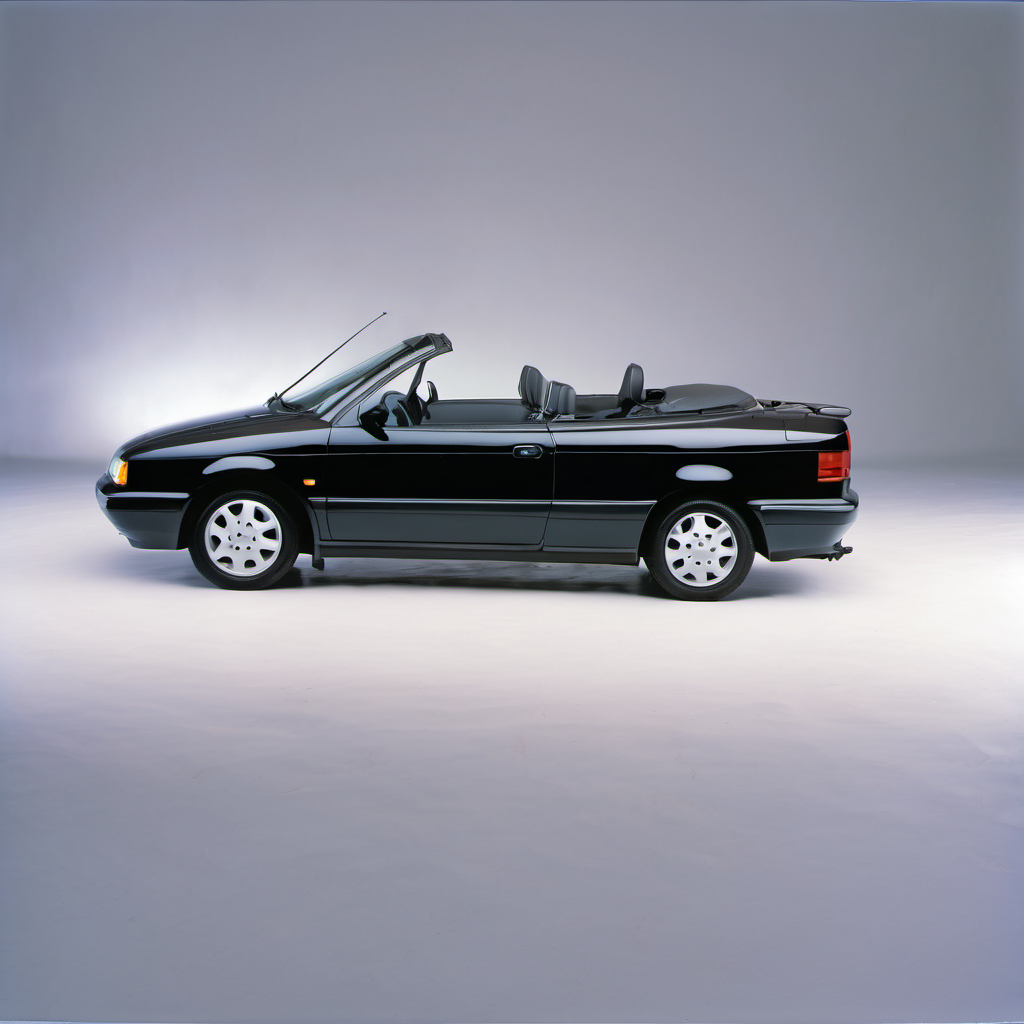
1998 Volkswagen Cabrio Convertible

1998 Volkswagen

CabrioConvertible

Convertible

The 1998 Volkswagen Cabrio is the second-generation (A3 platform) version of VW's long-running Golf-based convertible. Built on the Mk3 Golf chassis, it carried a 2.0L inline-four paired with either a 5-speed manual or 4-speed automatic, wrapped in a classic European soft-top body that seated four. It was marketed as an attainable European convertible with a noticeably more upscale feel than its price tag suggested. By 1998 the Cabrio was already a mature design — VW had been selling this generation since 1995 — so most early bugs were worked out. The build quality is typical late-90s VW: solid when properly maintained, frustrating when neglected. Electrical gremlins, convertible top mechanisms, and cooling system components are the recurring headaches owners deal with as mileage climbs. This is not a sporty roadster — think relaxed open-air cruising rather than canyon carving. It remains a reasonable used buy if the top, cooling system, and electrical wiring are in good shape, but it demands an informed pre-purchase inspection.

Reliability
2/5
Verified data
Specs shown for Cabrio — the most common configuration. Other trims may vary in engine, drivetrain, or fuel economy. Sign in to see your vehicle's exact specs.
Engine
[object Object]
Drivetrain
FWD
Fuel
Gasoline
MPG
19 city / 26 hwy / 22 combined
Seats
Doors
Body
Subcompact Cars

Overview

AI-curated

The 1998 Volkswagen Cabrio is the second-generation (A3 platform) version of VW's long-running Golf-based convertible. Built on the Mk3 Golf chassis, it carried a 2.0L inline-four paired with either a 5-speed manual or 4-speed automatic, wrapped in a classic European soft-top body that seated four. It was marketed as an attainable European convertible with a noticeably more upscale feel than its price tag suggested. By 1998 the Cabrio was already a mature design — VW had been selling this generation since 1995 — so most early bugs were worked out. The build quality is typical late-90s VW: solid when properly maintained, frustrating when neglected. Electrical gremlins, convertible top mechanisms, and cooling system components are the recurring headaches owners deal with as mileage climbs. This is not a sporty roadster — think relaxed open-air cruising rather than canyon carving. It remains a reasonable used buy if the top, cooling system, and electrical wiring are in good shape, but it demands an informed pre-purchase inspection.

Known for
  • Classic European soft-top styling that has aged gracefully
  • Tight, rattle-resistant convertible top (by late-90s standards)
  • Adequate but unexciting 2.0L four-cylinder power
  • Higher-than-average interior quality for its class and era
Best for
  • Fair-weather weekend drivers who want a budget European convertible
  • VW enthusiasts comfortable with DIY maintenance
  • Collectors preserving a well-kept low-mileage example
Watch for
  • Cooling system failures — thermostat, water pump, and plastic coolant flanges crack with age
  • Convertible top hydraulic or mechanical wear, torn rear windows, and weatherstripping leaks
  • Aging wiring harnesses prone to brittle insulation and intermittent faults
  • Rust in floor pans, sills, and behind the soft top storage area — critical on Wisconsin cars

Common issues by mileage

6 known

Cooling System Failure (Plastic Coolant Flanges & Thermostat Housing)

high
Typically appears
60–120k mi
Estimated repair
$200 – $600

Convertible Top Hydraulic or Cable Mechanism Wear

high
Typically appears
50–150k mi
Estimated repair
$300 – $1,200

Oxygen Sensor / Heater Circuit Fault

medium
Typically appears
60–120k mi
Estimated repair
$150 – $400

Wiring Harness Insulation Cracking & Electrical Gremlins

medium
Typically appears
80–150k mi
Estimated repair
$200 – $900

Soft Top Rear Window Delamination or Tears

high
Typically appears
40–100k mi
Estimated repair
$300 – $800

Rust in Floor Pans, Rocker Panels, and Soft Top Storage Well

high
Typically appears
any — especially road-salt climates
Estimated repair
$500 – $3,000

Maintenance schedule

  1. 1
    Every 2 years or 30k mi — sooner if any leak is noticed Coolant flush and plastic flange/thermostat housing inspection

    Late-90s VW cooling systems use plastic components that harden and crack with age. A $20 flange left unchecked can turn into a $1,500 overheating repair.

  2. 2
    Every 60k mi or 5 years, whichever comes first Timing belt and water pump replacement

    The 2.0L ABA engine is an interference design. A snapped timing belt causes catastrophic engine damage. Water pump is driven by the same belt — replace both together.

  3. 3
    Every spring and fall Soft top and weatherstripping inspection and conditioning

    UV degradation, Wisconsin temperature swings, and road salt accelerate top and seal deterioration. Early treatment prevents water intrusion and interior rust.

  4. 4
    Every 30k mi Spark plugs and ignition wires

    Worn plugs and brittle ignition wires cause rough idle and misfires, both common complaints on aged 2.0L VW four-cylinders.

  5. 5
    Every 2 years Brake fluid flush

    VW specifies regular brake fluid changes. Moisture-saturated fluid lowers boiling point and accelerates corrosion of ABS components.

  6. 6
    Every fall before road salt season Underbody rust inspection and treatment

    The Cabrio's convertible body lacks the structural rigidity of a hardtop. Hidden floor pan and sill rust weakens the already-flexible unibody significantly.

  7. 7
    Every fall Battery load test

    A marginal battery that starts the car in October may fail completely at -10°F. Wisconsin winters expose weak batteries quickly.

  8. 8
    Every 5k mi or annually with conventional oil Oil change with correct VW-spec oil

    The 2.0L ABA engine is oil-sludge sensitive when service is stretched. Use the viscosity grade listed on the oil cap for your climate.

Always defer to the manufacturer's service manual for warranty-mandated intervals.

Cost of ownership

Annual maintenance
$800 – $2,000
Fuel
Budget roughly $1,800–$2,400/year at typical Wisconsin driving distances (~12k mi/yr) and mid-grade fuel prices. The 2.0L prefers regular unleaded.
Insurance
Generally inexpensive to insure as a weekend/seasonal car; expect $600–$1,100/year for full coverage depending on usage and driver profile. Many owners carry agreed-value coverage on well-kept examples.

The Cabrio is cheap to buy but not cheap to own if you're starting with a neglected car. Routine maintenance at an independent VW shop is affordable, but deferred cooling system work, a soft top replacement, or rust repair can easily run $1,500–$4,000 in a single season. Budget on the higher end for any car with unknown service history.

Seasonal care

Lake Geneva, WI
Winter
  • This car is not built for Wisconsin winters — if possible, store it October through April. Road salt is devastating to the aging unibody and soft top drains.
  • If driven in winter, rinse the underbody thoroughly after every salt event. Pay special attention to the rocker panels and soft top storage well.
  • Keep the soft top fully latched in cold weather — frozen or stiff top fabric tears easily if you attempt to operate it below 40°F.
  • Install a battery maintainer (trickle charger) if storing. Cold storage with a discharged battery accelerates plate sulfation.
  • Switch to a full-synthetic oil rated for cold temperatures (e.g., 5W-30 or 5W-40) before temperatures drop below freezing.
  • Fill the washer fluid reservoir with a rated -20°F or colder formula — standard summer fluid will freeze in the lines.
Summer
  • Inspect and condition the convertible top fabric and weatherstripping before spring season to prevent UV cracking.
  • Check tire pressure monthly — ambient heat causes pressure to rise roughly 1 PSI per 10°F, and the 2.0L's modest power is hurt further by underinflated tires.
  • The cooling system is the top concern in summer heat. Watch the temperature gauge closely and investigate any creeping toward the high end immediately.
  • Run the A/C system briefly even on mild days to keep seals lubricated. Have it recharged if cabin cooling is noticeably weak.
  • Park with the top up in direct sun when possible — the soft top provides better UV protection to the interior than leaving it down all day.

Comparable vehicles

1998 Mazda
Miata

Similar price point and open-air mission, but considerably more reliable and more fun to drive. Better long-term ownership economics.

No catalog match
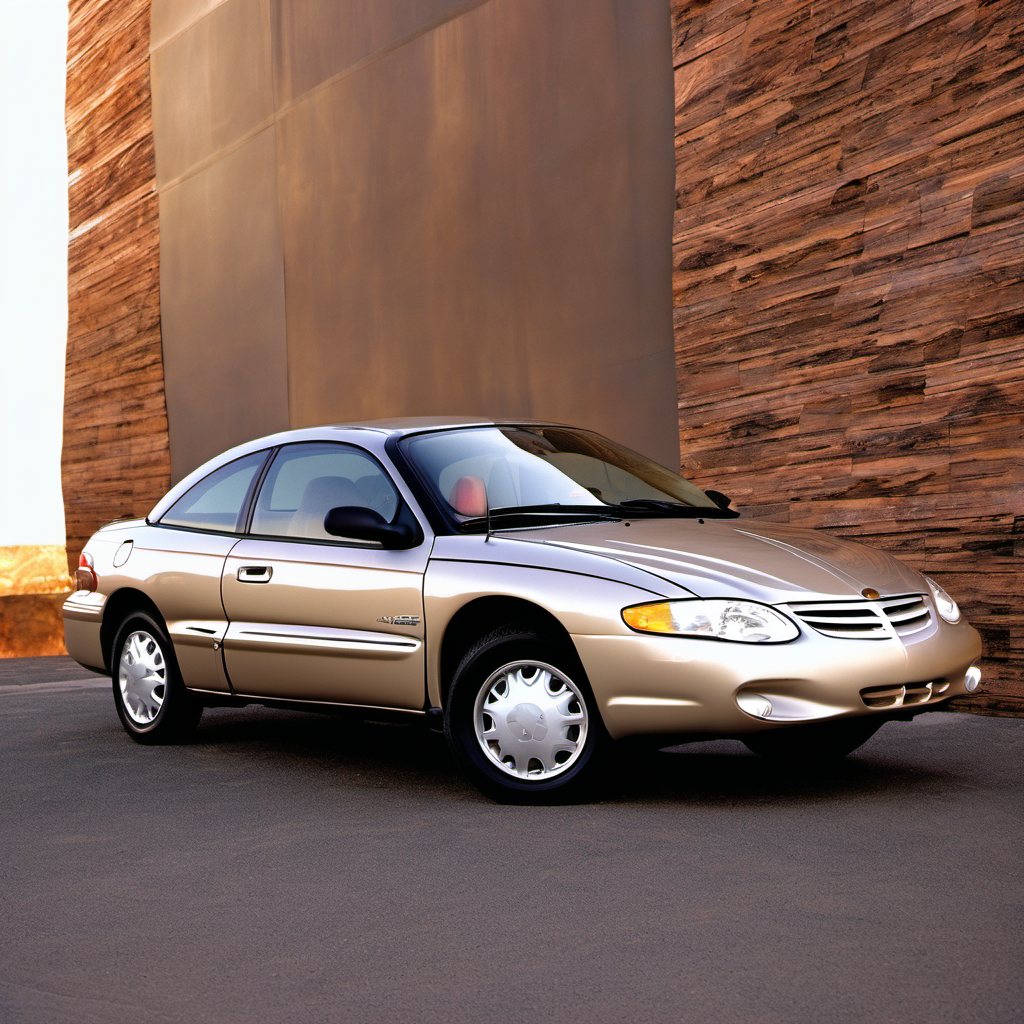
1998 Chrysler Sebring Convertible
1998 Chrysler
Sebring Convertible

Roomier four-seat convertible at a comparable used price. Easier and cheaper to repair, though less premium feel than the VW.
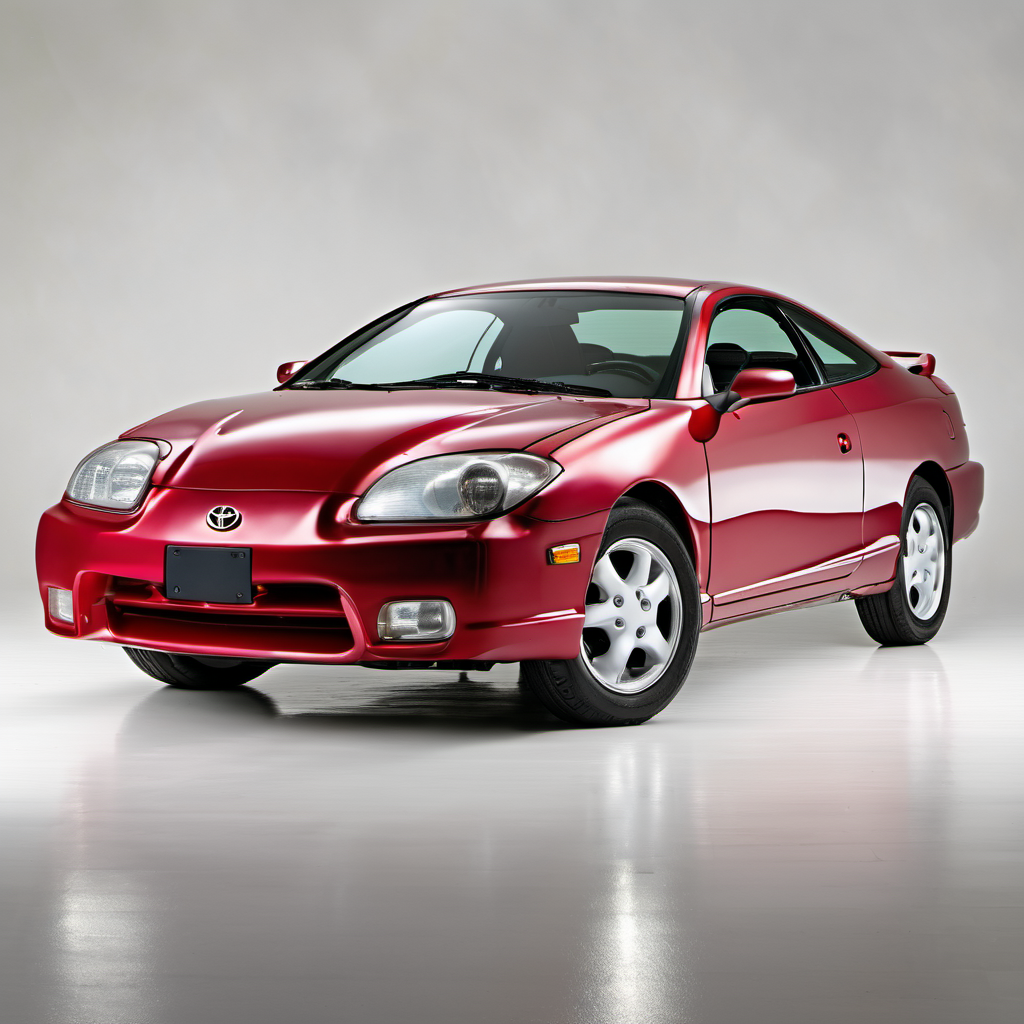
1998 Toyota Celica
1998 Toyota
Celica

Not a convertible, but a comparable budget European-feel coupe with dramatically better long-term reliability.

1999 BMW
318i Convertible

Similar European convertible experience and era. Higher repair costs but stronger chassis and more driver engagement.

No catalog match

If you're shopping for one

Red flags
  • Any rust perforation in the floor pans or rocker panels — structural repair on a convertible unibody is very costly
  • A soft top that binds, won't latch, or has a cracked rear window — budget $800–$2,000 minimum to address
  • Coolant overflow bottle that is murky brown or low with no explanation
  • No record of timing belt service on a car over 60k miles
  • Electrical issues like inoperative windows, dash warning lights, or intermittent starting — wiring harness problems are expensive to trace on this generation
  • Evidence of water intrusion inside the cabin (musty smell, stained carpet, bubbling dash padding)
What to inspect
  • Pull back the carpet in the trunk/storage well and check for rust or standing water — soft top drain clogs are common and cause hidden rot
  • Operate the convertible top through a full cycle — listen for straining motors or binding cables, and check that latches click securely
  • Inspect the rear window for delamination, crazing, or tears — replacement is expensive
  • Check all weatherstripping for cracking or gaps, then look at the headliner and carpet for water staining
  • Do a cold start and watch the temperature gauge reach operating temp — any overheating or slow warm-up points to a stuck thermostat
  • Look at the underside of the car: rocker panels, floor pans, and subframe mounting points for rust perforation
  • Check engine bay for coolant residue around plastic hose connections and the thermostat housing
  • Verify the timing belt service history — if unknown, budget for immediate replacement before purchase
AI profile generated 12 days ago · claude-sonnet-4-6 · v2.