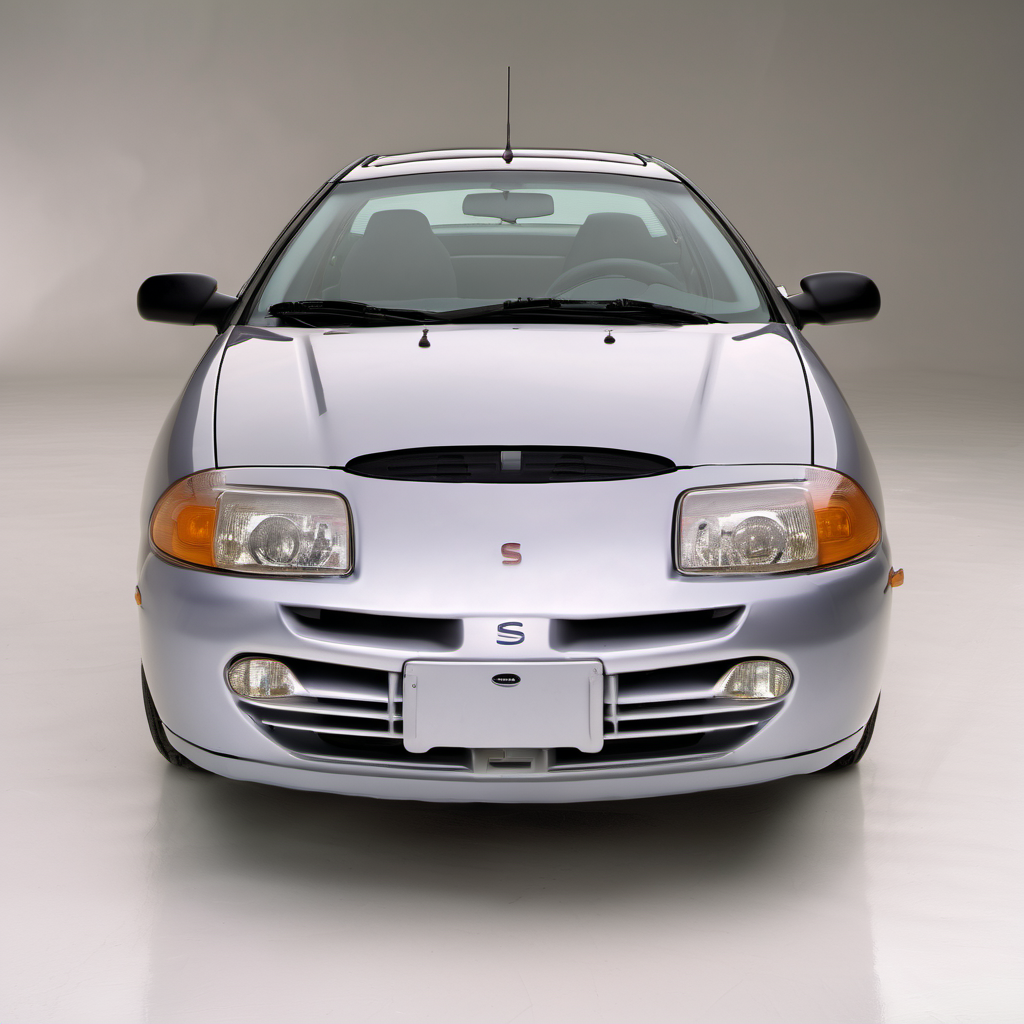
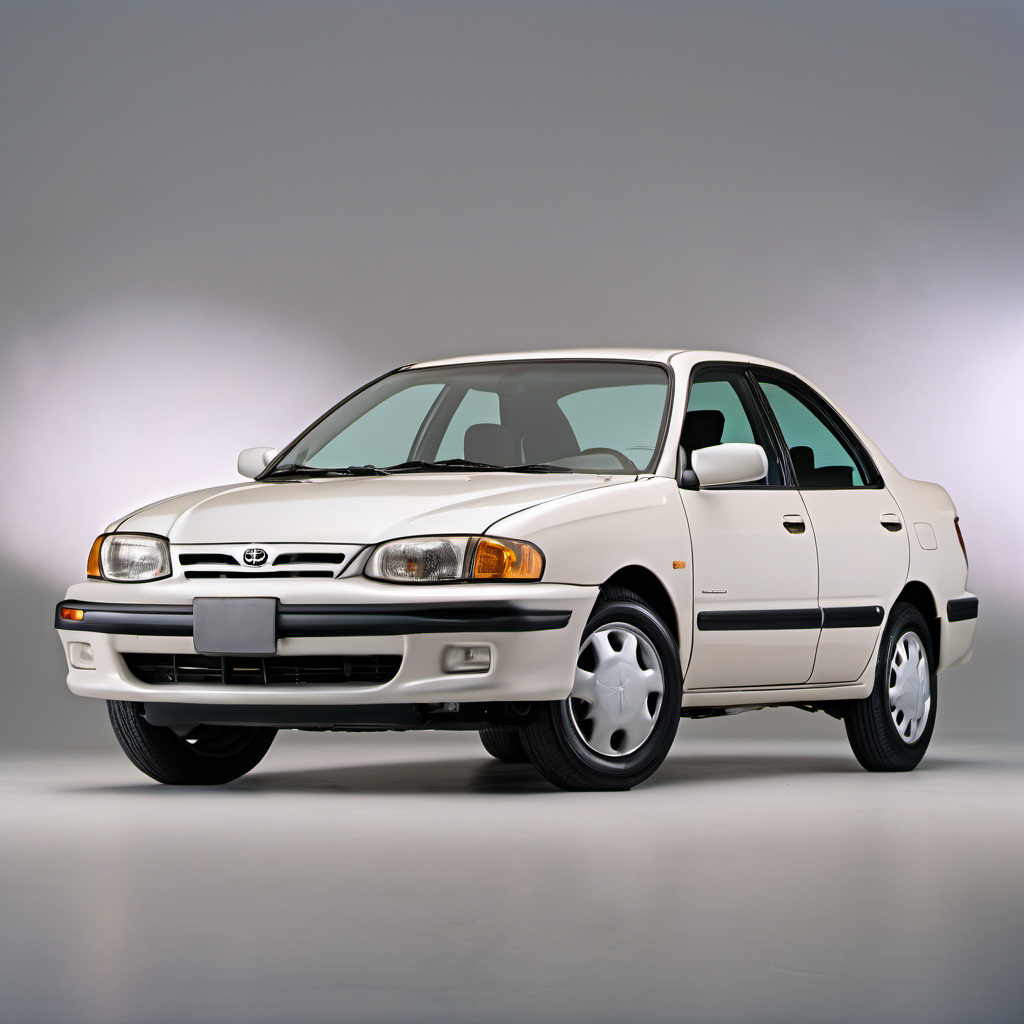
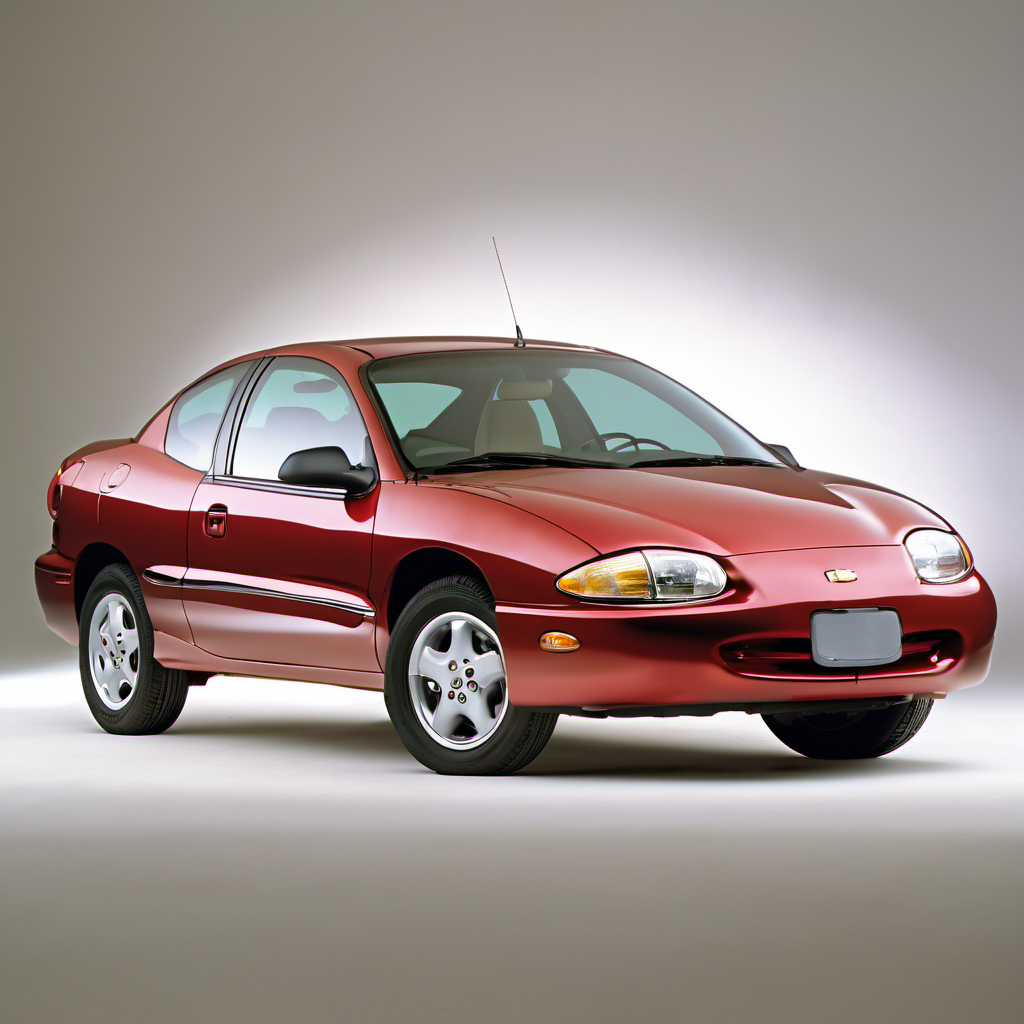
1998 Saturn S-Series Coupe

1998 Saturn

S-SeriesCoupe

1.9L I4 DOHC (SC2) / 1.9L I4 SOHC (SC1) · Coupe

The 1998 Saturn SC (S-Series Coupe) is a compact, front-wheel-drive sport coupe built at Saturn's Spring Hill, Tennessee plant. Available as the SC1 (1.9L SOHC) or SC2 (1.9L DOHC), it was Saturn's sporty offering in an era when the brand was earning a loyal following for straightforward, low-drama ownership. The polymer body panels resist dents and minor rust, making it a smart pick in salt-belt states like Wisconsin — though the steel subframe and undercarriage still need attention. At nearly 26 years old, surviving examples carry high mileage and years of deferred maintenance. The 1.9L four-cylinder is known for being simple and repairable, but oil consumption and timing chain wear are genuine concerns at this age. Parts availability is tightening as Saturn has been out of production since 2010, so sourcing certain items may require specialty suppliers or salvage yards. This is primarily a budget commuter or second-car purchase today. Expect to spend money on rubber, cooling system components, and potentially oil control issues. With proper inspection and realistic expectations, a well-kept SC can still be a reliable daily driver — but skip the ones that have been neglected.

Reliability
3/5
Verified data
Engine
1.9L I4 DOHC (SC2) / 1.9L I4 SOHC (SC1)
Drivetrain
FWD
Fuel
Gasoline
MPG
28 city / 38 hwy / 32 combined
Seats
5
Doors
3
Body
Coupe
MSRP
$13,495

Overview

AI-curated

The 1998 Saturn SC (S-Series Coupe) is a compact, front-wheel-drive sport coupe built at Saturn's Spring Hill, Tennessee plant. Available as the SC1 (1.9L SOHC) or SC2 (1.9L DOHC), it was Saturn's sporty offering in an era when the brand was earning a loyal following for straightforward, low-drama ownership. The polymer body panels resist dents and minor rust, making it a smart pick in salt-belt states like Wisconsin — though the steel subframe and undercarriage still need attention. At nearly 26 years old, surviving examples carry high mileage and years of deferred maintenance. The 1.9L four-cylinder is known for being simple and repairable, but oil consumption and timing chain wear are genuine concerns at this age. Parts availability is tightening as Saturn has been out of production since 2010, so sourcing certain items may require specialty suppliers or salvage yards. This is primarily a budget commuter or second-car purchase today. Expect to spend money on rubber, cooling system components, and potentially oil control issues. With proper inspection and realistic expectations, a well-kept SC can still be a reliable daily driver — but skip the ones that have been neglected.

Known for
  • Polymer (dent-resistant, corrosion-resistant) body panels
  • Simple, accessible 1.9L four-cylinder engine
  • Sporty three-door coupe styling with a functional rear quarter window
  • No-haggle Saturn dealer experience and strong early owner loyalty
  • Lightweight construction contributing to decent fuel economy
Best for
  • Budget-conscious commuters needing a fuel-efficient coupe
  • DIY mechanics comfortable with older, simple platforms
  • Second-car or college-car buyers in the upper Midwest who appreciate rust-resistant body panels
  • Owners who want low insurance costs
Watch for
  • Oil consumption — 1.9L engines are known to burn oil between changes at higher mileage
  • Timing chain stretch and guide wear on high-mileage examples
  • Coolant leaks from the intake manifold gasket and radiator
  • Tightening parts supply — some Saturn-specific components are getting scarce
  • Rust on steel subframe, brake lines, and undercarriage despite rust-free body panels

Common issues by mileage

6 known

Oil Consumption / Valve Stem Seal Wear

high
Typically appears
80k+ mi
Estimated repair
$300 – $800

Timing Chain Stretch and Guide Failure

medium
Typically appears
100k–150k mi
Estimated repair
$400 – $900

Coolant Leak — Intake Manifold Gasket / Radiator

high
Typically appears
70k–130k mi
Estimated repair
$150 – $500

Oxygen Sensor Failure (upstream heater circuit)

medium
Typically appears
80k–120k mi
Estimated repair
$100 – $250

Worn Struts / Control Arm Bushings

high
Typically appears
90k+ mi
Estimated repair
$300 – $700

Ignition Module / Coil Pack Failure

medium
Typically appears
80k–130k mi
Estimated repair
$100 – $300

Maintenance schedule

  1. 1
    Every 3,000–4,000 miles given known oil consumption Engine oil and filter change

    The 1.9L burns oil on high-mileage examples. Shorter intervals let you monitor consumption and prevent low-oil damage. Check the dipstick between changes.

  2. 2
    Every 2 years or 30k miles; inspect hoses annually Coolant flush and hose inspection

    At this age, original coolant hoses are far past their designed life. A burst hose in a Wisconsin winter is a breakdown and potential engine overheat.

  3. 3
    Inspect at next major engine access opportunity; replace if rattling on cold start Timing chain inspection

    Chain guides wear out over time. A loose chain causes timing issues and can lead to severe engine damage if it jumps or breaks.

  4. 4
    Every 60k miles or at first sign of cracking/glazing Serpentine belt and tensioner replacement

    Original belts are long overdue on any surviving 1998. A snapped belt kills charging and cooling instantly.

  5. 5
    Every year, before winter Brake line inspection (steel lines under the car)

    Wisconsin road salt attacks the steel brake lines. Polymer body panels hide this threat — the undercarriage rusts while the car looks clean. Rusty brake lines are a critical safety failure.

  6. 6
    Every 30k miles Fuel filter replacement

    Old fuel filters restrict flow and stress the fuel pump. Pumps are harder to source for this platform — protecting the pump is worthwhile.

  7. 7
    Every 30k miles Spark plugs and wires

    Worn plugs and cracked ignition wires cause misfires and poor cold starts, which are especially problematic at sub-zero Wisconsin temperatures.

  8. 8
    Every 2 years or 25k miles Suspension bushing and strut inspection

    At this age, rubber bushings are dried and cracked. Worn struts and bushings hurt handling and accelerate tire wear — especially important on Wisconsin's freeze-thaw-damaged roads.

Always defer to the manufacturer's service manual for warranty-mandated intervals.

Cost of ownership

Annual maintenance
$600 – $1,800
Fuel
Excellent — 32 MPG combined means roughly $1,000–$1,300/year at average Wisconsin fuel prices and typical 12k miles driven annually.
Insurance
Among the cheapest vehicles to insure — low value, low horsepower, and no high-theft profile keep rates very low. Expect $600–$900/year for full coverage on a clean driving record.

The Saturn SC is cheap to fuel and insure, but at 26 years old, maintenance costs are the wildcard. A car that's had recent work done (timing chain, cooling system, suspension) can be owned for $600–$900/year in routine upkeep. One that hasn't? You may face $1,500–$2,500 in deferred work in year one. Always buy with a pre-purchase inspection — it's worth more than the car's purchase price in peace of mind.
Seasonal care

Lake Geneva, WI
Winter
  • Switch to a 5W-30 full synthetic oil before temperatures drop below 0°F — the 1.9L needs quick cold-start lubrication to protect the timing chain guides.
  • Test the battery — anything over 4 years old should be load-tested. Cold-cranking amps drop sharply at sub-zero temps and this engine needs every amp to start reliably.
  • Inspect brake lines and steel fuel lines for rust perforation before the salt season begins. The polymer body hides how corroded the undercarriage can be.
  • Use winter-rated washer fluid rated to at least -20°F and keep the reservoir full — the 1.9L runs warm quickly but the windshield stays cold.
  • Check all door and trunk seals for cracking; apply rubber conditioner to prevent freezing. Saturn's door seals are age-brittle on 26-year-old cars.
  • Keep the gas tank at least half full to prevent moisture condensation in the tank and fuel line freeze-up.
Summer
  • Inspect the coolant system thoroughly before hot weather — a failing radiator or cracked hose that survives winter can fail fast under summer heat loads.
  • Check A/C refrigerant charge and inspect the cabin air intake; if A/C output is weak, have the system pressure-tested before July.
  • Monitor tire pressure weekly — pressures drop roughly 1 PSI per 10°F of temperature change, and under-inflated tires wear unevenly and handle poorly.
  • Check for heat soak hard-start issues (crank, no start after sitting in the sun) — a sign of a failing coolant temp sensor or fuel pressure regulator on high-mileage examples.
  • Inspect the serpentine belt for cracking or glazing; summer heat accelerates rubber degradation on an already-old belt.

Comparable vehicles

If you're shopping for one

Red flags
  • Timing chain rattle on cold start — walk away unless priced accordingly and you're prepared for immediate engine work.
  • Any rust on brake or fuel lines — this is a safety issue that can be expensive to repair correctly.
  • White smoke from the exhaust on a warm engine — indicates head gasket failure on a 1.9L that may not be worth repairing.
  • No maintenance records whatsoever — on a 26-year-old budget car, no history means assume nothing has been done.
  • Asking price above $3,000 — at this age and mileage, the market value is low; an inflated price suggests the seller doesn't understand the market or is hiding known issues.
  • Fresh paint or body filler on steel panels (hood, roof) — may indicate a hidden collision that damaged structural components even though the polymer panels were replaced.
What to inspect
  • Pull the oil dipstick — look for milky or sludgy oil indicating coolant intrusion or severe neglect.
  • Cold-start the engine and listen for timing chain rattle in the first 5–10 seconds; this is a major red flag.
  • Crawl under the car and inspect steel brake lines, fuel lines, and the subframe for rust — the body panels will look fine but the undercarriage may be rotted.
  • Check coolant reservoir for brown discoloration or oily film, which signals a head gasket or intake manifold gasket leak.
  • Verify the A/C blows cold — recharging and repairing the A/C on a 26-year-old Saturn can cost more than the car is worth.
  • Check for oil fouling on spark plugs; pull one if possible. Heavy black or oily deposits confirm the engine is burning oil.
  • Test all power windows and the rear quarter glass mechanism — Saturn's small rear windows are electrically operated and the motors are hard to source.
  • Confirm the spare tire, jack, and lug wrench are present — these compact-spare setups are often missing on cars this age.
AI profile generated 11 days ago · claude-sonnet-4-6 · v2.