Intermediate Shaft (IMS) Bearing Failure
high- Typically appears
- 50–120k mi
- Estimated repair
- $2,500 – $8,000
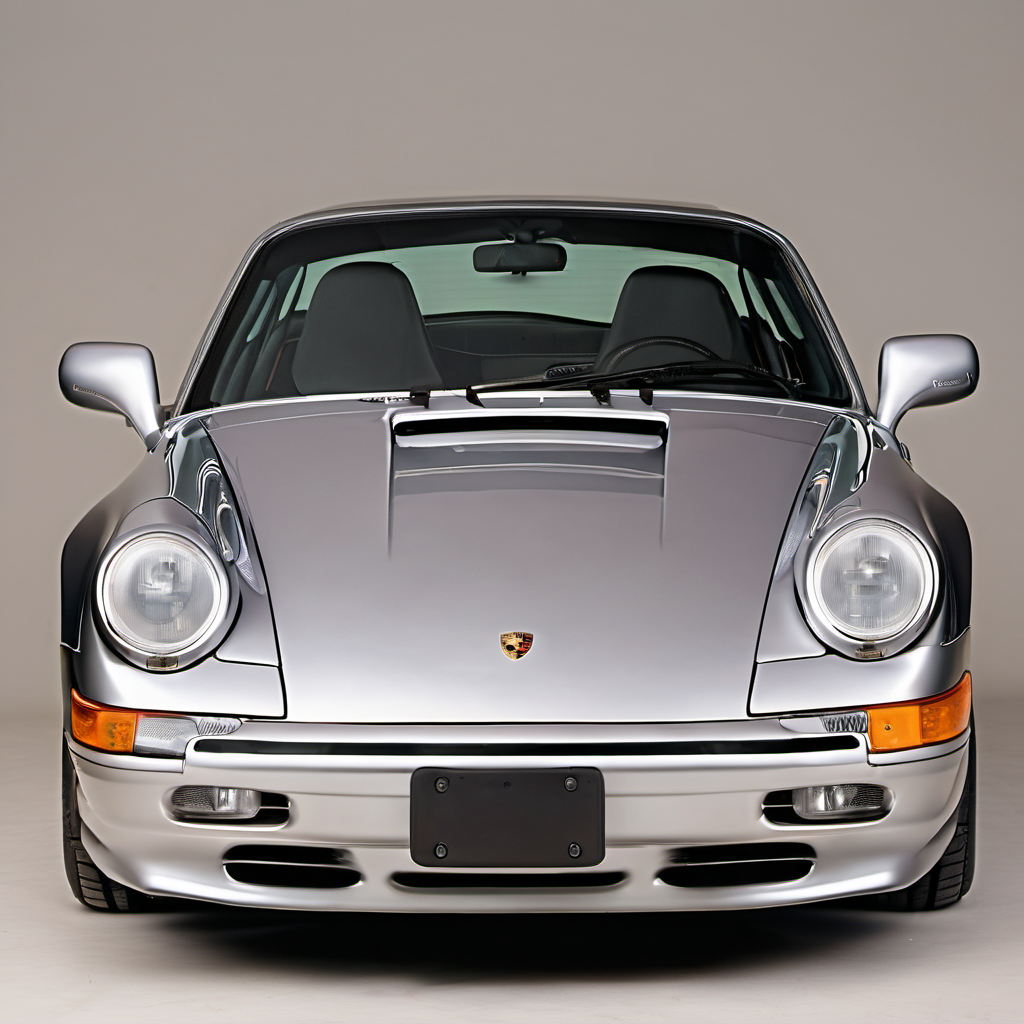
1998 Porsche
Coupe
The 1998 Porsche 911 (996 generation) marked a significant turning point in 911 history — it was the first water-cooled 911 after decades of air-cooled engines, and the first to share its basic architecture with the Boxster. The 3.4L flat-six (Carrera) or 3.6L (Carrera 4S/Turbo variants) delivers a high-revving, rewarding driving experience that has made the 911 the benchmark sports car for over 50 years. Styling was controversial at launch due to the 'fried egg' headlights borrowed from the Boxster, but the car is now well-regarded as a driver's machine. The 996 is one of the most affordable entry points into 911 ownership today, but it carries specific and well-documented mechanical risks that a buyer must take seriously — particularly the intermediate shaft (IMS) bearing failure and the infamous Lokasil cylinder liner issue on early 3.4L engines. The 3.6L engine in this vehicle (found in the Carrera 4S and Turbo) has a different bore construction and is generally considered more durable in that regard, but the IMS concern still applies. For a Lake Geneva area owner, this car is best treated as a fair-weather or track-day driver. It is rear-wheel drive with a rear-engine layout that demands respect in snow and ice. Winter storage is strongly recommended rather than year-round use on Wisconsin salt roads.
The 1998 Porsche 911 (996 generation) marked a significant turning point in 911 history — it was the first water-cooled 911 after decades of air-cooled engines, and the first to share its basic architecture with the Boxster. The 3.4L flat-six (Carrera) or 3.6L (Carrera 4S/Turbo variants) delivers a high-revving, rewarding driving experience that has made the 911 the benchmark sports car for over 50 years. Styling was controversial at launch due to the 'fried egg' headlights borrowed from the Boxster, but the car is now well-regarded as a driver's machine. The 996 is one of the most affordable entry points into 911 ownership today, but it carries specific and well-documented mechanical risks that a buyer must take seriously — particularly the intermediate shaft (IMS) bearing failure and the infamous Lokasil cylinder liner issue on early 3.4L engines. The 3.6L engine in this vehicle (found in the Carrera 4S and Turbo) has a different bore construction and is generally considered more durable in that regard, but the IMS concern still applies. For a Lake Geneva area owner, this car is best treated as a fair-weather or track-day driver. It is rear-wheel drive with a rear-engine layout that demands respect in snow and ice. Winter storage is strongly recommended rather than year-round use on Wisconsin salt roads.
This is the single most important preventive job on a 996. If there is no documentation that it was done, budget for it immediately. Doing it alongside an RMS replacement saves significant labor cost since the transmission must come out for both.
Labor overlap with IMS work makes combining these jobs the economical choice. An RMS leak left unaddressed can contaminate the clutch and lead to much larger bills.
The 996 flat-six runs hot and depends on clean oil for IMS bearing lubrication. Don't stretch intervals. Annual changes are minimum even for low-mileage cars.
Water pumps on the 996 are known to weep before failing outright. Inspect the weep hole at each service. Coolant degradation accelerates corrosion in the aluminum cooling system.
Worn plugs on this high-compression engine cause misfires, reduced power, and increased stress on ignition coils. Access on a flat-six is more involved than a typical inline engine.
Porsche specifies a 2-year brake fluid interval due to hygroscopic fluid absorbing moisture over time, which lowers boiling point — critical on a performance car. This is non-negotiable for track use.
Belt-driven accessories on the 3.6L should be inspected for cracking and glazing. Failure leaves you stranded and can cause secondary damage.
Performance tires on a 3,000-lb RWD sports car are a safety item, not a wear item. Age-hardened tires lose grip dramatically. Wisconsin temperature swings (summer to winter) accelerate sidewall cracking.
Always defer to the manufacturer's service manual for warranty-mandated intervals.
The 996 911 is deceptively affordable to buy but demands a real maintenance budget. Routine annual costs (oil, brakes, tires, fluids) run $1,800–$2,500 for a well-sorted car. If the IMS/RMS work hasn't been done, plan for a $3,000–$4,500 job up front. Major work — clutch, suspension refresh, cooling system — pushes single-year costs well above $5,000. Budget accordingly and use a Porsche-specialist independent shop; dealer pricing on this car is substantially higher.
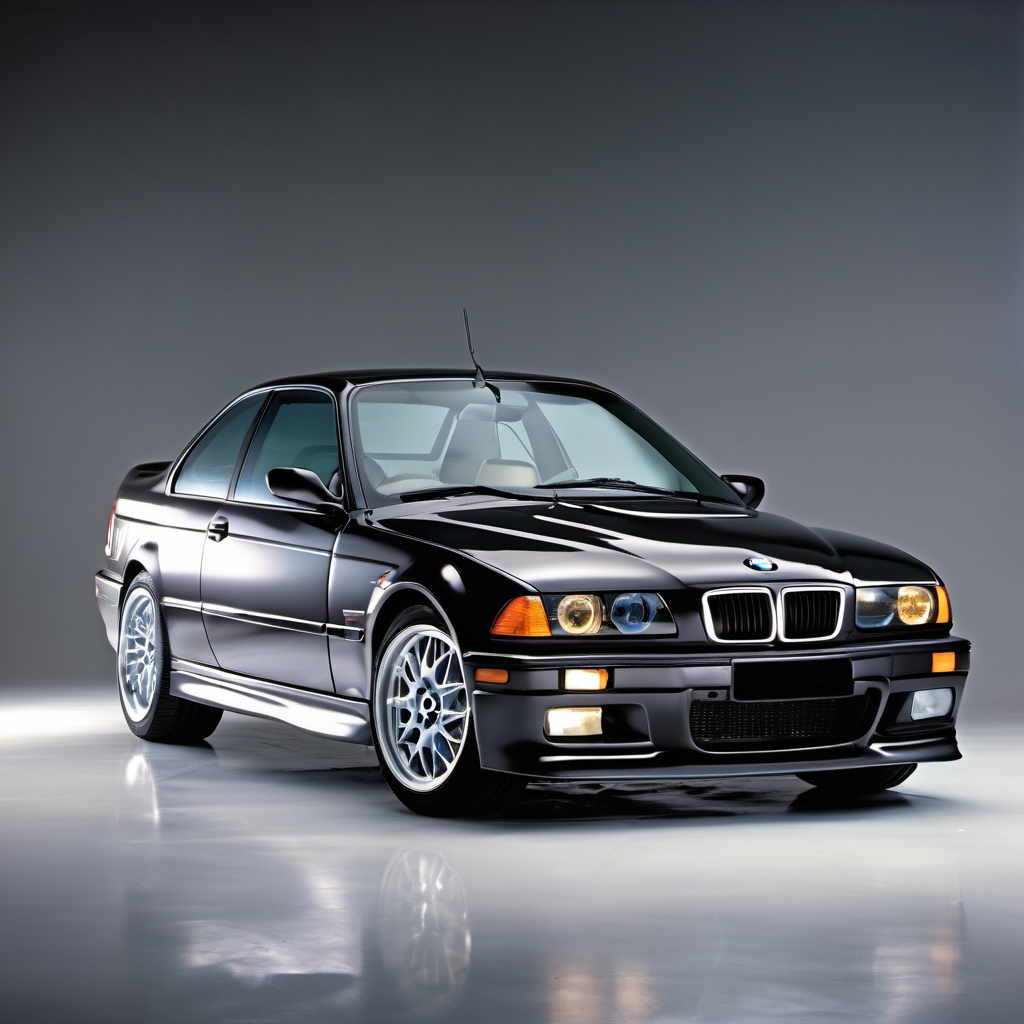
E36 M3 is a similar-era RWD German sports coupe with strong driver engagement, a high-revving inline-six, and a comparable enthusiast community. Generally cheaper to maintain than the 911.
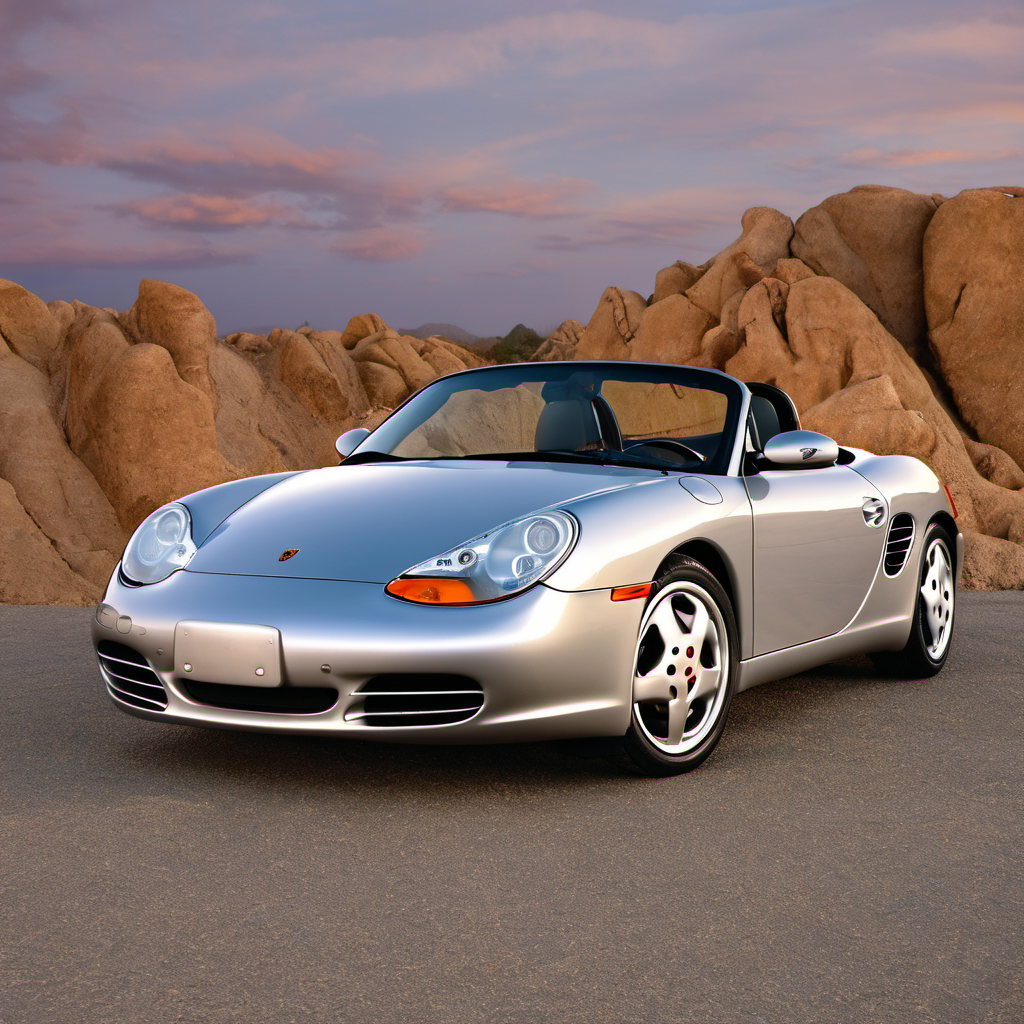
Shares the 996 platform and many components, including the IMS vulnerability. Offers a similar driving experience at a lower entry price and is a direct sibling model.
For buyers at the upper end of the 996's market, the F355 offers mid-engine exotica at a similar used price point, though with substantially higher maintenance costs.
No catalog match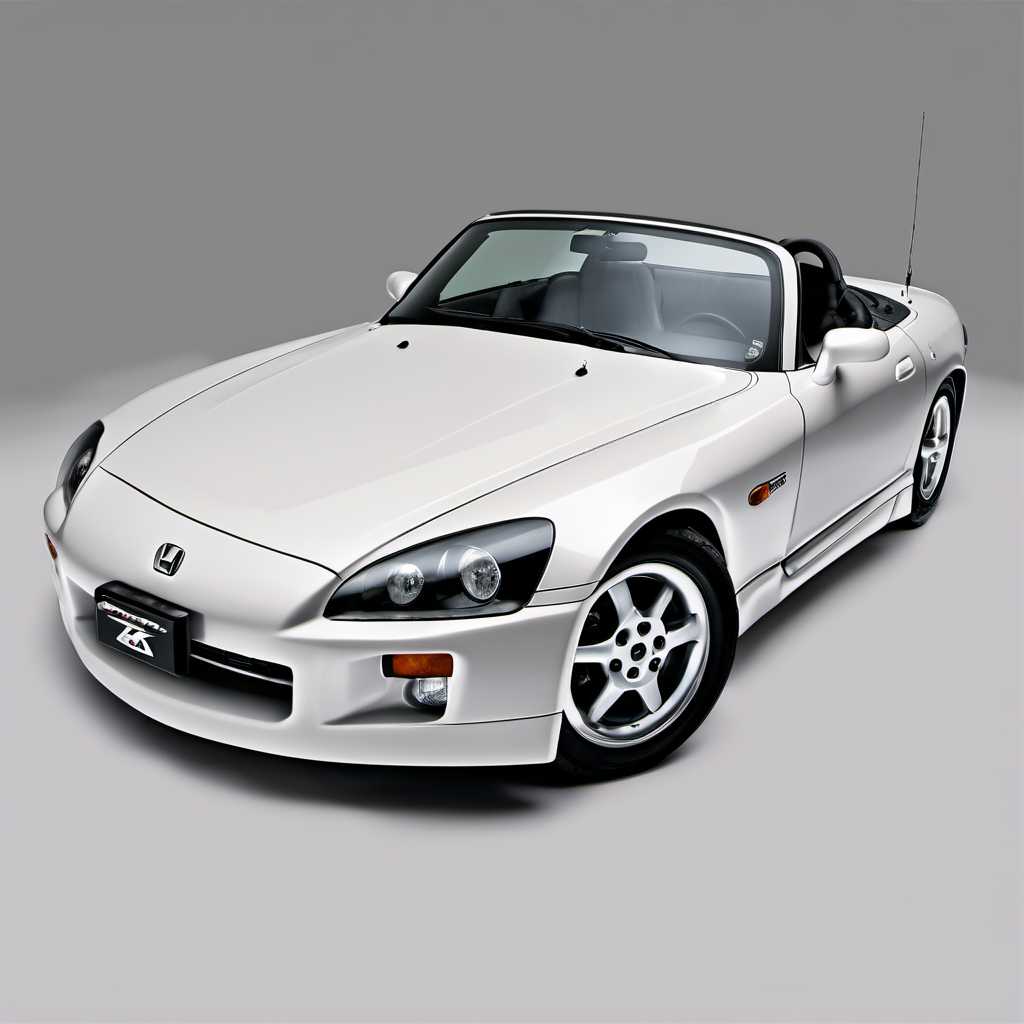
A more accessible RWD roadster with a legendary high-revving engine and near-bulletproof reliability — a practical alternative for buyers who want sports car feel with lower ownership risk.