Cooling system failure (expansion tank, hoses, water pump)
high- Typically appears
- 60k–100k+ mi / any age
- Estimated repair
- $600 – $1,400
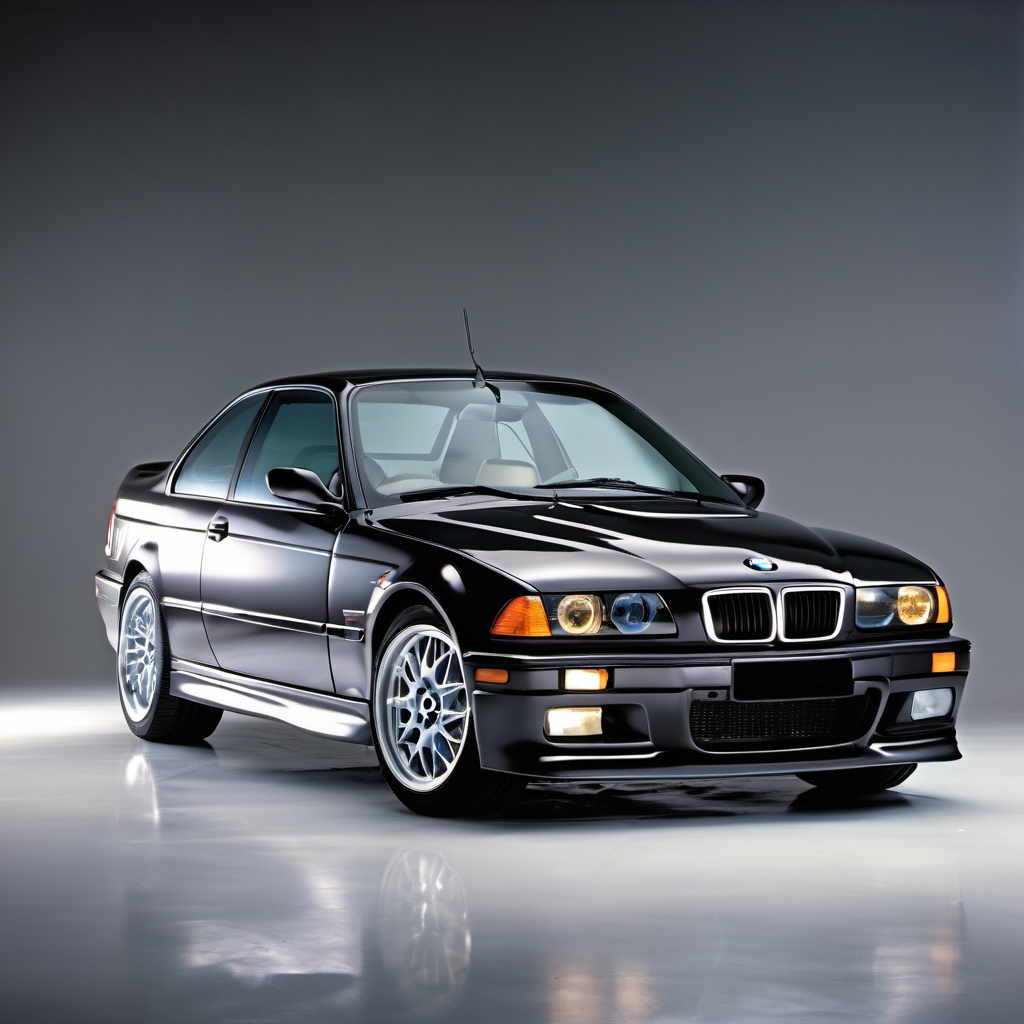
1998 BMW
3.2L S52 I6 · Convertible
The 1998 BMW M3 Convertible (E36 generation) is a hand-built, high-revving sport convertible that remains one of BMW's most celebrated driver's cars. Powered by BMW's S52 inline-six — a 3.2L unit producing 240 hp in North American spec — it pairs a willing, naturally aspirated engine with a chassis that rewards skilled drivers. The E36 M3 Convertible adds open-air enjoyment at the cost of some structural rigidity and added weight versus the coupe, but the experience is deeply satisfying on a summer back road. Now 25+ years old, these cars are firmly in enthusiast/collector territory. Most survivors have either been meticulously maintained by passionate owners or badly neglected and repaired on the cheap. Low-mileage examples are increasingly rare and command premium prices. Budget-priced examples almost always have deferred maintenance or hidden body/mechanical issues that a pre-purchase inspection will surface. Ownership is rewarding but requires commitment. Parts availability is still reasonable thanks to a global enthusiast community, but labor costs add up quickly given the complexity of the S52 engine and the age-related issues every example now carries. This is not a car to buy as a carefree daily driver.
The 1998 BMW M3 Convertible (E36 generation) is a hand-built, high-revving sport convertible that remains one of BMW's most celebrated driver's cars. Powered by BMW's S52 inline-six — a 3.2L unit producing 240 hp in North American spec — it pairs a willing, naturally aspirated engine with a chassis that rewards skilled drivers. The E36 M3 Convertible adds open-air enjoyment at the cost of some structural rigidity and added weight versus the coupe, but the experience is deeply satisfying on a summer back road. Now 25+ years old, these cars are firmly in enthusiast/collector territory. Most survivors have either been meticulously maintained by passionate owners or badly neglected and repaired on the cheap. Low-mileage examples are increasingly rare and command premium prices. Budget-priced examples almost always have deferred maintenance or hidden body/mechanical issues that a pre-purchase inspection will surface. Ownership is rewarding but requires commitment. Parts availability is still reasonable thanks to a global enthusiast community, but labor costs add up quickly given the complexity of the S52 engine and the age-related issues every example now carries. This is not a car to buy as a carefree daily driver.
The VANOS unit is directly lubricated by engine oil. Dirty or degraded oil accelerates VANOS wear, leading to expensive repairs. This is the single most important maintenance item on the S52.
All plastic cooling components are at least 25 years old. Catastrophic overheating from a split hose or cracked expansion tank can destroy the engine. Proactive replacement is far cheaper than head gasket or engine repair.
Worn VANOS seals cause loss of low-end torque and rough cold starts. Rebuild kits are available and the job is well-documented; catching it early prevents damage to the solenoids and timing components.
Cracking at the trailing-arm mounting points is a documented E36 Convertible weakness. Early detection allows welded reinforcement; a fully cracked subframe is a much larger repair.
Hydraulic cylinders leak over time, causing slow or failed top operation. Weatherstripping hardens in Wisconsin winters and leads to water intrusion and interior damage.
The S52 is sensitive to ignition misfire at high RPM. Fresh plugs and healthy coils keep the engine running cleanly and protect the catalytic converters.
BMW recommends this interval because brake fluid absorbs moisture over time, raising the risk of brake fade and caliper corrosion — critical on a high-performance RWD car.
Road salt is the primary killer of E36 values in the upper Midwest. Check the floor pans, sill seams, rear wheel arches, and subframe mounting points for rust every spring.
Always defer to the manufacturer's service manual for warranty-mandated intervals.
Annual maintenance costs are wide-ranging because the car's condition at purchase varies enormously. A freshly sorted example with recent cooling, VANOS, and suspension work might cost $1,500/year to maintain. An example with deferred maintenance can easily consume $4,000–$6,000 in the first year of ownership catching up on neglected systems. Budget accordingly and get a pre-purchase inspection — it pays for itself every time on a car this age.
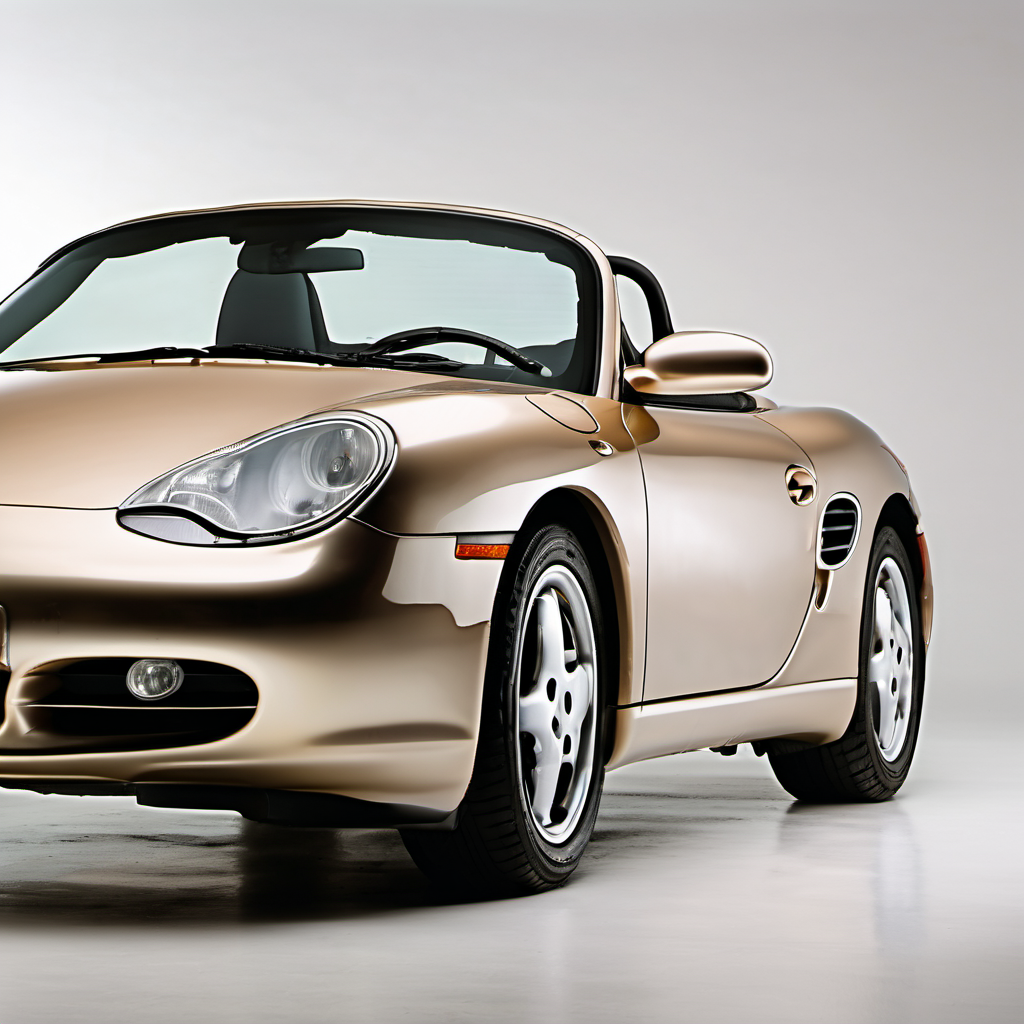
Same era, RWD open-top sports car with a high-revving naturally aspirated flat-six. Similar enthusiast appeal, comparable running costs, and a similarly devoted owner community. Generally more mid-engine balanced but with its own IMS bearing concerns.
Contemporary German sport convertible in a similar price bracket. Less performance-focused but more practical as a daily driver, with a folding hardtop that eliminates many of the soft-top weatherstripping headaches.
No catalog matchSlightly later but the closest Japanese analog — RWD, naturally aspirated high-revving engine, pure driver's car ethos. Significantly more reliable and cheaper to maintain, though it gives up some refinement and torque.
No catalog match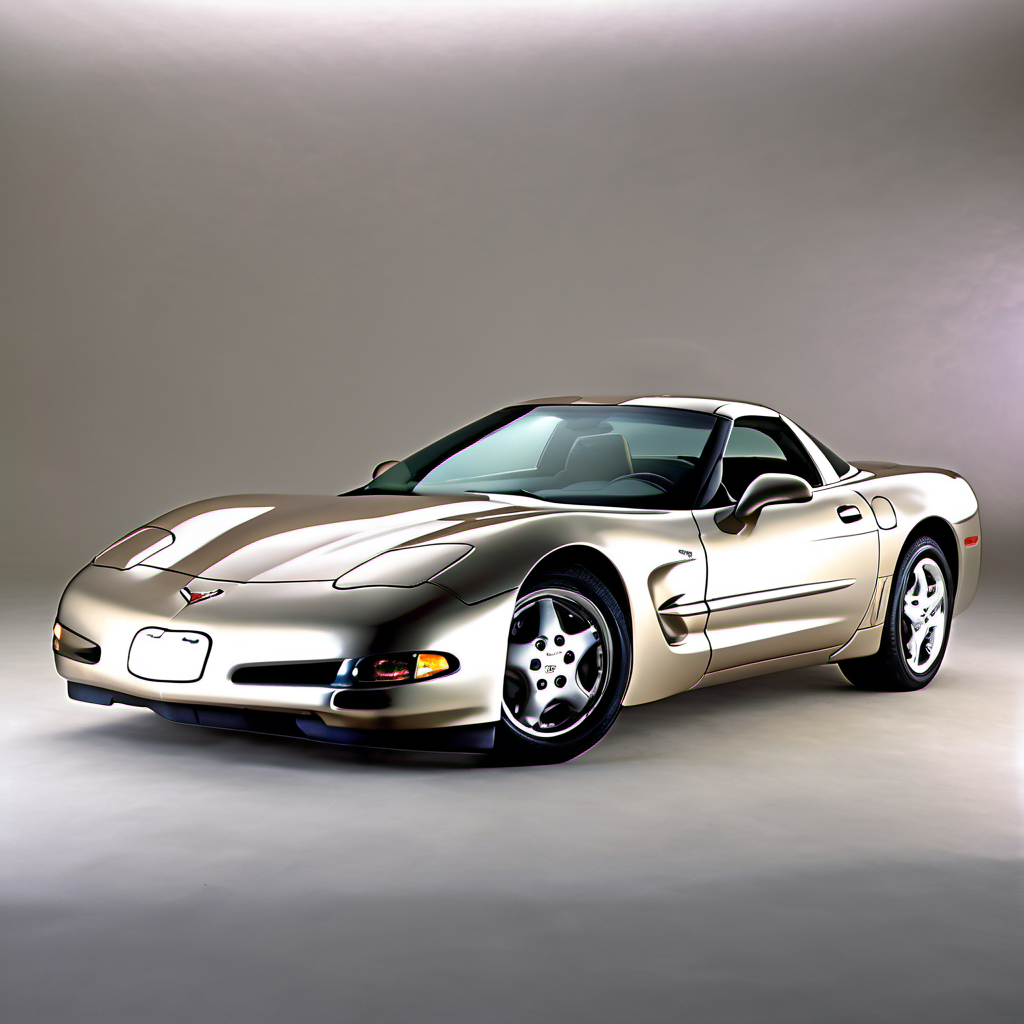
American RWD sports car at a similar or lower used price point. C5 Corvette offers significantly more power and is generally cheaper to maintain, though it trades European handling nuance for straight-line performance.