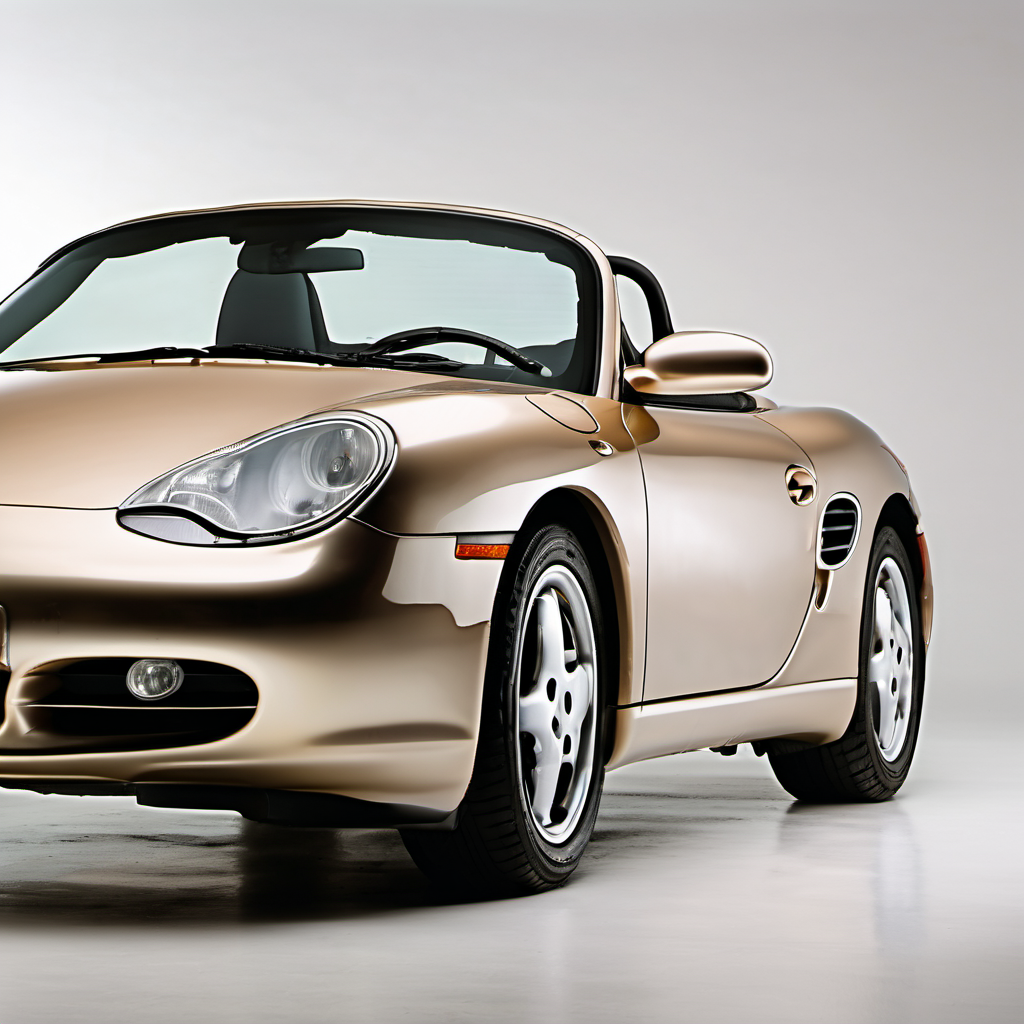
1997 Porsche Boxster Convertible

1997 Porsche

BoxsterConvertible

Convertible

The 1997 Porsche Boxster was a landmark car — Porsche's first mid-engine roadster since the 914, and the model that financially rescued the company in the late 1990s. Built on a platform shared with the 996-generation 911, it offered genuinely sports-car handling at a price point far below a 911. The first-year 986 Boxster came with a 2.5L flat-six mounted behind the cockpit, a 5-speed manual or optional Tiptronic, and a fully automated soft top. As a 1997 first-model-year example, this Boxster carries some of the highest risk in the entire 986 run. Early production cars are known for the infamous intermediate shaft (IMS) bearing failure, a design flaw in the flat-six that can cause catastrophic engine destruction with little warning. That issue, combined with RMS (rear main seal) leaks and early soft-top reliability, means this car demands thorough pre-purchase inspection and proactive maintenance. That said, a well-maintained or already-sorted 1997 Boxster is an accessible, rewarding sports car. Running costs are reasonable compared to other European sports cars of the era, a large enthusiast community keeps parts available, and the driving experience remains competitive even by modern standards.

Reliability
2/5
Verified data
Specs shown for Boxster — the most common configuration. Other trims may vary in engine, drivetrain, or fuel economy. Sign in to see your vehicle's exact specs.
Engine
[object Object]
Drivetrain
RWD
Fuel
Premium gasoline
MPG
17 city / 24 hwy / 20 combined
Seats
Doors
Body
Two Seaters

Overview

AI-curated

The 1997 Porsche Boxster was a landmark car — Porsche's first mid-engine roadster since the 914, and the model that financially rescued the company in the late 1990s. Built on a platform shared with the 996-generation 911, it offered genuinely sports-car handling at a price point far below a 911. The first-year 986 Boxster came with a 2.5L flat-six mounted behind the cockpit, a 5-speed manual or optional Tiptronic, and a fully automated soft top. As a 1997 first-model-year example, this Boxster carries some of the highest risk in the entire 986 run. Early production cars are known for the infamous intermediate shaft (IMS) bearing failure, a design flaw in the flat-six that can cause catastrophic engine destruction with little warning. That issue, combined with RMS (rear main seal) leaks and early soft-top reliability, means this car demands thorough pre-purchase inspection and proactive maintenance. That said, a well-maintained or already-sorted 1997 Boxster is an accessible, rewarding sports car. Running costs are reasonable compared to other European sports cars of the era, a large enthusiast community keeps parts available, and the driving experience remains competitive even by modern standards.

Known for
  • Mid-engine handling balance and precise steering
  • Fully automated power soft top
  • Flat-six soundtrack at high revs
  • Shared 996-era Porsche platform quality
  • Strong enthusiast and parts community
Best for
  • Driving enthusiasts who want a true sports car experience
  • Weekend and fair-weather use in Lake Geneva summers
  • Buyers willing to invest in preventive maintenance up front
  • Owners comfortable sourcing specialist Porsche independent shops
Watch for
  • IMS (intermediate shaft) bearing failure — can destroy the engine without warning
  • Rear main seal (RMS) oil leaks are nearly universal on first-gen 986s
  • 1997 is a first model year — early production tolerances were tighter to resolve
  • Soft-top hydraulic system failures and torn convertible tops
  • This is not a Wisconsin winter daily driver — salt and cold are hard on this platform

Common issues by mileage

6 known

IMS (Intermediate Shaft) Bearing Failure

high
Typically appears
Any mileage — failure is unpredictable
Estimated repair
$6,000 – $14,000

Rear Main Seal (RMS) Oil Leak

high
Typically appears
50k–150k mi
Estimated repair
$1,200 – $2,500

Soft-Top Hydraulic System Failure / Torn Convertible Top

high
Typically appears
60k–150k mi
Estimated repair
$800 – $3,500

Coolant Leak / Coolant Pipe Deterioration

medium
Typically appears
80k–150k mi
Estimated repair
$400 – $1,200

Mass Air Flow (MAF) Sensor Failure / Oxygen Sensor Heater Circuit

medium
Typically appears
60k–120k mi
Estimated repair
$200 – $600

Window Regulator Failure (Door Glass Drop)

medium
Typically appears
60k–130k mi
Estimated repair
$300 – $700

Maintenance schedule

  1. 1
    Once — immediately if not documented IMS Bearing Replacement (if not already done)

    The single-row IMS bearing on the 2.5L is the car's biggest liability. Replacing it with an upgraded bearing while the engine is accessible (often paired with RMS replacement) is the single most important thing you can do for this car's longevity.

  2. 2
    Once — at or before any signs of oil leakage near the bellhousing Rear Main Seal (RMS) Replacement

    Almost every 986 leaks here eventually. Combining this job with the IMS replacement saves significant labor cost.

  3. 3
    Every 5,000 miles or annually — use Porsche-approved full synthetic Engine Oil and Filter Change

    Clean oil is the IMS bearing's best friend while it is still in service. Do not stretch intervals on this engine.

  4. 4
    Every 2 years / 30,000 miles Coolant Flush and Hose Inspection

    The plastic coolant distribution pipes behind the engine age and crack. Catching this before it causes overheating is far cheaper than head gasket or engine repair.

  5. 5
    Annually Soft-Top Hydraulic Fluid Check and Mechanism Inspection

    Hydraulic fluid levels drop as seals age, and operating a dry system burns out the pump. Inspect the top fabric and rear plastic window for cracking at the same time.

  6. 6
    Every 2 years regardless of mileage Brake Fluid Flush

    Porsche specifies this interval because DOT brake fluid absorbs moisture, which lowers boiling point. Wisconsin humidity accelerates this.

  7. 7
    Every 30,000 miles Spark Plug Replacement

    The 2.5L flat-six is fussy about spark quality. Worn plugs cause misfires and can mask other engine issues.

  8. 8
    Every winter storage season Battery Maintenance / Trickle Charger Use During Storage

    This car should not be driven on salted Wisconsin roads. Use a quality battery maintainer during winter storage to avoid a dead battery come spring, which can also reset critical ECU adaptations.

Always defer to the manufacturer's service manual for warranty-mandated intervals.

Cost of ownership

Annual maintenance
$1,500 – $4,000
Fuel
Premium (91+ octane) required. At 20 MPG combined and ~12,000 miles/year, expect $1,800–$2,400/year at current upper-Midwest prices.
Insurance
Typically $900–$1,600/year for a pleasure-use policy in the Lake Geneva area, depending on driving record and agreed value coverage. Recommend an agreed-value collector policy if the car is a fair-weather driver.

Day-to-day running costs for this Boxster are manageable if the big-ticket items (IMS, RMS) have already been addressed. If they haven't, budget $2,000–$4,000 to get the car properly sorted up front. Annual maintenance at an independent Porsche specialist runs $1,500–$4,000 depending on what comes up. Deferred maintenance on European sports cars always costs more than staying current — do not skip oil changes or fluid services on this engine.
Seasonal care

Lake Geneva, WI
Winter
  • Do NOT drive this car on salted Wisconsin roads. The 986 chassis has extensive exposed aluminum and steel surfaces that corrode quickly with road salt.
  • Store the car by late October. Before storage, fill the fuel tank and add a fuel stabilizer to prevent varnish buildup in the injection system.
  • Connect a quality battery maintainer for the full storage period — sub-zero temperatures will kill an aging battery quickly and can reset ECU adaptive settings.
  • Store with the soft top up and fully sealed to prevent the fabric and rear window from cracking under the weight of any debris or from UV exposure through a garage window.
  • Change the oil before storage, not in spring — old oil contains acids that will attack engine seals over a long idle period.
  • Check tire pressure in spring before first drive; tires lose roughly 1 PSI per 10°F drop and may be significantly under-inflated after a Wisconsin winter.
Summer
  • Check coolant level and condition before the driving season — the plastic coolant pipes are most likely to crack after the thermal stress of a cold winter followed by heat soak.
  • Inspect the soft-top fabric and rear plastic window for any cracking or separation that developed during winter storage. Top seals shrink in cold and may not seal properly until re-conditioned.
  • Monitor tire pressure regularly — temperatures above 85°F increase pressure; over-inflation reduces the handling precision this car is known for.
  • A/C performance check: the 986's A/C condenser is front-mounted and small — recharge if cooling is marginal before peak summer heat.
  • Inspect brake pads and rotors at the start of the season. If the car sat all winter, surface rust on rotors is normal and will clear after a few stops, but pad thickness should be verified.

Comparable vehicles

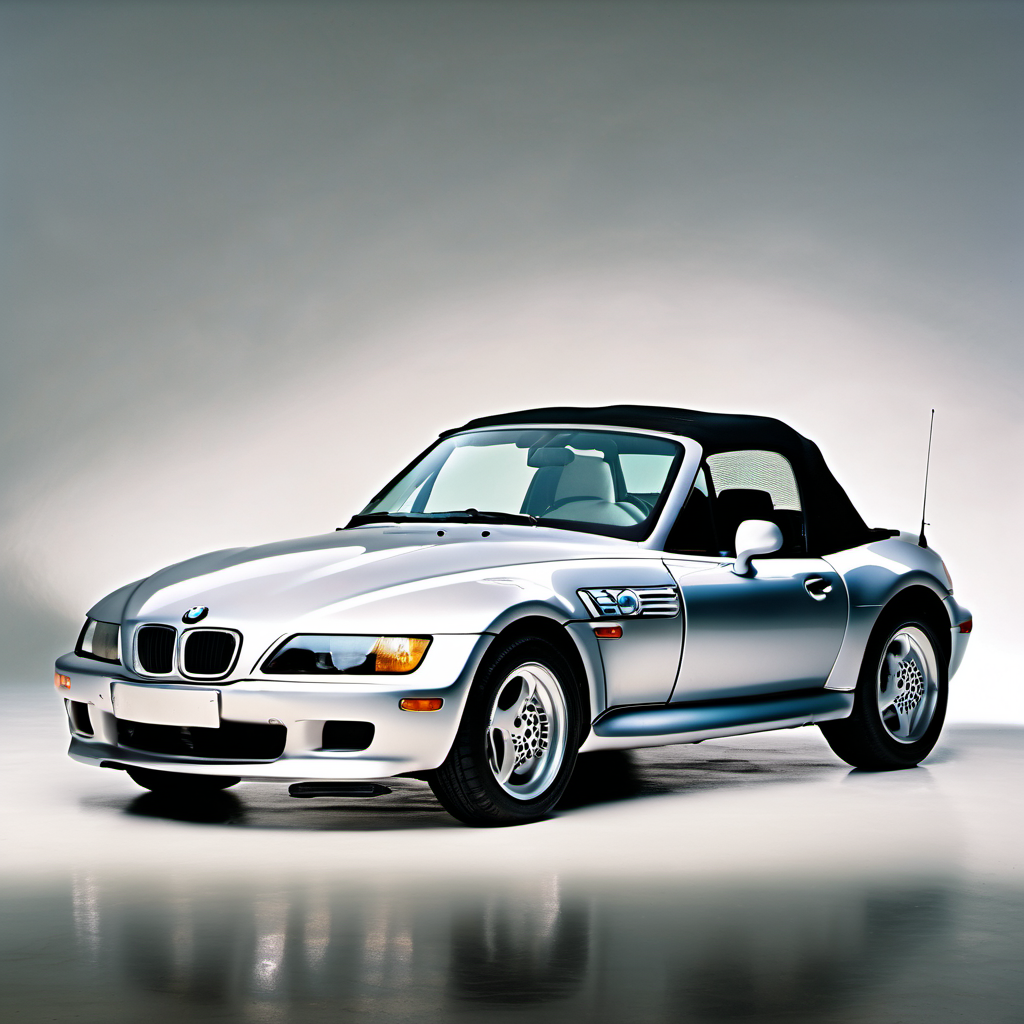
1997 BMW Z3
1997 BMW
Z3

Same era, similar RWD roadster mission and price point. Less exotic than the Boxster but more dealer-friendly to service and with a simpler drivetrain. No IMS equivalent issue.

1997 Mercedes-Benz
SLK230

Direct competitor at launch — RWD roadster with a folding hardtop instead of a soft top. Supercharged 4-cylinder is less thrilling but more straightforward to maintain.

No catalog match
1999 Honda
S2000

RWD roadster with a high-revving inline-four, exceptional reliability, and a fraction of the ownership cost. Less prestige but far fewer catastrophic failure risks.

No catalog match
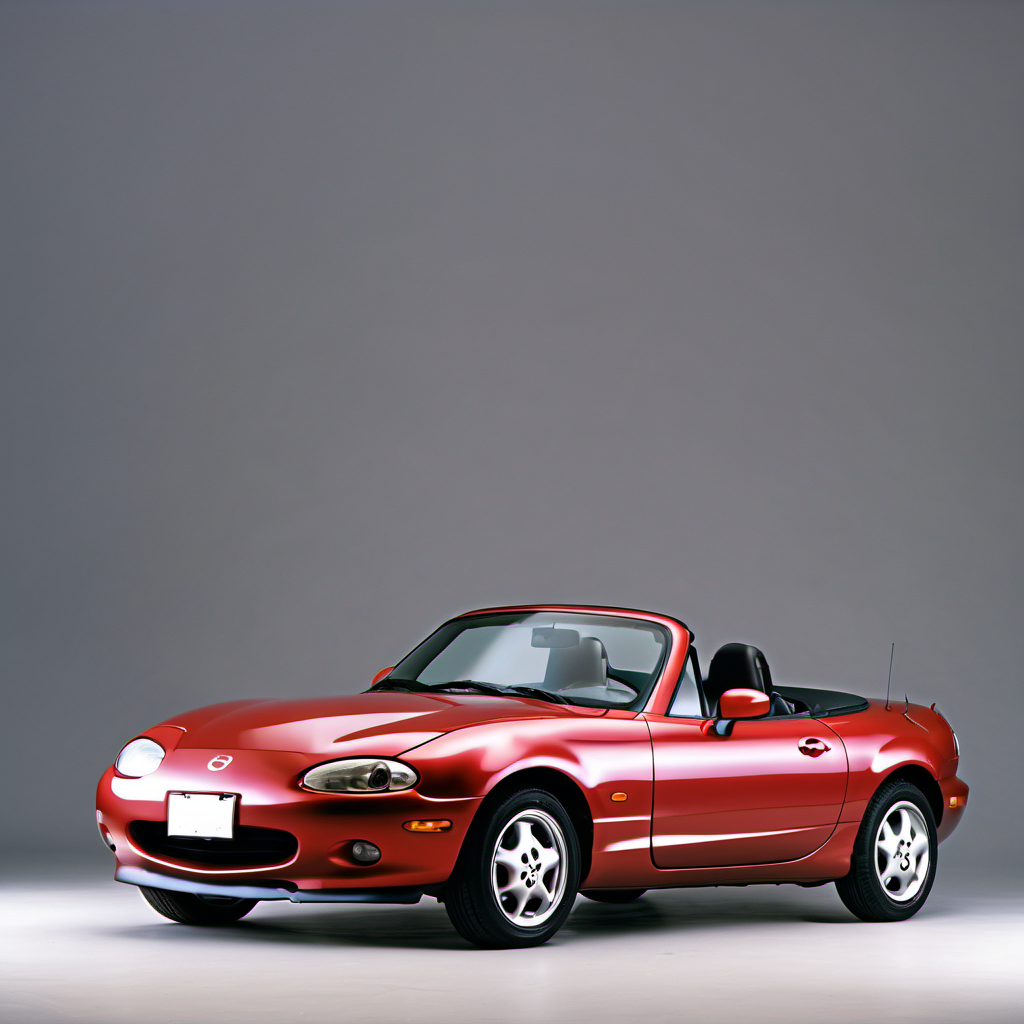
1997 Mazda MX-5 Miata
1997 Mazda
MX-5 Miata

The benchmark lightweight roadster. Much cheaper to buy and maintain, similar driving philosophy, but significantly less power and less exotic. Near-bulletproof reliability.

If you're shopping for one

Red flags
  • No service records, especially no documentation of IMS bearing replacement — walk away or price in a full engine replacement.
  • Any evidence the car was driven year-round in a salt-belt state — inspect subframe, sills, and brake lines for corrosion.
  • Oil consumption greater than 1 quart per 1,000 miles — indicates worn piston rings or valve stem seals.
  • Soft top that sticks, operates slowly, or fails mid-cycle — hydraulic pump replacement is expensive.
  • Any prior engine rebuild or replacement without documentation of the cause — could indicate a previous IMS failure.
  • Aftermarket ECU tune or modified engine management — complicates diagnostics and may mask underlying issues.
What to inspect
  • Demand documented proof that the IMS bearing has been replaced with an upgraded unit — this is non-negotiable on a 1997.
  • Inspect the bellhousing area for oil residue indicating an active RMS leak.
  • Operate the soft top through three full open/close cycles and listen for pump strain, hesitation, or abnormal noises.
  • Inspect the rear plastic convertible window for crazing, cloudiness, or delamination from the top fabric.
  • Check for coolant in the oil (milky dipstick) or oil in the coolant reservoir — both indicate serious internal engine issues.
  • Have a Porsche-specialist shop perform a compression and leak-down test on all six cylinders before purchase.
  • Inspect the front trunk (frunk) and rear engine compartment for water intrusion or rodent damage from storage.
  • Verify the A/C blows cold — recharging and diagnosing an aging R134a system can be costly.
AI profile generated 4 days ago · claude-sonnet-4-6 · v2.