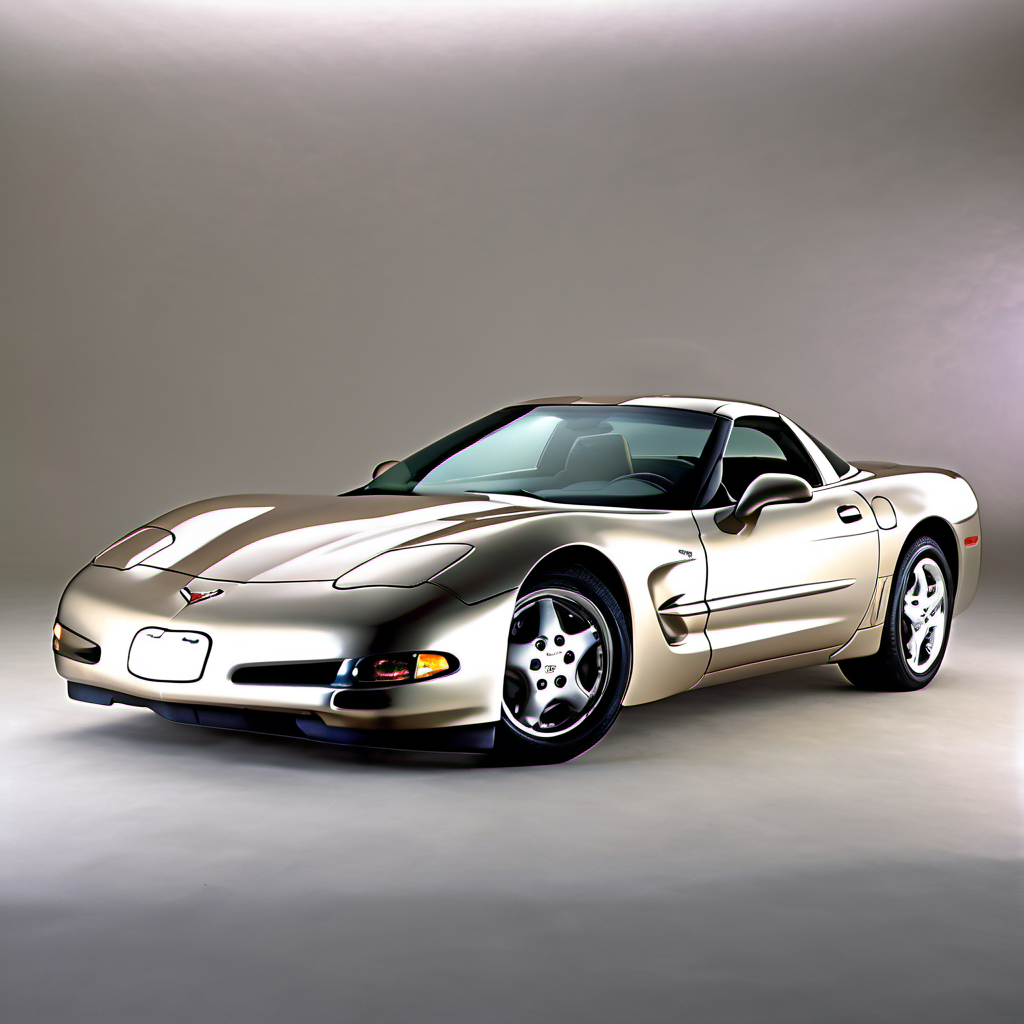
1998 Chevrolet Corvette Hatchback

1998 Chevrolet

CorvetteHatchback

Hatchback

The 1998 Chevrolet Corvette is the fifth-generation (C5) 'Vette in its second model year — a major leap forward from the C4 it replaced. GM redesigned everything from the ground up: a stiffer hydroformed frame, a torque-tube driveshaft, and the all-new LS1 5.7L V8 that would anchor GM performance cars for the next decade. The result was a lighter, faster, more refined sports car that could embarrass six-figure exotics at a fraction of the cost. 1998 is a notable year specifically because it introduced the Corvette Convertible alongside the coupe/hatchback, and the coupe gained the optional removable body-color hardtop. The LS1 produced 345 hp stock and responded extremely well to modifications — a big reason C5s remain popular with enthusiasts today. For daily use, the C5 is surprisingly livable: reasonable cargo space under the rear glass, a decent ride on the standard suspension, and better build quality than the C4. That said, this is still a low-slung RWD sports car with a performance-focused suspension — Wisconsin winters will humble it quickly without proper tires and precautions.

Reliability
4/5
Verified data
Specs shown for Corvette — the most common configuration. Other trims may vary in engine, drivetrain, or fuel economy. Sign in to see your vehicle's exact specs.
Engine
[object Object]
Drivetrain
RWD
Fuel
Premium gasoline
MPG
15 city / 23 hwy / 18 combined
Seats
Doors
Body
Two Seaters

Overview

AI-curated

The 1998 Chevrolet Corvette is the fifth-generation (C5) 'Vette in its second model year — a major leap forward from the C4 it replaced. GM redesigned everything from the ground up: a stiffer hydroformed frame, a torque-tube driveshaft, and the all-new LS1 5.7L V8 that would anchor GM performance cars for the next decade. The result was a lighter, faster, more refined sports car that could embarrass six-figure exotics at a fraction of the cost. 1998 is a notable year specifically because it introduced the Corvette Convertible alongside the coupe/hatchback, and the coupe gained the optional removable body-color hardtop. The LS1 produced 345 hp stock and responded extremely well to modifications — a big reason C5s remain popular with enthusiasts today. For daily use, the C5 is surprisingly livable: reasonable cargo space under the rear glass, a decent ride on the standard suspension, and better build quality than the C4. That said, this is still a low-slung RWD sports car with a performance-focused suspension — Wisconsin winters will humble it quickly without proper tires and precautions.

Known for
  • LS1 V8 — one of the most tunable and reliable performance engines GM ever built
  • Exceptional power-to-price ratio, new and used
  • Torque-tube rear transaxle layout giving near 50/50 weight balance
  • Fiberglass/composite body panels that don't rust
Best for
  • Enthusiasts who want weekend performance and occasional daily driving
  • Track day participants looking for a capable, affordable platform
  • Collectors — clean C5s are appreciating gently
  • Long highway cruises (surprisingly comfortable at speed)
Watch for
  • Rear leaf spring monoshock suspension — unusual to service, expensive if neglected
  • Low ground clearance — parking lots, driveways, and Wisconsin frost heaves are real hazards
  • Interior plastics and electronics from the late 1990s are now 26+ years old and prone to failure
  • RWD + wide low-profile tires = dangerous in snow or ice without dedicated winter rubber
  • Difficult to work on in tight spaces due to the engine bay layout

Common issues by mileage

6 known

Oxygen sensor / O2 heater circuit failure

high
Typically appears
80–150k mi
Estimated repair
$150 – $350

Intake manifold gasket leak (plastic lower intake)

medium
Typically appears
60–120k mi
Estimated repair
$400 – $800

Rear leaf spring fatigue / broken composite spring

medium
Typically appears
80–150k mi
Estimated repair
$500 – $1,200

Aged interior electronics — gauge cluster, HVAC controls, windows

high
Typically appears
Any age/mileage on a 26-year-old car
Estimated repair
$100 – $900

Differential / rear wheel bearing wear

medium
Typically appears
100–160k mi
Estimated repair
$400 – $1,000

Throttle position sensor / MAF sensor degradation

medium
Typically appears
70–130k mi
Estimated repair
$100 – $300

Maintenance schedule

  1. 1
    Every 5,000 miles or annually (whichever comes first) Engine oil change — use GM-spec 5W-30 full synthetic

    The LS1 is oil-dependent for lifter and cam lobe health. Many C5s sit for months; annual changes flush acids and moisture regardless of mileage.

  2. 2
    Every 5 years or 60k miles Coolant flush and thermostat inspection

    The LS1 runs hot and the factory plastic thermostat housing can crack with age. Degraded coolant accelerates corrosion in the aluminum block.

  3. 3
    Every 60k miles Spark plugs (AC Delco spec)

    Iridium plugs last, but on a 26-year-old car check them at purchase. Wrong plug heat range causes misfires. Replacement is labor-intensive on the LS1.

  4. 4
    Every 2–3 years Brake fluid flush

    Brake fluid absorbs moisture over time, lowering boiling point. Critical on a high-performance car; moisture also corrodes calipers from the inside.

  5. 5
    Every 30k miles or at purchase if history unknown Rear differential fluid change

    The C5's rear-mounted transaxle and differential run together; neglected fluid leads to expensive gear and bearing wear.

  6. 6
    Every 30k miles or at any suspension work Inspect composite rear leaf spring and end links

    The single transverse composite leaf spring is unique to Corvettes. End links wear, and the spring itself can crack — visible only on a lift.

  7. 7
    Any time the car sits more than 2–3 weeks Battery tender / trickle charger during storage

    The C5's electronics (Body Control Module, alarm, etc.) draw parasitic current. A dead battery in a Wisconsin winter can cascade into BCM and gauge cluster issues.

  8. 8
    Every 60k miles or if rough idle present Inspect and clean fuel injectors / check fuel pressure regulator

    Injectors gum up on cars that sit seasonally. The LS1's fuel pressure regulator diaphragm can crack and allow fuel into the intake manifold vacuum line.

Always defer to the manufacturer's service manual for warranty-mandated intervals.

Cost of ownership

Annual maintenance
$600 – $1,800
Fuel
Premium fuel required. At 18 MPG combined and ~12,000 mi/yr, budget $2,000–$2,600/yr depending on pump prices. Highway use improves this significantly.
Insurance
Expect $1,200–$2,200/yr for a driver over 25 with a clean record on a pleasure/weekend-use policy in Wisconsin. Full coverage on a collectible policy (agreed value) can be cheaper if annual mileage is low.

The C5 Corvette is one of the best performance values on the used market — purchase prices are reasonable, and the LS1 drivetrain is cheap to maintain if you stay on top of it. The big cost surprises come from deferred maintenance on cars that have been driven hard or stored poorly: suspension components, aged electronics, and bodywork (the fiberglass doesn't rust but it cracks and fades). Budget extra in year one to sort out anything the previous owner let slide.
Seasonal care

Lake Geneva, WI
Winter
  • Do not drive on snow or ice without dedicated winter tires — the wide, low-profile summer tires and RWD combination are genuinely dangerous in Wisconsin winters. Most owners store the car from November through March.
  • Before storage: fill the fuel tank and add a fuel stabilizer to prevent varnish buildup in injectors and the fuel system during long sits.
  • Connect a battery tender/maintainer for the entire storage period. The C5's electronics will drain a battery in weeks and a dead battery in the cold can damage the BCM.
  • Store off the ground if possible, or place on jack stands — sitting on the tires for months causes flat spots, especially in sub-zero temps.
  • Flush and top off coolant with the correct 50/50 mix rated to at least -34°F. The LS1 aluminum block does not tolerate freezing.
  • If driven in winter at all, rinse the undercarriage frequently — road salt attacks brake lines, suspension hardware, and exhaust components even though the body panels won't rust.
Summer
  • Check tire pressure every two weeks — low-profile performance tires lose pressure noticeably with temperature swings, and an underinflated tire on a C5 at speed is a blowout risk.
  • Inspect the A/C system at the start of the season. The C5's cabin heats up quickly when parked; a weak A/C system is miserable in July.
  • Watch coolant temperature on hot days in stop-and-go traffic — the C5 runs warm by design and the radiator fan relies on proper coolant level and a functioning thermostat.
  • Check brake pads before any track or spirited driving. Heat soak from aggressive braking can fade worn pads quickly.

Comparable vehicles

If you're shopping for one

Red flags
  • Any frame or structural repair — the C5 hydroformed frame is expensive to properly repair and often done wrong after accidents.
  • Overheating history — a single serious overheat can warp the LS1 aluminum heads; ask for records and check for white exhaust or bubbles in the coolant reservoir.
  • Missing service records on a high-mileage example — the rear differential and transmission fluid intervals are often skipped and failures are costly.
  • Modifications without documentation — cammed engines, superchargers, and tune files can mask or cause reliability issues if done carelessly.
  • Soft or spongy brake pedal — could indicate a failing master cylinder, air in the lines, or a rear brake proportioning issue unique to the C5's rear-biased brake balance.
What to inspect
  • Pull the rear hatch weatherstripping and check the spare tire well for water intrusion — C5 hatch seals age and leak, causing hidden rust on the steel subframe even though body panels are fiberglass.
  • Check all gauge cluster functions (speedometer, tach, fuel, temp) — cluster stepper motors are a known failure on C5s and replacement/recalibration costs $150–$400.
  • Start the LS1 cold and listen for lifter tick in the first 30 seconds. Persistent tick after warmup suggests oil starvation history or a collapsed lifter.
  • Inspect the composite rear leaf spring from below on a lift — look for cracks, delamination, or missing end-link bushings.
  • Check all four brake rotors for deep scoring or heat cracks. C5 rotors are not cheap and the car is frequently driven hard.
  • Test every electronic feature: power windows, HVAC, traction control, active handling — 26-year-old electronics fail silently.
  • Look for evidence of track use: worn harness brackets, brake dust buildup in unusual places, wheel spacers, or stripped undertray fasteners.
  • Verify the VIN decodes to the original engine — LS swaps are common, and an undisclosed engine swap affects insurance, value, and parts compatibility.
AI profile generated 4 days ago · claude-sonnet-4-6 · v2.