Head Gasket Failure (3.9L V8)
high- Typically appears
- 60–120k mi
- Estimated repair
- $1,800 – $3,500
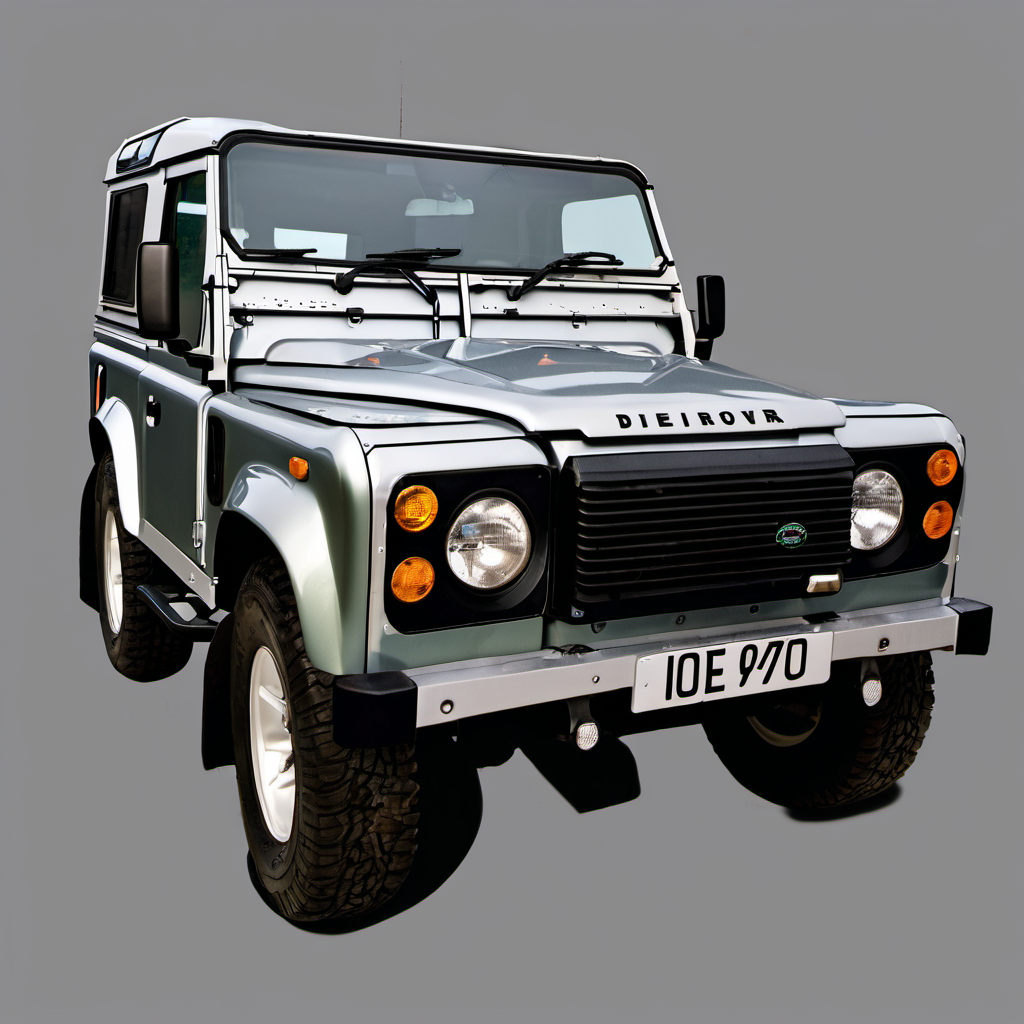
1997 Land Rover
3.9L V8 · SUV
The 1997 Land Rover Defender 90 is the short-wheelbase version of Land Rover's iconic utilitarian 4x4, a direct descendant of the original Series Land Rovers dating back to 1948. By 1997, the Defender 90 sold in the US came equipped with a 3.9L V8 and a five-speed manual or four-speed automatic, paired with a dual-range transfer case and permanent four-wheel drive. It was one of the final model years exported to the United States before Land Rover pulled the Defender from the US market after 1997, making these trucks genuinely rare and collectible today. The Defender 90 is a body-on-frame, ladder-chassis truck with live axles front and rear — essentially agricultural in its engineering simplicity. Coil springs (introduced on the 90 in the 1980s) give it surprising off-road articulation. It seats up to four passengers in the two-door hardtop and prioritizes capability and durability over comfort or refinement. Interior ergonomics and noise levels are by modern standards rudimentary. Owning a 1997 Defender 90 in Wisconsin means committing to a hobby vehicle as much as a daily driver. Parts availability has improved with the global collector market, but knowledgeable local mechanics are rare. Budget generously for maintenance and repairs — these trucks reward dedicated owners who stay ahead of rust and aging British electrics.
The 1997 Land Rover Defender 90 is the short-wheelbase version of Land Rover's iconic utilitarian 4x4, a direct descendant of the original Series Land Rovers dating back to 1948. By 1997, the Defender 90 sold in the US came equipped with a 3.9L V8 and a five-speed manual or four-speed automatic, paired with a dual-range transfer case and permanent four-wheel drive. It was one of the final model years exported to the United States before Land Rover pulled the Defender from the US market after 1997, making these trucks genuinely rare and collectible today. The Defender 90 is a body-on-frame, ladder-chassis truck with live axles front and rear — essentially agricultural in its engineering simplicity. Coil springs (introduced on the 90 in the 1980s) give it surprising off-road articulation. It seats up to four passengers in the two-door hardtop and prioritizes capability and durability over comfort or refinement. Interior ergonomics and noise levels are by modern standards rudimentary. Owning a 1997 Defender 90 in Wisconsin means committing to a hobby vehicle as much as a daily driver. Parts availability has improved with the global collector market, but knowledgeable local mechanics are rare. Budget generously for maintenance and repairs — these trucks reward dedicated owners who stay ahead of rust and aging British electrics.
The 3.9L V8 runs hot and is prone to oil degradation; shorter intervals reduce sludge risk and extend head gasket life.
The 3.9L V8 is the Defender 90's biggest Achilles heel. Old coolant accelerates corrosion in the aluminum head and intake; replace all rubber hoses showing any cracking.
Live axles and solid steering links require regular greasing. Dry swivel hubs on a Wisconsin winter vehicle will fail prematurely and cost significantly more to repair.
Lake Geneva roads are heavily salted. The Defender's steel outriggers and floor sections are rust magnets; catching them early saves a $3,000+ frame repair bill.
Hygroscopic brake fluid in aging British calipers and steel lines accelerates internal corrosion. Fresh fluid is cheap insurance on a vehicle with original or aging brake hardware.
Lucas-era British wiring is notorious for poor grounds that cause phantom faults, flickering lights, and instrument failures. Cleaning grounds is the single highest-return electrical job you can do.
The Defender's permanent 4WD drivetrain runs all three differentials constantly. Fresh gear oil extends bearing and seal life and reveals any metal contamination early.
Cold cranking a 3.9L V8 in Wisconsin sub-zero temps demands a strong battery. The Defender's aging charging system is marginal — don't push a borderline battery into winter.
Always defer to the manufacturer's service manual for warranty-mandated intervals.
The Defender 90 is an expensive vehicle to own properly. Parts are available but often imported from the UK, and labor rates at a qualified specialist will be higher than a typical domestic truck. A well-maintained example will typically cost $1,500–$3,000/year in routine maintenance; a deferred-maintenance example can spike well above $4,500 in a single year catching up. This is not a set-it-and-forget-it truck — budget accordingly and build a relationship with a Land Rover specialist.
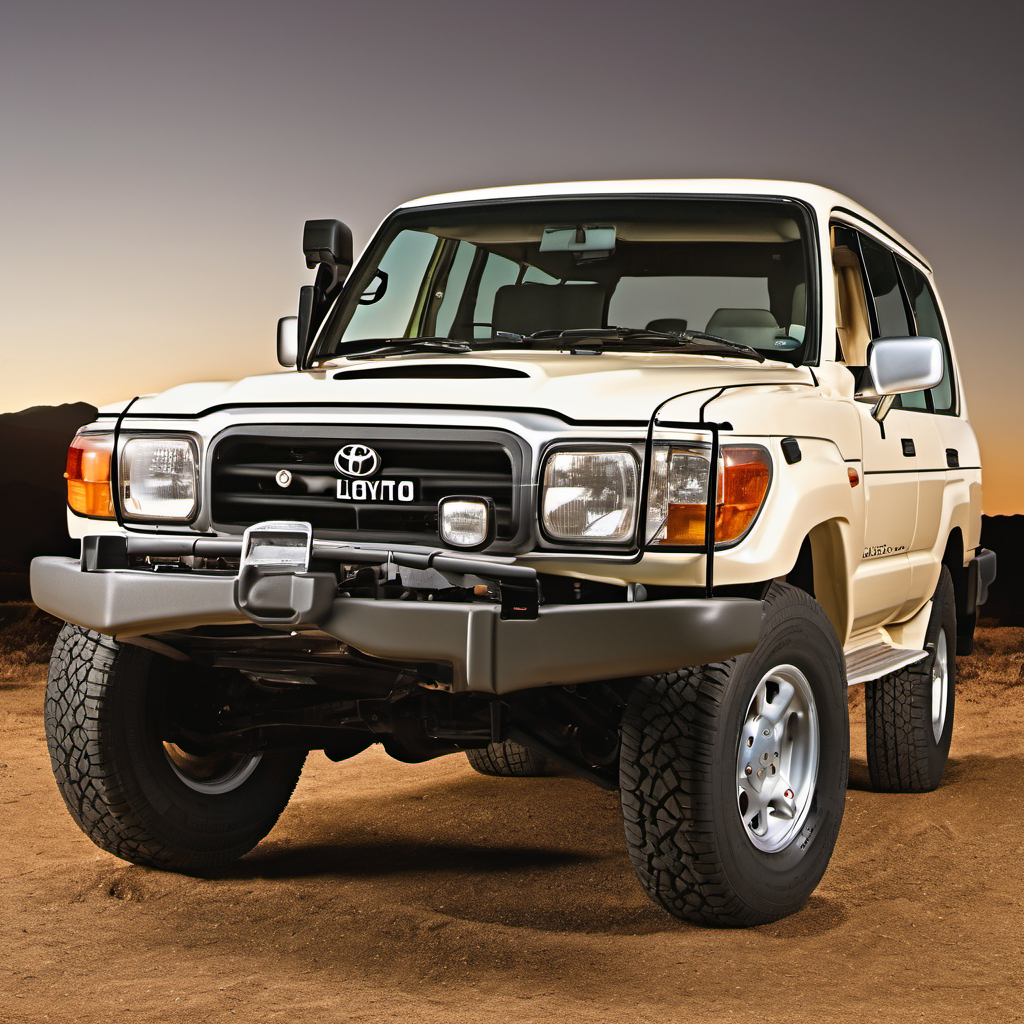
Similar body-on-frame off-road pedigree with the same era 4.5L inline-six. Far more reliable, better parts availability, and easier to find Wisconsin-area service — but at a higher price point given its own collector appreciation.
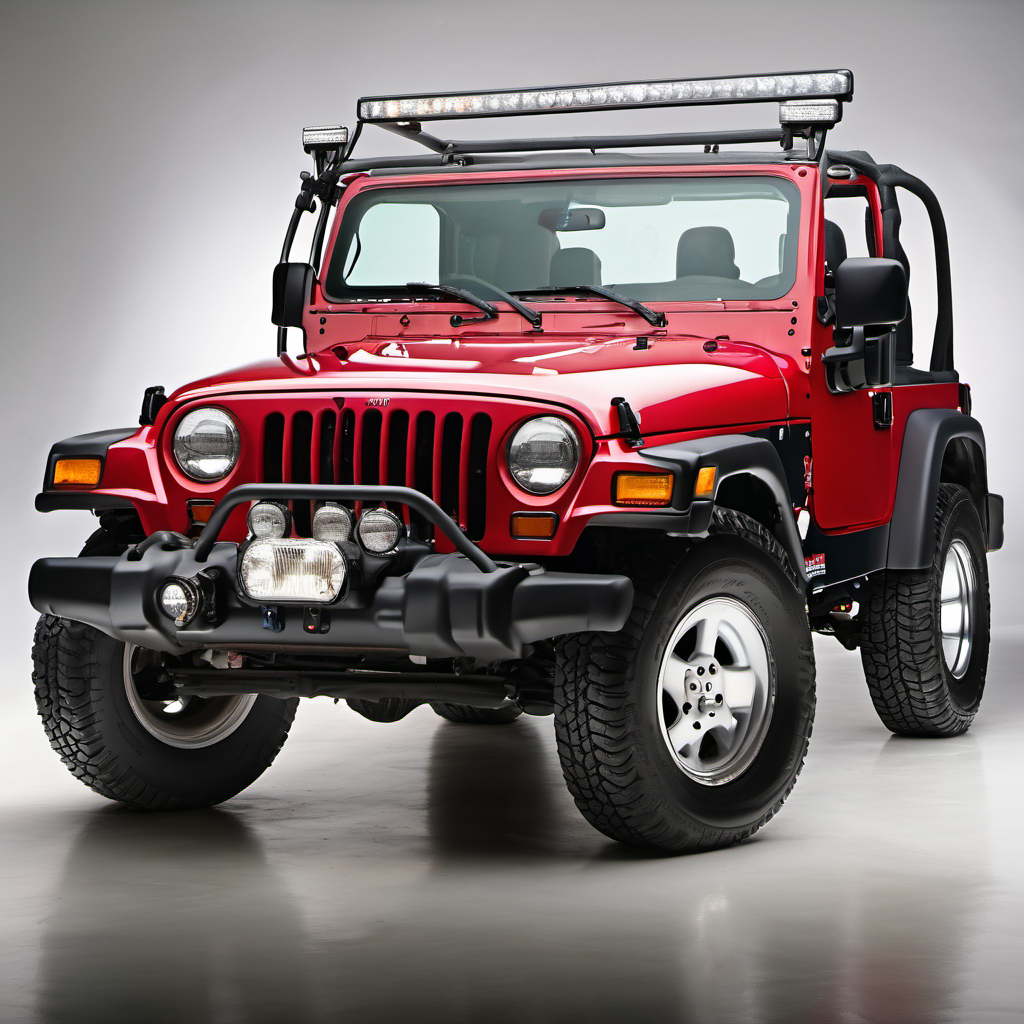
Two-door, short-wheelbase, body-on-frame off-roader in the same spirit. Much cheaper to own, far better parts and mechanic availability, though less capable in stock form and more basic in construction.
Contemporary European body-on-frame utilitarian 4x4 with live axles and similar collector appeal. Equally expensive to maintain and rare to find a specialist, but engineering quality is generally higher.
No catalog match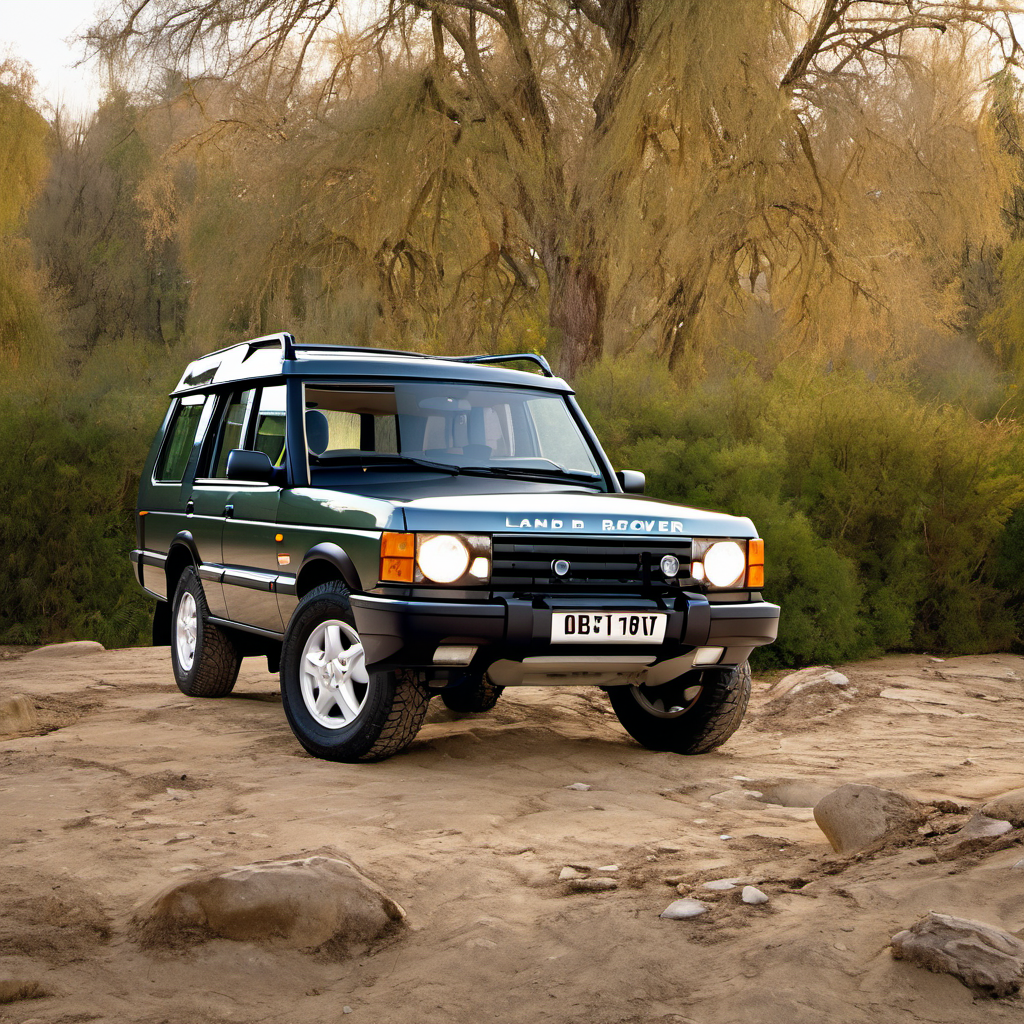
Same 3.9L V8 and permanent 4WD drivetrain in a more practical four-door body. Shares most mechanical components with the Defender, making parts interchangeable, but lacks the Defender's collector cachet and off-road clearance.